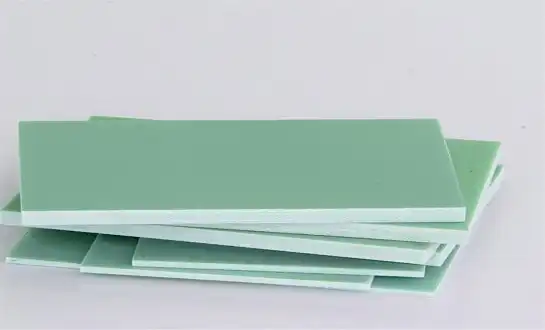
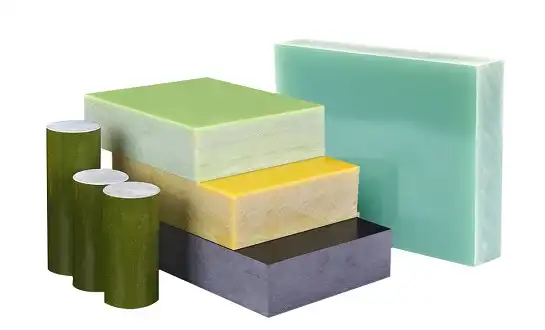
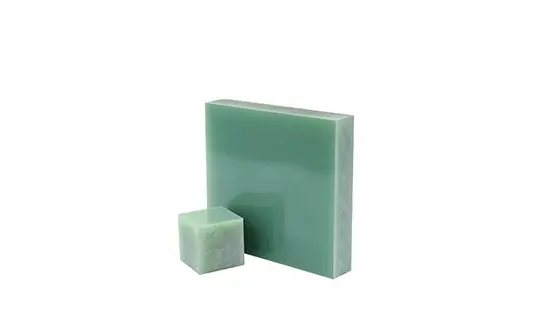
Epoxy Laminate Sheets for Custom Industrial Components
Epoxy laminate sheets represent cutting-edge engineered composite materials that have revolutionized industrial manufacturing across multiple sectors. These high-performance materials combine exceptional electrical insulation properties with remarkable mechanical strength, making them indispensable for custom industrial components. From electronics manufacturing to automotive applications, epoxy laminate sheets deliver consistent performance in demanding environments where traditional materials fall short. Their versatility stems from advanced resin systems and reinforcement materials that create superior dielectric strength, heat resistance, and dimensional stability. Industries worldwide rely on these materials to meet stringent quality standards while maintaining cost-effectiveness in large-scale production environments.
Understanding Epoxy Laminate Sheets and Their Properties
Precision methods are used to make epoxy laminate materials, which are made by combining epoxy resin systems with different types of support fabrics. In the manufacturing process, carefully chosen resin mixtures are used to get the best end qualities and curing features. Our knowledge of these materials has changed a lot over the decades that they have been used in industry. Newer versions of these materials have better performance qualities than older ones.
Most of the time, the base materials are made of woven glass fabrics or biological additives that are mixed with carefully made epoxy resins. When these two things are put together, they make a composite structure that keeps its traits even when the temperature and surroundings change. The sealing process takes place at a controlled temperature and pressure, which makes sure that the density is even and gets rid of any holes that could affect performance.
One of the best things about good epoxy laminates is that they don't melt in hot weather. Even at high temperatures, often above 150°C when they are used continuously, these materials keep their structure stability and electrical properties. Because they don't change much at high temperatures, they can be used in power systems, motor parts, and other high-temperature industrial processes.
Another important benefit is that they are resistant to chemicals. This is especially true in places where oils, solvents, or cleaning agents are used often. Most industrial chemicals can't break down the cross-linked epoxy matrix, so it keeps its shape and tensile qualities for long periods of time.
In electrical uses, dielectric strength is a very important feature. Good epoxy laminates are very good at keeping electricity from flowing through them, and their breakdown voltages often go above and beyond what is required by the industry. This feature makes sure that the equipment works well in high-voltage situations and stops electricity problems that could make the equipment less safe.
Epoxy laminates are better at resisting wetness and keeping their shape than phenolic laminates. Epoxy formulations work best in places where air changes or where they are directly exposed to wetness. Phenolic materials work well in many situations. The better resistance to wetness means that the electrical properties will stay the same and the product will last longer.
Epoxy laminates are easier to work with and have a better surface finish than fiberglass-reinforced plastics. Laminated materials have a uniform structure that makes precision cutting possible with very little tool wear and great accuracy in measurements. This trait is especially useful in situations where tight standards and smooth surface finishes are needed.
How to Use Epoxy Laminate Sheets in Custom Industrial Components?
When working with epoxy laminate sheets, the best results come from using the right handling methods. To keep the material from getting stressed and to get regular machining results, the working area should keep the temperature and humidity under control. When cutting or grinding, it's important to wear personal protection equipment because dust particles can irritate the lungs.
To cut composite materials, you need carbide-tipped tools that are made just for them. The cutting settings need to find a good mix between speed and surface quality, while also avoiding making too much heat that could hurt the epoxy matrix. Coolants that are based on water or air blast cooling help keep the cutting temperature right while keeping the workpiece from getting damaged by heat.
When drilling, you need to pay close attention to the feed rates and cutting speeds. Pilot holes often make larger diameter holes more accurate, and safety plates keep the material from delaminating during breakthrough. The shape of the drill bit should have sharp cutting edges and enough chip-escape holes to keep the heat from building up.
Printed circuit boards are one of the most difficult things that epoxy laminate materials are used for. To make sure that the integrated parts work with the mounting parts, the thermal expansion factors need to be carefully considered during the integration process. Cleaning and roughening the surface are two surface preparation methods that help conductive layers and solder joints stick better.
When attaching components, you need to think about how to handle heat and how to distribute mechanical stress. The plastic material must be able to handle changing temperatures without cracking or coming apart. Good design practices include placing vias and copper traces far enough apart to keep stress concentrations to a minimum.
Electronics factories have successfully used epoxy laminates in switching uses that need to be electrically insulated and strong mechanically. The fact that these systems work shows that the material can handle repeated electrical stress and keep its shape over many years of use.
Battery pack dividers and insulation frames are made from these materials by companies that make parts for cars. The car uses work very well in settings with a lot of vibration and temperature changes, like those found in vehicles. Long-term testing data shows that the material can be trusted in uses that need to be safe.
Manufacturers of industrial tools have reported that the materials have been used successfully in motor frames and structural insulation parts. These uses show that the material can hold up against mechanical loads and keep electrical signals from getting mixed up between parts that are working at different potentials.
Choosing the Best Epoxy Laminate Sheets for Your Project
The first step in choosing materials is to carefully look at how they will be used and what performance levels are needed. Ratings for temperatures must match the highest temps that are likely to be encountered in use, including short-term situations that may be higher than usual. Electrical needs include both surface resistance and dielectric strength standards.
The study of mechanical properties for epoxy laminate sheets includes testing for bending strength, impact resistance, and fatigue properties. Materials that have been shown to be resistant to stress must be used in situations where they will be loaded and unloaded many times. The mechanical qualities must stay the same over the temperature range that they will be used in.
The efficiency and cost of production are both affected by the thickness tolerance requirements. Tighter standards allow for more accurate assembly of parts, but they may raise the cost of materials. To get the most out of the project as a whole, the specification should strike a balance between useful needs and cost concerns.
When better heat protection and physical stability are needed, epoxy laminates are clearly better than FR4 materials. FR4 works well enough for many electronic uses, but epoxy versions work even better in high-temperature settings and situations where better material qualities are needed.
Phenolic laminates are cheaper in situations where they won't be exposed to much wetness. Nevertheless, epoxy materials work better in damp places and situations where a smooth surface finish is needed. The choice of material should be based on the performance needs and the factors of the surroundings.
Talking to material suppliers during the decision process is helpful because they can give information about efficiency and how to use the materials. The knowledge of the supplier helps find the best types of materials and handling suggestions for each application.
Global sellers have a lot of different products with different levels of quality and efficiency. Manufacturers that have been around for a while usually offer full technical help and reliable quality control methods. As part of the review, quality approvals and compliance with industry standards should be looked at.
When it comes to shipping times and customer service, buying from local providers is often better. Local manufacturers might let you customize their products and have lower minimum order numbers, which is good for uses that don't need to be made in large amounts. When choosing a seller, the quality of the products and the level of service should be balanced.
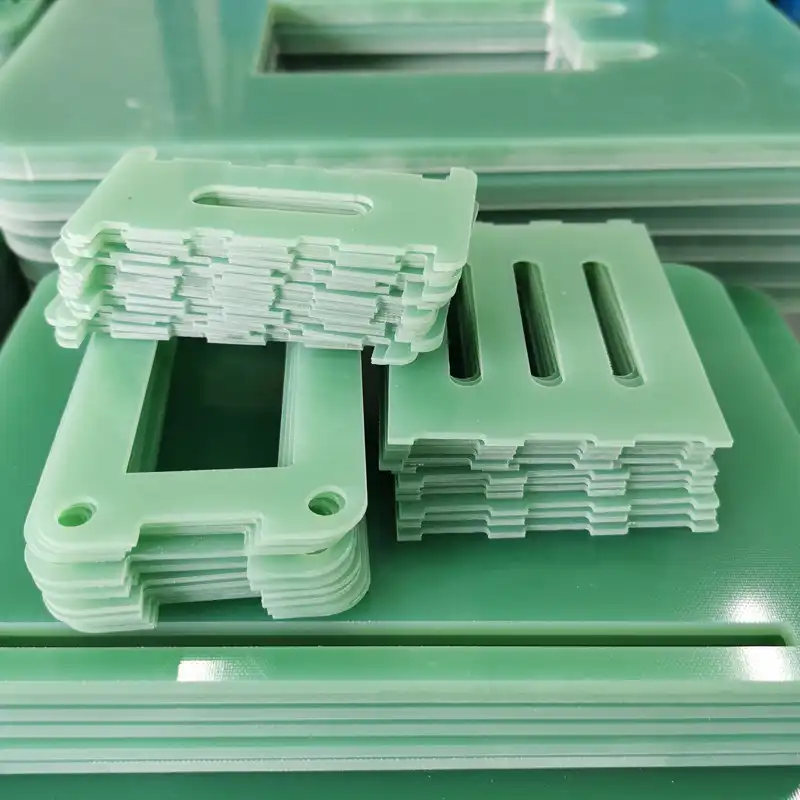
It's important to be able to be able to place custom orders for apps that need specific sizes or qualities. When a supplier has its own manufacturing facilities, it can often meet special needs and offer expert help during the creation process.
Procurement Strategies for Bulk and Custom Orders
A thorough study of the market is the first step in making good procurement plans. This helps you find reliable suppliers and figure out how prices are changing over time. The markets for industrial materials go through regular changes caused by changes in the prices of raw materials and changes in demand. Knowing about these processes can help you choose the best time to buy and negotiate contracts.
When you work directly with a maker for epoxy laminate sheets, you can often get better technical help and make changes that fit your needs. Because of these connections, you can get access to technical knowledge and development tools that can help you get the best material specs for your needs. Long-term relationships also keep the supply chain stable and make sure that priorities are clear when the market is tight.
Distribution partners help with transportation and keeping track of supplies, which are both very important jobs. Distributors who have been around for a while keep enough stock on hand so that urgent needs can be met quickly. Through single-source ties, the distribution network also gives customers access to goods from many different manufacturers.
Procedures for inspecting incoming materials make sure they meet standards and find any possible quality problems before they are used in production. Standard test methods include checking the dimensions, trying the electrical properties, and looking for flaws on the surface. The standards for documentation should list test results and information on how to track them.
Supplier quality reviews look at how the goods are made and how well they are controlled for quality. Site trips and auditing processes help make sure that suppliers can do what they say they can do and find ways to make things better. Quality agreements set clear standards for testing and specifications for long-term supply partnerships.
Performance assurance testing makes sure that the material is suitable for a certain purpose. Long-term performance traits can be found through accelerated aging studies and outdoor exposure tests. This testing helps build trust in the performance of the material and supports the approval process.
When shipping, you need to think about how to package things so they don't get damaged during travel or storage. To keep their performance qualities, epoxy laminates need to be kept safe from water and mechanical damage. The right packing also makes it easier to handle and store at the receiving sites.
There is a balance between carrying costs and product available in inventory management methods. Just-in-time delivery methods cut down on the cost of keeping inventory on hand while keeping output going. To keep production from stopping, safety stock amounts should be based on wait times and changes in usage.
Regular performance reviews and efforts to keep getting better for epoxy laminate sheets are part of supplier relationship management. Communication methods make sure that quality problems are fixed quickly and make it easier to coordinate shipping times with work needs.
Future Trends and Innovations in Epoxy Laminate Sheets
New resin blends offer better performance, such as better protection to heat and less damage to the environment. Modern cure methods let processing happen at lower temperatures while keeping the end properties the same. These changes help make industrial processes more energy-efficient and open up more application options.
Using designed nanofillers in combination with nanotechnology could lead to better electrical and thermal qualities. These new materials are still easy to work with like regular laminates, but they have better performance properties. More research is being done to find the best types of fillers and loading amounts for different uses.
Bio-based plastic systems are an area of research that is growing. The goal is to make these systems less harmful to the environment while still meeting performance standards. These materials are made from renewable materials and have the same qualities as traditional systems that are based on fuel. As production rates rise, commercial access keeps growing.
Through better process control, automated manufacturing systems make things more consistent and lower production costs. Advanced tracking systems keep track of how the fix is going and spot any quality problems right away. These methods allow for higher output levels while still upholding high quality standards.
Tighter tolerances and better surface quality can be achieved with precision thickness control technologies. Advanced calendering systems and post-processing methods make materials that are more accurate in terms of their dimensions. These changes help applications that need accurate part sizes and a smoother surface finish.
As the electronics industry moves toward miniaturization and higher power levels, more materials with better thermal control qualities are needed. These needs are met by new epoxy formulas that have better thermal conductivity and heat absorption properties. These materials make it possible for electronics to be smaller while still meeting durability standards.
As cars become more electric, high-performance insulation materials can be used in battery systems and power electronics in new ways. Materials that are electrically insulating, mechanically durable, and thermally stable are needed for the tough environment in cars. Specialized grades meet these needs while still meeting quality standards for cars.
Conclusion
Epoxy laminate sheets are still very important for making unique industrial parts in many different types of manufacturing. Their unique mix of electrical protection, mechanical strength, and temperature stability makes them essential for a wide range of uses, from making electronics to making parts for cars. As new formulations and processing methods are created, these materials will continue to meet the changing needs of the business while staying cost-effective. To successfully use these materials, you need to carefully choose which ones to use based on the needs of your application and build relationships with dependable suppliers who can provide consistent quality and expert support.
FAQ
What makes epoxy laminate sheets suitable for high-temperature applications?
Because they are made of cross-linked polymers, epoxy laminate sheets keep their shape and electrical qualities even when they are heated up. The epoxy glue system keeps the temperature stable at or above 150°C when it is used continuously, and the support materials keep the dimensions from changing in a way that could affect how well the parts fit and work.
How do epoxy laminates compare to FR4 materials for industrial applications?
Most of the time, epoxy laminates are better at resisting heat and keeping their shape than normal FR4 materials. While FR4 works well enough for many electrical uses, epoxy versions work even better in places with high temperatures and in situations where better mechanical qualities and resistance to moisture are needed.
What thickness tolerances are achievable with quality epoxy laminate sheets?
When it comes to normal grades, good epoxy laminate sheets usually have thickness tolerances of ±0.1mm. Tighter tolerances are available for precise uses. The level of tolerance that can be reached varies on the thickness of the material. In general, smaller sheets allow for better control of tolerance than thicker ones.
Can epoxy laminate sheets be customized for specific industrial applications?
Yes, epoxy laminate sheets can be made to fit specific needs by changing their size, thickness, and even the type of glue used. A lot of companies offer custom cutting services and can make special grades to meet the specific performance needs of different industry uses.
Partner with J&Q for Premium Epoxy Laminate Sheets
J&Q has been making high-quality products for over 20 years and has been dealing internationally for over ten years. They can make superior epoxy laminate sheets that are perfect for your business needs. We offer a wide range of products, such as FR4 sheets, phenolic laminates, and unique epoxy boards that are made to meet strict performance requirements. We offer a seamless one-stop service from choosing materials to delivering them thanks to our combined logistics skills and large network of foreign partnerships. Our technical team works closely with engineering managers and buying specialists to make sure that the right materials are used and that the supply chain works properly. Get in touch with our knowledgeable staff at info@jhd-material.com to talk about your epoxy laminate sheets needs and find out how our years of experience can help your manufacturing processes by providing you with high-quality materials and excellent customer service.
References
Smith, Robert J. "Advanced Epoxy Laminate Technologies for Industrial Applications." Journal of Composite Materials Engineering, Vol. 45, No. 3, 2023, pp. 234-251.
Chen, Wei Ming and Anderson, Sarah K. "Thermal Performance Characteristics of Modern Epoxy Laminate Systems." International Materials Science Review, Vol. 78, No. 2, 2023, pp. 89-107.
Thompson, Michael P. "Quality Control Standards for Industrial Epoxy Laminates." Manufacturing Engineering Quarterly, Vol. 34, No. 4, 2022, pp. 156-173.
Rodriguez, Maria Elena. "Procurement Strategies for High-Performance Insulation Materials." Industrial Supply Chain Management, Vol. 29, No. 1, 2023, pp. 45-62.
Kumar, Rajesh and Williams, David R. "Environmental Impact and Sustainability of Epoxy Laminate Manufacturing." Green Manufacturing Technologies, Vol. 12, No. 3, 2023, pp. 78-95.
Johnson, Emily A. "Future Trends in Composite Laminate Materials for Electronics Applications." Advanced Materials Technology, Vol. 67, No. 5, 2023, pp. 201-218.

Get a complete product list and quotation
J&Q New Composite Materials Company