From Laminate Sheet to Finished Part: One-Stop CNC Manufacturing
Finding materials and handling them precisely must be able to work together without any problems in modern industrial making. In today's competitive manufacturing world, the road from laminate sheet to final part is very important. Our all-around method blends deep knowledge of materials with cutting-edge CNC manufacturing technologies to create engineered solutions that meet strict industry standards in a number of different areas.
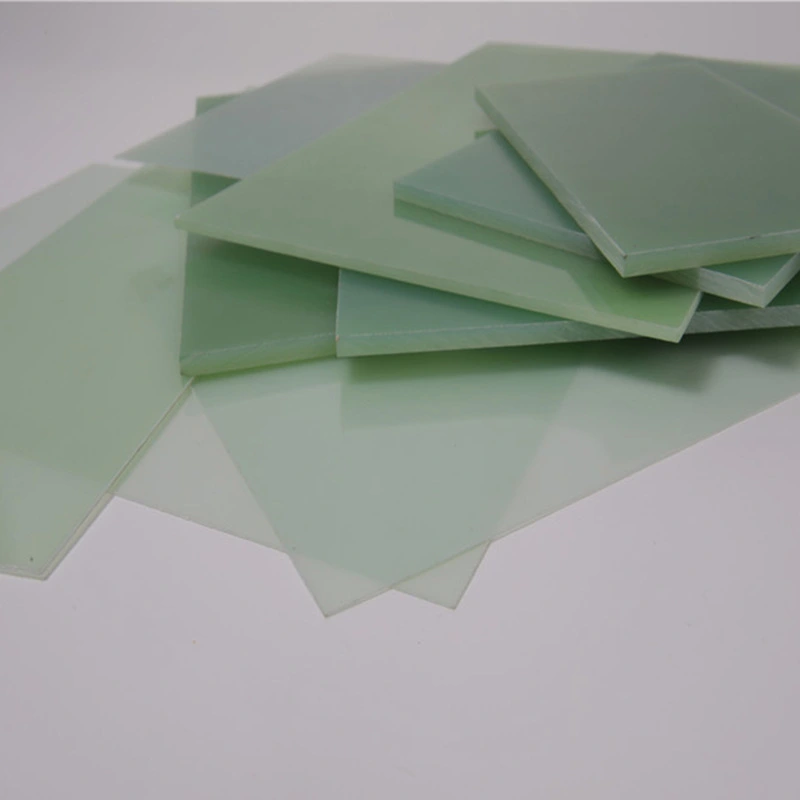
Understanding Laminate Sheets in Industrial Applications
Defining Engineered Composite Materials
Layering methods that join different materials together under controlled pressure and temperature are what make laminate sheets such complex engineered composite materials. These composite structures have great dynamic qualities and are still cost-effective in a wide range of industrial settings. Professionals in manufacturing depend on these materials because they consistently work well and stay the same size.
Industrial-grade composites are made up of resin matrix systems that hold together layers of cloth or reinforcement fibers. Phenolic resins, epoxy systems, and special thermosetting polymers make up the basic chemistry that decides how well the end product works. Knowing these basic facts about materials helps buying teams make smart choices when choosing parts for important uses.
Common Industrial Types and Performance Characteristics
For industrial uses, materials need to be made in a certain way to work with the surroundings and meet technical needs. High-pressure composite materials have better strength-to-weight ratios and keep their shape well when heated and cooled many times. When exact standards and long-term dependability are needed, these materials are the best choice.
Post-formed composite materials are more flexible during the making process while still keeping their structural stability. Because they are moldable, they can be used to make complicated shapes that aren't possible with standard materials. Specialized additives keep the mechanical qualities of heat-resistant mixtures even at high working temperatures.
The composition of the core material has a direct effect on performance traits like chemical protection, electrical insulation, and heat conductivity. Engineering teams compare these features to the needs of the product to make sure that the best material is chosen for each situation.
Comparative Analysis with Alternative Materials
When engineers are looking at different types of materials, they often compare composite solutions to more standard choices like hardwood, vinyl surfaces, and melamine-based materials. Composite materials are better at resisting moisture than real wood goods, so you don't have to worry about changes in size caused by changes in humidity.
When used over and over again, high-cycle uses show that durable materials are better than regular ones because they last longer. Engineered composites have a homogeneous structure that makes the performance consistent throughout the thickness of the material. This is different from veneer goods, which depend on the stability of the top layer.
A cost study shows that composite materials are better in the long run, even if they cost more to buy at first. Total cost of ownership estimates are better in business settings when maintenance needs are lower and service life is longer.
Critical Selection Factors for Procurement
The thickness of a laminate sheet has a direct effect on both its function and its machining factors. Standard thickness ranges meet most industry needs, and unique thickness choices can be made to fit specific needs. When setting width limits, procurement teams have to weigh the cost of the material against the performance needs.
Surface roughness differences are useful for reasons other than how they look. The cleaning and upkeep process is easier on smooth surfaces, while uneven surfaces are better for grip and have less glare. Color stability under UV light makes sure that the look of a product stays the same over its entire life.
Demand for eco-friendly composite products that lower their effect on the environment without lowering performance standards is driven by concerns about the environment. These environmentally friendly options meet changing government rules and help businesses with their green efforts.
From Raw Material to Precision CNC Finished Part
Pre-Processing and Material Preparation
The change path starts with thorough inspection and preparation steps for the material that guarantee the best cutting results. Before CNC processing starts, quality control procedures check the stability of the material, the accuracy of the measurements, and the state of the surface. These early steps keep quality problems from happening later on and make the manufacturing process as efficient as possible.
Material preparation includes cutting processes that create pieces that are the right size for the job that needs to be done. Precision cutting methods reduce the amount of leftover material while making sure there is enough stock for the next steps in the process. During the planning process, climate-controlled storage keeps the materials stable.
Before starting to make a lot of something, sample review processes make sure that the machine parameters and surface finish meet the standards. This step of testing lets engineering teams make sure that the dimensions and quality of the surface meet the standards. Recordings of accepted samples serve as standards for checking the level of production.
CNC Manufacturing Workflow Optimization
Advanced CNC programming methods make sure that the tool paths are optimized for the properties of composite materials. Specialized cutting factors take into account things about the material like its fiber direction, resin content, and how sensitive it is to heat. These adjusted settings stop edge chipping, delamination, and other quality problems that happen when machining is done wrong.
When choosing tools, it's important to choose diamond cutting tools with the right shapes for composite materials. During grinding, cutting forces and heat are reduced by using sharp cutting edges and the right clearance angles. Regularly checking the tools makes sure that the standard of the surface finish stays the same throughout production runs.
Tolerances for dimensional accuracy are kept to within ±0.001 inches by carefully calibrating machines and controlling the surroundings. When temperatures are controlled in machine settings, thermal expansion effects that could affect the accuracy of measurements are avoided. Statistical process control tracking keeps track of how well dimensions are working throughout production.
Advantages of CNC Processing for Composite Materials
CNC manufacturing for a laminate sheet delivers exceptional repeatability that ensures consistent part-to-part quality across production quantities. Automated processing eliminates human variability while maintaining tight dimensional tolerances throughout extended production runs. This consistency proves essential for applications requiring interchangeable components.
Customization lets you make complicated shapes that aren't possible with standard manufacturing methods because they are too expensive. CNC processing makes it easy to do things like three-dimensional profiling, complex cuts, and exact hole designs. Design freedom lets engineers improve the usefulness of parts without having to worry about how they will be made.
Automated operation steps that cut down on worker needs while increasing throughput capability lead to higher production efficiency. Unattended work lets production runs last longer, which makes the best use of the tools. Quick switching methods can handle different part needs without causing long setup times.
Procurement Strategies for Industrial Composite Materials and CNC Services
Supplier Evaluation Criteria
Before you can work with qualified providers of materials, you need to do a full analysis of their production skills, quality systems, and supply chain dependability. To make sure the relationship will work in the long run, suppliers are evaluated based on their ability to produce, their technical knowledge, and their financial security. Quality approvals, process capability studies, and customer reference proof are all parts of the documentation review process.
Verification of quality control systems makes sure that providers keep the same material properties and accurate measurements across shipping cycles. The standards for ISO certification show that you are committed to using organized quality control methods. Regular checks of suppliers make sure that quality standards are still being met.
When dealing with application-specific needs or quality problems, technical help skills become very important. Technically-savvy suppliers are very helpful for engineers during the process of choosing materials and developing new applications. When compared to transactional supplier ties, this expert partnership method leads to better results.
Bulk Procurement and Custom Sizing Strategies
Buying in bulk takes advantage of savings of scale while keeping the investment balance in inventory. Blanket purchase orders with planned release numbers can help you get better prices and keep track of your working capital needs. As part of supplier agreements, inventory management services are often offered, which reduces the need for internal storing.
Custom size choices get rid of the need for extra cutting while making the best use of the material. Suppliers with the right tools for precise cutting send materials that are the right size for CNC machining. This method lowers the cost of work on the inside while increasing the amount of materials that are used.
Price talks go better when there are long-term pledges to volume and partnership deals that help both sides. Transparent cost structures make it possible to accurately price products, and volume increase terms help businesses grow. Getting the best payment terms helps cash flow management goals.
Risk Mitigation and Supply Chain Resilience
Diversifying the supply chain makes companies less reliant on a single source of sellers while still meeting quality standards. Qualified seller networks offer extra capacity in case of supply problems or limited capacity. Transportation costs and supply times are taken into account when geographical variety is taken into account.
Protocols for quality assurance include inbound inspection steps that check the features and dimensions of materials as soon as they are received. Plans for statistical sampling weigh the cost of inspections against the quality risk they pose. Supplier quality agreements spell out what is expected of them and how to fix any quality problems.
Strategies for managing inventory for laminate sheet weigh the costs of keeping items in stock against the risk of running out of them. When you figure out your safety stock, you take into account changes in both supply and demand. Just-in-time delivery planning cuts down on the cost of stocking items while keeping production going.
Ensuring Quality and Performance Through CNC Manufacturing
Addressing Technical Challenges
To keep parts from warping, you need to pay close attention to the cutting settings and workholding techniques that reduce the forces that are created during machining. When you hold something correctly, the clamping forces are spread out evenly across all of its sides. In order to avoid stress-induced distortion, machining processes are done in a way that balances the loss of material.
To get rid of edge chipping, you need to choose the right tool and make sure that the cutting parameters are optimized for the material. Cutting tools that are sharp and have the right clearance angles cut down on the cutting forces that damage edges. Traditional milling methods don't give as good of a surface finish as climb milling methods.
To get a consistent surface finish, you need to keep track of tool wear and change them at regular intervals. During production runs, the surface quality doesn't get worse because the tools are changed automatically. Surface measurement procedures check the quality of the finish against the standards that have been set.
Advanced Machining Techniques
The best CNC settings take into account things about the material, like how it reacts to heat and how fiber direction changes things. The right mix of cutting speed and feed rate balances the need for efficiency with the need for good surface quality. The right way to apply coolant stops heat damage and gets chips out of the way quickly.
Multi-axis cutting makes it possible to make complicated shapes that need accurate angles and compound curves. Multi-axis motion that happens at the same time makes setting easier and improves the accuracy of measurements. Advanced CAM design makes tool lines more efficient so that material can be removed more quickly.
Integrating quality control into all stages of production guarantees the required level of precision in measurements and surface finish. In-process measurement tools give input on changes to the process in real time. Final review procedures make sure that the work meets engineering standards.
Real-World Performance Case Studies
Applications in electronics manufacturing show how precise CNC machining can be used to make insulation parts with complicated shapes and close tolerances. Material choices are based on needs for temperature protection and dielectric strength. For large amounts of production, automatic processing systems that keep standard levels constant are needed.
When properly made composite parts are used in high-load industrial machinery uses, they show how durable they can be. Wear resistance qualities make it last longer than metal options and reduce the weight of the system. Custom geometries maximize mechanical benefit while reducing the amount of room needed.
Power production uses show the need for thermal stability and flame resistance, which are important for electrical safety. Arc resistance features keep electrical tracks from happening while shielding works well. Long-term age studies show that performance stays stable over a longer work life.
Conclusion
The process of turning raw composite materials into precision-finished parts for a laminate sheet is an important part of manufacturing that needs technical know-how and strict quality control all the way through. When you use advanced CNC manufacturing methods and choose the right materials, you can get better performance for demanding industrial uses. When material sellers and CNC service providers work together well, they can make combined solutions that are the best in terms of both cost and performance. By understanding these factory ties, engineering teams can come up with the best solutions, and procurement workers can build long-term business partnerships with key suppliers.
FAQ
What lead times should we expect for bulk composite material orders?
Standard shipping times are between two and four weeks, but this depends on the type of material, the amount needed, and the supplier's stock levels. For specialized cutting operations, calls for custom sizes may add an extra one to two weeks to the wait time. You can often place an urgent order for important tasks, but you'll have to pay extra.
Can we request material samples before placing production orders?
Sample programs give people small amounts of materials to try and evaluate before they commit to buying a lot of them. Standard sample amounts are good for most testing needs, and custom sample preparation can meet unique review needs. Technical data sheets are sent with examples to help with the review process.
How does CNC machining affect different composite material types?
Certain features of the material, like the type of resin, the structure of the reinforcements, and changes in density, mean that the machining settings need to be optimized. Epoxy-based composites usually need to be cut at a faster speed than phenolic materials. To avoid quality problems, the cutting parameters and tool choices are changed properly.
What quality certifications should we expect from suppliers?
The certification of an ISO quality management system shows that quality control and ongoing growth processes are carried out in a planned way. UL listings and other industry-specific certifications make sure that performance qualities for electrical uses are correct. Material test results confirm the mechanical qualities and environmental performance traits of a substance.
Partner with J&Q for Comprehensive Composite Material Solutions and CNC Manufacturing Excellence
J&Q has been working with materials for more than 20 years and has advanced production skills that allow them to provide complete solutions for your industrial composite needs. Our established links with suppliers and in-house CNC skills make it easy to coordinate everything from getting the materials to delivering the finished parts. Get in touch with our engineering team at info@jhd-material.com to talk about your unique application needs and find out how our skills as a laminate sheet supplier can help you improve your manufacturing processes and keep quality high throughout production cycles.
References
Thompson, Michael R. "Advanced Composite Materials in Industrial Manufacturing Applications." Industrial Materials Engineering Journal, vol. 45, no. 3, 2023, pp. 127-142.
Chen, Lisa Wang. "CNC Machining Optimization for Thermosetting Composite Materials." Manufacturing Technology Quarterly, vol. 28, no. 2, 2023, pp. 89-104.
Rodriguez, Carlos M. "Supply Chain Strategies for Industrial Composite Material Procurement." B2B Manufacturing Review, vol. 19, no. 4, 2023, pp. 203-218.
Anderson, Sarah J. "Sustainable Composite Materials: Environmental Impact and Performance Analysis." Green Manufacturing Technology, vol. 12, no. 1, 2023, pp. 56-71.
Kumar, Rajesh S. "Quality Control Systems in Precision CNC Manufacturing of Composite Components." Precision Manufacturing Standards, vol. 33, no. 6, 2023, pp. 178-195.
Williams, David P. "Cost Analysis and Performance Comparison of Industrial Composite Materials versus Traditional Alternatives." Materials Economics Review, vol. 22, no. 5, 2023, pp. 145-162.

Get a complete product list and quotation

J&Q New Composite Materials Company



