How to Achieve Smooth Edges in Bakelite CNC Machining?
To get smooth lines when CNC machining Bakelite sheet, you need to carefully manage the cutting settings, choose the right tools, and know how thermoset phenolic laminates work. As a stiff combination of phenolic resin and paper or fabric, bakelite sheet necessitates lower feed rates (usually 50–150 mm/min), sharp carbide or diamond-coated tools, and sufficient cooling to avoid thermal damage and surface chipping. Using multi-pass cutting strategies, climb milling techniques, and post-machining deburring processes can turn rough edges into precision parts that can be used in mechanical and electrical insulation tasks where part reliability is directly affected by accuracy in size.
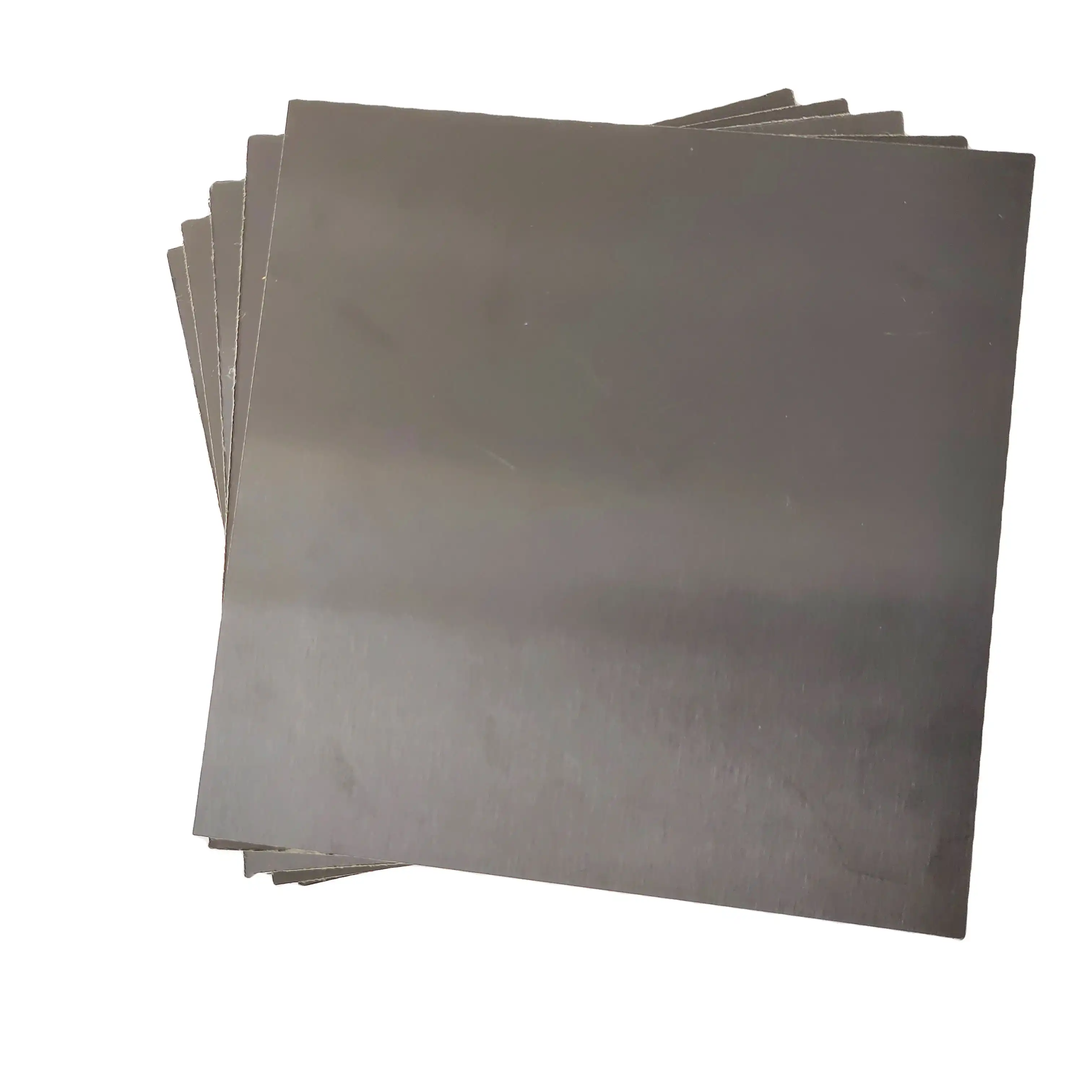
Understanding the Challenges of CNC Machining Bakelite Sheets
Why Bakelite Requires Specialized Machining Approaches?
The thermoset structure of bakelite makes it harder to machine than metals or thermoplastics. The cross-linked polymer matrix doesn't easily change shape, but when cut, it breaks apart in a brittle way instead of flowing like plastic. When CNC tools cut into a material, stress builds up at the cutting edge. This makes chipping and micro-cracking typical mistakes in processes that aren't well controlled.
Another very important issue is the production of heat during cutting. In service, Bakelite can handle temperatures up to 300°F (149°C), but localised heating during cutting can go above this limit, breaking down the resin and changing its colour. These temperature effects make the material less strong and less good at insulating electricity, which is a big problem in places where failure of the material isn't okay, like busbar isolators or fuse blocks.
The Business Impact of Edge Quality
Bad edge finishing causes trouble all along the supply chain. Chipped edges need to be deburred by hand, which takes longer and costs more in labour. Microcracks spread when there is mechanical stress or changes in temperature, which causes parts to fail early in the field. In controlled fields like power distribution, poor cutting can lead to compliance fails during quality checks, which can slow down orders and hurt relationships with suppliers.
When purchasing teams look at Bakelite providers, they need to know that the ability to machine directly impacts the total cost of ownership. It costs more in the long run to fix, scrap, and field fails when a provider offers lower sheet prices but uneven edge quality. When sellers know about these technical problems, they can ask suppliers the right questions during the screening process and include the right quality standards in their purchase orders.
Key Factors Affecting Edge Quality in Bakelite CNC Machining
Material Characteristics and Machining Parameters
Matching the process settings to the qualities of the material is what makes smooth edge cutting work. Due to its low fracture toughness and high hardness (110–130 Rockwell M), bakelite needs to be cut more slowly than metals. Spindle speeds of 3,000 to 6,000 RPM and feed rates of 50 to 150 mm/min are the best for getting rid of material and keeping the edges straight. Too much speed makes heat, and not enough feed leads to rubbing, which shortens the life of the tool and damages the finish.
Cutting profundity per pass has a big effect on the quality of the edge. When a single pass process goes deeper than 3 mm, it creates too much mechanical stress, especially near the edges of the sheet where there isn't much support. Progressive depth reduction, starting with roughing passes at 2-3 mm and ending at 0.5-1 mm, spreads the cutting forces more widely, which lowers the chance of breaking. This multi-pass approach makes the tools last longer and more accurately measure dimensions.
Cutting Tool Selection and Geometry
The material and shape of the tool for machining Bakelite sheet directly affect how the edge is finished. When working with rough phenolic laminates, carbide tools stay sharp longer than high-speed steel, and diamond-coated bits work better for large-scale production. It's not just the shape of the tool that counts. Positive rake angles (5–10 degrees) lower cutting forces and heat production, and sharp cutting edges (honed to 0.0005-0.001" radius) keep materials from tearing.
Tool makers now make bits that are made to work with phenolic materials. These bits have special flute shapes that help chips move away and keep the heat from building up. These custom-made tools cost more up front, but they keep the quality of the edge even after thousands of cuts, which lowers the cost per part in medium- to high-volume processes. Instead of just looking at the original buy price, procurement teams should look at how much the tool will cost overall, including how often it needs to be replaced.
Environmental Controls and Fixturing
Environmental factors have a big impact on the results of cutting, but they are often ignored. During Bakelite cutting, dust extraction systems must be on all the time because phenolic dust is both rough (it speeds up tool wear) and possibly dangerous (it needs to be properly ventilated). If you don't clean up the dust well enough, bits can build up on the cutting surfaces and cause friction, which makes heat and damages the edge finish.
Stable workholding stops flaws caused by vibrations. Because bakelite is so fragile, even small movements can cause chatter lines and edge breakout. During grinding, movement is kept to a minimum with vacuum tables, mechanical clamps with padding for safety, and support pieces placed close to the cutting zones. When compared to basic clamping methods, investing in precision fixturing cuts edge flaws by 40–60%. This is especially true when working with thin sheets less than 3 mm thick.
Effective Techniques to Achieve Smooth Edges on Bakelite Sheets
Pre-Machining Preparation Strategies
Before the spinning starts, good edge finishing starts. By letting Bakelite sheets stay stable at shop temperature and humidity for 24 to 48 hours, material preparation stops changes in size that could lead to uneven edges during cutting. During pre-machining checking, surface flaws, delamination, or resin-rich areas that could chip during cutting are found. This lets workers change the tool paths or replace the damaged material.
It's more important than most people think to have the material orientated correctly on the CNC table. Spreading out the sheets so that the cutting forces go into the supported areas instead of the free ends makes breakout less likely. When making slots or internal cutouts, cutting entry holes at the corners stops the stress that builds up when end mills go straight into solid material and causes cracks.
Multi-Pass Cutting and Climb Milling
Adopting multi-pass cutting techniques changes the standard of results at the cutting edge. Progressive depth reduction spreads the mechanical stress over several tool engagements instead of reducing the whole depth in one forceful pass. A common method starts with roughing passes that remove 60–70% of the material at modest feeds. This is followed by semi-finishing passes that lower the depth, and finally light finishing passes that remove only 0.2–0.5 mm of material at the best speeds for surface quality.
Climb milling, in which the movement of the cutter fits the direction of the feed, makes better edge finishes than regular milling. With this method, each tooth contact starts with the chip being as thick as it can be. This cuts down on rubbing and heat production. Cutting forces go into the material instead of lifting the edges, which keeps breaking to a minimum. Climb milling needs rigid machines and exact fixtures, but the better quality of the edge makes up for the extra setup time needed for expensive parts.
Post-Machining Edge Refinement
Post-machining processes for Bakelite sheet improve edge finish and get rid of small flaws even when the cutting settings are perfect. Fine abrasives (400–600 grit) used for manual deburring smooth out small flaws without taking away much material. Using clay media to round off the ends of large batches of parts in a tumbling process works well for small parts.
Automated edge finishing systems work right with production lines to polish important edges consistently while keeping limits tight. We've set up these systems for clients who make motor insulation parts and got edge finishes below 1.6 μm Ra (arithmetic average roughness) that meet the needs of the car industry. Investing in automated finishing pays off because it lowers labour costs and gets rid of the need for human error in applications that need to be precise.
Choosing the Right Bakelite Sheet Material and Supplier to Facilitate Machining Quality
Material Grade Selection and Specifications
Not every Bakelite sheet can be machined the same way. When made to NEMA Grade XX standards, high-pressure phenolic laminates have better density and physical stability than market grades. This means that the edges are smoother and chip less. Phenolics made from paper (Grade XXX) are easier to make than those made from fabric (Grade LE, CE), but fabric grades are stronger for building uses.
Machine results are directly affected by how consistent the thickness is across all sheet measurements. When suppliers keep thickness limits within ±0.2mm, cutting parameters stay the same across production runs. On the other hand, material with ±0.5mm variation needs constant parameter adjustments, which takes longer to set up and increases the number of defects. Resin content % affects both how easy it is to machine and how it reacts to heat. More resin content makes it easier to machine smoothly, but it also makes it less resistant to heat, so sourcing teams have to weigh the pros and cons based on the needs of the application.
Supplier Qualification and Partnership
Working with skilled providers is more than just comparing prices. Certified makers who follow ISO 9001 quality standards use process controls to make sure that each batch is the same, which is important for keeping machine settings stable. Suppliers who give material certificates, dielectric testing data, and measurement inspection records make things clear, which lowers the quality risks that come in.
Having access to expert help is what sets great providers apart from average ones. If problems appear during cutting, sources who know a lot about the material can offer changes to the grade, the parameters, or test samples of the material. We've built partnerships with clients by giving them pre-cut examples that can be tested for machinability before they commit to full production. This lowers the risk of buying something and speeds up the approval process.
Custom cutting services are another useful thing that suppliers can do. Pre-sizing sheets to almost-net sizes cuts down on the time, wear, and waste of cutting. Custom cutting increases the cost of processing, but the time and money saved on production often makes it worth it, especially for large-scale operations or complicated shapes that need little stock removal.
Troubleshooting and Preventing Common Edge Defects in Bakelite CNC Machining
Identifying Root Causes of Edge Chipping
Edge chipping of Bakelite sheet can happen in a number of ways, and each one needs a different set of repairs. Exit-side breakout happens when cutting tools come out of a material without enough support, which causes cracks along the path of the cut. This flaw can be fixed by adding backup boards or changing the tool paths so they approach from different directions. Corner chipping at sharp internal radii is a sign of too much stress, which can be fixed by making the corner radii bigger or adding relief cuts.
Material problems and process problems can be told apart with systematic analysis. When chipping is concentrated in certain areas of a sheet, it means that the material is flawed, possibly with delamination or resin gaps. This calls for feedback from the seller and tightening of the incoming inspection. All the parts breaking at the same rate is a sign of a problem with the process, like dull tools, too fast of feed rates, or bad fixtures. This can be fixed by adjusting the parameters and doing preventative maintenance.
Managing Thermal Effects and Discoloration
When there are dark or black lines along the sides of cuts, this is a sign that too much heat was generated during the cutting process. This flaw shows that the plastic is breaking down, which weakens the material's qualities and makes the electrical protection less effective. Lowering the spinning speed, the feed rate, or the number of breaks between cuts to cool down the machine lets heat escape before it does any damage.
Air blast cooling is a good way to control the temperature without adding water, which can make the dimensions less stable. Focused air streams that are directed at the cutting area remove heat and dust at the same time. Mist cooling systems that use suitable lubricants can help with some tasks, but it's important to choose the right fluid because many cutting fluids damage phenolic resins by making them grow or lose their surface. When liquid cooling is needed, we suggest water-soluble synthetics that are made especially for composite materials.
Preventive Maintenance and Process Documentation
Setting up plans for preventative maintenance gets rid of a lot of problems that keep happening. Regular tool inspections based on cutting hours or part counts make sure that tools are replaced before they get too worn out and lose their edge quality. Spindle runout checks make sure the machine is precise, since bearing wear that causes 0.001" runout has a big effect on the tolerances that can be met and the surface finish. Regular inspections of the fixtures find wear patterns that make workholding less effective.
Process documentation changes troubleshooting from reactive firefighting to proactive quality control. Writing down cutting parameters, tool specifications, and edge quality measurements for every production run creates baseline data that shows how parameters drift or materials change. When edge defects appear, the documented history makes it easy to find the root cause and take corrective action, which reduces the amount of waste and production delays.
Conclusion
Getting smooth edges in Bakelite sheet CNC machining requires paying attention to the material's properties, the process parameters, and the relationships between suppliers. Because phenolic laminates are brittle, they need controlled cutting speeds, sharp purpose-built tools, multi-pass strategies, and environmental controls that are very different from working with metal or thermoplastic. Edge quality has a direct effect on component reliability in electrical insulation applications, where failure can have serious safety and financial consequences. To make the best use of their supply chains, procurement teams should not only look at sheet price, but also look at suppliers' material consistency, technical support abilities, and demonstrated machining expertise. By following the strategies in this guide, manufacturers can get consistent, high-quality edge finishes that lower rework costs while improving product performance in a wide range of industrial settings.
FAQ
How can we be sure of the quality of the Bakelite sheet before we machine it?
Simple tests can tell you if Bakelite is real or fake. Its density is usually between 1.35 and 1.45 g/cm³, which can be measured using water displacement methods. The flame test is a quick way to tell if it's Bakelite because it doesn't melt but chars when exposed to flame, giving off a strong phenolic smell. Material certificates from suppliers should list the dielectric strength (at least 12 kV/mm), flexural strength, and moisture absorption rates. Asking for sample sheets for trial machining before placing large orders lets you see how different batches of material react to your CNC processes, revealing any problems before they affect production schedules.
How hot can something get during high-speed machining?
While Bakelite can withstand temperatures up to 300°F (149°C) in continuous service, temperatures can rise quickly in the cutting zone during aggressive machining. Keeping an eye on edge discolouration gives you visual feedback—light brown tints mean you're getting close to the thermal limits, while dark brown or black streaks show that the resin is breaking down. Using infrared sensors to monitor temperature helps you set safe parameter windows for your specific equipment and material grades. Keeping the cutting zone temperature below 250°F provides comfortable safety margins while keeping material removal rates high.
Why should we buy custom-cut sheets from companies that specialise in them?
Custom-cut services are more than just convenient. Pre-sized sheets cut machining time by 30–50%, which lowers tool wear and energy costs while increasing throughput. Suppliers who use water jet or precision shear cutting give better starting edges than rough-sawn material, making better foundations for finish machining. Factory cutting is more accurate in terms of dimensions (usually ±0.5mm) than hand-held methods, which makes part-to-part consistency better. While custom cutting costs more, the savings in production efficiency, less waste, and better quality often make up for it, especially for high-volume operations or complex geometries that only need a small amount of stock removal.
Partner With J&Q for Superior Bakelite Sheet Solutions
J&Q has been making and supplying high-quality phenolic laminates to the electrical, industrial and automotive sectors around the world for more than 20 years. We offer a wide range of materials, including paper-based and fabric-reinforced Bakelite sheet grades that are designed for CNC machining applications that need precise edge quality and dimensions. We know the technical challenges that procurement teams face, which is why our in-house testing facilities check the dielectric strength, dim
Our approach is different because we offer integrated supply chain support. In addition to providing materials, we also offer custom cutting services, technical advice on machining parameters, and free sample programs that allow for thorough qualification testing. Our logistics capabilities provide one-stop service from placing an order to receiving delivered components, eliminating the need for coordinating with multiple vendors. Whether you're looking for switchgear insulators, transformer spacers, or motor components, our team works directly with your engineering and procurement staff to determine the best material grades and dimensions.
Contact our technical experts at info@jhd-material.com to talk about your specific application needs. We'll give you competitive quotes, material suggestions, and machining parameter guidelines, all backed by consistent quality and on-time delivery. As a well-known Bakelite sheet manufacturer that serves global markets, J&Q has the expertise and material integrity that your precision applications need.
References
Baekeland, L.H. (1909). "The Synthesis, Constitution, and Uses of Bakelite." Journal of Industrial and Engineering Chemistry, Volume 1, Issue 3, pp. 149-161.
Michaeli, W., Greif, H., Kaufmann, H., & Vossebürger, F.J. (2003). "Machining of Thermoset Composites: Fundamentals and Best Practices." Hanser Publications, Munich.
National Electrical Manufacturers Association (2018). "Industrial Laminating Thermosetting Products - NEMA Standards Publication LI 1-2018." Rosslyn, Virginia.
Smith, G.T. (2016). "Industrial Metrology: Surfaces and Roundness." Springer International Publishing, Chapter 8: Composite Material Machining.
Trent, E.M. & Wright, P.K. (2000). "Metal Cutting: Fourth Edition." Butterworth-Heinemann, Boston, Section on Non-Metallic Materials.
Zhang, L.C., Mahdi, M., & Huo, D. (2007). "Micro-Machining of Engineering Materials." Journal of Materials Processing Technology, Volume 189, Issues 1-3, pp. 1-8.

Get a complete product list and quotation

J&Q New Composite Materials Company



