FR4 Sheet Drilling Guide: Tools, Speed, and Accuracy Tips
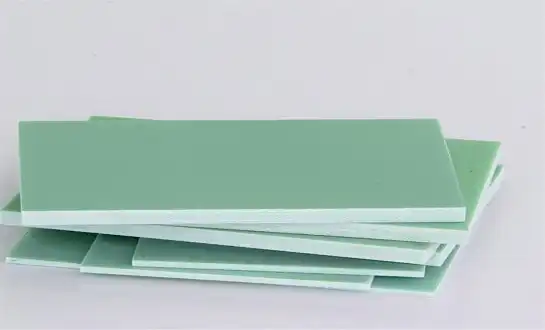
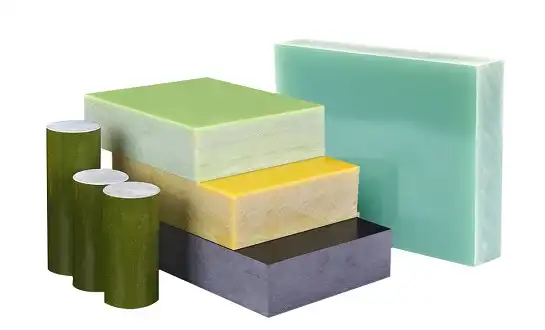
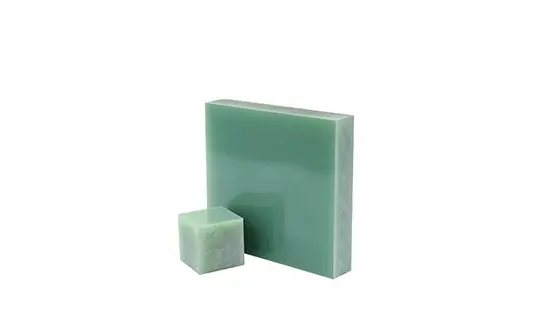
To get holes that meet current standards for electronics manufacturing, drilling FR4 sheet material needs to be done with great accuracy, using the right tools, and using process factors that have been measured. This composite material is made up of knitted fibreglass cloth that has been mixed with flame-retardant epoxy glue. It needs to be drilled in a certain way to keep the dimensions accurate and the tool lasting longer. If engineering teams and purchasing managers know these basic drilling rules, they can cut down on scrap by a large amount, speed up production, and make sure that strict quality standards are met in PCB manufacturing and industrial insulation.
Understanding FR4 Material and Its Impact on Drilling
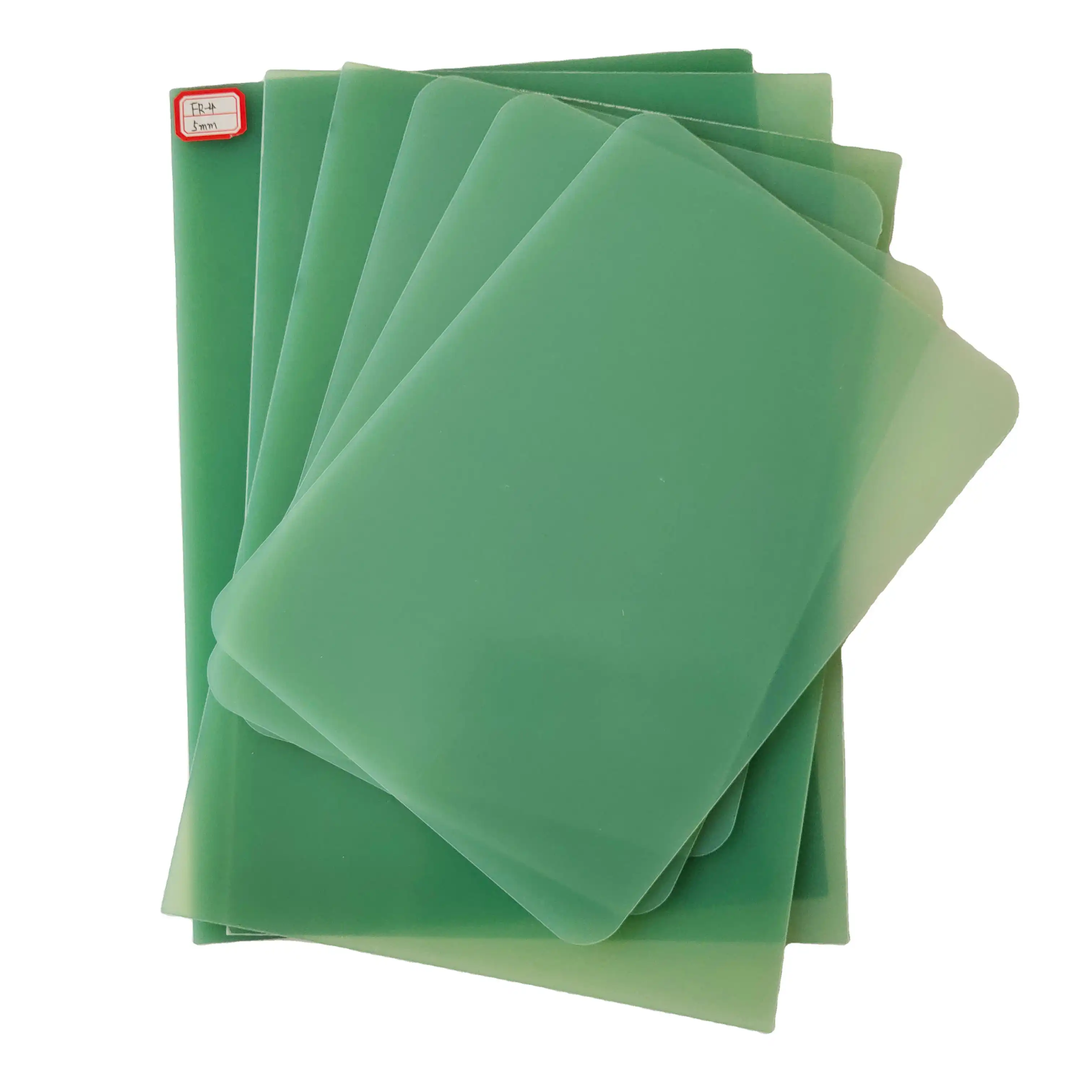
FR4 is the standard for electrical shielding materials because it has the best mix of mechanical strength, heat stability, and insulating performance. The unique makeup of the material has a direct effect on how drilling activities must be planned and carried out.
Material Composition Affects Drilling Behavior
The fibreglass support in epoxy glue makes a very rough base that wears tools down faster than softer materials. As the drill goes deeper, it hits multiple layers of twisted glass fibres that are orientated in different directions. This makes the cutting resistance change as the drill goes deeper. Because the structure is stacked, drilling plans need to take into account both the glass that breaks easily and the flexible epoxy matrix that melts when heated. Knowing this helps workers choose the right cutting tools and cooling methods that deal with both heat control and resistance to wear at the same time.
Thermal Properties Demand Temperature Control
The thermal conductivity of FR4 is much lower than that of metal surfaces. This means that heat from drilling moves slowly through the material. This feature makes temperature zones around the drill bit that can be higher than the epoxy resin's glass transition temperature. This can cause smearing, thermal cracking, or delamination at the edges of the holes. To keep temperatures below critical levels, effective drilling methods use both through-tool cooling supply and optimised spinning speeds. It's especially important to keep an eye on thermal effects when working with thicker laminates or high-density drilling designs, where heat builds up over time.
Electrical Properties Influence Hole Quality Requirements
Because of its dielectric constant and dissipation factor, FR4 is perfect for signal transfer. However, the quality of the holes in it has a direct effect on how well it conducts electricity. Rough hole walls add to the surface area and can trap dirt, which lowers the insulation's resistance. In controlled-impedance circuits, delamination makes air holes that change the impedance properties. When purchasing professionals look at drilling capabilities, they should make sure that sellers follow the specs for hole wall hardness and do regular cross-sectional analysis to find underground damage that could weaken the electrical integrity of final parts.
Choosing the Right Tools for Drilling FR4 Sheets
Choosing the right tools is the most important part of drilling epoxy laminates successfully. Finding the right mix of drill bit material, shape, and support equipment is what makes the difference between meeting quality goals and keeping tool life costs low.
Carbide Drill Bits Offer Optimal Value
Because it is hard, tough, and affordable, solid carbide equipment has become the standard for FR4 sheet cutting. Despite having thousands of holes in it, the material keeps its sharp cutting edges and doesn't wear down easily like high-speed steel does. Modern grades of carbide have specific grain structures and cobalt binder formulas that make them best for composite cutting. When specification teams choose carbide drills, they should make sure that the company makes tools that are specifically made for FR4 uses instead of general-purpose bits. This is because shape details like helix angle, point angle, and web width have a big effect on how well the drills work in fibreglass laminates.
Drill Geometry Must Match Application Requirements
Point shape controls how the drill starts to penetrate and how it removes chips during the cutting cycle. For through-holes in thin laminates, standard two-flute designs work fine, but for more difficult tasks, specialised shapes work better. Undertake drills have a special self-centering tip that keeps you from walking when you enter, which is very important when accurate placement affects electrical connection. Parabolic flute shapes help chips move out of deep holes more quickly, which stops chips from packing together, which creates too much heat and causes the tool to break too soon. Cutting forces are spread out more evenly with multi-faceted point grinds, which makes them last longer when drilling with rough grades or working with stacked laminates that have many entry and exit points.
CNC Systems Enable Consistent Production Quality
Modern electronics production needs consistency because hole positions are often only a few micrometres off. Automated drilling platforms provide that. Computer numerical control systems keep machine speeds and feed rates steady during production runs. This gets rid of the differences that come with doing things by hand. Modern machines have vision alignment systems that fix mistakes in placing or material growth, making sure that made holes line up perfectly with pad locations. When purchasing managers look at different providers, they should check to see if the drilling equipment has real-time tracking features that can find broken or worn tools. These features stop production from continuing with faulty tools that make holes that don't meet specifications.
Optimizing Drilling Speed and Feed Rate for Accuracy and Efficiency
The balance between output and hole quality is directly controlled by the process factors. Careful optimisation of spindle speed and feed rate stops common mistakes and gets the most out of the machine and its tools.
Spindle Speed Requirements Vary with Hole Size
No matter what diameter the drill is, the surface speed at the cutting edge should stay within certain ranges. This means that smaller drills need relatively higher spinning speeds. For best surface footage, spindle speeds above 100,000 RPM are usually needed for holes smaller than one millimetre. Spindle speeds between 30,000 and 60,000 RPM work well for holes with bigger sizes. Running at speeds below what is recommended creates too much cutting force that leads to delamination at the exit, and running at speeds above what is recommended makes too much heat that can't be cooled down quickly enough. When engineers are making drilling plans, they should look at the manufacturer's instructions for the right tool thickness and make changes based on the quality of the holes they drill and how the tools wear during production runs.
Feed Rate Balances Productivity with Surface Finish
The chip width and, by extension, the heat produced per cutting edge contact during FR4 sheet machining are controlled by how fast the cutting edge moves through the material. While aggressive feed rates boost output, they also pose the risk of overworking smaller tools and making hole walls that aren't smooth. Conservative feeds make tools last longer, but they may hurt quality because they let the drill stay in the cut longer, which builds up heat. Most of the time, feed per revolution is used instead of pure feed rate. Values usually fall between 50 and 150 micrometres per revolution, based on the width of the drill and the thickness of the object. Manufacturers who care about quality do capacity studies to find the best feed rate window that meets the needs of the surface finish while still allowing for a good output flow.
Common Mistakes Undermine Drilling Performance
Several mistakes that happen over and over again lower the quality of holes and make production more expensive across the board. When the same factors are used on different material thicknesses, it doesn't matter that deeper cuts make more heat and need different cooling settings. Not slowing down when drilling near board edges or holes doesn't take into account the fact that there is less structural support, which raises the risk of breakout. If you keep working on something after the drill bits have made more holes than they are supposed to, the quality will slowly get worse, and you might not notice until the assemblies fail electrical testing. To fix these problems, you need to create detailed process documentation that lists parameters for each combination of material thickness and drill diameter, along with tool management systems that make sure tools are replaced at regular intervals based on actual hole counts instead of random times.
Enhancing Drilling Accuracy and Hole Quality in FR4 Sheets
Paying attention to machine tuning, advanced tooling features, and thorough quality testing procedures is necessary to get the accuracy needed for modern electronics.
Machine Calibration Maintains Positional Accuracy
Drilling equipment loses accuracy over time because mechanical parts wear out and expand and contract as they work. Spindle bearings get loose, which lets the drill move laterally; lead screws get backlash, which makes it harder to repeat the position; and structural parts move when the temperature changes. With the help of precise test tools and regular testing programs, these differences are found before they get too big. Responsible makers use preventative maintenance plans that check the geometric accuracy of their machines using laser interferometry or ball bar testing. This keeps the machines' ability to place holes within the tight limits needed for high-density connection applications.
Advanced Drill Features Improve Consistency
Through-coolant delivery systems move fluid directly through tubes inside the drill body. This is better at getting rid of chips and keeping the temperature stable than external flood cooling. When working with thick laminates or high-aspect-ratio holes, where chip removal becomes much harder, this technology becomes important. Step drill designs use more than one diameter in a single tool. They make test holes that guide the next sizes and lower the load on the cutting edges of the final size. When drilling stacked parts or materials that tend to move around, these special tools are especially helpful because the starter diameter sets a straight path that limits the finishing diameter.
Post-Drilling Inspection Catches Quality Issues
Visual inspection of FR4 sheet can find clear flaws like delamination or heavy burring, but more advanced methods are needed to confirm damage below the surface. Automated Optical Inspection systems look through every hole and measure its width, position, and circularity. They also look for cracks or resin smearing that human inspectors can't see. An X-ray shows interior delamination between the laminate layers that might not be visible on the entry or exit surfaces. Statistical process control programs keep an eye on changes in dimensions over the course of multiple production runs. This lets you know early on when tool wear starts to affect the width of holes, so you can fix the problem before the parts fail to meet specifications. These quality systems give buying workers more faith that the materials they buy will always meet the needs of the application, no matter how many they order.
Practical Case Studies and Tips for Bulk FR4 Sheet Drilling Projects
Real-life examples show how making smart choices about tools and processes can lead to measured changes in output quality and cost efficiency.
Case Study: Extended Tool Life Through Parameter Optimization
When working with standard grade laminates of middling thickness, an electronics company that made industrial control boards had to change drill bits more often, which drove up costs. Analysis showed that slow feed rates meant to extend tool life actually caused it to break too soon by increasing heat exposure. The facility lowered the drill's temperature by 18% by raising the feed per rotation and putting in place through-spindle cooling supply at the same time. This change increased the average tool life from 1200 holes per drill to over 2000 holes per drill, which cut the cost of tool replacement by a large amount while keeping hole quality standards. The case shows how changing parameters in a way that doesn't make sense, based on temperature analysis instead of assumptions, can lead to big efficiency gains.
Procurement Considerations for Material Sourcing
When choosing sources for big laminate sales, you need to look at more than just unit price. Tolerances in material thickness directly affect how well drilling works, since too much difference requires frequent parameter changes or leads to holes of different quality. When you get certified to well-known standards like IPC-4101, you can be sure that the electrical strength, flammability grade, and physical stability all meet set standards. When production plans rely on materials being available, lead time dependability is very important. This means that source capacity and stocking practices are important evaluation factors. Established makers with decades of experience making materials usually have better process control and more thorough quality paperwork than younger companies that just got into the market. These are things that affect the total cost of ownership after the initial purchase price.
As environmental responsibility becomes more important in government rules and business responsibility programs, sustainable manufacturing practices become more important in purchasing decisions. As limits on brominated flame retardants grow, suppliers who offer halogen-free formulas meet those needs while keeping performance standards. Buying groups can meet their own environmental goals when manufacturers use closed-loop water recycling and green energy in their production processes. These things, along with technical specs and business terms, help choose suppliers in a way that balances short-term practical needs with longer-term strategy goals like making the supply chain more resilient and lowering the environmental effect.
Conclusion
To drill FR4 sheet composite laminates successfully, you need to know about the features of the material, choose the right tools, make sure the process factors are optimised, and have strict quality controls in place. Because the glass support is rough and the epoxy glue is sensitive to heat, you need carbide tools that are made just for fibreglass composites. To keep output high while controlling heat production, the spindle speed and feed rate must be carefully matched. These factors are changed based on the hole width and the thickness of the material. Advanced features, such as through-coolant supply and step drill shapes, help solve specific problems in tough situations. Using both optical and radiological means, thorough inspection processes make sure that the quality of the holes meets the high standards of modern electronics assembly. This builds trust throughout the supply chain, from producers of materials to makers of finished goods.
FAQ
What kind of drill bit is best for going through FR4?
For glass-reinforced epoxy laminates, solid carbide cutting is the best choice because it is hard, tough, and affordable. The material stays sharp even after thousands of holes are drilled in it, and the fibreglass support doesn't wear it down. When used in very large quantities, diamond-coated bits last longer, but they are more expensive and might not be worth the extra money for smaller production runs. Steel high-speed drills wear out too fast to be cost-effective, unless they are used for prototypes or very small amounts of work.
How can I keep the drill from getting too hot?
For thermal management to work, both the cutting settings and the cooling must be just right. By keeping the suggested surface speeds, you can keep the temperature from rising too high, and through-spindle water is better at controlling the temperature than external flood cooling. Cutting down on holding time by improving feed rates keeps heat from building up. When working with thick laminates or cutting dense hole designs, letting the material cool down for a short time between drilling rounds stops the temperature from building up and breaking down the resin.
Should small-batch production be done in-house or by someone else?
The choice is based on the skills of the accessible tools and a study of the total cost. By outsourcing, you don't have to spend money on expensive CNC cutting systems, and the quality risk is taken over by well-known service providers who have a track record of controlling the process. When you make things in-house, you can better control the plan and avoid having to order minimum amounts that are higher than what you need. Companies that already do machining can often add composite drilling without spending a lot of money. Companies that don't have the right tools will usually find it cheaper to outsource their small-batch needs.
Partner with J&Q for Superior FR4 Sheet Solutions
J&Q has been making and selling high-quality soundproofing products to businesses all over the world for more than twenty years. Because we know a lot about the features of composite laminates, we can help engineering teams choose materials that are perfect for their drilling needs. As a well-known provider of FR4 sheets, we make sure that the width limits and material features stay the same throughout production. This makes sure that the sheets are easy to machine and have good hole quality. Our combined transportation skills allow for more efficient delivery schedule, which keeps production lines going smoothly without having to pay extra for extra goods. We help buying workers and engineering managers with detailed paperwork, material certifications, and quick contact that meets the needs of each project. Email our team at info@jhd-material.com to talk about your laminate needs and find out how our experience in manufacturing and supply chain can help your production.
References
Institute for Printed Circuits. "IPC-4101E: Specification for Base Materials for Rigid and Multilayer Printed Boards." IPC International Standards, 2019.
Chambers, R.L. "Tool Wear Mechanisms in Drilling Fiber-Reinforced Composites." Journal of Manufacturing Science and Engineering, Vol. 138, No. 4, 2016.
National Electrical Manufacturers Association. "NEMA LI 1-1998: Industrial Laminated Thermosetting Products." NEMA Standards Publication, 1998.
Wong, K.H. and Chen, L. "Thermal Effects in High-Speed Drilling of Glass-Epoxy Composites." International Journal of Advanced Manufacturing Technology, Vol. 72, pp. 1453-1462, 2014.
Electronic Industries Alliance. "EIA-469: PCB Drilling Guidelines and Quality Control Methods." Electronic Components Industry Association, 2017.
Patterson, M.J. "Optimizing Feed Rates and Spindle Speeds for Composite Material Drilling." Manufacturing Engineering Research Quarterly, Vol. 21, No. 3, pp. 187-203, 2018.

Get a complete product list and quotation

J&Q New Composite Materials Company