Phenolic Cotton Sheet Machining: CNC Tips for Better Precision
To get very accurate results when cutting phenolic cotton sheet, you need to know both the special features of the material and the CNC methods that can help you use it to its fullest. This high-pressure structural laminate is an important tool in the electrical, automobile, and industrial machinery industries. It is made by immersing knitted cotton cloth in phenolic resin under extreme heat and pressure. To master the CNC machining process, you have to deal with problems like chipping along the edges and tool wear while also finding the best cutting settings to make parts that are the right size and meet strict requirements.
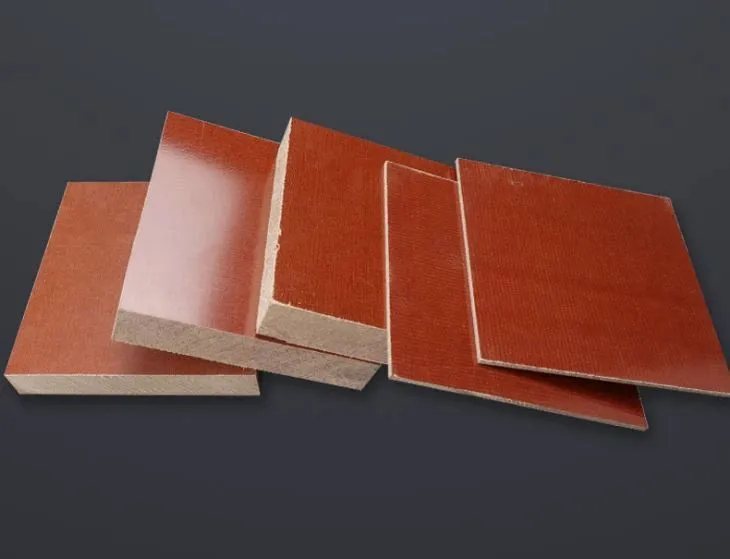
Understanding Phenolic Cotton Sheets and Machining Challenges
Phenolic cotton cloth laminate is a high-tech building answer made by mixing phenolic resin binders with cellulose cotton fibres. Several layers of cotton cloth are soaked in liquid phenolic resin during the production process. The assembly is then heated to over 150°C and put under a lot of pressure. By heating the mixture, cross-linked polymer networks are made, which hold the cloth support together and make the composite hard and stable in its shape.
This material is different from others like phenolic paper laminates or fibreglass sheets because it has a great mix between being strong and insulating electrically. The cotton fibre support makes these sheets more resistant to impact than paper-based versions. This makes them perfect for use as mechanical spacers, gears, and wear strips in industrial equipment. Cotton fibres naturally dampen noise and shaking, which is a huge benefit in uses involving precise machinery.
Material Properties That Impact Machining
The way phenolic cotton laminates are made is directly affected by their physical properties. The dielectric strength of these sheets is very high, usually between 8 and 12 kV/mm perpendicular to the lamination plane. This makes them perfect for insulating transformer parts and switches. In bending tests, mechanical strengths often go above 120 MPa, which means they can hold structures under constant load.
When CNC is being used, heat protection is very important. Up to about 140°C, the phenolic resin core keeps its shape, but the heat produced by friction during cutting can get close to these temperatures. Low moisture absorption—usually less than 1.5% by weight—ensures uniform machinability in a range of external conditions, stopping the changes in size that happen with hygroscopic materials.
Common Machining Difficulties
Even though these are all good qualities, making phenolic cotton sheets is difficult and needs careful solutions. Edge chipping happens when cutting tools leave the material, mostly at corners and thin parts. This is because the finished resin matrix is very weak. Cutting forces that pull fibre layers apart can cause surface delamination. This is especially likely when using old tools or the wrong feed rates.
The cutting edges of the hard resin-fiber combination rub against each other, which speeds up tool wear more quickly than when working with metals. The glue creates sticky leftovers that stick to tools and make cutting less effective and the surface finish worse. Anisotropic machining is caused by the position of the fibres in the laminate. Cuts that are parallel to the fibre layers behave differently than cuts that are perpendicular to the fibre layers, so parameters need to be changed depending on the cutting direction.
Different from phenolic paper sheets, cotton sheets need stronger tools and slower cutting speeds because they are tougher. When compared to fibreglass laminates, phenolic cotton machines cleaner and with fewer particles in the air, but it still needs good dust management systems to keep the workplace safe.
CNC Machining Principles for Phenolic Cotton Sheets
Choosing the right CNC tools and knowing how important parameters relate to each other are the first steps in building a strong base for precision cutting of phenolic cotton sheet. The construction of the machine affects the results. For example, rigid gantries and strong spindle bearings keep the dimensions of the finished product accurate across production runs by reducing movement during cutting.
Machine Setup and Parameter Optimization
When choosing a spindle speed, you have to balance how well it cuts with how much heat it makes. For cutting tasks with carbide tools, speeds between 15,000 and 24,000 RPM usually work well, making clean cuts without too much heat buildup. Lower speeds can tear fibres, while higher speeds make heat that softens the resin matrix and makes it easier to load the tool.
Care must be taken to calibrate feed rates based on the width of the tool and the depth of the cut. Aggressive feeds shorten cycle times but raise cutting forces that can separate layers. Conservative feeds improve the finish on the surface, but they also make production take longer and may heat up because of friction. For general grinding tasks, a balanced method usually involves feed rates of 1.5 to 3.0 meters per minute, which can be changed depending on the shape of the part.
Tool path writing has a big effect on the quality of the end part. When the feed direction fits the movement of the cutter, the edge quality is usually better because the fibres are pushed into the material instead of being pulled upward. Some jobs can still be done with conventional milling, but the tools need to be sharper to keep the fibres from pulling out.
Tooling Selection and Maintenance
For reliable phenolic cotton grinding, the bare minimum is to use carbide cutting tools. These tools keep their sharp cutting edges for longer than high-speed steel tools, which means that tools don't have to be changed as often during production. Diamond-coated carbide cuts make tools last even longer, which is especially helpful for making a lot of parts, where the cost of tools has a big effect on the economics of each part.
Shape of the tool is just as important as the make-up of the material. Positive rake angles lower the cutting forces and lower the risk of delamination, and good clearance angles stop grinding, which creates too much heat. When making vertical cuts, spiral upcut end mills effectively remove chips, and when making through-cuts, compression bits that combine upcut and downcut spirals reduce both top and bottom surface splintering.
Wear is caught early on in regular inspections, before it hurts the quality of the part. When looked at closely under a microscope, edge rounding and micro-chipping are visible signs that the part needs to be replaced. By measuring important measurements on test cuts, you can see how the accuracy is slowly going down, which is a sign that tool problems are starting to appear.
Workholding and Vibration Control
There are specific ways to secure phenolic cotton sheets without damaging them. The binding forces on vacuum tables are spread out evenly over a big surface area. This gets rid of the stress spots that can break weak materials. The amount of vacuum pressure needs to be carefully controlled. Not enough pressure lets the workpiece move, but too much pressure can bend thin sheets.
Dedicated clamps with phenolic or rubber touch areas keep the edges of sheets from getting damaged and hold them securely. Putting clamps outside the cutting path keeps tools from running into each other and lets you machine the whole part profile. Supporting thin sheets with temporary backing boards keeps them from bowing when they're being cut, so the required level of flatness is maintained throughout the machining process.
When working with big phenolic cotton sheet or small details, vibration damping is very important. Even machines that are well taken care of make resonances that move into the workpiece and leave chatter marks on finished surfaces. When you hold the sheet correctly and choose the right cutting parameters, the vibrations are kept to a minimum. This lets you make surfaces that meet strict finish standards without having to do any extra work.
Step-by-Step CNC Machining Process for High Precision
A planned process is used to turn raw phenolic cotton sheets into precise parts, and quality is checked at every step of the way. This organised method lowers the amount of waste while making sure that parts always meet engineering standards.
Pre-Machining Material Inspection
Good results start before the first cut. A visual inspection finds clear flaws in the raw material, such as holes, foreign particles, or delamination. If these flaws aren't found early, they will affect finished parts, so inbound checking is an important quality gate.
Dimensional checking makes sure that the sheet's width meets the requirements and stays the same across the whole panel. When tight standards are used, differences in thickness as little as 0.1 mm can change the end part's dimensions. To make sure the material is regular, micrometre readings should be taken in more than one place. When important uses need it, testing the moisture content of sheets makes sure they have reached a stable amount of wetness that won't change during or after cutting.
Programming and Setup Verification
CNC programming takes into account things about the material that general code models don't. By choosing the right cut levels, you can keep your tools from getting too hot. Often, multiple short passes give better results than a single strong cut, especially for features with a lot of detail. When the fibre direction is known, it should be taken into account in programmed tool paths. For cuts that go against the grain, the parameters should be changed.
Before production starts, dry runs with the spindle turned off make sure that the tool tracks don't hit any clamps or fittings and do all the tasks that were planned. This example finds mistakes in the code without having to use expensive materials or tools. Accurately setting up tool length offsets and work coordinate systems is the first step in making sure that parts are the right size.
Executing Precision Cuts
When cutting, you have to pay close attention to real-time signs that problems are starting to appear. Monitoring the spindle load gives you information about the cutting conditions. Sudden increases in load can mean that the tool is becoming dull or that the settings are not right, and too much shaking can mean that there are problems with the workholding or resonance that need to be fixed right away.
Which milling technique to use relies on the features that are being made. Trochoidal tool tracks keep contact angles constant, which lowers tool stress and heat generation during pocket clearing operations. Most of the time, climb milling with multiple finish passes is used for perimeter shaping to get the desired surface quality. In order to keep chips from packing together and causing breakout or drill drifting, drilling processes need peck cycles with frequent retraction.
Managing the heat for phenolic cotton sheet goes hand in hand with cutting. Compared to some materials, phenolic cotton machines are pretty cool. However, cutting for a long time builds up heat that affects the stability of the dimensions. During long processes, short cooling breaks let heat escape, keeping the material's qualities stable throughout the cycle. Compressed air aimed at the cutting area cools the area and helps the chips leave the work area.
Post-Machining Finishing
After being machined, parts need to be finished to get rid of burrs and make sure they fit correctly. Deburring gets rid of the fibre whiskers and sharp edges that form when you cut, making the parts safe to handle and easy to put together. Most deburring jobs can be done with light abrasive treatment or rolling without changing important dimensions.
Using precise measuring tools to check the dimensions of finished parts makes sure they match the requirements in the drawing. When inspecting complicated shapes, coordinate measuring machines are the best way to go, but hand tools are fine for smaller parts. When you measure parts while they are still at the cutting temperature and then again after the temperature has stabilised, you can see if there is any measurement shift caused by the leftover machining heat.
By checking sample parts mechanically, we can be sure that the cutting methods haven't changed the qualities of the material. Testing for flexural strength makes sure that cutting hasn't caused delamination, and testing for dielectric strength makes sure that the electrical performance stays the same. These quality checks give people more faith that the parts will work reliably in the ways they were designed to.
How to Optimize CNC Machining for Various Applications?
Machined phenolic cotton parts have to meet different needs depending on their final use. This means that optimisation methods need to be specially designed to balance performance with cost.
Application-Specific Parameter Tuning
Heavy-duty parts for industrial tools put mechanical strength and stable dimensions under pressure at the top of their list of priorities. Moderate cutting speeds and rates that don't produce too much heat or cutting forces are used to machine these parts so that damage to the subsurface is kept to a minimum. Maintaining the material's full mechanical qualities is more important than the finish on the surface; slightly rougher surfaces are acceptable in exchange for maximum strength retention.
Different things need to be done for different electrical protection components. The quality of the surface affects how well electricity works because rough surfaces let tracking and flashover happen. Sharp tools and fine finish passes that make smooth surfaces while keeping exact thickness specs are helpful in these situations. The uniformity of the dimensions has a direct effect on how well the insulation works, which makes measuring and controlling the process very important.
For aesthetic uses, which are less common for industrial laminates, the surface must look perfect. To get decorative-quality finishes, you need very sharp tools, slow finish feeds, and maybe even extra finishing steps that get rid of all machine marks. These parts give up speed of production for perfect looks, which is fine when looks add to the value of the product.
Batch Production Considerations
Going from a prototype to mass production of phenolic cotton sheet brings problems that can't be solved with single-part machining. Over many batch runs, tool wear builds up and starts to affect the accuracy of the dimensions and the quality of the surface. Monitoring the life of tools, either by counting the parts or inspecting them on a regular basis, makes repairs necessary before wear damages parts. By planning tool changes for natural breaks in production, flow is kept up and scrap from worn-out tools is avoided.
When buying materials for more than one production lot, the regularity of the materials between runs changes more. Even sheets made by the same company can have small differences in their properties from batch to batch, which could affect how they work when they are machined. Each new batch of materials is tested to make sure that the settings that have been set up before still produce good results. Any changes are written down so that they can be tracked.
Machine plan optimisation makes the best use of tools while keeping quality standards high. Putting together groups of similar parts cuts down on setup changes, and smart ordering can let you process more than one part number with a single setup. To find the best balance between batch sizes and stocking prices, you need to know about both the economics of making and how customers usually want to buy things.
Cost-Efficiency Strategies
The use of materials has a direct effect on the prices of parts. Nesting parts effectively on sheets cuts down on waste, but fibre direction tastes can get in the way of ideal nesting. Advanced stacking software figures out plans that combine the yield strength of the material with the directional strength requirements. This way, both technical and economic needs are met.
Using the right tools is another big cost driver. Premium diamond-coated tools cost more at first, but because they last longer, they often cost less per part than carbide tools that need to be changed more often. The most cost-effective choice for certain production situations can be found by adding up the total cost of ownership, which includes the price of the tool, how long it lasts, and the cost of hiring new workers to do the work.
The level of quality control goes up as the application becomes more important. When parts are used in safety-critical situations, they need to be inspected in a way that would not be practical for less demanding situations. Risk-based inspection methods use close inspection when mistakes are very bad and statistical sampling when mistakes aren't as dangerous. This makes the best use of quality assurance resources.
Conclusion
To accurately machine phenolic cotton sheet, you need to know about their special features and the best CNC techniques for dealing with their problems. By choosing the right tools, adjusting the parameters, and keeping an eye on the whole process, it is possible to make parts that are correct in size and work well in a variety of electrical, mechanical, and industrial settings. Consistent industrial success is built on how well the materials are chosen, how they are machined, and how well the company works with its suppliers. As more uses call for tighter standards and better surface quality, improving these cutting methods is still necessary to stay ahead of the competition in the making of industrial parts.
FAQ
Why are phenolic cotton sheets better for CNC cutting than other composites?
When compared to paper-based phenolic sheets, phenolic cotton laminates are more resistant to pressure. This means they are less likely to break during cutting or in service. The cotton fibre support is stronger than fibreglass in industrial uses and still does a good job of insulating electrically. The material is easier to work with than fibreglass and makes less dangerous dust. It also costs less than high-performance composites and meets the needs of many commercial uses.
How can I make my tools last longer when I'm cutting phenolic cotton sheets?
It is very important to keep the cutting edges of your tools sharp. Tools that are dull produce too much heat and cutting forces, which speed up wear. Cutting at the right speed stops both the fibres from breaking at too-slow of speeds and the heat buildup at too-fast of speeds. Using climb milling lowers the cutting forces, and cleaning the tools regularly gets rid of resin buildup that hurts performance. Tools made of carbide or diamond coating naturally last longer than tools made of high-speed steel. This makes up for their higher starting cost because they last longer.
Does the change in sheet width have a big effect on the accuracy of machining?
When cutting involves removing the surface, differences in thickness have a direct effect on the end size of the part. If you don't measure and program each piece individually, a sheet that changes thickness by 0.2 mm will make parts that change size by the same amount. This variation makes stack tolerancing in parts harder, and it might take extra steps to meet the end requirements. This variable is taken out of the equation and process control is made easier by choosing suppliers with tight thickness limits (ideally ±0.1mm or better).
Partner with J&Q for Superior Phenolic Cotton Sheet Solutions
Precision cutting needs precise materials, and J&Q has approved phenolic cotton sheet goods that are designed to work with CNC machines. Because we've been in foreign trade for over ten years and have been making things for twenty years, we know both the technical needs and buying problems that electrical makers, machinery builders, and industrial designers face. We keep very close limits on thickness and give you detailed technical data sheets that make it easier for you to build your process and check the quality.
Working with our own transportation department means that delivery times are simplified, which helps you plan your production, whether you need small amounts to test or large orders to keep making things. Our expert team can help you choose the right material and get the best results from your cutting, so you can get the exact dimensions and high-quality surface that your uses need. Email info@jhd-material.com to talk about your unique needs, ask for examples, or get full quotes. As a well-known provider of phenolic cotton sheets, we're dedicated to helping your industrial business succeed by providing quick service and high-quality materials that meet international standards such as UL and ROHS compliance.
References
Feldman, D., & Barbalata, A. (1996). Synthetic Polymers: Technology, Properties, Applications. London: Chapman & Hall.
Kohan, M. I. (2003). Industrial Laminates: Properties and Applications of Phenolic Composites. Materials Engineering Monographs, Volume 18.
Mallick, P. K. (2007). Fiber-Reinforced Composites: Materials, Manufacturing, and Design (3rd ed.). Boca Raton: CRC Press.
Peters, S. T. (1998). Handbook of Composites (2nd ed.). Boston: Springer Science & Business Media.
Shaw, M. C. (2005). Metal Cutting Principles (2nd ed.). Oxford: Oxford University Press. [Adapted for composite machining applications]
Teti, R. (2002). "Machining of Composite Materials." CIRP Annals - Manufacturing Technology, 51(2), 611-634.

Get a complete product list and quotation

J&Q New Composite Materials Company



