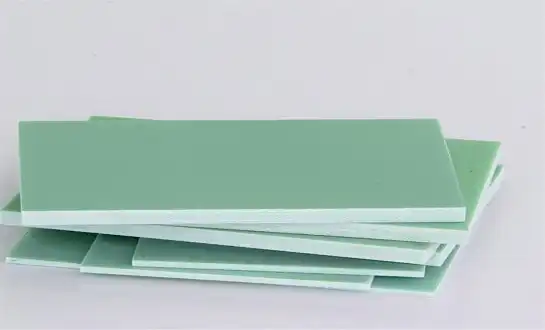
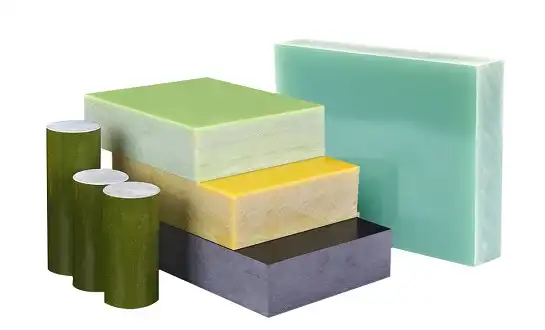
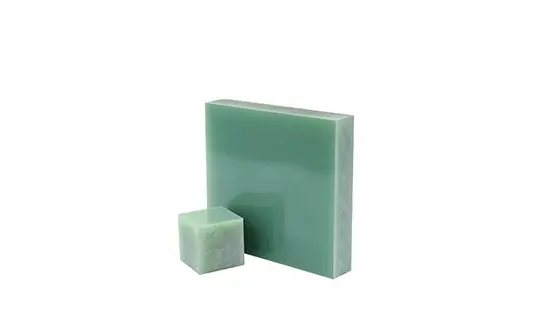
FR4 CNC Routing vs Milling: Which Process Works Better?
When making things out of FR4 sheets, choosing between CNC routing and milling relies on how much you need to make, how precise you need the parts to be, and how much it will cost. CNC routing is great for making a lot of things quickly and cheaply, so it's great for standard PCB layouts and making cuts over and over again. Milling is the best way to get a precise fit and smooth finish on a surface, and it works well for jobs with complicated shapes and close tolerances. By knowing how each process affects FR4's special features, like its electrical strength, thermal stability, and mechanical stiffness, engineering managers and buying teams can improve the speed of production and the dependability of parts.
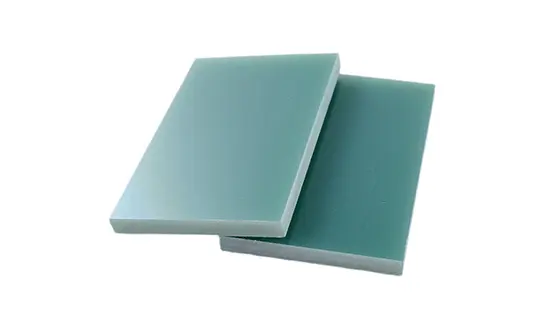
Understanding FR4 Material and Its Machining Requirements
What Makes FR4 the Industry Standard?
FR4 is a hybrid fabric made of woven fibreglass cloth that has been mixed with flame-resistant epoxy glue. This mix gives great electrical protection, long-lasting strength, and heat resistance over a wide temperature range, making it perfect for most commercial uses. The label "Flame Retardant 4" on the material shows that it can put out fires on its own, meeting UL94 V-0 flammability standards that are important for safety-conscious businesses.
FR4's dielectric constant stays the same even when the frequency changes. This lets high-speed circuits keep the purity of signals. Its low dissipation factor keeps energy loss to a minimum while electricity is being sent, which is very important in power transfer equipment and battery systems for cars. Epoxy laminates are necessary for makers who want reliable protection without losing mechanical strength because of these electrical properties.
Critical Material Properties Affecting Machining
The fibreglass support in FR4 boards makes cutting them rough, which speeds up tool wear compared to working with softer plastics. Because it is rough, cutting tools like carbide or diamond-coated bits need to be carefully chosen. It also affects feed rates and spindle speeds during CNC operations. Too much heat can soften the resin matrix, which could lead to edge delamination or resin spreading if the cutting settings aren't set correctly.
Different FR4 sheet thicknesses—from thin PCB surfaces to thicker structure parts—have a direct effect on how they are cut. To keep things from bending and chattering, thinner materials need faster spindles and shorter depth cuts. Thick epoxy boards, on the other hand, let you remove material more aggressively but build up more heat. Knowing about these connections helps buying teams choose manufacturing partners with the right machining capabilities.
Compliance and Quality Considerations
RoHS compliance and UL approval are basic standards for FR4 materials that are used in the production of electronics and electrical goods. These certificates show that the epoxy resin system doesn't have any banned chemicals and keeps its flame-retardant properties across all production runs. For car and aircraft uses, where strict quality control systems must be met by material standards, traceability paperwork is very important.
Even though FR4 sheet doesn't absorb as much water as paper-based laminates, it can still change the security of its dimensions during precise cutting. Conditioning the material in a controlled humidity setting before cutting makes sure that the limits are always the same. This is especially important for parts that need to fit together tightly. This focus on environmental factors sets skilled insulation material sellers apart from those who aren't very good at making things.
Overview of CNC Routing and Milling Processes for FR4
How CNC Routing Works for FR4?
CNC routing uses wheels that spin very quickly, usually between 18,000 and 60,000 RPM, to move vertical cutting tools through FR4 panels in a way that is planned ahead of time. This method is great for making cutouts, shaping the edges of boards, and making slots or holes in repeating designs. Routing operations create a lot of dust from the broken down fibreglass and resin, so strong hoover systems are needed to keep the workplace clean and protect workers' health.
In routing, the cutting path is based on a set tool diameter correction, and the router bit makes the end shape by moving along offset paths. This method works well for simple shapes but is limited when dealing with undercuts or features that are three-dimensional. When cutting thicker materials with narrow holes, tool deflection can be a problem that could affect the accuracy of the measurements if it isn't fixed by making several smaller passes.
Understanding CNC Milling for FR4 Applications
In milling, spinning tools take material by engaging with the workpiece from the side instead of cutting it all the way through. This method lets you make models with more complicated shapes, like chamfers, pockets with different sizes, and real three-dimensional surfaces. Milling spindles usually work at slower speeds than routing equipment. They give up some flow in exchange for better control and a smoother finish on the surface.
Milling is very flexible; it can be used for both rise and regular cutting. The way the tool engages with the workpiece affects the quality of the chip and the edge. By pulling material away from the cut edge, climb milling usually makes the sides of FR4 cleaner. This lowers the risk of delamination. But it needs strong machine structures to stand up to cutting forces that could otherwise make the tool chatter or the object move.
Comparing Tool Types and Material Interaction
Routing bits usually have circular holes that are cut up or down to help chips escape during vertical plunge operations. Upcut swirls move chips up and away from the cutting zone, so they don't get redeposited and damage the quality of the surface. When chips are pushed downward by downcut swirls, surface fibres are compressed. This makes the top edge ends cleaner, which is useful when looks are important.
Milling cutters come in a wider range of styles, such as end mills, ball nose cutters, and form tools that are made to make specific profiles. Milling blades with multiple flute shapes spread cutting forces more widely, which makes the tools last longer when working with rough materials like fiberglass-reinforced composites. Tool choice has a big effect on both output prices and the tightest limits that can be reached, so it's an important thing to think about when planning a process.
Evaluating Which Process Works Better for Different FR4 PCB Applications
High-Volume Production Scenarios
Large-scale PCB factories routing FR4 sheet like routing because it increases output and lowers the cost of capital equipment. Using nested plans that make the best use of material, a single routing machine can work on multiple panels at the same time. Routing processes can achieve very high feed rates, which often go over 500 inches per minute. This directly leads to shorter cycle times when making thousands of similar parts.
Routing makes it easier for companies that make automotive insulation pads to make battery pack barriers with standard hole designs. It speeds up production when you can gang-drill mounting holes and profile the edges at the same time. When nesting software optimises part patterns across panel dimensions, material waste stays controlled. This addresses cost-effectiveness concerns that are important to device makers and other price-sensitive sectors.
Precision and Complex Geometry Requirements
Power distribution companies that need arc barriers with precise hole sizes and managed edge quality often choose milling processes, even though they are more expensive. When parts need to fit within tight assembly tolerances or interact with mating parts, milling's better control over dimensions becomes important. Milling can achieve surface roughness levels that meet strict requirements for parts where electrical tracking distance is important.
Milling gives better edge quality, which is needed for high-frequency PCB uses because rough or delaminated edges can mess up signal integrity at microwave frequencies. Milling's slower speeds are okay for prototypes and small-batch speciality items because it can make chamfered edges, countersunk holes, and smooth radiused corners without having to do any extra work. R&D experts like that cutting gives them design freedom during repeated development rounds.
Hybrid Approaches and Emerging Technologies
Smart makers use the best parts of both cutting and milling, combining them for rough work and finishing passes. Routing quickly gets rid of large pieces of material and sets up rough shapes. Later grinding steps improve the sizes and finishes the surface to meet the final requirements. This mixed approach strikes a good balance between speed and quality, and it works especially well for production runs with a medium number of items.
More advanced factories have automatic tool change systems that let a single machine do both cutting and milling tasks without any help from a person. This freedom cuts down on work-in-process goods and makes transportation easier for businesses that make a wide range of products. Adding real-time tracking systems for tool wear improves process reliability even more by automatically making up for tools' slow wear and tear, which could otherwise make it harder to keep the same dimensions across production runs.
Procurement Considerations for FR4 CNC Machining Services
Cost Structures and Pricing Models
Routing services usually set their prices based on the straight cutting distance and the size of the panel. As the number of orders increases, bulk savings are applied. The setup costs are pretty much the same whether you're making ten pieces or ten thousand. This makes routing a good option for big amounts. Because machine bits have uniform shapes and repair times, tooling costs can be predicted.
Milling quotes for FR4 sheet are more accurate because they show machine time, and hourly rates take into account things like slower feed rates and more tool wear from FR4 materials, which are rough. Complex shapes that need a lot of tool changes and setup steps raise costs in a proportional way. But skipping extra steps like deburring or finishing can make up for higher machine costs if milling already makes a good edge quality.
Supplier Evaluation Criteria
Quality approvals, such as ISO 9001 and standards relevant to the industry, show that a seller is dedicated to consistent paperwork and methods. Electrical equipment makers should make sure that the machine providers they work with know what the UL listing requirements are and can give them material documents that show where the FR4 sheets came from that are in line with those requirements. The supplier's quality control steps, such as inspecting arriving materials, verifying work in progress, and confirming final dimensions, have a direct effect on the quality of the part that is received.
A production capacity review looks at more than just the number of pieces of equipment. It also looks at schedule flexibility, peak capacity available, and backup plans in case something goes wrong with the equipment. When product launches go better than expected, it's important for suppliers to be able to increase production rates without affecting wait times. Long-term buyers like working with manufacturers who put in extra capacity and keep extra FR4 materials on hand in case they are needed.
Customization and Design Collaboration
Having engineering help during the design phase can help make sure that the shapes of parts are optimised for ease of manufacture, which could lower costs and raise dependability. Expert metalworking makers can suggest design changes—like making the corners rounder or moving the holes around—that make it easier to use the right tools without affecting the functionality. This way of working together is especially helpful for OEM buying managers who may not have a lot of experience with making composite materials.
Having the ability to work with non-standard panel sizes and custom FR4 widths opens up more design options for unique uses. If a supplier works with more than one laminate maker, they can get specific glue systems or support styles that meet particular heat or mechanical needs. This freedom in where to get materials is useful when making goods for special markets where standard grades don't work.
Conclusion
When deciding between CNC routing and milling for fabricating FR4 sheets, you have to weigh the underlying strengths and weaknesses of each process based on production volume, accuracy needs, and cost limits. Routing is a cost-effective way to make standard shapes in large quantities, while milling gives complicated, low-volume uses the accuracy and surface quality they need. Twenty years of making insulation materials and more than ten years of trading internationally have taught us that knowing both the qualities of the materials and how they are made is key to making good purchasing decisions. When you work with providers who understand these details and offer flexible cutting, your engineering team can improve both the performance of the parts and the cost of production.
FAQ
When cutting FR4, which method wears down tools the least?
Higher spindle speeds and the constant plunge-cutting action through coarse fibreglass support make tool wear happen faster in CNC routing. Routing tools, on the other hand, tend to be cheaper to repair than milling cuts because they use standard mesh shapes. When it comes to both processes, carbide tools last a lot longer than high-speed steel ones.
When I'm making something, can I switch between route and milling?
Many companies use routing for prototypes to keep setup costs low. Once the design freezes and tighter standards become necessary, they switch to optimised milling processes. This step-by-step method strikes a good mix between speed and quality in output. Talking to your machine provider about your project's plan can help you find the best times to make changes.
How do differences in material thickness affect the choice of process?
Routing's high-speed method works well for FR4 boards that are less than 1.5 mm thick. On the other hand, milling's controlled material removal that reduces heat buildup and internal stress is often better for thicker structural laminates that are more than 6 mm thick. The transition zone is determined by the complexity of the part's shape and the tolerances needed for your application.
Partner with J&Q for Expert FR4 Sheet Machining Solutions
As a known FR4 sheet maker for more than twenty years, J&Q combines in-depth knowledge of materials science with advanced CNC skills that can be adjusted to your exact needs. Our in-house transportation business handles everything from choosing the materials to delivering them. This saves us the trouble of coordinating that comes with having multiple supply lines. Our engineering team works with you to make sure that plans are optimised for manufacturing while still meeting UL and RoHS standards. This is true whether your project needs high-volume route efficiency or precise cutting for complex shapes. Get in touch with us at info@jhd-material.com for personalised advice, low bulk prices, and expert help that turns your problems with insulation materials into reliable production solutions.
References
Coombs, Clyde F. "Printed Circuits Handbook, Seventh Edition." McGraw-Hill Education, 2016.
Institute of Printed Circuits. "Design Guidelines for CNC Machining of Rigid Laminates." IPC Technical Report, 2019.
Society of Manufacturing Engineers. "Composite Materials Machining: Best Practices for Fiberglass-Reinforced Polymers." SME Manufacturing Handbook, 2018.
National Electrical Manufacturers Association. "Industrial Laminating Thermosetting Products Standards." NEMA Standards Publication LI 1-2020.
Kobayashi, Takeshi. "Advanced PCB Fabrication Technologies: Material Selection and Processing Methods." Springer International Publishing, 2021.
American Society for Testing and Materials. "Standard Test Methods for Electrical Insulation Materials." ASTM D-Series Standards for Dielectric Materials, 2020.

Get a complete product list and quotation

J&Q New Composite Materials Company