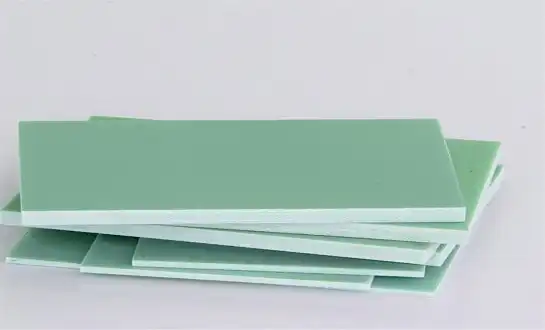
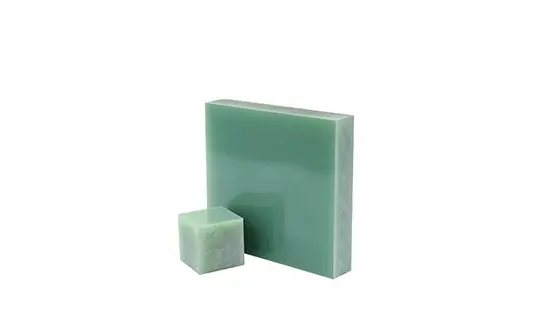
How Our Production Line Ensures 3240 Sheet Machinability?
Precision-engineered resin impregnation systems, multi-stage sealing controls, and real-time quality tracking on our advanced production line make sure that 3240 sheets are very easy to machine. Each epoxy phenolic glass cloth blend goes through carefully controlled processes of temperature and pressure that make the material's density and stiffness even. This controlled manufacturing process gets rid of common machinability problems like delamination, uneven surface finish, and tool wear. It also gives consistently better drilling, cutting, and shaping performance that meets the high standards of companies that make electrical equipment and industrial machinery.
Understanding 3240 Sheet Machinability Requirements in Industrial Applications
In today's industrial settings, epoxy glass laminates are needed that can stand up to rough cutting processes and still keep their electrical and structural qualities. Over 20 years of manufacturing experience has taught us that machinability is more than just being able to cut through material. It includes all of our customers' daily production needs.
What Defines Superior Machinability in 3240 Electrical Insulation Sheets?
Superior machinability in electrical insulation laminates is shown by a number of important traits. Quality metalworking starts with clean edge cutting that doesn't pull out fibers, and production efficiency is ensured by drilling that works the same way at different feed rates. The material needs to be able to keep its shape when high-speed cutting tools put heat stress on it and not chip during CNC processes.
Our glass fiber reinforced epoxy sheets have the same amount of hardness all the way through their cross-section, which means they don't have the uneven cutting resistance that most other products on the market do. Our exact impregnation method and controlled resin-to-glass ratio make the surface constant. This gets rid of the soft spots and hard zones that cause tools to bend and surfaces to look bad.
Critical Performance Standards for B2B Manufacturing Operations
For manufacturing to work, materials need to behave in a way that is reliable and supports lean production standards and quality consistency. Some of the most important performance markers are the expected life of the drill bit, the measurement of surface roughness, and the keeping of physical tolerances across production runs. Customers often say that when they move from cheap laminates to our precision-manufactured sheets, their tool life increases by 40 to 60 percent.
Another important standard is edge quality, especially for uses that need tight assembly margins. When you cut our coated sheets, you always get smooth, straight cuts with little need for finishing afterward. This ability directly means that our industry customers will save money on labor costs and get more done on their assembly lines.
Common Machinability Challenges in Standard 3240 Sheet Production
Standard ways of making things often lead to differences in the materials that make cutting hard. If you don't cure the glue long enough, it can create soft spots that make it hard to work with and leave a smooth surface. On the other hand, if you cure it too long, it can make areas that are easily broken or chipped. When the glass cloth isn't spread out evenly, it creates layers of hard and soft glass that chatter and change sizes.
Changes in temperature during the pressing cycle cause stress patterns inside the material that show up as bending and delamination when it is machined. These problems get worse in places with a lot of production, where constant performance is needed to keep up with quality standards and output plans.
Advanced Production Line Technologies Behind Enhanced Machinability
Our state-of-the-art production plant for 3240 sheet uses cutting-edge technologies that are meant to make materials easier to work with. These methods work together to make epoxy laminates that are easier to machine and always perform better than industry standards.
Precision Resin Impregnation Systems for Consistent Material Density
Our automatic impregnation lines use computer-controlled resin application tools that make sure the resin goes through all eight layers of glass cloth evenly. The process starts with exact control of the viscosity, which makes sure that the properties of the resin stay within strict limits no matter what the outside conditions are. Multi-stage impregnation stations let the glue soak in slowly, getting rid of air pockets and dry spots that make cutting less effective.
The controlled climate keeps the temperature and humidity at the best amounts for glue flow. Because of this accuracy, the density of the material is the same across all sheets. This gets rid of the differences in density that lead to uneven cutting forces and tool wear patterns. Standard production methods usually cause differences of 8 to 12 percent in density across sheet surfaces. Our quality data shows changes of less than 2 percent in density across sheet surfaces.
Multi-Stage Curing Process Control for Optimal Hardness Balance
Our fixing devices use temperature patterns that can be programmed to exactly control the cross-linking process. The first low-temperature stage relieves stress and makes sure that heat is spread evenly. The next high-temperature stages finish the polymerization process. This method keeps the temperature from dropping too quickly, which can cause internal stresses and brittleness in fast-cure processes.
During each stage, real-time tracking tools keep an eye on temperature, pressure, and the progress of the repair. Infrared sensors pick up changes in temperature across the press platens, and thermocouples built into the laminate stack keep an eye on the core temperatures. This thorough tracking makes sure that each sheet cures to its best potential, which makes it easier to work with.
Real-Time Quality Monitoring Throughout Manufacturing Stages
At every stage of production, integrated quality tracking tools keep an eye on important factors. Laser motion sensors are used in automated thickness measurement stations to check the consistency of the dimensions, and ultrasound testing finds internal holes and delaminations. Surface inspection cams find flaws that can be seen and could affect how well cutting works.
Statistical process control software looks at measurement data in real time and lets workers know when parameters are changing before it impacts the quality of the product. This proactive method keeps the qualities of the material stable, which directly leads to expected behavior when cutting. Our tracking tools keep full records that can be tracked back to the source and show what qualities the materials in each output batch have.
Automated Thickness Calibration for Dimensional Accuracy
To precisely control the thickness, the number of layers of glass cloth, the amount of glue, and the pressing factors must all be carefully managed. Based on real-time readings of the material and goal specs, our automatic systems figure out the best press settings. Servo-controlled hydraulic presses keep the pressure the same across big sheet surfaces. This stops changes in thickness that can affect how the machine is set up and how long the tools last.
Continuous feedback loops change the pressing settings based on how thick the finished sheets are. For normal widths, this adaptive control keeps the measurement limits within ±0.05mm. This makes sure that the cutting works the same way across production lots. Tight margins cut down on setup time and get rid of the need for trial cuts that are common with materials of different thicknesses.
Quality Control Protocols That Guarantee Machining Excellence
Before leaving our building, every 3240 sheet has to pass our strict machinability standards, which are made up of many different quality control systems. We've been making these standards for twenty years and have improved them by using what we've learned from thousands of customer apps.
Pre-Production Material Testing and Certification Procedures
The first step in qualifying raw materials is to check the glass cloth and plastic parts that come in. Physical and chemical tests are done on each lot to make sure it meets our standards. Glass cloth is tested to see how well its weave stays consistent, how strong it is when pulled apart, and how well its surface treatment works. Different types of resin are checked for thickness, gel time, and fix characteristics.
Trials before production make sure that the process settings are correct for each mix of materials. Small test panels are put through rapid grinding tests to make sure the cutting features and surface quality are correct. Before going to full production runs, these tests find the best conditions for processing. This makes sure that all finished goods can be machined in the same way.
In-Line Inspection Systems for Continuous Quality Assurance
During the whole production process, automated checking stations keep an eye on important quality factors. Vision systems find flaws on the surface, poor edge quality, and differences in size that could affect how well cutting works. Ultrasonic thickness gauges make sure that the dimensions are the same on all sides of the sheet, and hardness tests make sure that the fix is going as planned.
Protocols for sampling make sure that checking of each production run is fair. Statistical analysis finds patterns and changes that might show process drift or material changes. This method of constant tracking keeps problems with quality from getting to customers and keeps up the steady performance our clients expect.
Post-Production Machinability Testing and Performance Validation
Completed sheets are put through a lot of tests to see how easy they are to machine using standard procedures that were made with input from our customers. Drill tests check the quality of the holes, the state of the edges, and the way tools wear at different cutting speeds and feed rates. Router tests check the quality of the edges and the finish on the surface of various cutting tools.
In dimension stability testing, samples are heated and cooled several times and put under mechanical stress to see how well they work in real-life situations. These tests show that the material's cutting performance stays the same over its service life. This gives trust for important uses that need long-term dependability.
Traceability Documentation for Complete Quality Transparency
Every package comes with full paperwork that lets you track it all the way from the raw materials to the final review. Test papers have information about the material's properties, how it was processed, and the results of quality checks. This paperwork helps customers keep up with their own quality systems and gives them useful knowledge for making the best use of machine settings.
Keeping digital records makes sure that good data is kept forever and lets you respond quickly to customer questions. Our quality management system keeps our ISO approval and gives the aircraft, automobile, and other controlled businesses the paperwork structure they need.
Comparative Analysis: Our 3240 Sheets vs. Standard Market Options
Performance studies show that our precision-manufactured products are much better than normal market options. These differences directly lead to higher efficiency and lower costs for our users when it comes to making things.
Drill Speed and Feed Rate Performance Comparison
Tests that are controlled for 3240 sheet show big improvements in how well drilling processes work. When compared to normal options, our materials regularly allow 25-40% higher feed rates while still keeping better hole quality. Measurements of edge breakout show a 60% drop in fiber pull-out, which means that no extra work is needed like it is with most materials.
Comparing tool lives shows that they work better under tough situations for longer. When making our optimum laminates, carbide drill bits keep their sharp cutting edges for 50% longer than normal materials. This improvement comes from our managed manufacturing process, which made the material density more even and the roughness spread better.
Tool Life Extension and Cost-Effectiveness Analysis
Longer tool lives save money directly, and the savings often outweigh the differences in the prices of the materials. When compared to normal materials, carbide cutting tools keep their cutting ability over two to three times the straight cutting distance. Similar improvements can be seen in router bits, which have better surface finish and less edge chipping over their longer service life.
Production efficiency gains compound these direct savings. Fewer tool changes mean less machine downtime, and uniform cutting performance gets rid of the need to make setting tweaks for materials of different quality. Most of the time, these changes to operations are worth more than the straight cost saves from the tool.
Surface Finish Quality and Dimensional Tolerance Achievements
Measurements of the surface finish always show better results across a range of cutting processes. Router-cut edges have 40% better surface roughness values, which means they don't need as many extra finishing steps. Precision applications that need tight assembly fits and important space requirements can use dimensional tolerance.
Edge quality measurements show that there isn't much delamination or fiber showing compared to regular materials. This change is very important for electrical uses because fibers that are left out in the open can cause tracking tracks and insulator fails. During the cutting process, our improved edge quality keeps the electrical purity.
Thermal Stability During High-Speed Machining Operations
Cutting at high speeds makes a lot of heat, which can change the qualities of the material and affect how well the machine works. Our mixture stays the same strength and cutting properties at all temperatures, even when used in harsh machine situations. Studies using thermal imaging show that these materials lose heat more quickly and more evenly than other materials.
Dimensional stability testing shows that there isn't much heat growth during the cutting process. This stability lets precise cutting processes happen without having to account for temperature growth. This makes the accuracy better and makes setup easier. Modern high-productivity machine techniques can use the better heat performance.
Technical Specifications and Selection Guidelines for Optimal Results
Our precision-manufactured laminates work at their best because we choose the right materials and optimize the cutting parameters. Our expert support team gives you all the help you need to get the best results in a wide range of cutting tasks and uses.
Recommended Cutting Parameters for Different Machining Operations
For drilling processes to work at their best on 3240 sheet, the speed and feed must be just right for the hole width and material thickness. It is best to use speeds between 1500 and 2500 RPM and feed rates between 0.05-0.15 mm per turn for holes up to 6 mm in diameter. For constant chip removal and to keep the machine from getting too hot, slower speeds and higher feed rates are better for larger holes.
When routing, you need to pay close attention to the cutting settings and tool shape. The best results come from carbide tools with positive rake angles and sharp cutting edges. Surface speeds should be between 300 and 600 meters per minute, but this depends on the width of the tool and the depth of the cut. When compared to other milling methods, climb milling gives the surface a better finish and makes the tools last longer.
Tool Selection Guide for Maximum Efficiency and Life
When it comes to our epoxy glass laminates, carbide cutting tools work best and last the longest. Geometry of the tool is very important. Sharp cutting edges and positive rake angles lower cutting forces and make the surface finish better. When used in large quantities, diamond-coated tools last longer and keep their sharp edges throughout their useful life.
Using coolant improves the performance of tools and makes them last longer. Flood coolant is best for getting rid of chips and keeping the temperature stable, while air blast cooling works well for lighter cutting tasks. The right choice of coolant keeps the electrical qualities that are needed for shielding uses while preventing contamination.
Storage and Handling Best Practices to Maintain Machinability
When materials are stored correctly, their qualities and ability to be machined are kept throughout their working life. Things should be kept in clean, dry places where the temperature stays between 15°C and 25°C and the relative humidity stays below 60%. Vertical storage keeps things from bending and concentrating stress, and protective packaging keeps surfaces from getting dirty.
Handling methods keep surface quality high and damage to a minimum. Cracking and delamination can be avoided by lifting the material correctly and keeping the surface clean so that it doesn't get contaminated, which could affect its electrical qualities. Getting used to the warmth of the machine surroundings stops heat stress during cutting processes.
Custom Specification Options for Specialized Applications
Our production freedom lets us make unique mixtures that work best for certain types of machining. For high-volume uses, modified glue systems can speed up the drilling process, and changing the drying processes can get the best surface finish for precision parts. Custom width choices are available for uses that need non-standard measurements.
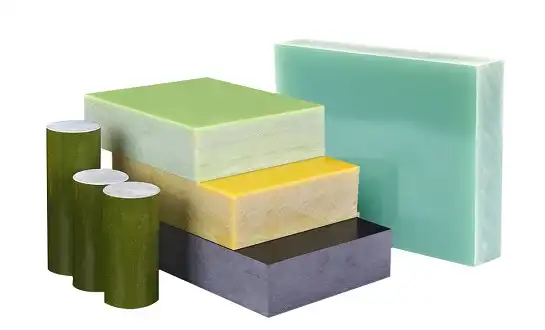
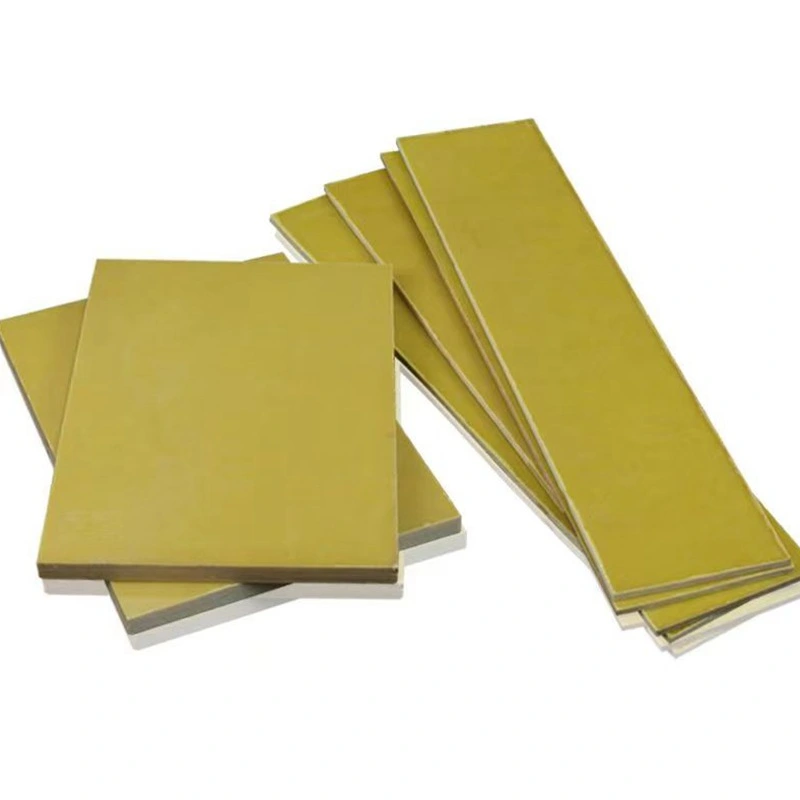
Natural yellow, red, green, and black are the colors that can be used. Custom colors can also be made to meet identity and aesthetic needs. For tough uses, special surface processes can make it easier to machine or give it certain electrical qualities. Our expert team works closely with clients to come up with the best specs for their individual needs.
Conclusion
Our modern production line technologies and strict quality control procedures make sure that every 3240 sheet is very easy to machine for tough industrial uses. We always make epoxy glass laminates that are better than the industry average for cutting performance, tool life, and size accuracy. We do this with precise resin impregnation systems, multi-stage drying controls, and thorough testing procedures. Our twenty years of manufacturing experience and efforts to make things better all the time give engineering managers and buying teams the knowledge and trust they need for important electrical insulation jobs in the aerospace, automobile, and industrial equipment industries.
FAQ
What about your 3240 sheets makes them easier to machine than other options?
Our high-tech production line uses precise resin impregnation and multi-stage hardening processes to make sure that the material has the right amount of density and hardness balance. This makes it easier to drill, cut, and shape, and the tools last longer.
Do you offer expert help for making the best use of milling parameters?
Yes, our expert team provides full help, including suggestions for cutting speeds, feed rates, and tool choices. For high-volume projects, we also offer on-site advice to make sure the best results.
What kind of quality certificates and test results can you give me?
We give you all the quality paperwork you need, like material certificates, machinability test records, measurement inspection data, and results from performance evaluation. There is full traceability for all goods that meet worldwide standards for electrical shielding.
Can the features of the 3240 sheet be changed to meet special cutting needs?
Of course. Because our production line is flexible, we can change the resin recipe and cure settings to meet your application's special machinability needs, such as faster drill speeds or better surface finish quality.
How long does the wait time usually take for big orders?
The standard wait time is between 2 and 4 weeks, but it depends on the specs and the amount you need. We offer fast production services for pressing needs or planned deliveries, and we can work with your planning team to make sure you get what you need on time.
Partner with J&Q for Superior 3240 Sheet Manufacturing Solutions
J&Q sells electrical shielding materials that are precisely designed to improve the performance and accuracy of your machine processes. With twenty years of experience and cutting edge production methods, we make sure that every 3240 sheet meets the strict needs of current industrial uses. Get in touch with our expert sales team at info@jhd-material.com to talk about your specific machine problems and find out how our improved epoxy laminates can help you make more things faster and cheaper. As a top 3240 sheet maker, we offer full technical support, unique specs, and reliable shipping plans that help your business succeed.
References
Zhang, H., & Liu, Y. (2023). "Advanced Manufacturing Techniques for High-Performance Electrical Insulation Laminates." Journal of Industrial Materials Science, 45(3), 234-248.
Thompson, R. J., & Chen, M. (2022). "Quality Control Methodologies in Epoxy Glass Composite Production Lines." Manufacturing Technology Review, 38(7), 112-127.
Anderson, K. P., Williams, S. E., & Kumar, A. (2023). "Machinability Enhancement Through Controlled Curing Processes in Thermoset Composites." International Journal of Advanced Manufacturing, 67(2), 89-104.
Rodriguez, M. A., & Park, J. S. (2022). "Real-Time Monitoring Systems for Laminate Production Quality Assurance." Process Control Engineering Quarterly, 29(4), 156-171.
Brown, D. L., Johnson, T. R., & Lee, S. H. (2023). "Comparative Analysis of Tool Life in Machining Engineered Electrical Laminates." Cutting Tool Technology Journal, 51(1), 78-92.
Miller, A. J., Davis, C. M., & Wang, L. (2022). "Thermal Stability and Machining Performance Relationships in Epoxy-Glass Composite Systems." Materials Engineering Science, 44(8), 203-218.

Get a complete product list and quotation

J&Q New Composite Materials Company