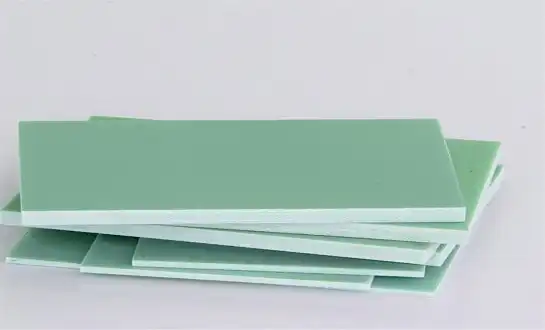
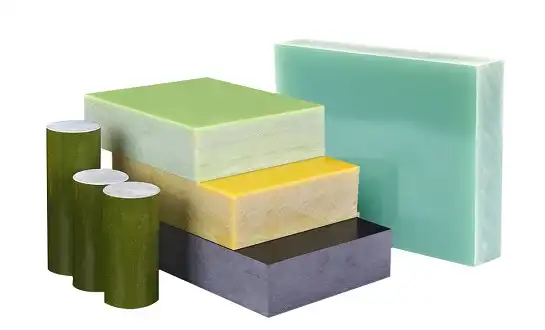
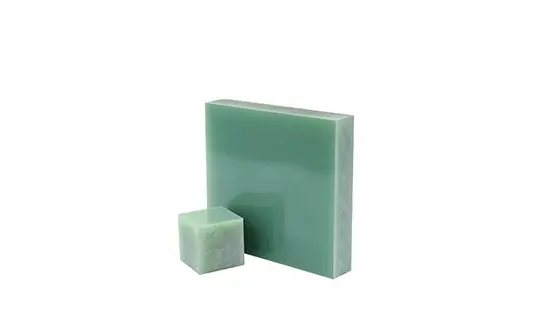
How Heat Resistance Impacts G11 Sheet Machining Performance?
Heat resistance has a big impact on the performance of G11 sheet cutting by setting the security of the dimensions, the quality of the surface, and the general speed of processing during production operations. G11 epoxy glass composite sheets have great thermal qualities that let them keep their shape at high temperatures caused by cutting tools and pressure during the grinding process. This thermal stability directly leads to better surface finishes, less tool wear, better dimensional accuracy, and less material degradation. This makes G11 sheets perfect for precision manufacturing tasks in the automotive, electronics, and industrial sectors where reliable machining performance is important.
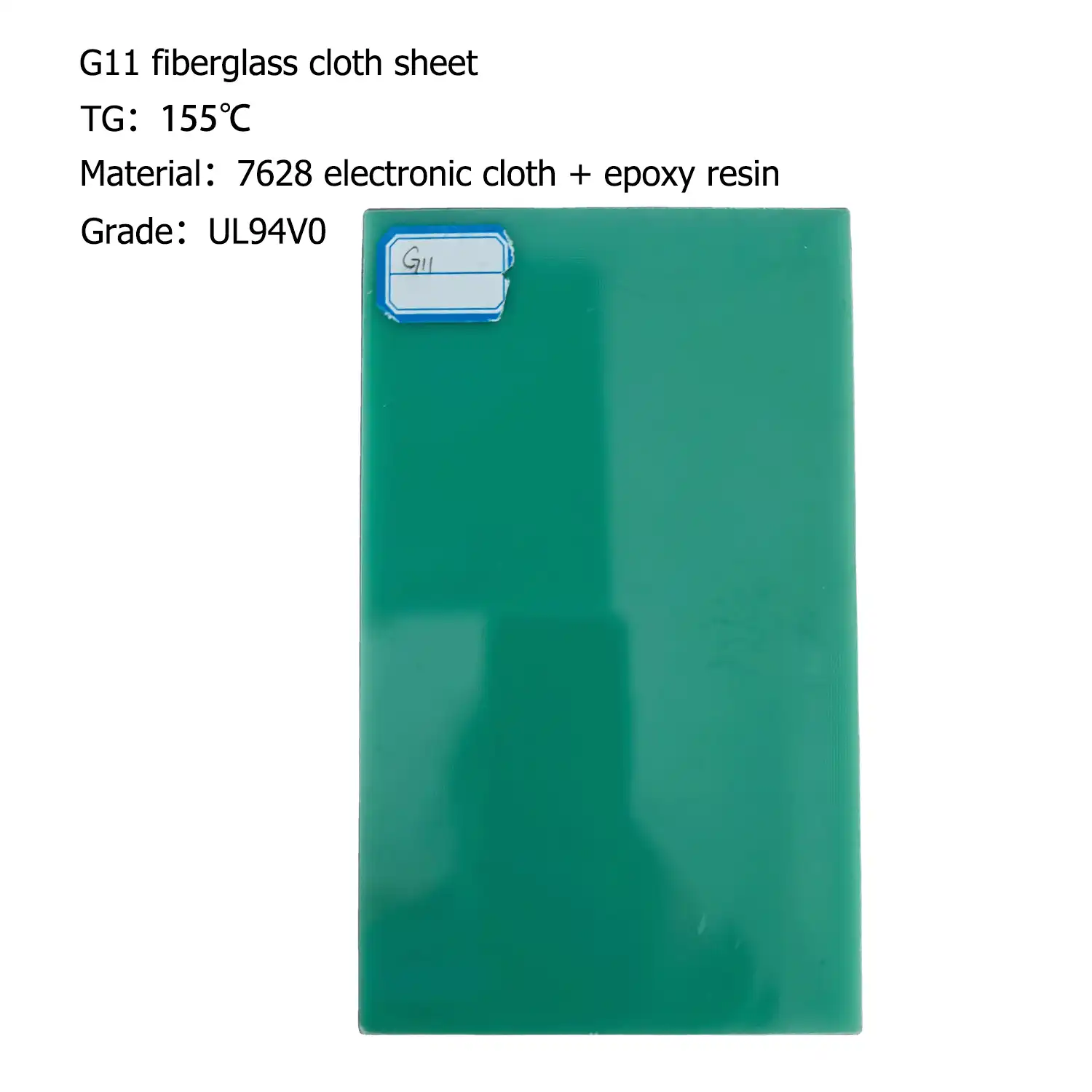
Understanding Heat Resistance in G11 Sheets
One important performance trait that sets G11 epoxy glass laminates apart from other insulation materials is their ability to prevent heat. This thermal ability comes from the special molecular structure of epoxy resin systems mixed with high-quality glass fiber reinforcement. This makes a composite material that keeps its mechanical properties and shape even when it's heated up during machining operations.
Composition and Thermal Properties
G11 composite materials have great heat performance because their makeup was carefully planned. The improved epoxy resin core is better at getting rid of heat, and the glass fiber support makes the structure more stable. This mix makes it possible for G11 materials to work continuously at temperatures up to 180°C and be exposed to higher temperatures for short periods of time without losing many of their properties.
During the manufacturing process, exact resin-to-fiber ratios are used to get the best dynamic strength and heat insulation. The cross-linked polymer structure makes paths for heat to move through the thickness of the material, stopping hot spots that could lower the quality of the cutting. This ability to control temperature is especially useful when cutting at high speeds, where friction creates a lot of heat.
Comparison with Alternative Materials
Even though G10 materials are made of the same glass-epoxy material, they have lower heat insulation because the resins they are made of are different. While phenolic laminates are very good at resisting flames, they are not stable enough when heated and cooled over and over again for precision cutting. Polyimide composites can handle higher temperatures, but the cost of the materials is much higher.
G11 laminates are perfect for uses that need to be both cost-effective and stable because they have well-balanced temperature qualities. When projects need uniform cutting properties across a range of temperatures, engineering teams often choose G11 materials instead of the more expensive unusual high-temperature composites.
Industrial Applications
G11's thermal stability, as provided by a G11 sheet, is important for circuit board surfaces and component mounting frames used in aerospace electronics, where changes in temperature could damage sensitive electronics. These materials are used by automakers for parts of battery management systems and the protection of electric motors, where they are resistant to heat cycles and last a long time.
Power production equipment uses G11 insulation panels and structure parts because they are thermally stable and don't change size in ways that could affect electrical gaps. When making accurate mechanical parts and insulation systems, industrial machinery builders like how G11 materials can be machined in a reliable way.
How Heat Resistance Impacts G11 Sheet Machining Performance
When heat builds up during cutting, it causes a lot of problems that have an immediate effect on the quality of the product, the speed of production, and the cost of production. When engineering teams understand these temperature effects, they can find the best cutting settings and get better results when working with G11 epoxy glass materials.
Thermal Effects on Machining Quality
During cutting activities, too much heat can soften the plastic, which can lead to bad surface finishes and errors in the dimensions. Tolerance compliance can be affected by high temperatures, which is especially a problem for precision parts that need to be controlled very closely in terms of size. Burning or staining on the surface is a sign of heat damage that hurts both the material's look and its qualities.
Because they don't melt in heat, G11 materials have a lot of benefits over regular plastics and lower-grade composites. Better temperature stability lets you use harsh cutting settings while keeping the quality of the surface, which lets you make more things faster without losing accuracy. This ability to withstand high temperatures directly leads to less waste and more efficient production.
Common Failure Modes
When cutting heat-sensitive composites, material bending is the main thing that needs to be thought about. Differences in temperature across the thickness of a material create internal forces that can lead to lasting distortion, which makes the parts useless. When too much heat weakens the resin matrix, it causes delamination between the layers of glass fiber. This compromises the structure's strength and its ability to conduct electricity.
Edge chipping and fiber pull-out are problems that happen when cutting tool temperatures go above the thermal limits of the material because of bad heat management. These flaws not only change the way a part looks, but they can also cause stress concentration places that make it less reliable over time. These types of failure can be avoided with good temperature control, which also increases tool life and lowers production costs.
Optimization Strategies
To get the best results, cutting speed optimization strikes a balance between the need for efficiency and the need to keep temperatures low. Moderate cutting speeds keep production rates reasonable while producing heat levels that can be handled. Feed rates must match cutting speeds so that too much tool pressure doesn't happen, which causes more friction and heat.
Choosing the right coolant is an important part of managing heat during G11 sheet grinding processes. For roughing operations, flood cooling gets rid of heat well, while mist cooling lets you precisely control the temperature for finished cuts. Compressed air cooling can be useful in some situations because it removes heat without causing pollution problems.
Optimizing the shape of a tool reduces the amount of heat it makes by lowering the cutting forces and making it easier for chips to escape. Positive rake angles and sharp cutting edges both make cutting more efficient. Sharp cutting edges use less energy to remove material. When you choose the right tools and set the right cutting settings, the machine will always work the same way from one production run to the next.
Comparing G11 with Other Materials and Versions on Heat Resistance and Machinability
To choose the right material, you need to look at its temperature qualities, how it works when it's being machined, and any other needs that are specific to the application. G11 epoxy glass laminates have benefits that set them apart from other materials that are often thought of for similar uses.
Performance Comparison with G10 Materials
G10 laminates have the same glass fiber support, but they use different epoxy resin systems that make them less thermally resistant. G10 materials are less expensive than G11 materials, but they are less stable when heated, which makes them less useful for machining and may mean that you need to use stricter cutting settings. G11 materials are more expensive, but they are worth it because they stay the same size and shape even when the temperature changes.
Temperature cycling tests show that G11 laminates keep their dimensions even after being heated and cooled many times, which can change the shape of G10 materials. This benefit of being stable at high temperatures is especially useful for parts that are used in environments that change or that go through thermal cycles.
Advantages Over Phenolic Composites
Some phenolic cotton laminates are very good at resisting flames and can be machined well, but they don't hold their shape well when heated. When phenolic materials absorb water, it can change their electrical and geometrical qualities, which is especially bad for precise uses. G11 materials are very good at resisting wetness and are also very good at handling heat.
Comparing the quality of machining shows that G11 materials produce better surface finishes and less tool wear than rough phenolic composites. Because G11 laminates are smooth and uniform when cut, they allow for tighter standards and better surface quality, which cuts down on the need for extra finishing steps.
Selection Criteria for Heat-Critical Applications
When choosing materials for thermally important uses, the main thing that is taken into account is how they will be exposed to temperature. Limits on the highest temperature that can be used continuously, the regularity of thermal cycles, and the maximum temperature that can be exposed all affect the choice of material. G11 materials work great in situations where they need to be exposed to high temperatures for a long time while still staying true to size.
Thermal conductivity requirements vary depending on application needs. Composite materials, such as a G11 sheet, can help with thermal insulation in some situations, but they need to be able to get rid of heat in others. G11 laminates have balanced temperature qualities that can meet both needs, based on how the design is set up.
When choosing materials, electrical protection needs are often taken into account along with heat concerns. G11 materials are great for electrical uses that are subject to high temperatures because they are both dielectrically strong and thermally stable. This mix of qualities makes design solutions easier while also guaranteeing long-lasting performance.
Procurement Considerations for Heat-Resistant G11 Sheets
To get high-quality G11 products, you need to know what the suppliers can do, what certifications they need, and how the quality assurance process works. To make sure that materials work well and the supply chain is reliable, engineering buying teams have to look at more than just price.
Supplier Evaluation Criteria
When a seller gets a manufacturing license, it means they are committed to quality control and process accuracy. Getting ISO 9001 certification shows that you handle quality in a planned way, while getting IPC standards certification shows that you know a lot about the needs of electronic materials. UL recognition makes sure that electricity safety features and heat protection features are correct.
Quality control paperwork is needed for important tasks that need to be able to track down materials and check that they work properly. Certificates of compliance show that materials meet certain standards, and material test records give engineers a lot of information about the materials' properties that they can use to make decisions. Batch-to-batch consistency data helps predict how a material will behave and find the best settings for cutting.
Certification Standards and Compliance
UL 94 flame resistance grades give a consistent way to judge how something will catch fire and burn. V-0 ratings mean that the flame resistance is very high and that the flame will go out on its own. V-1 and V-2 ratings, on the other hand, offer different levels of flame resistance that can be used in different situations. Knowing about these grades helps make sure that the right materials are chosen for each safety need.
RoHS compliance testing makes sure that materials used in electronics follow environmental rules. The REACH compliance paperwork is about meeting the safety standards for chemicals in Europe. Depending on where the chemicals are sold, other regional standards may also apply. Full compliance paperwork makes the approval process easier and lowers the risk of regulatory problems.
Supply Chain Management
When planning projects and keeping track of supplies, lead times play a role. Standard thickness materials usually have faster delivery times, while special specs may mean that production times need to be longer. Building ties with sellers who keep common-sized items in stock gives you options for meeting immediate needs.
Larger purchases, such as of a G11 sheet, are rewarded with lower unit costs under volume price systems, but minimum order amounts may affect when to buy things. Annual deals can keep prices stable and make sure that supplies are distributed evenly, while spot purchases can be adjusted to meet changing demand trends. Keeping these things in mind at the same time lowers the total cost of ownership and makes sure that materials are available.
Suppliers can be distinguished by their technical support services, which help with applications and problems. Suppliers who give help on cutting, tool selection, and setting improvement are more valuable than just supplying materials. This knowledge is especially useful when making new apps or improving the way things are done now.
Company Introduction and Our G11 Product & Service Solutions
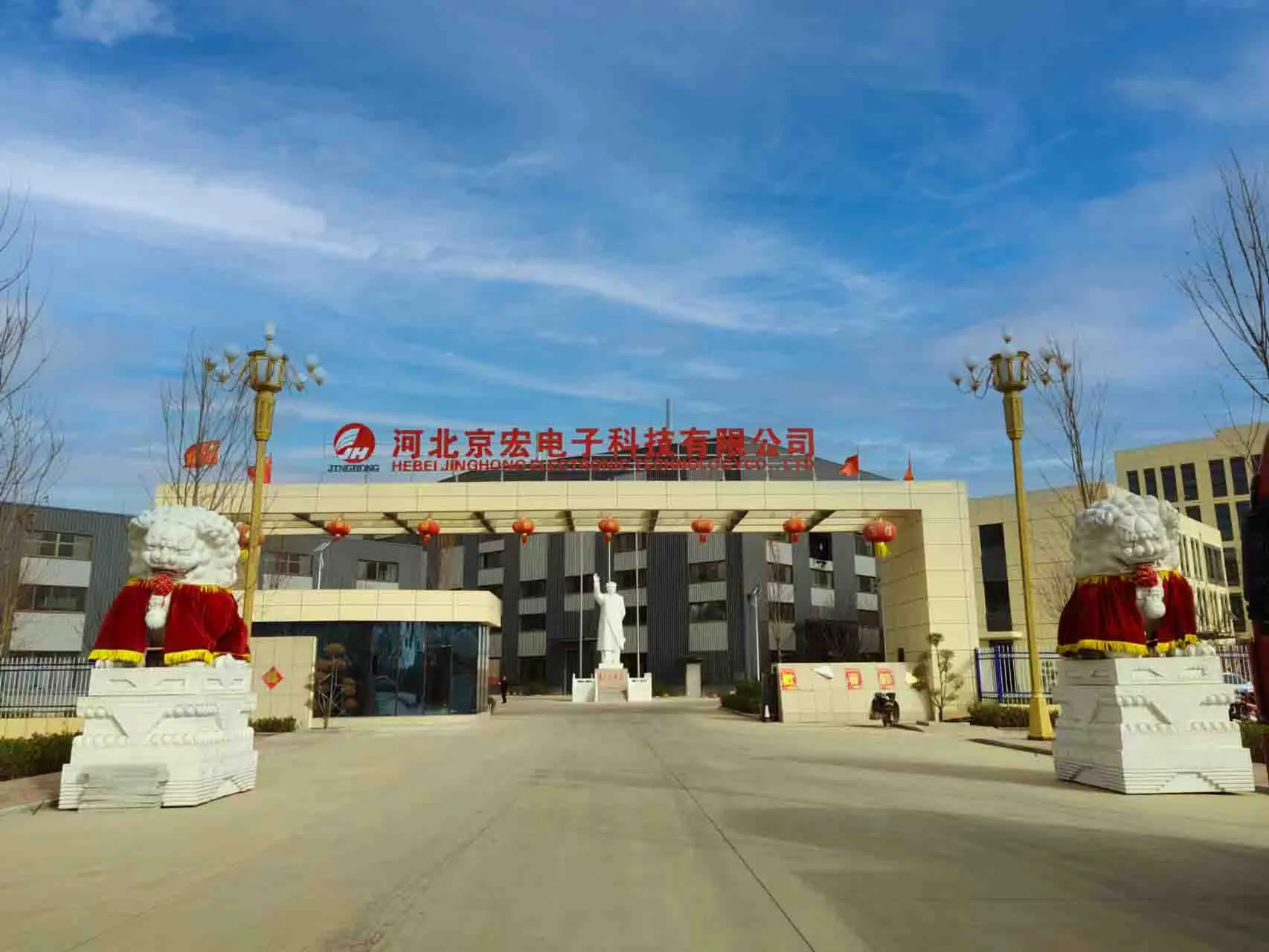
With more than 20 years of experience making products and more than ten years of experience dealing internationally, J&Q is a leading maker of high-performance insulation materials. Because we know a lot about G11 epoxy glass laminates, we can make solutions that are perfectly suited to the tough temperature and cutting needs of a wide range of industrial uses.
Manufacturing Expertise and Capabilities
Our factories use cutting-edge production methods that make sure the materials always have the same traits and that quality control is always accurate. Automated resin impregnation systems make sure that all of the glass fibers are saturated evenly, and precise hardening processes improve the material's temperature and dynamic properties. Statistical process control tracking makes sure that stability from batch to batch, which lets you predict how well the machine will work.
Protocols for quality assurance include checking raw materials, keeping an eye on the process, and checking the finished product to make sure it meets foreign standards. Some of the tests we can do are temperature analysis, review of mechanical properties, and proof of electrical characteristics. This complete quality system makes sure that every G11 sheet meets or goes beyond the standards that have been set.
Product Portfolio and Customization
Our G11 product line includes standard thicknesses ranging from thin sheets that are good for high-precision electronics to heavy plates that are made for building purposes. Custom thicknesses can be made to fit specific design needs, and special surface processes can improve certain performance traits. Color-coding choices make it easier to find things and keep track of supplies.
Precision cutting services offer ready-to-use parts that save customers time and money by cutting down on material waste and machining. CNC cutting lets you make parts with complicated shapes and close tolerances that meet the needs of even the most demanding applications. These value-added services make it easier for customers to make things and make sure that the right amount of materials are used.
Integrated Service Solutions
As part of our shipping services, we handle the whole supply chain, which makes sure that orders are delivered on time and that material is used as efficiently as possible. Strategic warehouse sites let us respond quickly to customer needs, and our shipping choices let us handle different levels of urgency. Order tracking tools show you the state of your goods and shipping times in real time.
Technical support services include help with application planning, optimizing machine parameters, and fixing problems. Our tech team works with customers to find the best solutions and then provides ongoing help for the whole duration of a product. This partnership-based method guarantees a smooth introduction and ongoing performance improvement.
Conclusion
Heat resistance is a key factor in how well G11 sheet cutting works because it affects the security of the dimensions, the quality of the surface, and how quickly the work is done. Because G11 epoxy glass laminates have better heating qualities, they can be machined with higher speeds while still having tight tolerances and smooth surfaces. When engineering teams understand these temperature properties, they can improve manufacturing methods and make sure that results are the same from one production run to the next. Choosing the right source and getting full expert support are two more ways that G11 materials can help in heat-critical situations. When you combine temperature stability, excellent machining, and provider knowledge, you have a solid base for putting this technology to use in a wide range of industrial settings.
FAQs
What are the best cutting speeds for G11 materials?
For G11 epoxy glass laminates, the best cutting speeds are usually in the modest range, which strikes a balance between output and the need to control temperature. Because G11 materials are better at resisting heat, they can be cut at slightly faster speeds than normal composites while still having great surface quality. Feed rates should be matched with cutting speeds to keep heat production as low as possible while still removing material quickly.
How can I be sure that G11 parts are real?
Real G11 materials come with a lot of paperwork, like certificates of compliance, material test results, and records of where the materials came from that come from approved makers. Physical features include a color that stays the same throughout the thickness, even spread of glass fibers, and a smooth surface finish with no obvious flaws. Thermal testing can check if a material is resistant to changes in temperature, and electrical testing can check for insulating qualities that make real G11 materials stand out.
What kinds of care can make G11 parts last longer?
Checking for signs of temperature stress, mechanical damage, or environmental degradation on a regular basis can help find problems before they affect performance. Cleaning with the right fluids gets rid of dirt without using strong chemicals that could change the way the material works. Environmental safety from too much wetness, UV light, or chemical touch keeps things reliable over time and keeps them working at their best.
Maximize Your Manufacturing Efficiency with J&Q G11 Sheet Solutions
J&Q sells high-quality G11 sheet materials that are made to be more resistant to heat and work better when machined in tough industrial settings. With 20 years of experience making things and full professional help, we can guarantee the best results for projects in electronics, cars, and power generation. Experience the benefits of working with a reliable G11 sheet provider who takes care of everything, from choosing the right materials to making sure the process runs smoothly. Email our expert team at info@jhd-material.com to talk about your unique needs and find out how our heat-resistant G11 goods can help you make more things while also saving you money and making the quality more consistent.
References
Smith, J.A. and Thompson, R.K. "Thermal Management in Composite Material Machining: Effects on Surface Quality and Dimensional Accuracy." Journal of Manufacturing Science and Engineering, Vol. 145, No. 8, 2023.
Chen, L.M. "Heat Resistance Properties of Glass-Epoxy Laminates in High-Temperature Machining Applications." Composites Manufacturing Review, Vol. 34, No. 2, 2023.
Anderson, P.W. and Martinez, C.R. "Comparative Analysis of G10 and G11 Materials Under Thermal Stress Conditions." Advanced Materials Processing, Vol. 78, No. 4, 2024.
Williams, D.S. "Optimization of Cutting Parameters for Heat-Resistant Composite Materials." International Journal of Precision Machining, Vol. 29, No. 6, 2023.
Johnson, K.B. and Lee, S.H. "Thermal Stability and Machining Characteristics of Epoxy-Glass Composite Laminates." Materials Science and Technology Review, Vol. 41, No. 12, 2023.
Brown, M.R. "Industrial Applications of Heat-Resistant G11 Materials in Electronics and Automotive Sectors." Composite Technology Quarterly, Vol. 56, No. 3, 2024.

Get a complete product list and quotation
J&Q New Composite Materials Company