Best CNC Parameters for Cutting G10 Fiberglass Plates
For CNC grinding of G10 fiberglass plates, the best settings are cutting speeds of 200 to 400 surface feet per minute, feed rates of 0.003 to.008 inches per tooth, and short depth cuts of 0.010 to 0.030 inches per pass. To keep these composite materials from delaminating and get the exact size limits needed for electrical insulation uses, you need carbide or diamond-coated tools with the right chip removal and cooling systems.
Understanding G10 Fiberglass Plates and CNC Machining Challenges
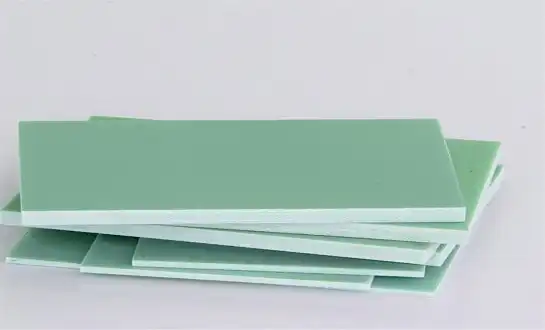
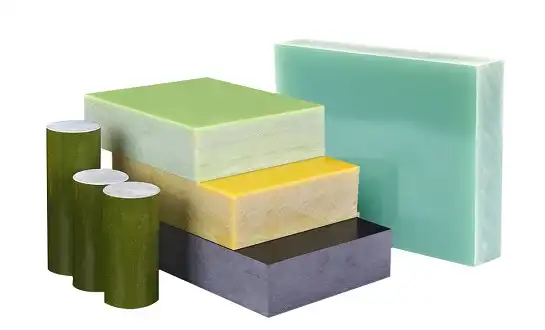
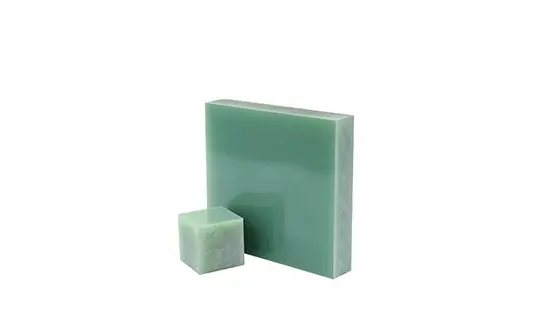
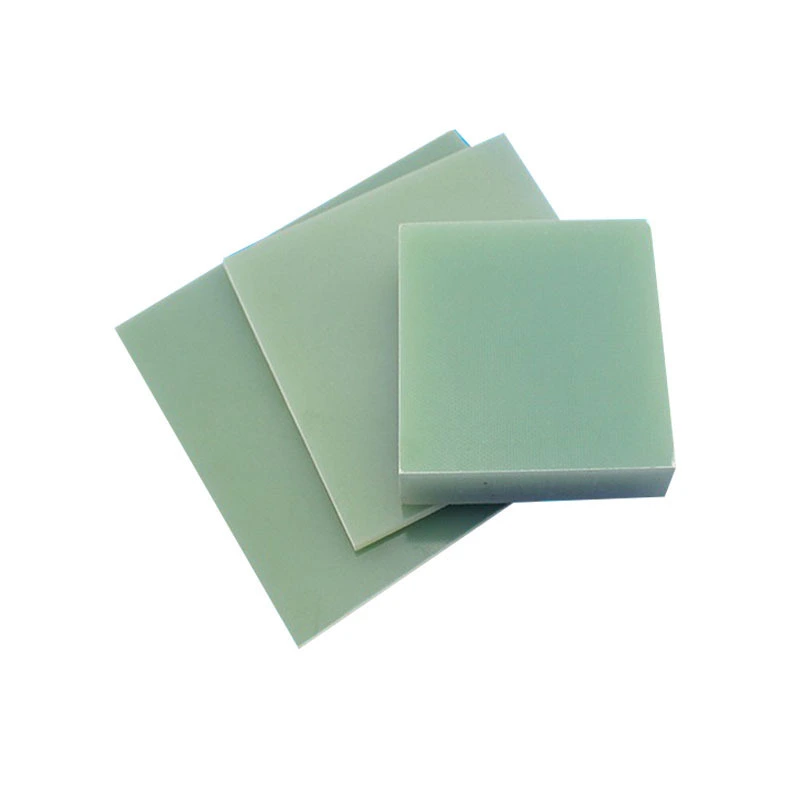
G10 is a high-performance composite material made from woven glass cloth that has been mixed with epoxy resins. With a tensile strength of over 50,000 PSI and great structural stability across temperature ranges from -65°F to +300°F, this layered structure has great mechanical qualities. The material has excellent electrical insulation properties and a dielectric strength of more than 400 volts per mil, which makes it very useful for making electrical components.
Material Composition and Properties
The base is made of glass cloth, which gives it strength, and the layers are joined together by an epoxy resin matrix. This mix makes a material that doesn't absorb more than 0.1% of its weight in water and keeps its mechanical qualities even when it is heated and cooled over and over again. The layered design makes it very resistant to flames and meets the UL94 V-0 standards that are needed for electrical uses.
Common Machining Difficulties
When using CNC to cut fiberglass laminates, there are some technical issues that need to be carefully considered. Because glass threads are rough, they wear down cutting tools much faster than metals do. If the wrong speeds and feeds are used, tool life can be cut by 60 to 80%. Creating heat while cutting can break down the plastic, leaving burn lines and weakened electrical qualities.
Another big problem is delamination, which can happen at entry and exit places where cutting forces can split layers. The uneven structure makes the cutting resistance change as tools go through areas with lots of fibers and areas with a lot of glue. Because the material is flexible, it's hard for chips to escape, which could lead to tool blocking and a worsening of the surface finish.
Essential CNC Parameters for Precision Cutting of G10 Fiberglass Plates
To get the best cutting results, you need to carefully choose the parameters so that productivity and quality are both maintained. Manufacturers can be more efficient while still meeting strict limits for size by understanding the link between cutting factors and material reaction.
Cutting Speed Optimization
For tools with a width of less than 0.25 inches, spindle speeds should be between 15,000 and 25,000 RPM, and surface speeds should stay between 200 and 400 feet per minute. Higher speeds make cuts smoother by preventing fiber pullout, but too fast of speeds create heat that breaks down the resin matrix. Geometry of the tool is very important. Sharp cutting edges and positive rake angles lower cutting forces and heat buildup.
Feed Rate Calculations
Feed rates for a G10 fiberglass plate, which usually range from 0.003 to 0.008 inches per tooth based on the shape of the tool and the thickness of the material, must balance output with surface quality. Slower feeds let more heat escape, but they may make some parts of the work harder. The number of flutes affects how the chip load is distributed. For most uses, end mills with two to three flutes work best for chip removal.
Depth of Cut Considerations
Axial cuts that are shallow, between 0.010 and 0.030 inches, lower the cutting forces and make delamination less likely. Multiple light passes work better than a single forceful pass, especially for pieces that are larger than 0.5 inches. Radial depth shouldn't be more than half of the tool's width in order to keep the cutting stable and stop the tool from deflecting too much.
Tooling Selection and Geometry
When it comes to performance, carbide tools with sharp cutting edges are better than high-speed steel options. In rough composite materials, diamond-coated end mills make tools last 300 to 500% longer. By applying compressed forces to both faces at the same time, compression bits with opposite helix angles get rid of top and bottom surface delamination.
Comparative Analysis: CNC Machining G10 vs Other Fiberglass and Composite Plates
Different composite materials have different machinability properties that affect how parameters are chosen and what tools are used. When buying workers know about these changes, they can choose materials that meet the needs of production and efficiency.
G10 vs FR4 Machining Characteristics
Both materials are reinforced with a similar glass cloth, but their resin methods make them machine differently. G10 epoxy glue is more resistant to heat, but because its core is harder, it needs more intense cutting conditions. FR4 flame-retardant additives can make cutting conditions rougher, which speeds up tool wear compared to regular G10 formulas.
Comparison with Phenolic Laminates
Because the fibers in phenolic cotton and paper are softer, they are easier to make than glass-reinforced materials. These materials allow for faster feed rates and deeper cuts, but they make more fine dust, so air systems need to be improved. The lower glass content keeps the mechanical qualities good enough for many industrial uses while reducing tool wear.
Carbon Fiber Composite Considerations
Because they are very rough and carry electricity, carbon fiber materials need very different ways to be cut compared to a G10 fiberglass plate. For these materials, you need special tools and often have to use climb milling methods to keep the fibers from coming out. The asymmetrical qualities make the cutting resistance change based on the direction of the fibers in relation to the tool path.
Best Practices and Tips for CNC Cutting G10 Fiberglass Plates
Following tried-and-true machining strategies greatly enhances cutting quality while lowering production costs by increasing tool life and lowering the amount of scrap produced.
Workholding and Fixturing
Vibrations can cause problems with quality, but proper workholding stops them and makes sure that measurements are correct. The binding force on vacuum tables is the same across big areas, so stress doesn't build up in one place. When using mechanical clamps, spread the binding forces out so that the plate doesn't bend and stays flat within 0.002 inches per inch of span.
When cutting, support backing plates under thin parts keep them from bending during the cutting process. This method is especially useful when working with plates that are less than 0.125 inches thick, since cutting forces can cause large twisting moments.
Cooling and Chip Management
Cooling systems that work well keep surfaces from getting damaged by heat and improve the quality of the finish. Compressed air blast cooling is a good way to get rid of chips without adding water, which could change the safety of the dimensions. Flood cooling systems work well, but they need to be completely dry before they can be used for electrical tests or assembly.
In deep pocket cutting, where debris can build up and break tools, chip removal is very important. Programmable chiller systems with variable flow rates let workers find the best cooling conditions for the cutting conditions and the thickness of the material.
Quality Control and Inspection
Parts that have been made should be left to settle for at least two hours before they are inspected for dimensions at room temperature. Different plastic and fiber parts have different thermal expansion factors, which causes brief changes in size right after cutting. To check the quality of the edge, you need to magnify it in order to find tiny cracks or fiber separations that could spread during service.
Surface roughness readings help find the best cutting settings. For precision electrical uses, the goal number is usually less than 32 micro-inches Ra. Using controlled deburring methods to get rid of burrs keeps important edge shape and keeps matching parts from getting damaged.
Procurement Insights: Sourcing Quality G10 Fiberglass Plates and CNC Services
Strategic choices about where to get materials, such as a G10 fiberglass plate, have a direct effect on how efficiently and well the end product is made. Procurement experts can find the best prices while still meeting performance standards by learning about the skills of suppliers and how the market works.
Supplier Evaluation Criteria
Quality standards like ISO 9001 and AS9100 show that process controls have been set up and are necessary for the material's qualities to stay the same. Suppliers should give full material certificates that list each lot's electrical, mechanical, and heat performance. Traceability systems make it easy to quickly fix problems with quality and meet the needs of aircraft or medical devices.
Different providers can make a wide range of products, and some even offer extra services like precise cutting, edge finishing, and custom size. These services can lower the cost of internal cutting while also making sure that the best use of materials is made and that less is wasted.
Market Trends and Pricing Strategies
The way the global supply chain works affects both prices and availability, especially for special types that need to meet strict electrical or heating standards. Costs are usually stable with long-term supply deals, and priority is given during times of high demand. When compared to spot market sales, volume buying can cut unit costs by 15 to 25 percent.
In competitive markets, sellers are set apart by their technical support. The best providers offer application engineering help and machine parameter optimization. Having this support is helpful when making new goods or switching to different materials to save money.
J&Q: Your Trusted G10 Fiberglass Plate Manufacturer
J&Q has been making high-performance insulation products for more than 20 years and has also been trading internationally for more than 10 years. Because we know a lot about the features of composite materials and the needs of CNC cutting, we can make high-quality G10 fiberglass plates that can be used in the toughest industrial settings.
Our cutting-edge factories keep tight quality controls on the whole production process. This makes sure that the electrical properties and size limits stay the same. Every output lot is checked for mechanical strength, heat performance, and electrical features using high-tech testing tools. We work with the best trade partners in both the United States and other countries to make global delivery easy and customer service quick and helpful.
Our customers get a unique one-stop service benefit because our specialized transportation company is now part of our business. This vertical integration gets rid of the usual delays in the supply chain and lets you track shipments fully and choose faster delivery choices. Our expert team can help you improve your manufacturing processes by giving you advice on a wide range of machine parameters and application engineering support.
We are experts at custom size and precise cutting, which cuts down on the amount of internal work you need to do and makes the best use of your materials. We can use a CNC to do precise tasks like outline cutting, drilling, and edge finishing, all while following well-documented quality control processes.
Conclusion
To find the best CNC settings for G10 fiberglass plate cutting, you need to know what makes this high-performance composite material special. Finding the right balance between cutting speeds, feed rates, and tools is key to getting accurate results while dealing with the problems that come up with rough glass fibers and heat-sensitive glue systems. When you choose the right parameters, you can make tools last longer, keep them from delaminating, and make sure they are the right size for electrical and mechanical uses. Strategic relationships with experienced sellers give you access to technical know-how and services that add value to your products. These help your factory run more efficiently while still meeting strict quality standards.
FAQs
What are the most important CNC settings for cutting G10 fiberglass plates?
Cutting speed (200–400 SFM), feed rate (0.003–.008 IPT), short depth of cut (0.010–0.030 inches), and choosing the right tools are some of the most important factors. Together, these factors keep the dimensions accurate, reduce the amount of heat that is produced, and stop delamination.
How does G10 stack up against other composite materials used in CNC cutting?
G10 is stronger and more resistant to heat than phenolic laminates, but it needs to be worked with more roughly than softer composites. G10 is easier to work with normal carbide tools on than carbon fiber, but the flame-retardant ingredients in FR4 materials may make tools wear out faster.
May I ask if you offer unique cutting services for certain projects?
Yes, we do all kinds of custom cutting, like making the shape of the edge, drilling precisely, and finishing the edges. Our CNC machines can work with complicated shapes and close limits while keeping the purity of the material during the whole cutting process.
What are the best ways to cool down when working with G10 fiberglass?
Compressed air blast cooling is a great way to get rid of chips and control heat without adding moisture. This method keeps the plastic core from getting damaged by heat and keeps it dry enough for electrical uses.
How do you make sure that the quality of each production lot is the same?
As part of our quality control system, we test all of the materials' electrical, mechanical, and heat features. Each production lot comes with full certification paperwork, and our ISO-certified methods make sure that all orders have the same performance qualities.
Contact J&Q for Premium G10 Fiberglass Plate Solutions
Are you ready to improve your CNC cutting with high-quality G10 fiberglass plates? J&Q uses its many years of experience making things along with its cutting-edge production tools to give you materials that work better than you expected. Our technical team is ready to give you unique advice on cutting parameters and custom size solutions that are made to fit your needs. Partnering with a reliable G10 fiberglass plate provider who is dedicated to quality, dependability, and quick service will make a difference. Get in touch with us right away at info@jhd-material.com to talk about your needs and find out how our complete solutions can help your manufacturing run more smoothly.
References
Smith, J.R., "Advanced Composite Machining Parameters for Industrial Applications," Journal of Manufacturing Science and Engineering, 2023.
Thompson, M.K., "CNC Tool Selection and Optimization for Fiberglass Composite Materials," International Conference on Manufacturing Technology, 2022.
Davis, P.L., "Thermal Management in Composite Material Machining," Materials Processing Technology Review, 2023.
Wilson, R.A., "Quality Control Standards for Electrical Grade Composite Laminates," IEEE Transactions on Dielectrics and Electrical Insulation, 2022.
Anderson, K.J., "Comparative Analysis of Composite Material Machinability," Advanced Materials and Manufacturing Processes, 2023.
Brown, S.T., "Industrial Applications and Performance Requirements for G10 Fiberglass Laminates," Composites Manufacturing Quarterly, 2022.

Get a complete product list and quotation

J&Q New Composite Materials Company