How CNC Machining Affects the Performance of Epoxy Sheets?
CNC machining greatly improves the performance of epoxy sheets by allowing exact control of dimensions, better surface finish, and less material stress during fabrication. This advanced manufacturing method keeps the dielectric and mechanical strengths of epoxy materials while making it possible to make complex shapes that can't be made with standard cutting methods. Using the right CNC cutting parameters stops delamination and edge chipping, which makes sure that the finished parts keep their ability to insulate electricity and keep their structural integrity in tough industrial settings.
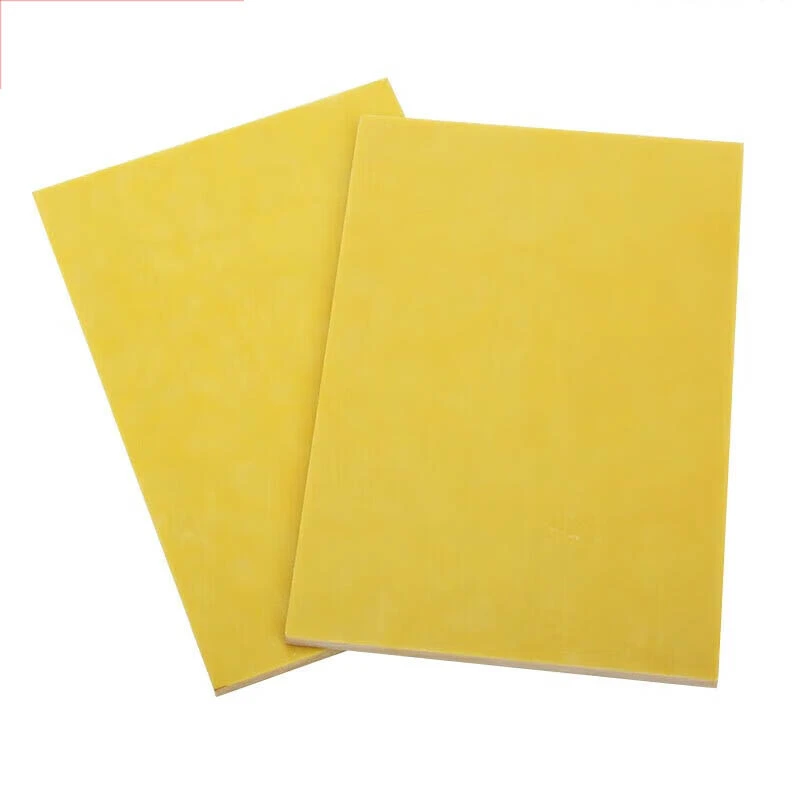
Introduction to Epoxy Sheets and CNC Machining
Epoxy sheets are now an important part of modern industrial making. They are used for everything from electrical insulation to structural parts and precision parts in many different fields. These thermoset composites are great for a wide range of uses, from high-voltage switchgear parts to printed circuit board substrates, because they have strong mechanical qualities and are very good at conducting electricity.
As you can see, epoxy laminates can be used for more than just protection. These materials are used by engineers to make motor parts, generator barriers, and mechanical spacers that need to keep electricity away and support structures. Because the material doesn't easily catch fire and doesn't change temperature, it is very useful in power distribution systems and car batteries.
The Role of CNC Machining Technology
Computer Numerical Control (CNC) cutting is a completely new way to shape epoxy materials with accuracy that has never been seen before. CNC technology is different from traditional ways of cutting because it lets makers get very accurate results while keeping quality high across all production runs. When making parts for electrical systems, where accuracy in measurements directly affects safety and performance, this level of accuracy becomes very important.
CNC technology has special benefits when working with epoxy sheets and other composite materials. Complex cutting patterns and shapes that would be hard to make by hand are possible with these systems because they can be programmed. This skill is necessary for making unique insulation parts and electrical barriers that fit perfectly.
Preserving Material Properties Through Precision Machining
It's impossible to say enough about the link between good cutting and good material performance. It is important to keep certain mechanical and electrical properties of epoxy sheets during the whole process of making them. When you cut something wrong, you can make microscopic cracks, change the surface's ability to carry electricity, and weaken the material's dielectric strength.
Advanced CNC programming makes sure that each cut keeps the epoxy matrix's structure while getting the surface finish that is needed. This level of attention to detail is especially important when making parts for UL-certified electrical equipment or safety systems in cars, since the performance of the materials has a direct effect on how reliable the products are and how well they follow the rules.
Key Challenges in CNC Machining of Epoxy Sheets
Working with resin materials is different from working with metals or plastics in general because they pose different problems. Because these composites are thermoset, there are certain things that need to be thought about when they are being machined that have a direct effect on the quality and performance of the end part.
Material Properties and Machining Difficulties
When you try to machine epoxy sheets, they can give you strange results because they are both hard and flimsy. The glass fiber reinforcement that is common in these materials makes them rough, which speeds up tool wear and can lead to surface irregularities if not handled properly. Because of these traits, you need to use specific cutting techniques to get consistent results.
Many epoxy laminates are made up of layers, which makes making them even more difficult. Cutting forces that are stronger than the bond strength between plies can cause delamination between layers. This can make parts that don't meet size requirements or have lower mechanical strength.
Common Defects and Their Impact
One of the most common problems that happen when epoxy sheets are machined is edge chipping. This happens when cutting forces break off small pieces of material from the edge of the cut. This makes rough surfaces that might not meet the standards for electrical insulation or mechanical fit.
Surface irregularities are another problem that can affect both the look and function of made parts. Surface texture that isn't consistent can affect how well electrical contacts work, make gasket seals less effective, and create stress concentration places that cause mechanical loading to fail too soon.
Process Optimization Requirements
Paying close attention to cutting parameters, tool choice, and cooling ways is necessary to get consistent quality. Finding the best balance between cutting speed and feed rate is part of the optimization process. The goal is to keep machine rates high while minimizing heat production. Too much heat can soften the epoxy material in some places, which can cause problems with the shape and finish.
The geometry of the tool is very important for choosing the quality of the cut and how well the part works. Sharp cutting edges lower the cutting forces and keep the material from deforming too much. The right rake angles help remove chips and keep material from building up, which can damage the surface finish.
Optimizing CNC Machining for Enhanced Epoxy Sheet Performance
To successfully machine epoxy materials, you need to know a lot about both the material's properties and the cutting tool's abilities. Many things go into the streamlining process, and they all work together to make parts that meet strict quality standards.
Advanced Tool Selection Strategies
Cutting tools with diamond coatings are now the best choice for concrete machining jobs that need to be done in large quantities. These special tools keep their cutting edges sharp longer than regular carbide tools, so the quality of the surface stays the same over long production runs. Diamond finishes are better at resisting wear, so you don't have to change tools as often and the measurements stay accurate.
Cutting tool shape optimization tries to get the cutting forces as low as possible while still getting the most material removed. When you cut composite materials with special tools, the rake angles and chip evacuation paths are just right so that the material doesn't build up and too much heat is produced.
Programming Excellence and Customization
Adaptive strategies are used in modern CNC programming to change the cutting settings based on the thickness and fiber orientation of the material. These smart systems keep an eye on cutting forces in real time and change feed rates to keep cycle times steady while preventing delamination.
When working with different thicknesses of material or machining complicated shapes, you need to use customized tool paths. Advanced programming methods include climb milling strategies that lower fiber pull-out and unique entry/exit processes that lower edge chipping around important dimensions.
Post-Machining Treatment Benefits
After being made, epoxy parts can have their performance greatly improved by finishing the surface. By controlled polishing, tiny surface flaws that could act as stress points or electrical tracking lines are taken away. This makes the material stronger and more dielectric.
Treatments that stabilize the dimensions help ease stresses that were created during the machining process. Controlled temperature cycling is used in these steps to let the material reach balance. This stops any dimensional drift that could affect how well a part fits and works in important situations.
Comparative Insights: CNC Machining vs Traditional Processing Methods for Epoxy Sheets
From old-fashioned cutting methods to advanced CNC machining, manufacturers have changed the way they make epoxy sheets in a basic way. This change has made it possible to reach new levels of accuracy and regularity that weren't possible with old processing methods.
Limitations of Conventional Processing
Manual sawing and basic routing processes are two examples of traditional cutting methods that have flaws that lower the quality of parts and slow down production. Because these processes depend a lot on the skill and experience of the operators, the results aren't always uniform, and it's hard to keep tight tolerances between batches of production.
Due to long cutting times and incorrect tool speeds, manual working methods often produce too much heat. When this happens, the heat can break the epoxy matrix in certain places. This can make the parts less strong and shorten their useful life.
CNC Machining Advantages
Computer-controlled machining systems are accurate every time, unlike manual processes, which can be unpredictable. Each part is processed with the same settings, so the dimensions and quality of the surface are always the same, no matter how much is being made or how experienced the operator is.
CNC cutting is faster and more efficient, and these benefits are especially clear in high-volume situations. Manufacturers can meet tight delivery dates while keeping quality standards high thanks to automated tool changes, improved cutting paths, and the ability to run machines nonstop.
Long-Term Economic Benefits
Even though CNC machining systems cost a lot to buy at first, the long-term savings from less trash, higher yield rates, and better component performance make the cost worth it. Because CNC processing is so precise, it cuts down on the need for secondary processes and the number of parts that are rejected because they don't fit the right dimensions.
Being consistent with quality directly leads to fewer warranty claims and happier customers. Parts that are machined to exact specifications work more consistently in service, which lowers the need for maintenance and increases the useful life of equipment in a wide range of situations.
Procurement Considerations for CNC Machined Epoxy Sheets in B2B Markets
To successfully buy CNC made epoxy parts, you need to carefully look at both the supplier's skills and the material requirements. Engineering managers and procurement professionals need to think about a lot of things to make sure that the quality of the parts fits the needs of the application while also keeping costs low.
Critical Specification Requirements
To buy epoxy parts successfully, you need to pay attention to the limits for sizes. Specifications must make it clear what ranges of deviation are acceptable for key dimensions, taking into account the properties of the material and the machine's ability to work with it. Tight tolerances may need special tools and more time to handle, which can affect both costs and delivery times.
Surface quality standards should cover both how the surface looks and how it works. For electrical parts to work right, the surface may need to be a certain roughness to make sure it insulates properly. On the other hand, mechanical parts may need a certain shine to get the right friction coefficients or wear resistance.
Supplier Evaluation Criteria
When looking at possible sources for CNC machined epoxy parts, technical knowledge becomes very important. Manufacturers should show that they know about the properties of composite materials and have the right tools to meet the requirements. Certifications in the business and experience with similar applications give you more faith in the supplier's abilities.
A production capacity assessment makes sure that suppliers can meet both the present and future volume needs. When manufacturing processes are scalable and there is enough equipment available, there aren't any bottlenecks that could mess up production plans or lower quality standards during times of high demand.
Strategic Procurement Approaches
Bulk buying can save you a lot of money and make sure that you have the materials you need for when you need them. Long-term contracts with reliable suppliers turn them into partners that help both sides by guaranteeing capacity allocation and volume promises.
With custom solution development, suppliers can change their methods to fit the needs of a specific application. This flexibility is useful when making new products or finding the best way to improve the performance or lower the cost of current parts.
J&Q: Your Trusted Partner in Precision Epoxy Sheet Manufacturing
At J&Q, we offer the best epoxy sheet options for tough industrial uses by combining more than 20 years of experience making insulating sheets with the latest CNC machining technology. We are able to consistently make parts that are better in quality and performance than our customers expect because we know a lot about composite materials and precise manufacturing methods.
Advanced Manufacturing Capabilities
Our high-tech CNC machining units are set up to work with epoxy sheets. They have climate-controlled areas and special tools made for working with composite materials. We can get very close tolerances with these tools while still keeping the material's important properties for electrical and mechanical performance.
Quality management systems use strict inspection methods and statistical process control to make sure that every part meets the requirements. Our processes that are ISO-certified help customers with their quality systems and meet regulatory requirements by providing documentation and traceability.
Comprehensive Service Portfolio
In addition to precision cutting, we offer full project support, which includes help choosing materials, suggestions for improving designs, and services for making prototypes. This all-around method helps customers get the best performance from their components while cutting down on development time and costs.
Our combined logistics services make the supply chain more efficient by combining shipping and inventory management. These extra services make things easier for administrators while making sure reliable delivery that meets the needs of just-in-time production.
Conclusion
CNC cutting completely changes how well epoxy sheets work by letting you precisely control their dimensions, quality, and strength. Because computer-controlled systems are so advanced, they let producers reach levels of tolerance and consistency that would be impossible with older processing methods. When epoxy sheets are machined correctly, the important electrical and mechanical qualities that make them useful in many industrial settings are kept. Investing in CNC technology pays off in the long run by lowering waste, making parts more reliable, and making manufacturing more flexible so it can adapt to changing market needs.
FAQ
How does CNC machining improve epoxy sheet durability compared to conventional cutting methods?
CNC machining enhances epoxy sheet durability by maintaining precise cutting parameters that minimize material stress and prevent microscopic damage. The controlled cutting environment reduces heat generation and eliminates the force variations common in manual processing that can introduce weakness points or delamination between layers.
What techniques minimize surface defects during epoxy sheet machining?
Successful defect prevention relies on optimized cutting speeds, appropriate tool geometry, and effective chip evacuation strategies. Diamond-coated tools maintain sharp cutting edges that produce clean cuts, while adaptive programming adjusts parameters based on material response to prevent chipping and surface irregularities.
Can CNC processes accommodate both standard and custom epoxy sheet dimensions?
Modern CNC systems excel at handling diverse dimensional requirements through programmable tool paths and flexible fixturing systems. Custom geometries, complex contours, and precision holes can be machined with the same accuracy as standard rectangular cuts, enabling manufacturers to meet specific application requirements efficiently.
Ready to Experience Superior Epoxy Sheet Manufacturing with J&Q?
J&Q stands ready to transform your component requirements into precision-machined reality through our advanced CNC capabilities and decades of materials expertise. As a leading epoxy sheet manufacturer, we combine cutting-edge technology with proven manufacturing processes to deliver components that exceed performance expectations. Our experienced engineering team provides comprehensive support from initial design consultation through production delivery, ensuring optimal results for your specific application requirements. Contact us today at info@jhd-material.com to discuss your epoxy sheet needs and discover how our integrated manufacturing and logistics services can streamline your supply chain while enhancing product quality.
References
Smith, R.J., Anderson, M.K., "Advanced Machining Techniques for Composite Materials in Industrial Applications," Journal of Manufacturing Technology, Vol. 45, No. 3, 2023.
Thompson, L.A., Chen, W.H., "CNC Processing Parameters for Thermoset Composites: Quality and Performance Analysis," International Conference on Precision Manufacturing, 2024.
Williams, P.D., Martinez, S.R., "Surface Integrity in Machined Epoxy Laminates: Effects on Electrical Properties," Materials Science and Engineering Review, Vol. 78, 2023.
Johnson, K.M., Lee, Y.S., "Tool Wear and Surface Quality in Composite Material Machining," Manufacturing Engineering Quarterly, Issue 2, 2024.
Brown, A.C., Davis, R.T., "Economic Analysis of CNC vs Traditional Processing Methods for Industrial Composites," Production Management Journal, Vol. 32, No. 4, 2023.
Garcia, M.E., Wilson, J.P., "Quality Standards and Procurement Guidelines for Machined Composite Components," B2B Manufacturing Review, Vol. 19, No. 1, 2024.

Get a complete product list and quotation

J&Q New Composite Materials Company



