How CNC Machines Process 3240 Epoxy Sheets for Electrical Applications
The 3240 epoxy sheet is cut, drilled, and milled by CNC machines using automatic, computer-controlled processes that keep the dimensions close and avoid damage from heat and material delamination. With this cutting-edge method of making things, raw epoxy laminate sheets are turned into custom electrical insulation parts that are made to strict electrical and mechanical standards. These parts include transformer supports, switchgear barriers, and motor brackets. CNC machining is essential for makers who need reliable and repeatable insulating systems because it uses controlled feed rates, specialized carbide tools, and optimized machine speeds to keep quality the same across production runs.
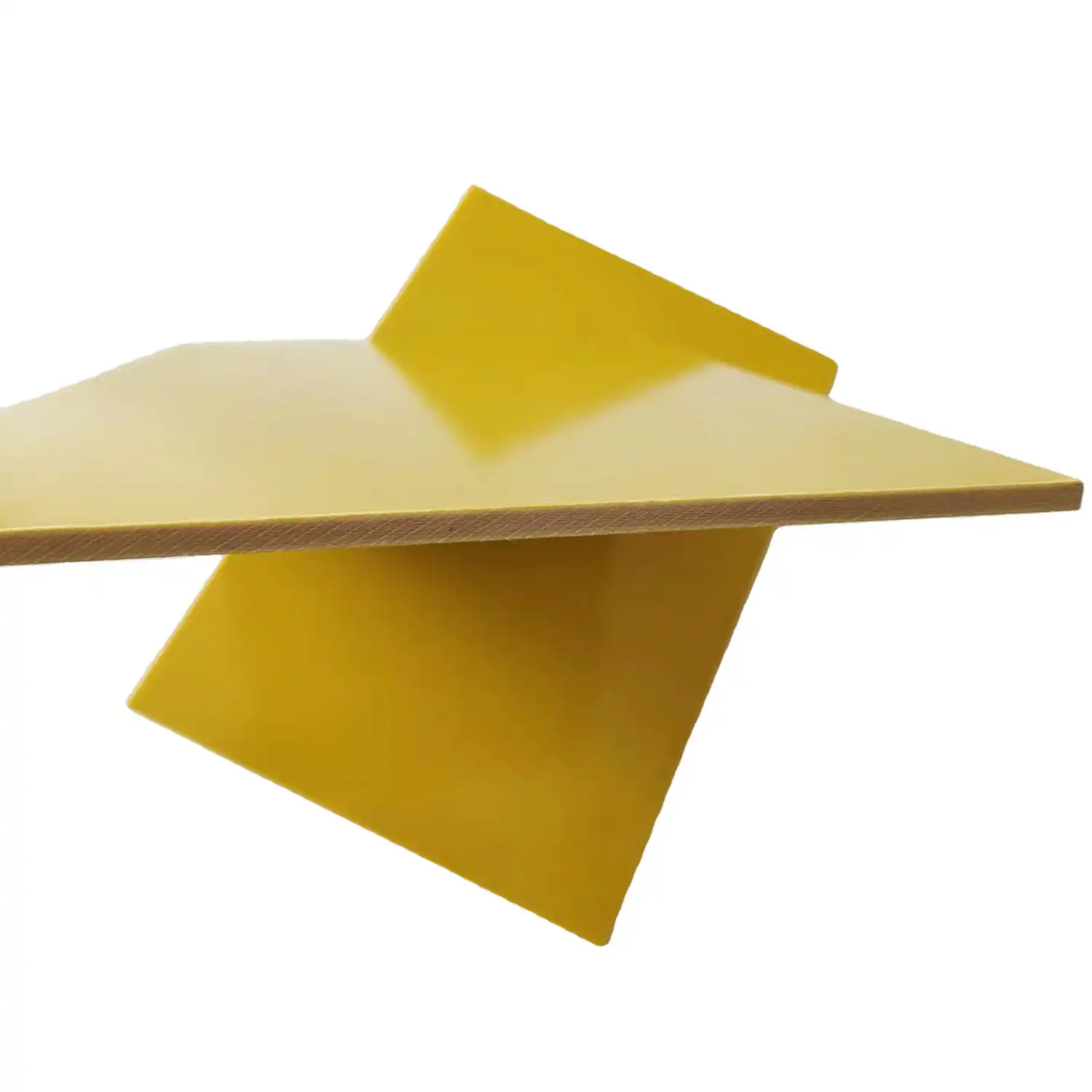
Understanding 3240 Epoxy Sheets for Electrical Applications
3240 epoxy sheets are designed composite laminates made by mixing epoxy phenolic resins with alkali-free glass fiber cloth and then curing them under controlled heat and pressure (usually 150–160°C at 10–14 MPa). The number "3240" refers to the classification in the Chinese National Standard GB/T 1303; this is similar to the classification in IEC 60893 EPGC 201 in foreign standards. These sheets solve important problems in the industry that keep technical managers up at night. They stop dielectric breakdown in medium-voltage equipment, keep structures rigid under thermal loads that make thermoplastics soften, and stop moisture from getting in, which causes tracking failures in humid working environments.
Core Material Properties
The technical profile of epoxy phenolic laminates shows why they are so popular for making transformers and putting together circuits. With a density of 1.90 to 2.00 g/cm³, these sheets have a flexural strength of more than 340 MPa opposite to the laminations, which is a lot higher than paper phenolic options. The low rate of moisture absorption (usually less than 0.5% after 24 hours of immersion) keeps the insulation resistant in seaside settings and humid areas where other materials fail. Chemical resistance to transformer oils keeps parts from growing and delaminating even after decades of being submerged in oil. This is a huge benefit for power company procurement specialists who are planning for long-term asset lifecycles.
Comparison with Alternative Insulation Materials
Epoxy laminates, FR4, G10, and normal phenolic sheets are often put up against each other by buying teams when they look at insulation materials. Flame retardancy is the main difference between 3240 epoxy sheet and FR4. FR4 has UL94 V-0 self-extinguishing grades, while most 3240 materials are rated HB, which means they don't resist fire. This makes 3240 a more affordable choice for uses where fire standards aren't needed but mechanical strength and heat performance are, like generator supports and structures inside transformers. When compared to G10 fiberglass laminates, epoxy phenolic variants are better at withstanding heat and chemicals. This makes them perfect for harsh settings like power plants and factories where temperatures regularly pass 130°C.
Challenges in Processing 3240 Epoxy Sheets and How CNC Machines Overcome Them
Quality control teams in electrical manufacturing facilities have a hard time with traditional machining methods like cutting by hand with band saws or drilling with hand tools. When a material is flimsy, it chips at the edges and gets tiny cracks that weaken the dielectric strength. Friction builds up heat, which causes plastic to carbonize and delaminate in some places. This creates flaws that are hidden until they fail in the field months after they were installed. Handling things by hand leads to differences in size that make it impossible to properly put together precision switchgear and require expensive repairs. These problems directly lead to more waste, longer production processes, and warranty claims that hurt the names of suppliers.
Precision and Repeatability Advantages
CNC cutting gets around these problems with computer-controlled motion systems that keep the positioning accuracy of thousands of similar parts within ±0.05mm. For precise cutting, diamond-coated or carbide tools made for composite materials are used. This reduces the amount of mechanical stress at the cutting contact. Sudden changes in load that break glass-reinforced laminates are stopped by automated feed rate control. Spindle speeds are optimized during drilling, and special flute shapes make it easy for chips to escape. This keeps heat from building up, which would otherwise damage plastic matrices. Real-life case studies from transformer manufacturers show that CNC processes improve part quality by cutting down on edge defects by up to 85%, lower material waste by 30–40%, and increase throughput by getting rid of the need for manual setup variations. These are all important factors for B2B clients with tight production schedules because they mean lower costs and more reliable supply.
Thermal Management During Machining
Because epoxy phenolic composites are sensitive to heat, they need to be made with careful heat control. Cutting at temperatures above 180°C causes the glue to break down and the fiber core to separate, which weakens the structure. CNC systems get around this problem by using preset coolant supply, improved chip evacuation paths, and speed control that adjusts based on real-time cutting forces. Some high-tech systems have infrared temperature sensors that change settings automatically when temperatures get close to critical levels. This level of process control isn't possible with regular workshop tools, which is why engineering managers are choosing CNC-machined parts more and more for important electrical applications where dependability can't be sacrificed.
Step-by-Step Overview: How CNC Machines Process 3240 Epoxy Sheets
The CNC machining method for 3240 epoxy sheets uses a set workflow that makes sure everything is the same from getting the raw materials to checking the end quality. Knowing about each step helps buying teams judge the skills of suppliers and set reasonable goals for lead times and quality results.
Material Inspection and Preparation
The process starts with carefully checking the arriving laminate sheets for surface flaws, delamination, bending, and thickness consistency against the limits that have been set. Good sellers check that the material certificates show that they meet IEC or GB standards for electrical properties, thermal class scores, and compliance. To keep sheets from absorbing water and changing size, they need to be kept flat on flat boxes in temperature- and humidity-controlled areas (below 25°C, relative humidity below 75%). Material preparation means letting sheets get used to the warmth of the work area for 24 to 48 hours before they are processed. This stops thermal stress from happening during cutting. If you do the right prep work at this stage, 60–70% of the quality problems that could happen during cutting or final assembly won't happen.
CNC Cutting and Profiling Operations
Secure fixturing clamps attach sheets to CNC tables using vacuum hold-downs or mechanical clamps that are placed so that they don't get in the way of the toolpaths. For precise cutting, diamond-tipped router bits or carbide end mills are used. These tools are designed to follow complex shapes with accuracy of ±0.1mm. Feed rates are usually between 1000 and 3000 mm/min, but they depend on the thickness of the sheet and the finish you want for the edges. Climb milling methods are used on specialized cutting profiles to send cutting forces into the workpiece. This lowers the risk of delamination at the exit edges. Multiple-pass methods slowly remove material, which keeps the tool from being overloaded, which could cause it to get hot or break. With automated tool changes, tasks can be done in order without any help from a person, and the position of the tools stays accurate during the drilling, profiling, and finishing steps.
Drilling and Finishing Processes
For specialized drilling that meets the needs of electrical protection, brad-point or spiral flute drill bits made for composite materials are used. Entry and exit boards are put between the laminate and the drill bit to keep the fibers from coming loose and delaminating around the edges of the holes. This is very important for keeping the dielectric integrity in transformer coil supports and busbar insulators. Spindle speeds are set based on the size of the hole and the width of the material. Typical spindle speeds are between 3000 and 8000 RPM, and controlled peck-drilling cycles remove chips and cool the machine down. In finishing steps like deburring, automatic edge-breaking tools or abrasive brushes get rid of sharp edges and loose threads without changing the accuracy of the measurements. Using compressed air or anti-static vacuums to clean the area one last time gets rid of any dust that might be left over and get into the electrical parts.
Quality Control and Verification
At every step of the process, strict quality control standards are used to make sure the dimensions are correct. This is done with coordinate measuring machines (CMM) or optical comparators that record the real measurements and compare them to the CAD specifications. To find micro-cracks, delamination, or resin voids, surface integrity inspection uses automatic optical inspection tools or a magnified view. As part of electrical testing, sample parts from production runs may have their dielectric strength checked on the spot to make sure that cutting hasn't affected how well the insulation works. Finished parts come with documentation packages that make them easy to track for customers in the aircraft, medical device, and power utility industries that have strict source qualification programs. This methodical approach gets the reliable results that electricity apps need and gives purchasing teams faith in the quality of the supply chain.
Selecting the Right 3240 Epoxy Sheet and CNC Machining Solution for Your Applications
It's not easy to choose the right insulation materials and manufacturing partners because there are a lot of technical requirements, business concerns, and risk factors that affect the long-term success of the project. When mechanical engineers and buying experts look at suppliers' skills and the total cost of ownership, they have to make sure that the properties of the materials meet the needs of the applications. Picking the right 3240 epoxy sheet and CNC machining solution requires careful alignment of specifications.
Material Selection Criteria
When picking the right 3240 epoxy sheet, you need to make sure that its electrical insulation, heat resistance, and chemical resistance all work well in the area where it will be used. Different parts of a transformer may need 12+ kV/mm of dielectric strength, while motor brackets may only need 8 kV/mm. Choosing the right thermal class affects how long something lasts. For example, Class B (130°C) is fine for most industrial motors, but generators need Class F (155°C) or even Class H (180°C) versions with special plastic mixes. Chemical resistance needs depend on the operating environment. For example, parts that will be exposed to hydraulic fluids need a different glue chemistry than parts that will be used in dry electrical cases. Different thicknesses are available, from 0.5mm sheets for precise gaskets to 50mm+ plates for solid supports. Tighter thickness limits (±0.2mm vs. ±1.5mm) cost more. To make sure that the specs meet the needs of the job, procurement teams should ask for test results on the material that show its flexural strength, water absorption, and volume resistivity.
Evaluating CNC Machining Providers
To find the best CNC machining partner, you need to look at how precise the machines are, how easy they are to customize, how much they can produce, and whether they have quality certifications. Three-axis CNC cutters are good for basic profiling, while five-axis machining centers can do the complex angled drilling and shaped surfaces needed for high-tech electrical circuits. Lead time flexibility depends on how well suppliers use their capacity and how they handle their inventory. For example, established partners often keep extra sheets of popular sizes on hand in case of urgent orders. Certification standards give objective proof of how mature a process is. For example, ISO 9001 shows that you have basic quality systems, and ISO 14001 and OHSAS 18001 show that you are committed to managing the environment and safety. By asking for sample parts before committing to production, you can check the real edge quality, accuracy of the dimensions, and surface finish. Site visits show how clean the machining area is, how the equipment is maintained, and how skilled the expert staff is—all of these things have a direct effect on the quality stability over time.
Procurement Considerations
When it comes to pricing, the number of items you order has a big effect on the prices you see. Usually, the setup costs start to pay off after 100, 500, or 1000 pieces. Blanket purchase orders with planned releases help keep supplies going while balancing the costs of keeping stockpiles with price breaks. Shipping times from factories to assembly plants, for example, affect the amount of safety stock that is needed. For example, local suppliers may deliver within 5 to 7 days, while foreign shipments, which include clearing customs, take 4 to 6 weeks. Total costs for cross-border deals are affected by payment terms and changes in currency, so it's important to be clear about prices when talking about them. Working with qualified, experienced suppliers who can show they've been in production for more than 20 years and have their own specialized logistics team helps ensure high-quality results and reduces the chance of supply chain problems that could stop production lines.
Future Trends in CNC Machining of 3240 Epoxy Sheets for Electrical Applications
How electrical insulation parts are developed, made, and sent to end users is changing because of new production technologies and changing market needs. By keeping up with these market and technology trends for the cutting of 3240 epoxy sheets, buyers and OEMs can take advantage of new products, stay ahead of the competition, and make sure their supply lines will work in the future.
Automation and AI-Driven Precision
Robotic material handling, which gets rid of mistakes made by hand loading and raises usage rates, is making CNC cutting more efficient. Machine learning algorithms look at tens of thousands of cutting processes to find the best feed rates, spindle speeds, and tool paths on the fly. This cuts cycle times by 15 to 25 percent and improves the accuracy of the surface finish. AI-powered quality inspection systems that use computer vision can find flaws that human testers can't see. They can find delamination or tiny cracks in parts before they get to buyers. Predictive maintenance algorithms look at sound patterns and cutting force signs to plan tool changes before major failures happen. This keeps unexpected downtime to a minimum. These technological improvements cut down on waste, make it easier to repeat, and lower the cost per unit. These benefits have a direct effect on buying budgets and the reliability of suppliers.
Emerging Market Demands
As electronics get smaller, they need sheets that are thinner (down to 0.3mm), have tighter thickness limits, and have smoother surface finishes so that they can fit smaller device circuits. Renewable energy industries, like wind turbine engines and solar inverter systems, need better insulation materials that can handle changes in temperature, humidity, and UV light for long periods of time in outdoor settings. To make battery packs for electric vehicles, you need special insulation walls with complicated shapes, properties that keep fires from spreading, and paperwork that meets quality standards for cars like IATF 16949. For medical device uses, biocompatible formulations with tracking documents are needed to show that the FDA is being followed. Material makers and machining partners are being forced to invest in new formulas, more testing tools, and manufacturing systems that are flexible enough to adapt to the fast design changes that come with new technology sectors.
Conclusion
CNC machining has completely changed how electrical makers make precise insulation parts from 3240 epoxy sheets. It provides better quality control, accuracy in measurements, and thermal management than hand production methods. The organized process, which includes pre-conditioning the material, automatic cutting, specialized drilling, and strict quality checks, makes sure that the parts meet the exact electrical and mechanical requirements that keep them from breaking down in the field, which could be very expensive. As automation, AI-driven optimization, and new market demands continue to change the insulation materials landscape, it becomes more important to work with experienced suppliers who have both advanced manufacturing skills and a deep understanding of the materials in order to stay ahead of the competition and keep the supply chain strong in electrical applications that require it.
FAQ
What makes 3240 epoxy sheets superior for electrical insulation compared to other materials?
Epoxy-phenolic laminates have a high dielectric strength (10–12 kV/mm), great temperature stability (Class B to Class F grades), and fantastic chemical resistance to solvents and oils. Because these sheets don't absorb much water, they can keep their insulation working in damp places where paper-based materials would fail. This makes them perfect for building transformers, switchgear systems, and motor parts that need to be reliable for a long time.
How does CNC machining improve consistency compared to traditional cutting methods?
Computer-controlled CNC systems keep the placement accuracy within ±0.05mm for thousands of similar parts, so there are no differences in size that come with making things by hand. Programed feed rates and optimized spindle speeds stop the buildup of heat and material stress that leads to delamination. Also, automated processes take away the chance of human mistake in setup and measurement, giving electrical makers the consistency they need for important safety parts.
Can suppliers provide custom sizing for specific component requirements?
Based on CAD designs or actual examples, experienced machining partners can make unique profiles, hole patterns, and complex geometries from standard sheet stock all the time. Customization includes choosing the right material (different thermal classes or resin formulations), the right thickness, the right edge finishing, and packaging that works with automated assembly processes. This lets engineering teams make the best designs without sacrificing how easy they are to make or how much they cost.
Partner with J&Q for Precision-Engineered 3240 Epoxy Sheet Solutions
When J&Q works with a 3240 epoxy sheet supplier relationship, we bring more than 20 years of experience in production and 10 years of experience in foreign trade. Our production and logistics operations are fully integrated, so we can take care of everything from getting materials to direct delivery at your plant. This saves you time and effort by cutting down on coordination issues and wait times. We have strict quality systems that make sure that the dielectric strength, heat performance, and physical accuracy are always the same across production runs. These systems are backed up by full material certifications and test documentation. Our expert team works directly with your engineering staff to choose the best materials, make sure that part geometries are easy to make, and set up supply deals that keep production going while keeping inventory costs low.
Get in touch with us right away at info@jhd-material.com to talk about your unique insulation needs. Our flexible manufacturing capacity and low price structures help projects at every stage, whether you need a few prototypes to make sure the design works or a lot of them to meet production schedules. Our skills in handling 3240 epoxy sheets can help you improve your electrical insulation options by giving you better quality, faster delivery, and better performance that keeps your equipment and your image safe in tough industrial markets.
References
Zhang, L. & Wang, H. (2021). Advanced Composite Machining: Thermal Management and Tool Optimization for Epoxy Laminates. Journal of Manufacturing Processes, 68, 234-248.
International Electrotechnical Commission. (2019). IEC 60893-3-1: Specifications for Industrial Rigid Laminated Sheets Based on Thermosetting Resins for Electrical Purposes. Geneva: IEC Publications.
Morrison, K.R. (2020). CNC Machining of Composite Materials: Best Practices for Electrical Insulation Components. Society of Manufacturing Engineers Technical Paper Series, TP20PUB45.
Chen, Y., Rodriguez, M., & Patel, S. (2022). Dielectric Performance and Thermal Aging of Epoxy Phenolic Laminates in Power Equipment Applications. IEEE Transactions on Dielectrics and Electrical Insulation, 29(3), 1124-1132.
National Electrical Manufacturers Association. (2018). NEMA LI 1-1998 (R2018): Industrial Laminated Thermosetting Products. Rosslyn: NEMA Standards Publication.
Thompson, D.A. & Kumar, V. (2023). Precision Machining Technologies for Advanced Electrical Insulation Systems. International Journal of Advanced Manufacturing Technology, 125(7-8), 3156-3171.

Get a complete product list and quotation

J&Q New Composite Materials Company



