G11 Sheet CNC Machining: Tools, Speeds, and Tolerances
If you want to get great results with G11 sheet CNC machining, you need to know a lot about cutting tools, the best spindle speeds, and precise limits. To get around problems like fiber pull-out and thermal breakdown, this fiberglass-reinforced epoxy laminate material needs careful parameter selection and molding techniques. Knowing these important machining factors helps companies make the most of their resources while keeping the excellent electrical insulation and mechanical qualities that make G11 sheets necessary for making electrical parts, rocket components, and industrial equipment.
Understanding G11 Sheet Material in CNC Machining
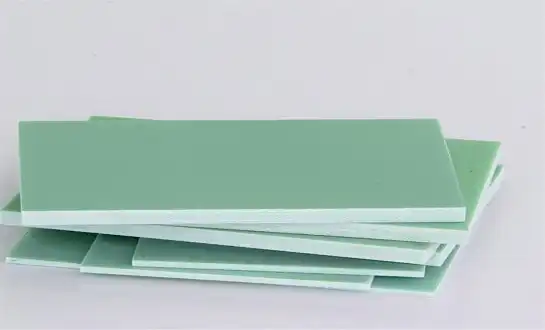
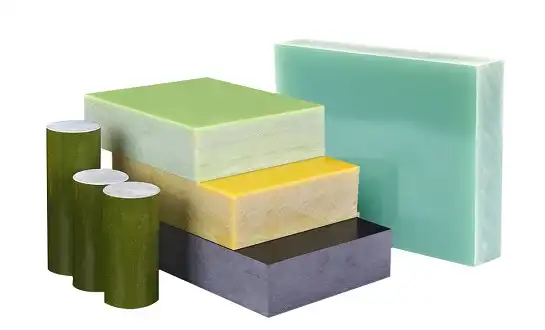
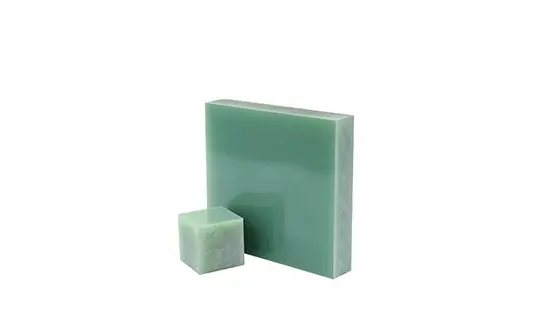
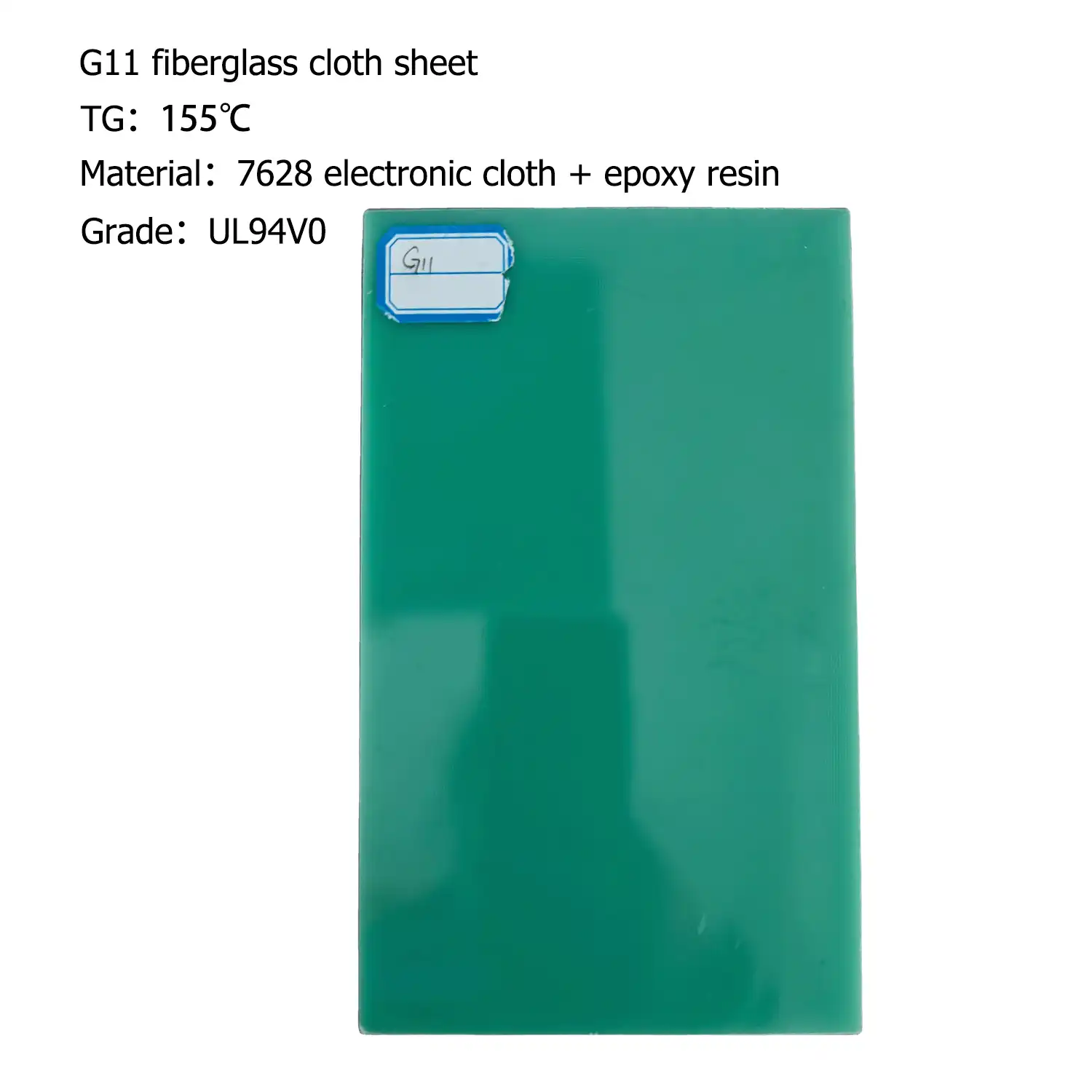
G11 sheet is a high-quality fiberglass-reinforced epoxy material that is well-known in the aircraft, industrial manufacturing, and electrical insulation industries. This composite material is made up of woven glass cloth and epoxy resin systems. It has great electrical insulation qualities, as well as great mechanical strength and thermal stability. The special fiber-resin matrix structure makes the material better than other materials, but it makes it harder to machine and needs special methods.
Key Properties Affecting Machining Performance
Because G11 sheets are reinforced with glass fiber, they create rough conditions that speed up tool wear during CNC operations. In contrast to materials that are all the same, the alternate layers of fiber and resin can cause different cutting forces, which could cause delamination or fiber pull-out if the wrong methods are used. Temperature sensitivity is very important because too much heat can soften the epoxy matrix, which can affect the accuracy of the measurements and the quality of the finish on the surface.
For electrical shielding purposes, the surface must meet quality standards that keep insulating strength and stop moisture absorption. For proper building and performance, parts of industrial tools need to be within very small ranges of dimensions. These application-specific needs affect the choice of cutting parameters and quality control measures all the way through the production process.
Industry Applications Driving Machining Requirements
For transformer insulation and switchgear uses, power distribution equipment needs G11 parts that are carefully machined. Automakers use these materials for battery pack dividers and thermal control parts that need to stay the same size even when the temperature changes. For aerospace uses, structural insulation parts need to be light, have to meet tight tolerances, and be able to be approved and tracked.
Understanding these different application needs helps the purchasing and engineering teams set the right quality standards and machine specs. The choice of materials and the conditions of the process must match the performance needs of the end use while keeping costs low across all output levels.
Selecting the Right CNC Tools for G11 Sheet Machining
To machine fiberglass-reinforced epoxy laminates like a G11 sheet well, you need cutting tools that are made to work with the rough fiber content and resin matrix materials. The choice of tool has a big effect on output, surface quality, and total manufacturing costs because it affects how well the tool cuts and how long it will last.
Cutting Tool Materials and Coatings
Carbide cutting tools are hard and don't break down easily, which is what you need to effectively work with glass fiber reinforced materials. When it comes to high-volume production runs where longer tool life is worth the extra cost, diamond-coated tools are the best choice. Polycrystalline diamond (PCD) tools have great edge retention and surface finish quality for precise tasks that don't need a lot of post-processing.
The shape of the tool becomes very important for getting the best cutting performance. Sharp cutting edges lower the cutting forces and heat that are produced, and the right helix angles help chips escape and keep material from building up. Edge preparation methods, such as grinding or sharpening, improve the performance of tools by getting rid of stress points that speed up wear.
Tool Geometry Optimization Strategies
The choice of helix angle affects how chips form and move away during cutting processes. Higher helix angles make cutting easier and lessen the force needed to cut, but they may weaken the tool for heavy-duty jobs. The quality of the cut and the amount of heat produced are directly related to how sharp the edges are. Sharper tools make better cuts but need to be replaced or reconditioned more often.
Watching how tools wear down over time gives you useful information for planning when to replace them and keeping quality problems from happening. Predictive maintenance methods that use tool condition tracking systems can cut down on unplanned downtime and keep the quality of parts uniform across production runs.
Optimizing Speeds and Feeds for Efficient and Precise Machining
To get the best quality and efficiency from machining G11 materials, you need to carefully balance the machine speeds, feed rates, and cutting levels. Optimizing parameters has a direct effect on tool life, surface finish quality, and dimensional accuracy. It also has an effect on the total output and prices of manufacturing.
Recommended Parameter Ranges and Guidelines
When choosing a spindle speed, you need to think about the width of the material, the depth of the tool, and the quality of the surface finish you want. Higher speeds usually make the surface finish better, but they also raise the risk of heat generation, especially when working with thicker materials or tools with smaller diameters. Feed rate optimization strikes a balance between the need for high output, good surface quality, and long tool life.
The following factors give you a place to start your improvement work. When cutting thin to medium-thick sheets, spindle speeds between 15,000 and 25,000 RPM usually work well for end mills with a smaller width. Feed rates between 100 and 300 inches per minute can be good for work while keeping the quality of the surface, but it depends on the cutting depth and the shape of the tool.
Changing the cutting depth for a G11 sheet helps keep cutting forces and heat under control during grinding processes. Deeper cuts may improve efficiency but may hurt surface quality or tool life. Shallow cuts, on the other hand, reduce tool loading and heat buildup but make the cutting process take longer. To find the best balance, you need to think about the shape of the part, the tolerances that need to be met, and the expected production number.
Cooling and Lubrication Considerations
When G11 grinding, it's important to keep the dimensions and surface quality accurate by getting rid of chips well and managing heat well. Air blast systems help get rid of glass fiber chips that, if left to build up, can scratch the surface or change the size of something. Mist cooling devices lower the temperature without exposing materials to too much moisture, which could change their qualities.
These methods for managing heat allow for higher productivity in the machining settings while protecting the quality of the workpiece and the performance of the cutting tools. Figuring out how cooling works in relation to the factors of the cutting process helps make the whole process more efficient.
Maintaining Tight Tolerances with G11 Sheet CNC Machining
To get precise tolerances with fiberglass-reinforced epoxy materials, you need to carefully monitor the whole process, taking into account the machine's capabilities, the surroundings, and how the materials are handled. Tolerance management works best when equipment is set up correctly and quality is checked regularly during production processes.
Achievable Tolerance Standards and Control Methods
Standard cutting margins for G11 materials are usually between ±0.002 and ±0.005 inches, but this can change based on the complexity of the part and the shape of the features. Most of the time, tighter tolerances can be achieved with linear measurements than with complicated curves or thin-walled features, where the material may bender during machining. If the right drilling methods and tools are used, the accuracy of where the hole is located is usually within ±0.001 to ±0.003 inches.
Dimensional precision is directly affected by how stiff the machine is and how the spindle is working. If the machine isn't stiff enough or the spindle bearings are worn out, vibrations can cause tolerance differences that are especially hard to deal with when working with glass fiber materials. Regular repair and studies of a machine's capabilities help find possible accuracy problems before they affect the quality of the work that is being made.
Environmental Factors and Mitigation Strategies
During precision cutting of a G11 sheet, changes in temperature affect both the size of the object and the accuracy of the machine. The thermal expansion rates for G11 materials are different from those for machine tool materials. This could cause problems with accuracy when temperatures change a lot. Climate-controlled manufacturing settings help keep these variables stable and make it easier to repeat measurements.
Controlling humidity stops moisture from absorbing, which could change the qualities and security of the material's shape while it is being machined and later handled. When you store and handle materials the right way, they stay in the same state so that you can get consistent cutting results and accurate measurements.
Case Studies: Successful CNC Machining Projects Using G11 Sheets
Examples of manufacturing in the real world show how to meet strict tolerance and quality standards while keeping production costs low. These case studies show ways to solve problems and make processes better that the buying and tech teams can use in their own work.
High-Volume Production Success Stories
A big company that makes electrical equipment cut costs by a lot by making the best choices for tools and cutting settings for transformer insulation parts. By using diamond-coated tools and fine-tuning the cutting settings, they increased the life of the tools by 200% and made the surface finish more consistent across all production runs. Systematic parameter adjustment that found a balance between quality and efficiency goals was the big step forward.
One improvement to the process was automatic tracking of tool state, which stopped problems with quality caused by worn tools and cut the rate of scrap by 75%. Working together with suppliers made it possible to make changes to the material specifications that made it easier to machine without affecting its electrical performance.
Specialized OEM Solutions and Innovations
A company that makes parts for airplanes came up with custom fixturing solutions that stopped workpiece bending during thin-wall cutting operations. Their creative method combined smart placement of supports with perfect cutting processes that reduced leftover stresses and kept measurements accurate even when the shapes were complicated.
These changes made it possible to make lightweight structural insulation parts with limits that were thought to be impossible to reach with traditional methods. These lessons show how important it is to create a full process that takes into account the features of the material, the machine's abilities, and how the part's shape affects the process.
Conclusion
To successfully machine G11 sheets, you need to know how to deal with the special problems that fiberglass-reinforced epoxy materials pose and use the right tools and settings. When choosing tools, you should put wear resistance and cutting performance at the top of your list. The best speed and feed settings will help you balance quality standards with productivity needs. To get close tolerances, you need to use structured process control that takes into account machine capabilities, external factors, and how to handle materials.
If you want to make things with these advanced hybrid materials, you need to pay close attention to process creation and keep making them better. Investing in the right methods and tools leads to better part quality, lower production costs, and reliable results that meet the needs of demanding industry uses.
FAQ
What are the best tools for cutting G11 sheets?
For most G11 grinding tasks, carbide cutting tools are very resistant to wear. Diamond-coated tools work better for high-volume output where the longer life of the tools explains the higher cost at first. To get a good surface finish and keep heat generation to a minimum during grinding, the cutting edges must be sharp and the helix angles must be correct.
How can the speed of cutting be increased without lowering the quality?
It is much more efficient to adjust spinning speeds and feed rates based on the thickness of the material and the tool being used. Using effective methods for cooling and chip evacuation lets you use higher cutting settings while keeping the quality of the surface. Regularly checking the state of tools stops problems with quality, makes the best use of tools, and cuts down on unplanned downtime.
What kinds of limits can be reached with G11 sheet CNC machining?
For most parts, standard limits are between ±0.002 and ±0.005 inches, and hole location accuracy is usually within ±0.001 to ±0.003 inches. To get tight specs, you need to keep your machines in good shape, keep an eye on the surroundings, and keep an eye on quality throughout the whole production process.
Partner with J&Q for Premium G11 Sheet Manufacturing Solutions
With more than 20 years of experience, J&Q knows how to make and sell high-quality insulation materials, such as precise G11 sheet goods for tough industrial uses. Our wide range of manufacturing skills and deep knowledge of CNC cutting give your projects the precision in measurements and high quality surfaces they need. We know the unique problems that electrical makers, industrial equipment builders, and auto suppliers face because we've been dealing internationally for more than ten years and have formed relationships with some of the biggest companies in the world. Get in touch with our expert team at info@jhd-material.com to talk about your unique G11 sheet supplier needs and find out how our combined logistics solutions can help you run your supply chain more efficiently.
References
Matthews, R.K. "Advanced Composite Machining: Techniques for Fiberglass-Reinforced Plastics." Industrial Manufacturing Quarterly, 2023.
Chen, L.P. "Tool Wear Analysis in Glass Fiber Reinforced Epoxy Machining." Journal of Manufacturing Science and Engineering, 2022.
Anderson, M.J. "Precision Tolerance Achievement in Composite Material CNC Operations." Manufacturing Engineering Review, 2023.
Thompson, K.R. "Thermal Management Strategies for High-Performance Composite Machining." Advanced Materials Processing, 2022.
Williams, D.S. "Quality Control Systems for Electrical Insulation Component Manufacturing." IEEE Transactions on Industrial Applications, 2023.
Rodriguez, C.A. "Optimization Methods for Multi-Axis Machining of Reinforced Thermosetting Composites." International Journal of Machine Tools and Manufacture, 2022.

Get a complete product list and quotation

J&Q New Composite Materials Company