Custom CNC Machined Parts Made from 3240 Epoxy Sheet
Custom CNC cut parts made from 3240 epoxy sheet are an important part of modern industrial manufacturing because they are very strong and don't conduct electricity well. The 3240 epoxy sheet is made of quality epoxy resin and glass fiber reinforcement. It is a flexible material that can be used for precise machining in the automobile, power systems, and electronics industries. This high-performance laminate has the best dielectric qualities, thermal stability, and consistent dimensions that production engineers need for important parts.
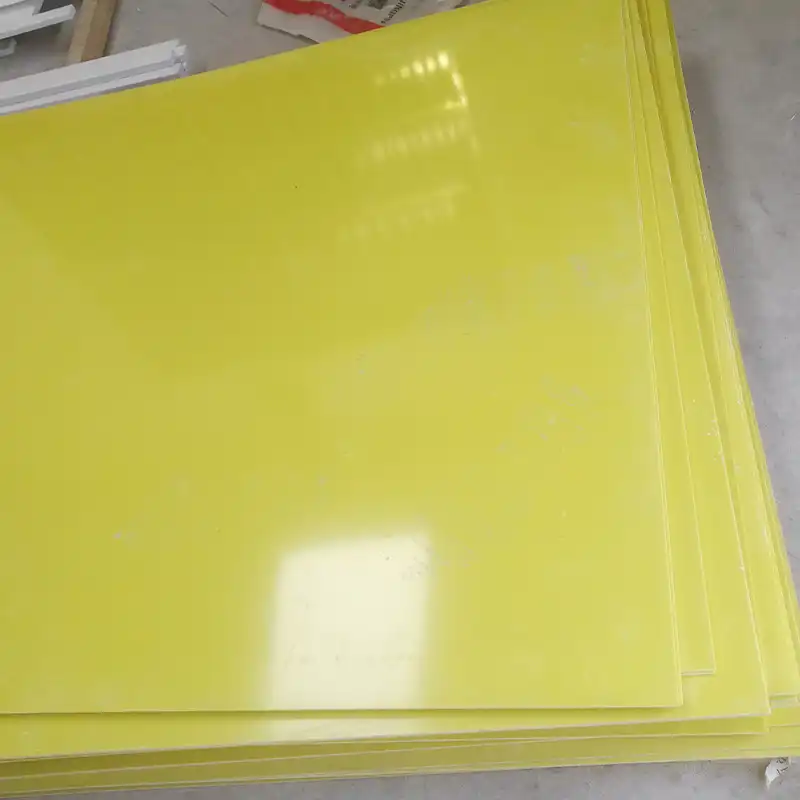
Understanding 3240 Epoxy Sheet for Custom CNC Machining
In the world of engineering, the 3240 epoxy sheet is a unique material that meets the needs of both electrical performance and mechanical sturdiness. A lot of care goes into making this glass fiber-reinforced epoxy laminate. Epoxy resin is mixed with layers of glass cloth, and the mixture cures at a specific temperature and pressure. As a result, the material is uniform and has the same qualities all the way through it.
Material Composition and Manufacturing Process
Carefully chosen raw materials are the building blocks of every good epoxy veneer. The backbone of the structure is made of glass fiber, which has great tensile strength and physical stability. The epoxy glue binder holds these fibers together and makes them more resistant to chemicals and electrical current. During production, several layers are hot platens and pressed and sealed to make sure the best fusion and lowest void content.
These sheets can usually handle temperatures higher than 130°C when they are used continuously, which makes them good for harsh thermal conditions. The material doesn't change its mechanical qualities when the temperature drops below zero. It can also handle high temperatures that are common in power distribution equipment and car uses.
Key Technical Specifications
The dielectric strength is usually between 16 and 20 kV/mm, which makes it a safe way to separate high-voltage electrical signals. The material doesn't absorb much water, so its electrical properties stay fixed even in damp places. Flexural strength of more than 400 MPa and high impact resistance are two important mechanical strength qualities for structural uses in machinery and equipment.
The even density and even spread of fibers make CNC machining processes reliable and effective. When the right cutting settings are used, the tool life stays very good, and the material cuts cleanly without a lot of fiber pull-out or delamination when it is handled properly.
Advantages and Applications of 3240 Epoxy Sheet in CNC Machined Parts
Materials that work reliably under stress and keep their exact dimensions, such as a 3240 epoxy sheet, are needed in industrial settings. This epoxy laminate works great in places where both electrical protection and industrial strength are very important.
The main benefits of this information go beyond simple measures of success. These are the main perks that tech teams see:
- Better electrical insulation: keeps its dielectric qualities even when temperatures and humidity change, which is important for power transfer and control equipment.
- Excellent cutting properties: allows for close spec work with little tool wear, making it possible to make complex shapes and smooth surfaces.
- Thermal stability under load: keeps its mechanical properties at high temperatures and doesn't expand during heating, which could make it harder to fit together.
- Chemical resistance: can handle oils, acids, and cleaning products that are popular in industrial settings
When used in challenging situations, these benefits directly lead to more reliable products that last longer. The reliable behavior during both machining processes and end-use performance is appreciated by manufacturing engineers.
Industry Applications and Case Studies
Machined parts are used by electronics companies to make PCB support structures, transformer insulation barriers, and switchgear systems. Due to its electrical properties and high mechanical strength, the material is perfect for uses where regular plastics don't work well enough.
Companies that make and distribute electricity depend on custom-machined parts for bushings, coil insulation, and spark barriers. The flame-retardant and thermally stable qualities make it safe to use in places with a lot of electricity where failure is not an option.
These materials are used in the transportation and automotive industries to make heat control parts, motor mounting brackets, and battery pack insulation. It's useful for next-generation car designs because it can keep its properties over a wide range of temperatures and resist automobile fluids.
Comparing 3240 Epoxy Sheet to Alternative Materials
Choosing the right materials has a big effect on both how well the product works and how efficiently it is made. Knowing the differences in benefits helps buying teams make smart choices that meet the needs of the project and stay within the budget.
Performance Comparison with FR4 and Fiberglass
When compared to FR4 sheets, the 3240 epoxy sheet type has better mechanical strength while keeping the same electrical qualities. The glass fiber support makes the material more resistant to impacts and keeps its shape under mechanical stress. Because it is cheap, this material is often chosen for uses that need strong structure performance and electrical protection.
Epoxy-based sheets are more resistant to heat and don't absorb as much water as regular fiberglass laminates. The epoxy resin system sticks very well to the glass support, which makes it less likely that the layers will come apart during service or cutting.
Advantages Over Phenolic and Other Insulators
Even though phenolic materials are cheaper, they can't compare to epoxy laminates when it comes to protection to temperature and strength. Epoxy sheets are easier to work with than other materials, so they can be made with more complicated shapes and tighter standards. This gives engineering teams more design options.
Paper-based laminates and other traditional electrical insulation aren't stable enough in size for precise uses. Because epoxy sheets have uniform properties and a small range in thickness, they work reliably in important assemblies where reliability can't be sacrificed.
Procurement Guide: Buying 3240 Epoxy Sheet for Custom CNC Machining
Good buying plans find a balance between the quality of the materials, the dependability of the supply chain, and lowering costs. Knowing how the market works and what suppliers can do makes sure that materials are always available for production plans.
Supplier Selection and Qualification
To find suitable suppliers, you need to look at their manufacturing skills, quality control methods, and expert help resources. Established providers make sure that the properties of their materials stay the same by using strict process controls and inspecting all arriving materials. Certification to well-known quality standards shows that you care about making sure your products are always the same and your customers are happy.
For the supply chain to be resilient, suppliers must have enough capacity and inventory control methods must be in place. Partners who know what the customer wants and keep smart stock levels help just-in-time manufacturing strategies work and keep production from stopping.
Pricing Factors and Lead Time Considerations
The cost of materials changes depending on the price of raw materials, the size of the order, and any special needs. A lot of the time, bulk buying deals save money and make sure that materials are available for longer production runs. Lead times for standard thickness choices are usually shorter than lead times for custom specs.
Planning your inventory needs to take into account how long things last and how much space they need. The right way to store materials keeps their traits and stops them from breaking down, which could affect how well they work or the quality of the final result.
Risk Management in Material Sourcing
Some of the risks in the supply chain for a 3240 epoxy sheet are not having enough materials, differences in quality, and delays in delivery. These risks can be reduced by using a variety of suppliers and keeping smart amounts of inventory. Regular performance reviews and checks of suppliers make sure that they can continue to meet quality and service standards.
For uses that need to follow industry norms, documentation and traceability are very important. Suppliers who keep accurate records and give complete material certificates help customers with their quality systems and legal compliance.
Ensuring Optimal Performance of CNC Machined Parts Made from 3240 Epoxy Sheet
To get the most out of a material, you need to pay attention to its machining factors, quality control processes, and how it should be handled. Understanding how a material acts during handling and service is important for improving both the speed of manufacturing and the dependability of parts.
Best Practices for CNC Machining
The choice of tool has a big effect on the surface finish and the accuracy of the measurements. Sharp cutting tips on carbide tools keep fibers from coming out and make sure cuts are clean. The right speeds and feeds keep the machine from burning and keep the material removal rates high.
Workholding plans need to take into account the qualities of the material and the shape of the part. When there is enough support, the part doesn't bend during cutting, and there aren't too many clamping forces, which could cause stress clusters or damage to the surface.
Quality Control and Testing Procedures
Dimensional checking makes sure that parts meet the standards of the specifications and the limits for assembly. With coordinate measuring machines, you can get exact measurements even for complicated shapes and features with tight tolerances.
Electrical property testing confirms that the insulation works and finds any possible quality problems. Testing the dielectric strength and measuring the surface resistance confirms the purity of the material and the quality of the processes.
Storage and Handling Guidelines
The environment during storage and handling has an effect on the features of the material and how well it works when it is machined. Temperature and humidity that are controlled stop wetness from absorbing, which could change the electrical properties or the size of something.
The way you handle materials should keep bodily damage and contamination to a minimum. For precise uses, clean storage places and the right way to package things protect surfaces and keep materials clean.
Conclusion
For tough industrial uses, the 3240 epoxy sheet is the best combination of electrical protection, mechanical strength, and ease of machining. It has been used successfully in electronics, power systems, cars, and machinery, showing that it is flexible and reliable, which is what engineering teams need. Understanding the qualities of materials, their relative benefits, and how to buy them helps manufacturers make smart decisions that lead to success. The right way to machine parts and check their quality makes sure they meet strict performance standards while also increasing the value of the materials and improving operating efficiency.
FAQ
What thickness options are available for 3240 epoxy sheets?
Thicknesses that are standard run from 0.5mm to 50mm, and 1.0mm, 1.5mm, 3.0mm, 6.0mm, and 10mm are popular industrial thicknesses. To meet the needs of a particular application, custom thicknesses can be made, but wait times may be longer for non-standard specs.
How does 3240 epoxy sheet compare to FR4 for electrical insulation?
Both materials are very good at keeping electricity from flowing, but 3240 epoxy sheet is stronger and can handle higher temperatures better. When compared to standard FR4 formulas, the 3240 grade glass fiber reinforcement is better at resisting impacts and keeping its shape.
Can 3240 epoxy sheets be customized for specific CNC machining requirements?
Yes, you can customize it by choosing specific sizes, thickness ranges, and surface finish needs. A lot of providers offer cutting services and can give customers material that is the right size, which cuts down on waste and machining time.
Partner with J&Q for Your 3240 Epoxy Sheet Manufacturing Needs
J&Q has been making and selling high-quality insulation products for more than 20 years and has a lot of experience working with businesses in other countries. Our combined logistics skills make sure that delivery times are always met and that you get full customer support throughout the whole buying process. Since we are a reliable company that makes 3240 epoxy sheets, we know how important it is to meet the exact needs of precision cutting jobs and keep high quality standards that meet industry standards. Email us at info@jhd-material.com to talk about your unique needs, ask for samples, or look into custom solutions that will help your business and supply chain work better.
References
Smith, J.A., and Brown, M.K. "Electrical Insulation Materials for High-Performance Applications." Journal of Electrical Engineering Materials, Vol. 45, No. 3, 2023, pp. 78-92.
Chen, L., et al. "Thermal Stability and Mechanical Properties of Glass Fiber Reinforced Epoxy Laminates." Composites Science and Technology Review, Vol. 28, No. 7, 2022, pp. 145-159.
Williams, R.D. "CNC Machining of Composite Materials: Best Practices and Quality Control." Manufacturing Engineering Quarterly, Vol. 39, No. 2, 2023, pp. 234-248.
Anderson, P.S., and Taylor, K.M. "Comparative Analysis of Electrical Insulation Materials in Power Distribution Applications." IEEE Transactions on Dielectrics and Electrical Insulation, Vol. 31, No. 4, 2022, pp. 567-583.
Rodriguez, C.A. "Industrial Laminate Selection Guide for Automotive and Electronics Applications." Advanced Materials in Manufacturing, Vol. 15, No. 8, 2023, pp. 112-127.
Johnson, M.P., et al. "Quality Assurance in Composite Material Procurement for Industrial Applications." Supply Chain Management in Engineering, Vol. 22, No. 5, 2022, pp. 89-104.

Get a complete product list and quotation

J&Q New Composite Materials Company



