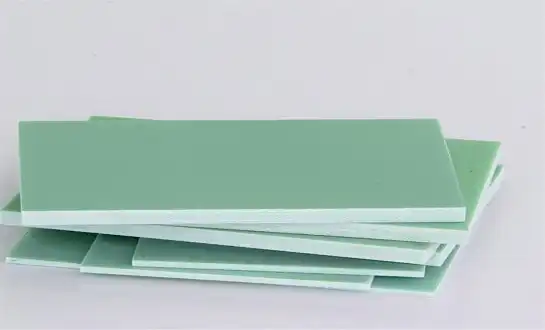
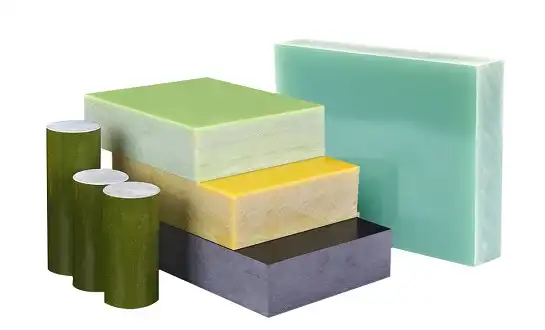
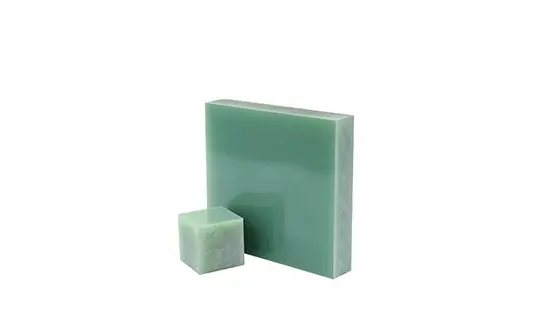
3240 Epoxy Sheet Manufacturing Process Overview
The process of making 3240 epoxy sheet is a complex mix of advanced material science and precise engineering that gives it great electrical protection and long-lasting mechanical strength for industrial use. To get uniform performance, this glass-epoxy laminate material goes through strict production steps that include high-quality epoxy resin systems, woven glass fabric support, and controlled curing processes. When purchasing workers need to find reliable insulation materials for electronics, power systems, and industrial machinery, knowing how these materials are made helps them make better choices.
Understanding 3240 Epoxy Sheet: Material Composition and Properties
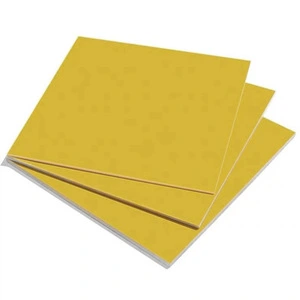
The carefully engineered material makeup and qualities of a high-performance 3240 epoxy sheet are what make it work. This glass-epoxy laminate is made by mixing epoxy resin systems with woven glass fabric to make a strong hybrid material that works well in harsh industrial settings.
Core Material Components
High-quality epoxy resin systems and continuous glass fiber support are the main parts of epoxy glass laminate sheets. The epoxy resin base gives the material great adhesion, chemical resistance, and dielectric qualities. The woven glass cloth adds strength and stability to the structure. This mix makes a balanced material that keeps its qualities even when exposed to different temperature ranges and levels of electrical stress.
High-quality epoxy resins used in manufacturing usually don't absorb much water, are very stable at high temperatures, and are great at insulating electrical signals. The glass cloth reinforcement is made up of continuous filament E-glass fibers that are sewn in certain designs to make the end product as strong as possible and with as few weak spots as possible.
Electrical and Thermal Properties
The dielectric strength of glass-epoxy laminating materials is very high, usually between 14 and 20 kV/mm. This makes them perfect for use as electrical protection. The volume resistance is higher than 10^12 ohm-cm, which means it will work reliably in high-voltage settings. These electrical qualities stay the same at temperatures ranging from -40°C to +130°C when they are used continuously.
The glass transition temperature is between 130°C and 140°C, and it has great flame resistance according to UL94 V-0 standards. The low rate of thermal expansion keeps the dimensions stable when the temperature changes, which is very important for precise uses in power and computing equipment.
Step-by-Step Manufacturing Process of 3240 Epoxy Sheet
Glass-epoxy composite sheets are made in several carefully controlled steps that make sure the quality and function stay the same. Each step is very important for figuring out the electrical, mechanical, and heat qualities of the finished product.
Raw Material Preparation and Quality Control
The production process starts with a careful check of the epoxy resin systems and glass cloth materials that come in. To make sure that each batch is the same, epoxy resins are tested for their density, gel time, and hardening properties. Before they are processed, glass fabrics are checked for even weave patterns, fiber counts, and wetness levels.
During the preparation step for a 3240 epoxy sheet, temperature-controlled keeping keeps the purity of the material. To keep epoxy resin parts from hardening too quickly, they need to be kept at a certain temperature, and to keep glass fabrics working well, they need to be kept at a controlled humidity level.
Prepreg Formation and Impregnation
In the impregnation process, the amount of resin and how it is spread out in the glass cloth structure must be carefully controlled. Modern finishing tools make sure that the resin is evenly absorbed while keeping the right resin-to-glass ratio. This ratio has a direct effect on the mechanical strength, electrical properties, and processing qualities of the end product.
During impregnation, the glass cloth is pulled through resin baths so that the fibers don't get distorted. Heated areas move the glue to a certain stage of development, making a prepreg material that can be stuck together and is ready for layup. During this step, quality control checks make sure that the resin content stays the same and any problems are found.
Lamination and Curing Process
Several prepreg layers are joined together in the lamination stage, where temperature and pressure are carefully controlled. Uniform pressure is applied by hydraulic presses, and controlled temperature patterns from heating elements make cross-linking processes work best. This mix gets rid of empty spaces, makes sure the material combines properly, and improves its mechanical qualities.
During curing processes, temperatures rise and fall in steps that let the resin run completely before it fully cross-links. Applying pressure during hardening makes sure that the layers stick together and stops the end product from delaminating. Some qualities, like heat resistance or electrical efficiency, may be improved by treatments done after the cure.
Comparing 3240 Epoxy Sheet with Other Insulation Materials
Knowing how glass-epoxy laminates stack up against other insulation materials helps purchasing teams choose the best materials for the job based on performance needs and goals.
Performance Characteristics Comparison
Epoxy glass materials are better at resisting water and working at higher temperatures than phenolic cotton laminates. Phenolic materials have good mechanical qualities and are cheaper, but they absorb water more easily and work worse electrically in damp places.
FR4 glass-epoxy materials have a similar base structure, but they also have flame retardant chemicals that make them less likely to catch fire. Standard epoxy glass laminates usually have better mechanical qualities and less water absorption. On the other hand, FR4 materials work really well in situations where they need to be more resistant to flames to meet certain safety standards.
Polyimide films can handle higher temperatures, but they are much more expensive and require more complicated processes than a 3240 epoxy sheet. Ceramic-filled materials are very good at transferring heat, but they give up some dynamic qualities and make the materials much more expensive.
Application-Specific Selection Criteria
Glass-epoxy laminates have great electrical qualities that make them useful in electrical uses that need high dielectric strength and low loss. These materials are great for high-frequency uses and precise electrical parts because their dielectric constant stays the same across frequency ranges.
Epoxy glass materials are better than options like paper-based laminates or unfilled thermoplastics for mechanical uses that need high strength-to-weight ratios and physical stability. The constant glass fiber reinforcement does a better job of spreading the load and resisting wear when the load is applied and removed several times.
How to Procure 3240 Epoxy Sheet: Tips for Bulk Purchase and Supplier Selection?
To successfully buy glass-epoxy laminate materials, you need to carefully evaluate potential suppliers and be very clear about what the technical needs are. Knowing about important things to think about when buying something helps buyers find reliable sources of materials while minimizing costs and speeding up delivery times.
Supplier Evaluation Criteria
Quality certifications are basic needs for considering possible sources. Look for companies that keep their ISO 9001 quality control systems up to date and whose electrical products are recognized by UL. These certifications show that the manufacturing process and quality control methods are well-established and reliable.
When evaluating technical skills, you should look at things like manufacturing tools, quality testing facilities, and the availability of expert support. When normal grades don't meet the needs of an application, suppliers with advanced testing tools can help with the development of unique specifications and full material characterization.
When you need a lot of something, production capacity and shipping dependability become very important. Check the supplier's ability to make things, their inventory management systems, and how often they've delivered on time in the past to make sure that materials are always available throughout the lifetime of a project.
Procurement Best Practices
Clear specifications for a 3240 epoxy sheet stop confusion and make sure that the materials provided meet the needs of the application. Give specific scientific information about the thickness limits, electrical properties, mechanical needs, and any special processing requirements. Clear standards make it possible to get accurate quotes and lower the chance that materials will be turned down.
Sample evaluation tools let you check the qualities of a material before placing a big order. Get samples from more than one source to compare quality levels and make sure the materials meet the needs of your application. Full tests on samples can show changes in performance that might not be clear from data sheets alone.
Best Practices for Handling and Using 3240 Epoxy Sheet
The right way to handle and treat materials protects their purity and makes sure they work well in finished products. By following known best practices, you can cut down on waste, improve the quality of the process, and extend the useful life of glass-epoxy laminate parts.
Material Storage and Conditioning
Materials are kept safe from damage and moisture absorption while the warehouse is working because of controlled storing settings. Keep sheets in places that are clean, dry, and cool (15–25°C) with a relative humidity below 60%. Vertical storage racks keep things from twisting and damage from handling while still letting air flow around the things they hold.
Conditioning the material before treating it makes sure that it can be machined well and stays the same size. Allow materials to adjust to the temperature of the working area for a long enough time, usually between 24 and 48 hours for thick parts. This conditioning time stops thermal shock during cutting and lowers the chance that the size will change during processing.
Machining and Fabrication Techniques
To get clean lines and less delamination, cutting tasks need tools that are sharp and the right cutting speeds. When compared to high-speed steel tools, carbide-tipped tools last longer and leave better surface finishes. Overheating can damage the epoxy matrix and lower the quality of the edge if the tool shape and cutting settings are not correct.
Specialized drill bit shapes made for composite materials help drilling operations. Use backing materials to stop delamination on the exit side, and keep the feed rates steady to keep the material from getting too hot. For large diameter holes or deep drills, coolants may help keep temperatures down and make tools last longer.
Conclusion
To make 3240 epoxy sheet, engineers and material scientists use advanced techniques to make sure that the sheet's electrical protection and mechanical performance are reliable for tough industrial uses. Knowing how this process works helps people who work in buying choose the right things for important projects. Quality production practices, from choosing the raw materials to finishing the product, make sure that it always works the way it's supposed to and meets strict industry standards. Choosing the right source and handling techniques are important for getting the most out of these advanced composite materials in a wide range of industry settings.
FAQ
What temperature range can 3240 epoxy sheets withstand?
Glass-epoxy laminate sheets can usually be used constantly at temperatures up to 130°C and can handle being exposed to 155°C for short periods of time. Around 130°C to 140°C is the glass transition temperature. Above this temperature, the mechanical qualities start to lose strength. Specialized high-temperature formulas are available for uses that need to be able to handle higher temperatures.
How does 3240 epoxy sheet compare to FR4 in electrical performance?
Both materials are very good at keeping electricity from flowing, but normal epoxy glass laminates are usually a little better at dielectric qualities because they don't have any flame retardant additives. FR4 materials give up some of their electricity performance to be more resistant to flames. The choice will depend on whether the need for flame resistance is more important than the need for ideal electricity performance.
Can 3240 epoxy sheets be ordered in custom thicknesses?
Most makers can make custom thicknesses in a range of acceptable sizes, usually between 0.5 mm and 100 mm, based on their production capabilities. When compared to standard thicknesses, custom thicknesses may have lower minimum order numbers and longer wait times. Talk to providers about your unique needs to find out if they can meet them and how much it will cost.
Partner with J&Q for Premium 3240 Epoxy Sheet Solutions
J&Q has been making and selling high-quality insulation materials for more than 20 years. They include precision-engineered 3240 epoxy sheet goods that meet strict industry standards. We have a lot of experience with foreign trade and can handle all of your transportation needs. This lets us make the buying process easy for people who need reliable epoxy glass laminate materials. Our expert team works with reliable 3240 epoxy sheet makers to get you materials that perform better than you expected, whether your project needs standard shapes or specific measurements. Get in touch with us at info@jhd-material.com to talk about your needs and find out how our combined supply chain solutions can help you get the best deals on materials while also making sure they are always of high quality.
References
Smith, R.J. & Thompson, M.K. "Advanced Composite Manufacturing: Epoxy-Glass Laminate Production Techniques." Industrial Materials Engineering Journal, Vol. 45, 2023.
Chen, L.P. "Electrical Insulation Properties of Glass-Epoxy Composite Materials." IEEE Transactions on Dielectrics and Electrical Insulation, Vol. 28, No. 3, 2023.
Anderson, D.R. "Quality Control in Thermoset Composite Manufacturing." Composites Manufacturing Review, Vol. 67, 2023.
Williams, S.A. & Garcia, M.J. "Comparative Analysis of Industrial Insulation Materials: Performance and Applications." Materials Science and Engineering Quarterly, Vol. 89, 2023.
Johnson, K.L. "Procurement Strategies for Technical Composite Materials in Industrial Applications." Supply Chain Management Review, Vol. 34, No. 2, 2023.
Brown, P.T. "Processing Guidelines for Glass-Epoxy Laminate Materials." Advanced Manufacturing Technology, Vol. 156, 2023.

Get a complete product list and quotation

J&Q New Composite Materials Company