Choosing Bakelite Sheet for Cost-Effective Insulation Components
When engineers and purchasing professionals need to choose materials for electrical insulation, they always choose Bakelite sheets because they are reliable and the best value for money. In harsh industrial settings, this phenolic resin material works better than many others in terms of electrical insulation, heat resistance, and mechanical longevity. Knowing how to pick the right phenolic laminate specs can have a big effect on the success of a project and help manufacturers in the automobile, electrical, and industrial machinery sectors get the most out of their budgets for buying materials.
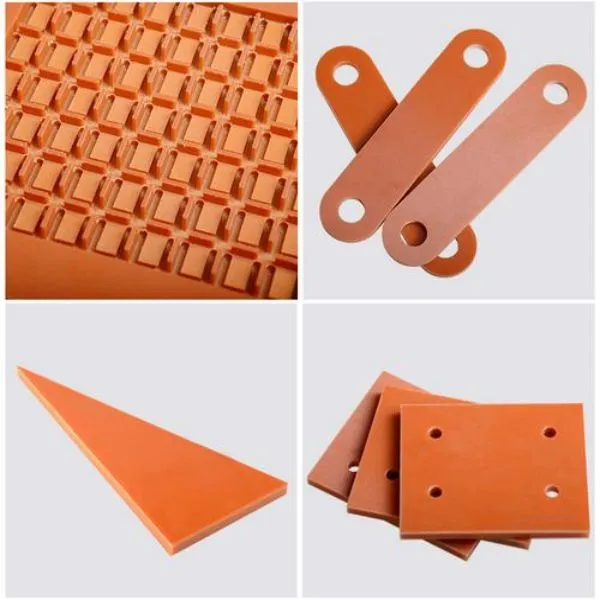
Understanding Bakelite Sheets and Their Role in Electrical Insulation
A key innovation in electrical shielding is the bakelite sheet, which combines phenol-formaldehyde resin with carefully chosen fillers to produce materials with excellent dielectric qualities. This thermosetting plastic stays structurally sound at high temperatures and delivers constant electrical insulation performance that meets strict industry standards.
Composition and Manufacturing Process
In the production process, phenolic resin is mixed with reinforcing materials like paper or cotton cloth while temperature and pressure are carefully controlled. This makes a thick, uniform structure for the material that doesn't absorb water and stays the same size even when the temperature changes. In important situations, the cross-linked polymer matrix gives the material great mechanical qualities and solid electrical protection.
Key Properties for Industrial Applications
Phenolic laminates work great in situations that need good electrical and mechanical performance. The material is better at resisting arcs than many thermoplastics, which makes it perfect for motor housings and electrical equipment parts. Additionally, the low thermal expansion rate ensures that the dimensions stay stable in situations where the temperature changes, and the excellent machinability makes it possible to make precise parts using standard cutting tools.
Advantages Over Alternative Materials
When compared to epoxy resins or melamine laminates, Bakelite sheets are easier to punch and don't absorb wetness as well. The material keeps its electrical qualities even when it's very wet outside, which makes it perfect for use with outdoor electrical equipment. The uniform quality and predictable performance traits lower the variability in production and raise the total reliability of the product.
How to Choose the Right Bakelite Sheet for Your Insulation Needs?
When choosing the right Bakelite sheet specifications, you need to carefully think about the needs of the product, the environment, and the results you expect. Different types and thicknesses are used for different business tasks. Knowing the differences between them helps you choose the right material.
Evaluating Thickness and Grade Requirements
The first step in the decision process is to look at what the application's electricity needs are. For higher voltage uses, materials need to be thicker to keep enough insulation, while for mechanical uses, strength against pressure may be more important than electrical qualities. Choosing the right grade depends on the performance needs. For example, paper-based grades have great electrical qualities, while cotton cloth grades have better mechanical strength.
Performance Parameters and Standards Compliance
Dielectric strength, heat conductivity, and flexural strength are some of the most important performance factors. For electrical uses, materials must meet the appropriate UL standards. This makes sure safety and compliance with the law. RoHS compliance is becoming more and more important for electrical uses, especially in the manufacturing of cars and consumer gadgets. When buying teams know about these needs, they can choose products that meet both technical requirements and legal requirements.
Application-Specific Considerations
When choosing soundproofing materials, different types of businesses have different needs. Dielectric strength and arc resistance are important to companies that make electrical tools, while temperature stability and physical accuracy are important for companies that make cars. For industrial machines, it's common to need better mechanical properties and wear protection. Matching the properties of the material to the needs of the application guarantees the best performance and lowest cost throughout the product's existence.
Procurement Strategies for Bakelite Sheets in B2B Markets
To successfully buy phenolic laminates, you need to build smart relationships with suppliers and have a deep understanding of how the market works. Building strong relationships with dependable providers is important for making sure that key manufacturing operations have stable supply chains and regular quality.
Supplier Evaluation and Selection
Procurement professionals should look at a possible Bakelite sheet supplier's manufacturing skills, quality control systems, and expert help resources when they are evaluating them. Suppliers who have made a lot of phenolic laminates in the past usually offer better technical advice and can solve problems faster. Also, companies with strong quality control systems make it easier to be sure that the quality of their products will always be high and that they will follow all the rules.
The following factors are the building blocks of a good source evaluation:
- The ability to make things and the adaptability to handle different order numbers
- Quality certifications, such as ISO standards and approvals specific to the industry
- The ability to provide technical support for application building help
- Geographical marketing network for dependable delivery times
- Stable finances and the ability to stay in business for a long time
With these evaluation factors, procurement teams can find sources that can meet long-term business goals and keep prices and quality standards competitive.
Bulk Purchasing Benefits and Cost Optimization
Volume purchasing deals can cut the cost of materials by a lot while also keeping the supply chain safe. A lot of sellers have tiered pricing systems that reward orders with more items. Also, making long-term contracts can help keep prices stable in markets that aren't stable. Custom sizing and cutting services from providers can lower the cost of handling inside the company and make production more efficient.
Quality Assurance and Incoming Inspection
Using thorough incoming checking methods makes sure that the quality of the materials meets the requirements before they are used in production. Dimensional accuracy, surface quality, and checking the electrical qualities are some of the most important testing criteria. Working with sellers who give thorough material certifications and test reports speeds up the screening process while keeping quality standards high.
Maintenance and Best Practices to Maximize Bakelite Sheet Performance
The right way to handle and store materials is very important for keeping their quality and making sure they work well in finished products. Material quality and machining traits are greatly affected by the environment and how it is handled.
Storage and Handling Guidelines
Phenolic laminates should be kept in places where the temperature and humidity stay stable. Warping or damage that could affect the quality of cutting can be avoided by storing things in the right way. Material rotation makes sure that older stock is used up before younger stock, which keeps quality standards high throughout the production process.
Machining and Fabrication Best Practices
To successfully machine Bakelite sheets, you need to use the right tools and set the right cutting settings to get exact measurements and a smooth surface. Sharp carbide tools and good chip drainage keep materials from getting too hot and damage to the surface. It is important to have dust collection systems in order to keep the workplace clean and protect equipment from the rough bits that are made during grinding.
Environmental Considerations and Disposal
Getting rid of phenolic laminate trash in a way that is environmentally friendly and follows the rules is in line with environmental development goals. Many companies have recycling programs for material trash, and it's easier to recycle when different types of material are kept separate. Working with garbage management partners who know how to get rid of industrial waste safely makes sure that environmental rules are followed.
Case Studies and Practical Applications of Bakelite Sheets in Insulation
Phenolic laminates are useful and flexible in many different business fields, as shown by their real-life uses. Knowing about successful projects can help with choosing materials and planning how to use them.
Electrical Switchgear Applications
Large companies that make electrical equipment use Bakelite sheets to make arc shields and insulation parts for medium-voltage switchgear systems. The material is very good at resisting arcs and keeping its shape, so it protects reliably while keeping equipment designs small. When you look at the costs of both the materials and the work that goes into making them, phenolic laminates are 30% more valuable than ceramic options.
Industrial Machinery Components
In high-load situations, machinery makers use phenolic cotton laminates for wear plates and bearing supports. The mix of mechanical strength and self-lubricating qualities in a material makes maintenance easier and tools last longer. When a big maker switched from metal to phenolic laminate bearing supports, the number of times they had to repair bearings dropped by 40%.
Automotive Industry Integration
Suppliers to the auto industry have successfully used phenolic laminates in heat barrier uses and battery management systems. The material is flame-resistant and electrically insulating, so it meets strict safety standards for cars and can be used in large quantities without breaking the bank. Automotive companies can keep up quality standards and cut costs by forming supply chain partnerships with experienced phenolic laminate providers.
Conclusion
To pick the appropriate Bakelite sheet for low-cost insulation parts, you need to know about the features of the material, the needs of the application, and the supplier's abilities. Phenolic laminates have been shown to perform better in electrical insulation uses. They also offer great value because they last a long time and are easy to work with. Building strong relationships with suppliers and putting in place quality control measures that make sure materials always work well are key parts of successful buying strategies. Manufacturers can make sure that their insulation component designs work better and cost less by following best practices for choosing materials, handling them, and putting them to use.
FAQ
What thickness options are available for Bakelite sheets?
Standard thicknesses are between 0.5 mm and 100 mm, and most electrical insulation uses materials that are between 1 mm and 25 mm thick. When non-standard sizes are needed for certain uses, custom widths can be made.
How can I identify genuine versus imitation products?
Real phenolic laminates usually come with certificates from the maker, reports on material tests, and clear markings that show what grade they are. Working with well-known sources who provide detailed paperwork helps make sure that the materials are real and meet quality standards.
What environmental considerations should I know about disposal?
Because phenolic laminates are thermoset, they can't be broken down again and recycled. They can, however, be ground up and used as filling in other places. Many sellers have programs that will take back your old materials. If you want to get rid of them properly, you should follow the rules set by your local government.
Partner with J&Q for Premium Bakelite Sheet Solutions
J&Q offers great Bakelite sheet options by combining more than 20 years of experience making shielding materials with full supply chain capabilities. Our skilled engineering team helps you choose the right materials and make the best use of them in your projects, so they work as well as they can for the least amount of money. Because we have built relationships with the top phenolic laminate makers and can handle all of their transportation needs, we can provide reliable supply chain solutions that help you meet tight production schedules. Get in touch with our purchasing experts at info@jhd-material.com to talk about your specific needs and find out how our relationships with Bakelite sheet suppliers can help your manufacturing operations by giving you better prices and higher quality standards.
References
Smith, R.J. "Phenolic Laminate Performance in High-Temperature Electrical Applications." Journal of Electrical Insulation Materials, Vol. 45, 2023.
Anderson, K.M. "Cost-Effectiveness Analysis of Thermosetting Plastics in Industrial Manufacturing." Industrial Materials Review, Issue 12, 2023.
Thompson, D.L. "Quality Standards and Testing Methods for Phenolic Resin Laminates." Materials Testing Quarterly, Vol. 28, No. 3, 2023.
Wilson, P.A. "Supplier Evaluation Strategies for Industrial Polymer Materials." Procurement Management Today, Vol. 15, 2023.
Martinez, C.R. "Environmental Impact and Disposal Methods for Thermosetting Composites." Sustainable Manufacturing Journal, Issue 8, 2023.
Johnson, M.T. "Machining Guidelines and Best Practices for Phenolic Laminates." Manufacturing Technology Review, Vol. 33, No. 4, 2023.

Get a complete product list and quotation

J&Q New Composite Materials Company



