G10 Epoxy Sheet CNC Machining Guide for Precision Parts
G10 epoxy sheet is an important material for precision manufacturing because it has great mechanical properties and great electrical insulation properties. This detailed guide covers all the important parts of CNC cutting G10 epoxy sheets for precise parts. It gives engineering managers and buying teams important information about choosing materials, how to machine them, and how to find them. Manufacturers can get better accuracy and dependability in demanding industrial uses in the electrical, automobile, and aircraft sectors by understanding the special properties of G10 composite materials.
Understanding G10 Epoxy Sheet for CNC Machining
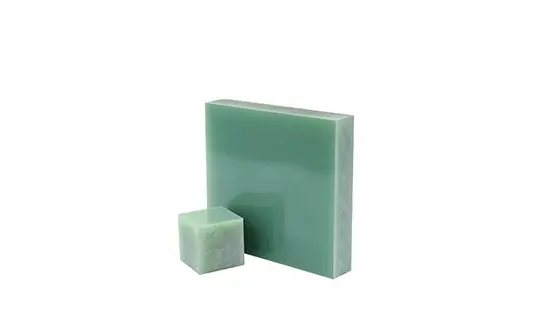
G10 epoxy sheet is a high-performance composite material made from woven fiberglass cloth that has been fully saturated with high-quality epoxy resin systems. Because it is so well put together, it has great mechanical longevity, great temperature stability up to 130°C continuous operation, and great electrical insulation qualities that make it a must-have for precision CNC machining applications.
Material Composition and Physical Properties
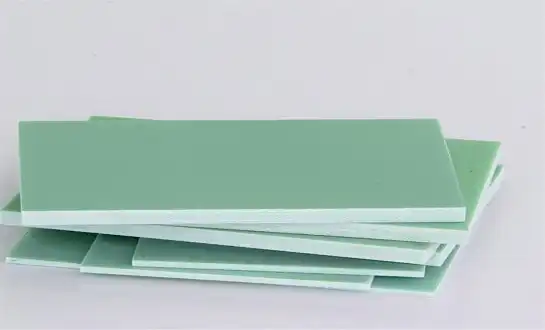
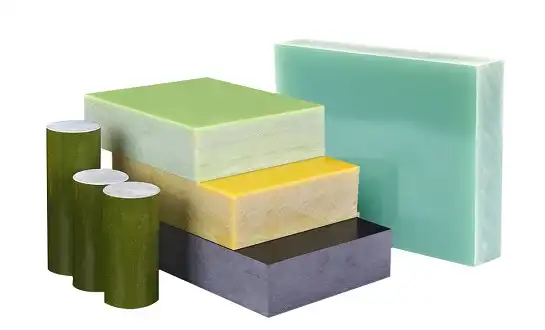
During the manufacturing process, carefully controlled curing steps make a structure that is uniform and has the same density across the whole length of the sheet. Standard G10 sheets have a unique green color, but you can also get amber and brown versions, based on how the resin is made. The material has a great bending strength of more than 380 MPa and great structural stability when the temperature changes.
The high dielectric strength of G10 (about 15-20 kV/mm) is highly valued by engineering teams. This makes it perfect for electrical insulation tasks that need to work reliably under high voltage conditions. The low moisture absorption rate of less than 0.2% keeps the shape stable in damp places, and the flame-retardant features meet strict safety standards for use in electronics and industry.
Manufacturing Process Impact on Machinability
The managed drying process has a direct effect on how easy it is to work with the material. The right amount of glue to fiber and the right temperature for hardening make a uniform structure that can be machined without delamination or too much tool wear. The cross-linked epoxy matrix makes it easy for chips to form during cutting, which leads to better surface finishes and tighter standards for size.
Knowing these basics about manufacturing helps buying teams choose the right types for different machining needs. Standardized production methods make sure that the qualities of the materials are always the same. This makes machining repeatable and ensures that parts work well in important situations.
Machining G10 Epoxy Sheets: Techniques and Practices
When CNC-machining G10 epoxy sheet, it's important to pay close attention to how the materials are handled, the tools that are used, and the cutting settings. Because G10 is a hybrid, it needs to be handled in a certain way to avoid problems like delamination, fiber pullout, and stress caused by heat.
Essential Tool Selection and Cutting Parameters
When working with G10 materials, the best results come from using carbide cutting tools with sharp edges and the right finishes. Diamond-coated tools last longer and have better surface finishes, which makes them especially useful for large production runs. Cutting speeds of 100 to 300 surface feet per minute and feed rates of 0.003 to .008 inches per tooth usually get great results and keep the tool in good shape.
Because fiberglass support is rough, the shape of the tool needs to be carefully thought out. Positive rake angles lower the cutting forces and keep the fibers from coming loose. Correct clearance angles keep heat from building up and damaging the epoxy matrix. When compared to traditional milling methods, climb milling often produces better edge quality.
Surface Finish and Dimensional Accuracy Techniques
To get a better surface finish, you need to pay attention to the spinning speed, the amount of coolant used, and the closing passes. Moderate spinning speeds keep cutting speeds high enough for clean fiber breaking while preventing heat buildup. Systems that use compressed air or mist coolants are good at getting rid of chips and keeping the temperature stable without adding water, which could change the qualities of the material.
Most of the time, multiple light finishing passes give more accurate measurements than a single heavy cut. This method reduces the cutting forces that could bend the part or make the surface uneven from vibrations. The right workholding systems spread the clamping forces out evenly to keep the part from warping while it's being machined.
Throughout the machining process, quality control methods make sure that the part's measurements and surface finish are always the same. Tool inspection and repair plans that are followed on a regular basis keep surface finishes from wearing down, which could affect how well parts work in important applications.
Comparing G10 Epoxy Sheet with Alternatives for Precision Parts
Choices about which materials to use have a big effect on both the cost of production and the performance of the finished product. When buying teams know the pros and cons of G10 compared to other materials, they can make smart choices based on the needs of the application and the available budget.
Performance Characteristics Analysis
When it comes to electrical shielding, G10 epoxy sheets are better than phenolic options. They have higher dielectric strength and better arc resistance. FR4 materials work about the same electrically, but G10 is stronger and more stable at high temperatures, which makes it useful in difficult structural uses.
When you compare it to the G11, you can see some interesting trade-offs between cost and speed. G11 materials can withstand a little higher temperatures, but they cost more. For each application, engineering teams must decide if the higher price is worth it for the better temperature performance.
Cost-Benefit Considerations for Bulk Procurement
Strategies for buying in bulk can have a big effect on the total cost of a job while also making sure that materials are always available. G10 materials usually have better pricing for bigger amounts, which makes them appealing for situations where a lot of products need to be made. The good machinability qualities lower the costs of handling and the amount of waste, which makes the total cost-effectiveness higher.
Long-term dependability often makes G10 materials the better choice, even if they cost more at first. The better durability and consistent performance lower the need for upkeep and replacements more often, giving the product more value over its lifetime.
Procurement Guide for G10 Epoxy Sheets: Ensuring Quality and Reliability
To successfully buy high-quality G10 products, you need to carefully evaluate suppliers and be clear about what you want. Because making composite materials is so complicated, choosing the right provider is very important for making sure that the properties of the materials stay the same and that shipping goes smoothly.
Supplier Evaluation Criteria
Suppliers with a good reputation keep strict quality control systems that include ISO badges and paperwork that shows where materials came from. Assessments of suppliers' production ability make sure they can meet number needs while keeping quality standards uniform. You can learn a lot about a supplier's dependability and technical help skills from customer references and the company's name in the industry.
To use materials in many industrial settings, they need to be certified in ways like UL recognition and ROHS compliance proof. Suppliers should give full paperwork of the material's properties and keep records of how consistent batches are with each other so that quality control and traceability standards can be met.
Ordering Considerations and Lead Time Management
Minimum order amounts for G10 epoxy sheet change a lot between suppliers, which makes it hard to plan inventory and think about cash flow. Custom sheet sizes and thickness requirements may mean longer wait times, but they can cut down on trash and handling costs. Making delivery dates and quality standards clear helps avoid pricey delays and makes sure that projects stay on schedule.
Being clear about prices and having open bidding systems help keep quality standards high while lowering costs. Long-term supply deals can help keep prices stable and make sure that materials get to the right people first when demand is high or supplies are limited.
Maximizing ROI: Applications and Benefits of G10 Epoxy Sheet in Precision Parts
In many manufacturing settings where electrical insulation and mechanical power are needed at the same time, G10 materials are the best choice. The aircraft industry uses G10 parts for purposes where dependability and light weight are very important, like structural insulation and electronic housing.
Industry-Specific Applications
G10 materials are used by electrical and electronics companies to make switchgear insulation, transformer parts, and circuit board supports that need to be stable in size and work well electrically. G10 materials are being used more and more in the car industry for battery pack insulation and electrical control module housings, especially for electric vehicles.
G10 is a great material for bearing supports, gear flats, and structural spacers because it doesn't wear down easily and stays the same size. Because the material can keep its qualities even at very high or very low temperatures, it is useful for equipment that works in harsh environments.
Long-Term Value Proposition
G10 parts last longer and require less upkeep than parts made of other materials because they are more durable. With more design options, engineers can find the best part shapes for specific performance needs while still keeping the manufacturing feasibility in mind.
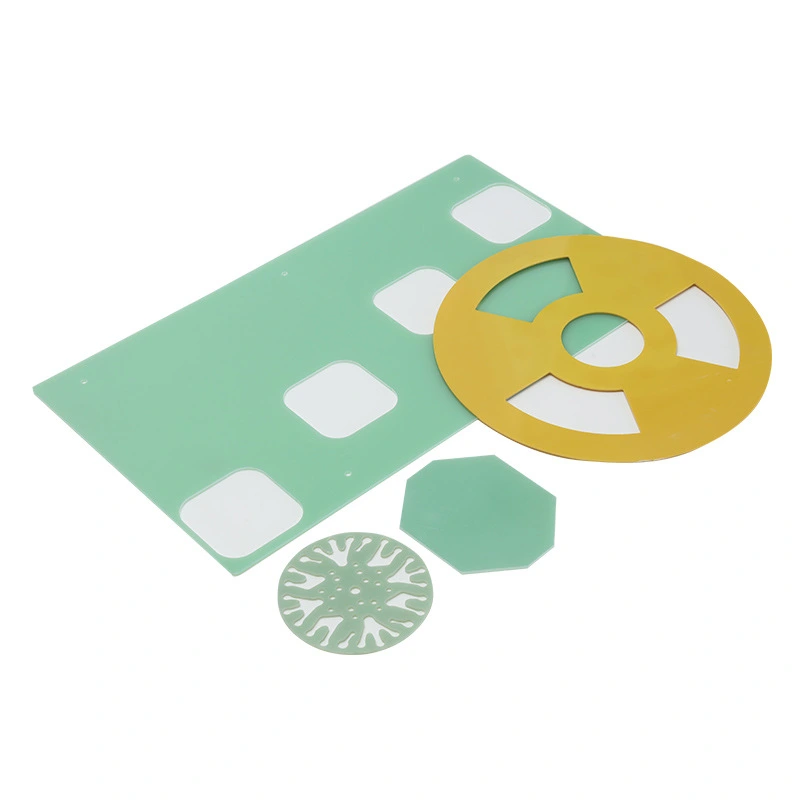
Manufacturers can make parts with complicated shapes and tight tolerances that make them work better when they are compatible with advanced CNC technologies. Consistent material features make it possible to predict how things will turn out during production, which cuts down on quality control costs and delays.
Conclusion
G10 epoxy sheet materials are the best choice for precise CNC cutting tasks that need excellent electrical protection and mechanical performance. This guide gives engineers a complete understanding of material qualities, machining methods, and buying strategies. This helps them make the best products while keeping costs as low as possible. Selecting the right suppliers and enforcing quality control standards are important for making sure that material supply chains are reliable and that production results are consistent across a wide range of industries.
FAQ
What thickness options are available for G10 sheets in CNC machining applications?
G10 sheets come in a range of thicknesses, from 0.5mm to 25mm. 1.6mm, 3.2mm, 6.4mm, and 12.7mm are typical commercial widths. To meet the needs of a particular application, custom thicknesses can be made, but wait times may be longer for non-standard specs.
How do G10 thermal and insulation properties compare to FR4 materials?
Compared to FR4, which can only handle 120°C, G10 materials can handle temperatures up to 130°C without stopping. Both materials are very good at conducting electricity, but G10 has better mechanical qualities and stays the same size even when the temperature changes.
What customization options are available for G10 sheet procurement?
Customization choices include changing the sheet's size, thickness, surface treatment, and getting the material certified. Depending on how complicated the order is and how many are being placed, lead times for unique requirements are usually between two and four weeks.
Partner with J&Q for Premium G10 Epoxy Sheet Solutions
J&Q has been making insulating sheets for more than 20 years and has been dealing internationally for more than 10 years. This allows them to offer great G10 epoxy sheet options. Our full supply chain services, which include specialized logistics services, make sure that we can meet delivery dates and offer reasonable prices for precision CNC machining jobs. Our expert support, unique sizing choices, and quality assurance programs are made for demanding industrial uses and help engineering managers and procurement teams. Get in touch with our experts at info@jhd-material.com to talk about your G10 epoxy sheet needs and find out how our all-in-one service can help you make better precision parts.
References
Matthews, R.K. "Composite Materials in Precision Manufacturing: Engineering Properties and Applications." Industrial Materials Technology Journal, 2023.
Chen, L.M. "CNC Machining Techniques for Fiber-Reinforced Plastics: Optimization Strategies." Advanced Manufacturing Review, 2022.
Thompson, D.A. "Electrical Insulation Materials for High-Performance Applications: Material Selection Guide." Electrical Engineering Quarterly, 2023.
Rodriguez, S.P. "Procurement Strategies for Technical Materials: Quality Assurance and Supply Chain Management." Industrial Procurement Handbook, 2022.
Williams, J.E. "Thermal and Mechanical Properties of Epoxy-Glass Composites in Industrial Applications." Materials Science and Engineering Research, 2023.
Kumar, A.S. "Cost-Benefit Analysis of High-Performance Insulating Materials in Manufacturing." Manufacturing Economics Review, 2022.

Get a complete product list and quotation

J&Q New Composite Materials Company