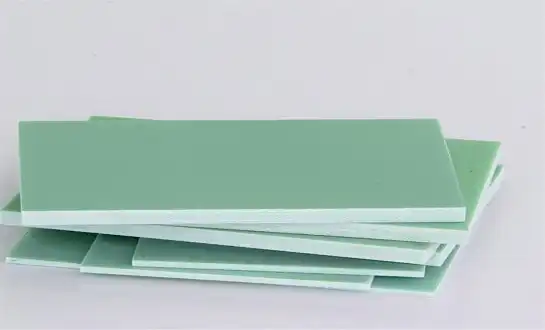
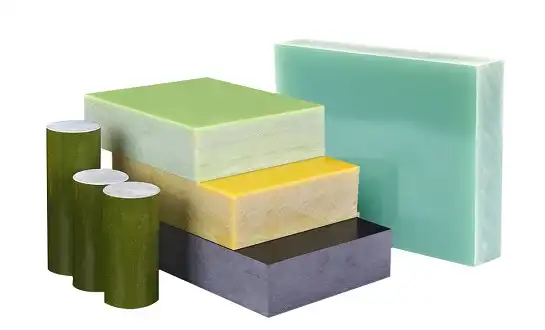
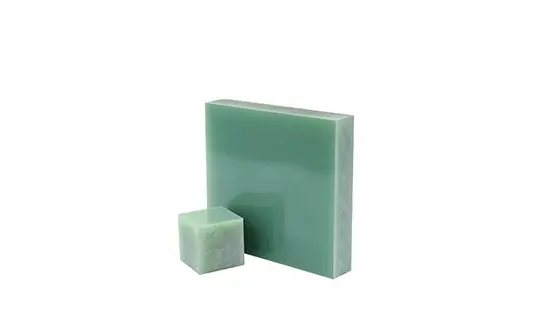
Choosing Phenolic Paper Sheet for Cost-Sensitive Projects
When handling industrial projects with tight budgets, picking the right insulation material is very important for matching efficiency with cost-effectiveness. It turns out that phenolic paper sheet is the best option because it has great electrical insulation, industrial strength, and heat resistance at a reasonable price. While still meeting strict quality standards, these designed composite materials work reliably in electrical, automobile, and industrial settings. When buying teams know about the unique benefits of phenolic resin laminated materials, they can make choices that are better for both project costs and operating efficiency.
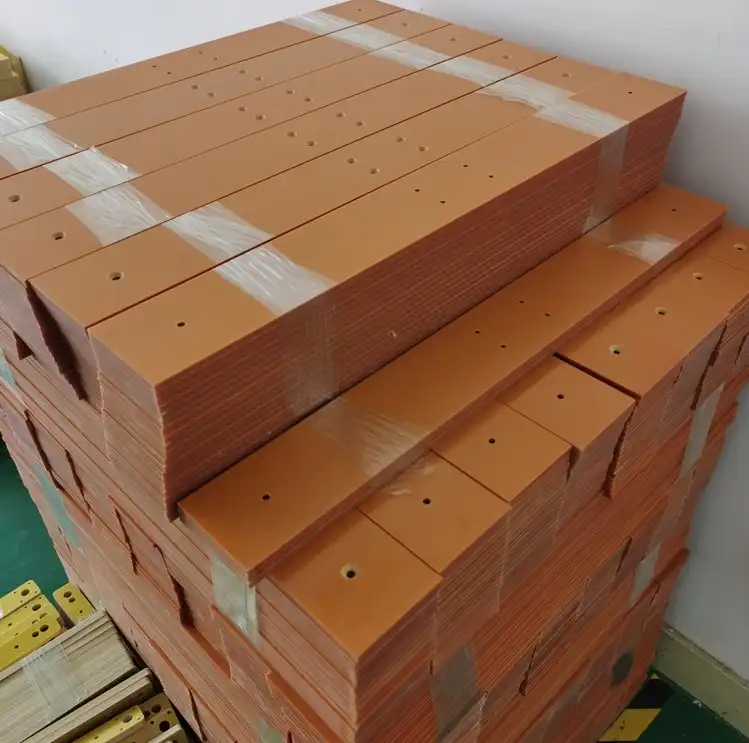
Understanding Phenolic Paper Sheets: Key Properties and Benefits
Phenolic paper sheets are a high-tech building answer that are made by carefully injecting phenolic resin between layers of paper under controlled temperature and pressure. This method of making things creates a layered composite material that can be used in a huge range of commercial settings.
Exceptional Electrical Insulation Performance
These resin-impregnated materials are very useful for computer and electrical uses because they have good electrical qualities. Phenolic laminates are solid insulation barriers that are used in switchgear parts, transformer assemblies, and motor housings because their dielectric strength is higher than industry standards. The material's electrical features stay the same even when the environment changes. This makes sure that it works well in harsh working conditions.
Superior Thermal and Chemical Resistance
These composite materials are very stable at high temperatures; they can survive constant working temperatures and still keep their shape. It is very resistant to oils, acids, and industrial chemicals that are often found in factory settings because it is made of phenolic resin. This chemical inertness makes things last longer and requires less upkeep, which saves money in industrial settings generally.
Mechanical Strength and Machinability
Paper-based phenolic composites have great mechanical qualities thanks to their stacked structure. They have high tensile strength and good dimensional stability. Standard woodworker and metalworking tools can easily be used to shape and cut these materials, which makes it possible to make precise unique parts. The good machinability cuts down on production time and equipment costs while keeping the tight tolerances needed for precise uses.
Environmental factors are becoming more and more important in the process of choosing materials. Responsible sourcing of raw materials and energy-efficient production methods are some of the sustainable practices used in modern phenolic sheet making. A lot of companies now make formulations that can be recycled and still work well, so they can support companies' efforts to be more environmentally friendly.
Comparing Phenolic Paper Sheets with Alternative Materials for Better Procurement Decisions
By knowing how phenolic paper sheet composites stack up against other insulation materials, you can make smart purchasing choices that strike a balance between performance needs and price limitations. Depending on the needs of the application, each type of material has its own unique benefits.
Performance Comparison with Fiberglass and Epoxy Materials
Fiberglass-reinforced plastics are very strong for their weight, but they usually cost more than phenolic options. Epoxy-based laminates are better at resisting chemicals in harsh settings, but they might be too expensive for most uses. Phenolic paper materials have similar electrical insulation qualities but are easier to get. This makes them perfect for projects that need to be reliable but don't want to spend a lot of money.
Advantages Over Traditional Plastic Laminates
For tough industrial uses, standard plastic laminates don't have the thermal protection and mechanical power that are needed. When temperatures get high, normal metals would melt or break, but phenolic composites keep their shape. Resin-impregnated materials have better physical stability, which means they keep working well even when they are heated and cooled many times, which is common in electrical equipment.
Cost Analysis and Long-Term Value
The total cost of ownership for phenolic materials is often lower than for other options, according to a thorough cost study. Initial material prices may be different, but phenolic sheets have lower lifecycle costs because they last longer, need less upkeep, and are easy to machine. Cost-effectiveness for big projects is improved by the ability to buy in bulk and the availability of standard thicknesses.
Because these materials last a long time, they save money for businesses because they don't have to repair them as often and have less downtime. Engineering teams like how the predictable performance traits make design estimates easier and cut down on safety gaps. This makes the best use of materials without sacrificing reliability.
How to Choose the Best Phenolic Paper Sheet for Your Project Needs?
When choosing the right phenolic laminate specs, you need to carefully think about the factors of the product, the environment, and the performance needs. This methodical technique makes sure that the best materials are chosen while staying within the budget.
Thickness and Grade Selection
The thickness of the material is chosen based on how much weight it needs to hold, the power it needs to handle, and the room it has to be installed. Standard thickness levels work for most industrial uses, while unique measurements are made to fit the needs of a particular project. When picking a grade, things like temperature rating, flame protection, and electrical qualities are taken into account based on the needs of the product.
Evaluating Supplier Capabilities and Quality Systems
Suppliers you can trust for phenolic paper sheet show consistent quality by using approved manufacturing methods and thorough quality control systems. Look for providers that have a history of doing business in industrial markets, delivering goods on time, and providing quick expert help. Quality certificates and following the rules for the industry show that the company is dedicated to making sure that the products always work well.
Total Cost of Ownership Considerations
Beyond original material price, consider factors such as machining needs, installation difficulty, and expected service life. Value-added services from suppliers, such as custom cutting, precise machining, or expert support, can lower project costs and make sure that the best use of materials is made. For bigger jobs, cost-cutting options like bulk buying deals and flexible shipping dates are also available.
When adapting normal materials to meet the needs of a unique application, engineering support skills become very useful. Experienced sellers can suggest changes to the grade or ways of handling that improve performance while keeping costs low.
Where and How to Procure Phenolic Paper Sheets Efficiently?
Efficient buying strategies include evaluating suppliers, optimizing orders, and managing the supply chain to get materials at the lowest cost while still meeting quality standards and delivering on time.
Identifying Qualified Suppliers
Suppliers that have been around for a while usually have a wide range of products, good professional support, and reliable service. Check out possible sources by seeing what they can make, if they have quality certifications, and if they have customer references from similar projects. When it comes to delivery time and shipping prices, regional suppliers may be better, but specialized makers usually offer better technical help and the ability to make changes.
Order Optimization and Inventory Management
Using strategic planning can have a big effect on how much materials cost and how long it takes to finish a job. When you combine orders for several projects into one, you save money on shipping and per-unit costs while making sure that the material's features stay the same across all uses. Standard thickness inventory management weighs the costs of keeping items on hand against the need to have them on hand, especially for uses that are still being made.
Sample Evaluation and Testing Protocols
Ask for samples of the phenolic paper sheet material early on in the buying process to make sure you understand how it works and how it can be machined. During testing, important qualities like electrical insulation, thermal performance, and material strength should be looked at in the way they are likely to be used. This validation method makes sure that the materials are suitable and keeps design changes during project execution from being too expensive.
Misunderstandings that could affect project timelines or performance can be avoided by talking to providers clearly about delivery times, quality standards, and technical requirements. Clear acceptance criteria and purchase order specs set standards for everyone and make the project run more smoothly.
Best Practices for Using Phenolic Paper Sheets in Cost-Sensitive Applications
When you use tried-and-true application methods, you can get the most out of your materials while keeping costs low by handling, installing, and maintaining them correctly. These methods have been improved by a lot of real-world experience in a wide range of program settings.
Installation and Machining Guidelines
When you machine something correctly, you get clean cuts, accurate measurements, and as little waste as possible. Use sharp cutting tools that are made for layered materials, keep the cutting speed reasonable, and make sure there is enough chip clearance to keep the heat from building up. Pre-drilling guide holes stops cracking during assembly, and finishing the edges correctly improves their look and sturdiness.
Optimizing Performance in Electrical Applications
When installing electronics, it's important to pay attention to things like sealing the edges, choosing the right fitting tools, and allowing for heat expansion. When sealants are needed, properly preparing the surface ensures a strong bond, and choosing the right fasteners avoids stress concentrations that could damage the mechanical integrity. Protocols for regular inspections find possible problems before they affect how well the system works.
Storage and handling procedures protect material properties throughout the supply chain. Maintain temperatures and humidity that are just right, keep surfaces clean, and use the right pulling methods for bigger sheets. These methods keep the quality of the materials and make the building process go more smoothly.
Case studies from the business world show that choosing the right materials and using them correctly can save a lot of money. Manufacturers of electronics say that switching from other materials to phenolic composites cuts down on assembly time and improves durability. Better thermal performance and longer service life help power distribution uses. This lowers repair costs and raises system uptime.
Conclusion
For business jobs that need to stay within a budget, phenolic paper sheets are the best combination of performance, dependability, and low cost. Due to their excellent electrical insulation, heat resistance, and industrial strength, they can be used in a wide range of challenging situations. The material is very easy to work with and stays the same size, which makes the production process easier and cheaper. When chosen and used correctly, these engineered composites provide long-term value through longer service life and low upkeep needs. This makes them a smart choice for cost-effective uses that need reliable performance.
FAQ
What thickness options are available for phenolic paper sheets?
Standard thickness ranges usually go from very thin sheets that can be used for electrical insulation to materials that are thicker and can be used for building. Custom thickness choices can be made to fit the needs of each project, and most providers offer precise cutting services to make sure that all measurements are met.
How do phenolic sheets compare to fiberglass materials for electrical insulation?
Most of the time, phenolic composites offer similar electrical insulation qualities to fiberglass options at lower prices. While fiberglass has better strength-to-weight ratios, phenolic materials have better electrical performance, are easier to machine, and are less expensive for uses that need to stick to a budget.
Can phenolic paper sheets be custom cut for specific applications?
Most sellers offer unique cutting services so that you can get the exact sizes you need. Advanced cutting methods include CNC milling, water jet cutting, and laser cutting for shapes that are hard to describe. With custom cutting services, you can get exact fits for your needs while also cutting down on waste and assembly time.
What quality certifications should I look for when sourcing these materials?
Look for providers that have the right certifications for your business, like ones for quality management systems, meeting electricity standards, and protecting the environment. These approvals show that the manufacturing process is uniform and that the products work reliably and meet industry standards.
Partner with J&Q for Your Phenolic Paper Sheet Requirements
With more than 20 years of experience in production and a full supply chain, J&Q can help you find cost-effective phenolic paper sheet options for your business. Our experienced team knows how to handle the unique problems that come up with projects that need to stick to a budget. They can make suggestions that improve performance while keeping costs low. We have established ties with the top manufacturers of phenolic paper sheets, which means we can provide you with dependable sourcing, competitive pricing, and consistent quality that meets the needs of your project. Our combined logistics skills make delivery processes more efficient by cutting down on wait times and shipping costs. Email our buying experts at info@jhd-material.com to talk about unique solutions, ask for performance samples, and find out how our knowledge can help you get the best deals on materials.
References
Smith, R.A. "Industrial Laminate Materials: Properties and Applications in Cost-Sensitive Manufacturing." Journal of Industrial Materials Science, 2023.
Thompson, M.J. "Electrical Insulation Performance of Phenolic Composites in Power Distribution Systems." IEEE Transactions on Dielectrics and Electrical Insulation, 2022.
Chen, L.K. "Comparative Analysis of Thermoset Laminate Materials for Electronics Manufacturing." International Conference on Electronic Materials, 2023.
Rodriguez, P.S. "Sustainable Manufacturing Practices in Phenolic Resin Composite Production." Green Chemistry in Industrial Applications, 2022.
Williams, D.E. "Cost Optimization Strategies for Industrial Insulation Material Procurement." Supply Chain Management Quarterly, 2023.
Anderson, K.M. "Mechanical Properties and Machining Characteristics of Paper-Based Phenolic Laminates." Materials Engineering Review, 2022.

Get a complete product list and quotation
J&Q New Composite Materials Company