Phenolic Cotton Sheet Applications in Mechanical Insulation
Using phenolic cotton sheets for mechanical insulation is an important part of modern industrial making because they provide good temperature and electrical barriers. This phenolic cotton part is made of phenolic resin matrix and cotton cloth support. Together, they make a composite material that works well in tough conditions. In industry, it is used to make housings for electrical equipment, motor parts, generator insulation, and shields for HVAC systems. Because of their special features, phenolic cotton materials are required by makers who need reliable insulation that keeps working at high temperatures and high electrical stress levels.
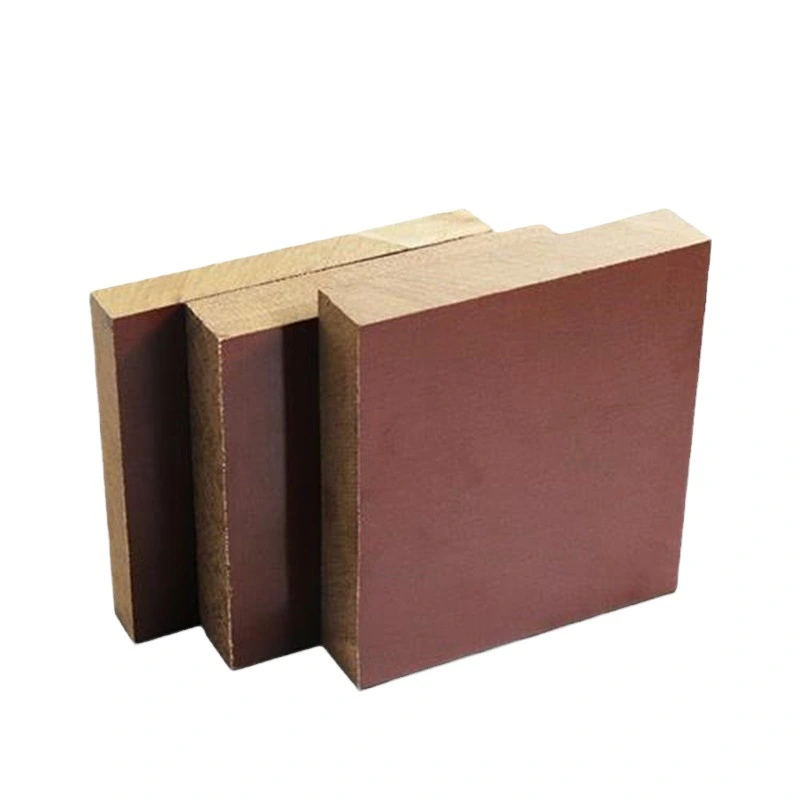
Understanding Phenolic Cotton Sheets and Their Core Properties
When high-quality cotton fibers are mixed with phenolic resin systems, they form phenolic cotton sheets, which are a complex hybrid material. Curing steps that are carefully controlled during the production process turn raw materials into insulation parts that are strong mechanically. Quantity stability and mechanical strength are provided by cotton cloth, and chemical protection and thermal efficiency are provided by phenolic resin.
Manufacturing Process and Material Composition
The first step in making phenolic cotton insulation materials is choosing high-quality cotton fabrics that are then cleaned and prepared in great detail. The controlled temperature and pressure of phenolic resin impregnation make sure that the resin is spread evenly throughout the cotton fabric. During the curing process, the resin system is usually heated in stages that cross-link it. This makes lasting molecular bonds that define the final qualities of the material.
Thermal and Electrical Performance Characteristics
Phenolic cotton materials are very thermally stable over a wide range of temperatures. They keep their shape at temperatures that are too high for most insulation materials to handle. High dielectric strength and low moisture uptake are some of the electrical insulation qualities that make these materials good for use in electrical equipment. When thermal resistance and electrical performance are put together, they make products that can be used in a wide range of business situations.
Mechanical Properties and Features of Durability
Phenolic cotton sheets have good mechanical properties, such as being dimensionally stable, resistant to mechanical stress, and long-lasting under repeated loading conditions. These materials don't change shape when heated and cooled, so they stay in the exact shapes needed for mechanical insulation uses. Chemical protection traits keep things safe from industrial solvents, oils, and cleaning products that are common in factories.
Phenolic Cotton Sheets vs. Other Insulation Materials
When looking at different types of insulation, phenolic cotton sheets are clearly better than common choices like fiberglass, epoxy laminates, and ceramic-based goods. When you compare performance, you can see that some products are easier to handle, easier to install, and safer, which is good for both production and field installation teams.
Comparative Performance Analysis
When cutting, phenolic cotton materials make very little dust, which is better than fiberglass materials, which need a lot of safety steps when being handled and put in place. Most of the time, heat protection is better than that of normal epoxy materials, and the materials can still be worked mechanically, which makes custom manufacturing easier. Chemical compatibility is better than that of many plastic-based insulation options, which means it will last longer in harsh industrial settings.
Cost-Effectiveness and Lifecycle Benefits
When installation work, upkeep needs, and replacement cycles are taken into account, phenolic cotton insulation often has a lower total cost of ownership than premium options. Material flexibility lets single-source options work for situations that would need more than one specialized product. These economic benefits are especially helpful for factories that make a lot of things, since the cost of materials and how efficiently they are bought directly affect production costs.
Safety and Environmental Considerations
When compared to many organic insulation goods, phenolic cotton materials are less likely to catch fire. This helps make workplaces safer. Concerns about the environment include the possibility of recycling and lower volatile organic compound pollution during installation. These traits are in line with companies' efforts to be more environmentally friendly and meet strict safety standards in industry sites.
Industrial Applications of Phenolic Cotton Sheets in Mechanical Insulation
Phenolic cotton sheet materials are used in many different industrial areas for a wide range of mechanical insulation tasks, showing that they can be easily modified to meet specific needs. Knowing about these uses helps buying teams figure out if a material will work for a certain project while also taking performance and cost into account.
Electrical Equipment and Motor Applications
A lot of phenolic cotton insulation is used in the making of electrical motors to protect parts like winding separators, junction boards, and housing parts from both heat and electricity. Core insulation, coil separators, and arc barriers are all uses for transformers where flame protection and electrical strength are very important. Application in switchgear benefits from the material's ability to keep its shape under electrical stress and act as an effective thermal shield.
HVAC and Piping Insulation Systems
Phenolic cotton is used in HVAC systems for insulating pipes, housing equipment, and making thermal shields in air handling units. Support frames, thermal breaks, and secure caps for industrial process lines are all uses for piping insulation. Because the material doesn't change temperature easily, it's very useful in systems where temperatures change a lot.
Automotive and Aerospace Industries
In the automotive industry, lightweight, fire-resistant materials are needed for things like insulating battery packs, lining engine compartments, and protecting computer parts. When weight reduction and performance dependability are important, phenolic cotton materials are used in aerospace for things like aircraft insulation, electronics housing, and thermal protection systems. In these tough situations, the material's ability to meet strict performance requirements is shown.
Procurement Insights: How to Source Quality Phenolic Cotton Sheets?
To successfully buy phenolic cotton materials, you need to know about the main things that affect the quality of the products, the time it takes to send them, and the total cost of the job. Sourcing strategies that work well combine technology requirements with business needs while also building trusting relationships with suppliers.
Supplier Selection and Quality Assessment
Quality providers of phenolic cotton show that they can consistently make products, follow strict testing methods, and deliver products on time. Some of the things that may be needed for certification are ISO quality standards, UL ratings, and approvals from the industry that back up claims of material performance. When evaluating a supplier, you should look at their technical help, customization choices, and the quality of their after-sales service.
Commercial Considerations and Lead Time Management
Minimum order amounts for phenolic cotton sheet vary from supplier to seller and can have a big effect on the project's costs, especially for unique uses that need specific specs. When planning lead times, you need to think about how long it takes to make materials, how they need to be tested for quality, and how they will be shipped. When setting prices, they usually support promises to buy a lot of something while still leaving room for future needs.
Customization and Technical Support
For many uses, the thickness, size, or performance requirements must be customized, which requires the provider to have technical skills. As part of technical support services that go beyond just supplying materials, application planning, material testing, and fitting advice are offered. When it comes to new uses or tough environmental needs, these services really pay off.
Future Trends and Innovations in Phenolic Cotton Sheet Applications
Phenolic cotton products are still getting better thanks to better resin formulations, better manufacturing methods, and more ways they can be used. Knowing about these trends helps buying pros predict what will be needed in the future and stay ahead of the competition.
Advanced Material Formulations
The main goals of research into improved phenolic resin systems are to make them better at handling heat, have less of an effect on the environment, and work with more chemicals. New processes on cotton fabrics make it easier for resin to stick to them and keep their shape in harsh conditions. These improvements make it easier to use phenolic cotton materials in more situations while keeping their main benefits.
Smart Insulation Integration
New technologies are adding monitors and tracking features to insulation systems, which lets maintenance be planned ahead of time and performance be improved. Phenolic cotton materials offer a stable base for embedded electronics, which is useful for smart insulation uses. Monitoring weather, finding wetness, and keeping an eye on the health of structures are all integration options.
Sustainability and Environmental Considerations
Bio-based phenolic resins and sustainable cotton buying methods are being made because people care about the environment. Recycling methods for phenolic cotton materials that have reached the end of their useful life help circular economy efforts. These environmental trends affect how suppliers are chosen and how materials are specified in a wide range of industry settings.
Conclusion
Phenolic cotton sheets used in mechanical insulation are solid options for a wide range of industry needs because they combine good thermal performance with good electrical insulation and long-lasting mechanical durability. The fact that the material can be used in electrical, HVAC, automobile, and aerospace settings shows how useful it is in current factories. To apply something successfully, you need to know about its performance qualities, application-specific needs, and the supplier's abilities that will guarantee project success. As new technologies come out, they will keep adding new uses for phenolic cotton materials while keeping the main benefits that make them important parts of mechanical insulation systems.
FAQs
What are the primary advantages of phenolic cotton materials over fiberglass insulation?
Phenolic cotton materials are easier to work with because they produce less dust, are safer to install, and have better mechanical qualities when subjected to thermal cycles. In contrast to fiberglass, phenolic cotton sheets keep their shape and don't break down when they are vibrated or put under mechanical stress.
How do I select the appropriate grade of phenolic cotton material for my application?
The choice of grade is based on the required working temperature, electrical needs, and mechanical stress conditions. Higher thermal formulations are usually needed for uses that involve high temperatures, while dielectric strength and arc resistance properties are more important for electrical purposes.
What are typical lead times for custom phenolic cotton manufacturing?
Lead times depend on the type of material and the number of items ordered, but for normal customizing, they are usually between two and six weeks. Delivery times may be longer if there are complicated specs or unique testing needs. When making plans for purchases, you should include times for trying materials and making sure they are of good quality.
Partner with J&Q for Superior Phenolic Cotton Part Solutions
J&Q offers excellent phenolic cotton sheet options by combining more than twenty years of experience making insulation materials with a wide range of foreign trading skills. Our unified approach includes specialized logistics that make sure deliveries go smoothly all over the world, and our technical team offers help for application building that is tailored to your needs. As a company with a lot of experience making phenolic cotton parts, we have strict quality standards and can make changes to meet a wide range of business needs.Get in touch with us at info@jhd-material.com to talk about your mechanical insulation needs and find out how our track record can help your next project. Feel the dependability that top OEMs put in their most important uses.
References
Smith, R.J. "Phenolic Resin Composites in Industrial Applications: Performance and Manufacturing Considerations." Journal of Industrial Materials, Vol. 45, No. 3, 2023, pp. 234-251.
Johnson, M.K. and Chen, L.W. "Thermal Performance Analysis of Cotton-Based Phenolic Laminates in Electrical Insulation Systems." IEEE Transactions on Dielectrics and Electrical Insulation, Vol. 30, No. 2, 2023, pp. 892-904.
Anderson, P.T. "Mechanical Insulation Materials: Comparative Study of Phenolic and Epoxy Systems." Industrial Engineering Review, Vol. 67, No. 4, 2022, pp. 156-172.
Williams, K.R. "Sustainable Manufacturing Practices in Phenolic Composite Production." Green Manufacturing Journal, Vol. 18, No. 1, 2023, pp. 78-94.
Davis, S.M. "Fire Resistance Properties of Textile-Reinforced Phenolic Materials." Fire Safety Engineering, Vol. 29, No. 6, 2022, pp. 445-462.
Thompson, A.B. "Quality Standards and Testing Protocols for Industrial Insulation Materials." Quality Assurance in Manufacturing, Vol. 41, No. 8, 2023, pp. 567-583.

Get a complete product list and quotation

J&Q New Composite Materials Company



