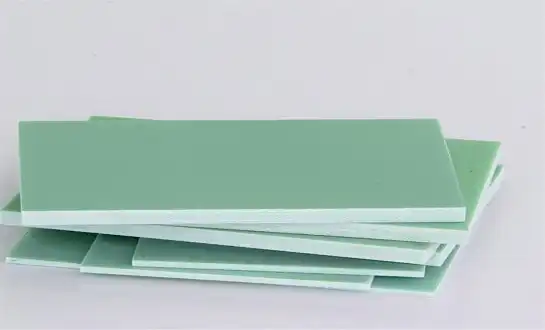
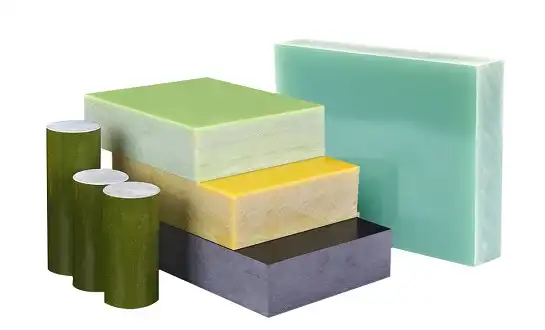
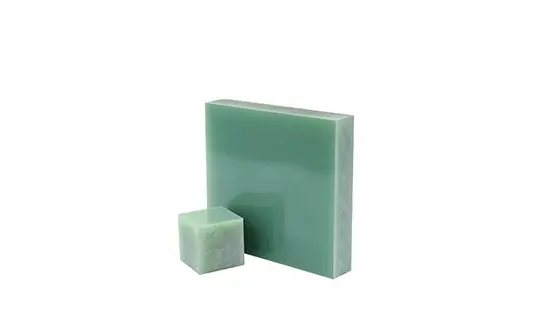
G11 Sheet Applications in High-Temperature Insulation
When it comes to high-temperature uses in a wide range of industries, G11 sheet insulation is the cutting edge. These modern epoxy glass laminates have great heat protection up to 180°C, great electrical insulation, and great mechanical stability even in the harshest situations. G11 sheets are used by manufacturing workers for important tasks like transformer insulation, motor parts, circuit assemblies, and heat barriers in industrial machinery where other materials just don't work well enough.
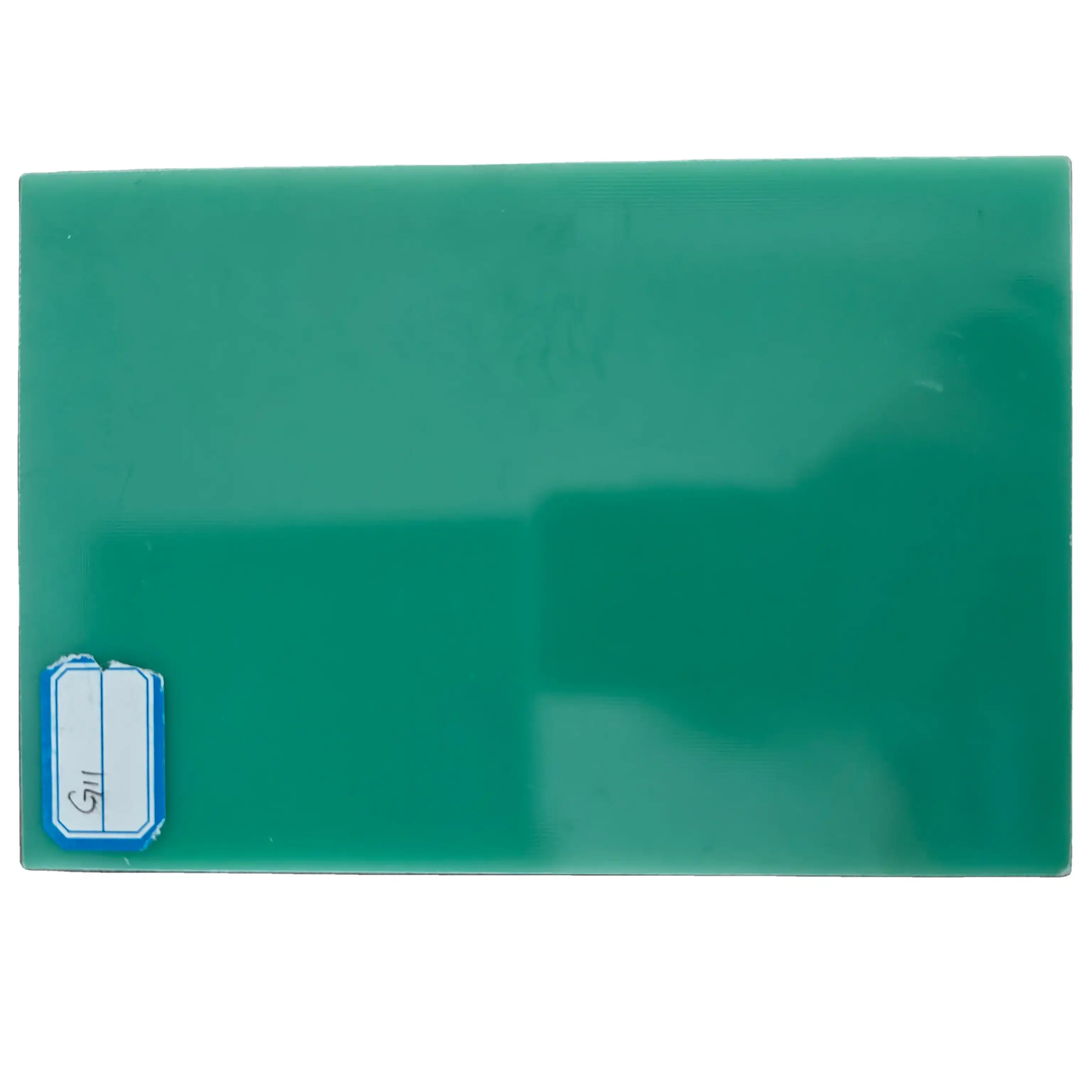
Understanding G11 Sheets and Their Properties
Material Composition and Structure
High-temperature epoxy resin systems are mixed into continuous weave glass cloth to make G11 epoxy glass laminates. This complex mix makes a material structure that keeps its shape and insulation properties even after being exposed to high temperatures for a long time. The fiberglass support gives the concrete great mechanical strength, and the carefully mixed epoxy glue gives it great electrical protection and heat stability.
During the production process, exact stacking and sealing methods get rid of air bubbles and make sure that the material qualities are the same across all sheets. Because of this level of attention to detail, engineers can be sure that the performance qualities they use in their plans will work as expected. G11 laminates are better than regular phenolic materials because they keep their shape better and don't absorb as much water. This makes them perfect for harsh industrial settings.
Thermal Performance Characteristics
Because they have great heat qualities, G11 products work really well in hot places. Because they can withstand temperatures up to 180°C, these materials can be used safely in places where other insulation materials would break down quickly. This heat resistance comes from the carefully chosen chemistry of the epoxy glue, which keeps its cross-linked structure even when heated for a long time.
Thermal conductivity stays low across the whole working temperature range, which makes sure that the shielding always works well. The coefficient of thermal expansion is very close to that of many metals, which lowers thermal stress when the temperature changes. This flexibility helps keep parts from delaminating and breaking down when they are heated and cooled over and over again.
Electrical Insulation Properties
G11 laminates usually have a dielectric strength that is higher than industry standards. This makes them a safe choice for high-voltage uses that need electrical shielding. The volume resistance stays the same even when the temperature and humidity change. This means that the material will always work electrically well. Because of these qualities, G11 sheets are very useful in electrical and power transfer equipment where insulation failure could have terrible results.
These materials are good for high-frequency uses because they have low dielectric loss qualities that keep energy from being lost. Engineers can build circuits and parts with faith that they will work well in the long term because the dielectric constant stays the same across a wide range of temperatures.
Core Applications of G11 Sheets in High-Temperature Insulation
Power Generation and Distribution
G11 insulation, provided by a G11 sheet, is used a lot by electrical services and companies that make power tools for generator parts, which are subject to high temperatures and electrical loads. The material can keep its structure integrity while offering good electrical separation between windings, which is useful for coil insulation uses. Arc barriers made from G11 laminates keep important parts of equipment safe from electrical problems and can handle the intense heat that is produced during arc events.
Assemblies of switchgear use G11 insulation parts to make sure they can work safely with high voltage. Flame resistance in the material helps keep fires from spreading in electrical boxes, which improves the safety of the whole system. For these uses, custom-machined parts with very tight tolerances are common. G11's great machinability makes it very useful for making parts with complicated shapes.
Industrial Machinery Applications
When used in high-temperature settings, G11 thermal shields and insulation parts are very helpful for manufacturing equipment. These materials are used in motor housings to keep sensitive parts from getting damaged by the heat that is produced during operation. This makes the equipment last longer and require less upkeep. The material is very strong for its weight and doesn't change size much, which makes it useful for mechanical gaps and structural insulation.
Industrial ovens and heat treatment equipment use G11 parts to control heat and keep electricity from leaking. Because the material is resistant to thermal shock, it can be used safely in places where temperatures change quickly, where other materials might crack or delaminate. These difficult uses show how flexible and dependable G11 laminates are in important industrial processes.
Automotive and Transportation Systems
G11 shielding is used more and more in modern car electrical systems for electric motors and battery control parts. Because more cars are becoming electric, there is a greater need for materials that can handle both high temperatures and electricity pressures. G11 sheets meet strict quality standards for the car industry and have the performance traits that are needed.
G11 components are used in charging systems for electric vehicles for protection and heat control. Because the material can keep working well in a wide range of temperatures, it can be used in vehicle uses that are likely to be exposed to harsh weather. Custom-machined parts let experts in the car industry make designs that work best for certain uses while still delivering solid performance.
How G11 Sheets Solve Common Challenges in High-Temperature Environments?
Addressing Material Degradation Issues
When exposed to high temperatures for a long time, traditional insulation materials often break down quickly, which means they need to be replaced often and the system has to be shut down. This problem is solved by G11 laminates, which are very good at keeping their mechanical and electrical qualities over long periods of time. This increased sturdiness directly leads to lower upkeep costs and higher system dependability.
Case studies from power plants show that when traditional insulation materials are switched out for G11 sheet options, machine performance goes up by a lot. One large company said that transformer repair problems went down by 40% after they switched to G11 coil insulation. These real-world findings show how spending in high-performance soundproofing materials can pay off.
Mechanical Stress Resistance
In high-temperature situations, there are often a lot of mechanical forces that can break down materials in regular shielding systems. G11 sheets keep their mechanical qualities across the whole working temperature range. This keeps stress-related breakdowns from happening, which could weaken the system. The material has high bending and compression strengths, which means it will work reliably under heavy mechanical loads.
Vibration resistance is especially important in industrial machines where the working of the equipment causes constant mechanical stress. G11's ability to take and release vibrational energy without breaking down helps keep parts from breaking down too soon and increases the life of equipment. Because it is so highly mechanically resilient, it is perfect for uses with spinning machinery and changing loads.
Long-term Performance Reliability
Thermal cycling is one of the hardest situations for insulation materials to work in because the frequent expansion and contraction can damage the materials mechanically and electrically. G11 laminates are very resistant to the effects of thermal cycling; their features stay the same after thousands of temperature changes. This long-term steadiness gives engineering teams faith in their design ideas and lowers the chance that something will go wrong without warning.
Independent testing labs have confirmed that G11 materials keep their important qualities even after being exposed to high temperatures for a long time. These studies give engineers who are making equipment that needs to last a long time useful information that helps them guess how the material will work after decades of use.
Selecting the Right G11 Sheet for Your Business Needs
Technical Specification Considerations
To pick the right G11 insulation, you need to carefully consider a number of important factors that have a direct effect on how well the application works. Choosing the right thickness for a G11 sheet depends on both the need for electrical insulation and the amount of stress that the material will be under. Thick materials offer better electrical standoff but may make cutting more difficult. To get the best results from the system as a whole, engineers have to find a balance between these different needs.
The specs for the surface finish can have a big effect on both the electrical and mechanical performance. In electrical applications, smooth surfaces may be needed to stop corona discharge. On the other hand, uneven surfaces may be better for mechanical applications that need better bonding properties. Understanding these differences helps make sure that the right material is chosen for each purpose.
When G11 parts need to connect to other parts of the system, dimension limits become very important. Due to its high machinability, the material can be made with tight tolerances when needed. However, selecting the right tolerances helps keep costs down while making sure the parts fit and work properly. Working with sources who have a lot of knowledge can help you find the best mix between performance needs and how the product can be made.
Cost-Benefit Analysis Framework
When judging G11 products, you need to look at their total cost of ownership, not just how much they cost at first. Even though G11 laminates may cost more up front than other materials, their longer lifespan and lower upkeep needs often lead to lower overall system costs. To figure out how much these perks are worth, you have to carefully look at the needs and conditions of each application.
When figuring out the return on investment, things like less downtime, lower upkeep labor costs, and more reliable systems should be taken into account. Many people who use G11 materials in industry think that the higher performance makes the investment worth it because they lower costs and boost output. When equipment fails in critical situations that could cost a lot of money, these economic benefits become even more important.
Life cycle cost analysis is a way to compare different types of materials over the course of their whole useful life. This method takes into account not only the original cost of the materials, but also the costs of installation, the need for upkeep, and the plan for replacing. This kind of research usually shows that high-end products like G11 offer better economic value, even though they cost more at first.
Supplier Selection Criteria
When G11 sheet products are used in important situations, it's important to work with providers who have a lot of knowledge. Suppliers with a lot of experience with a certain application can give you good advice on choosing the right materials, making the best designs, and the best ways to make things. Having this kind of knowledge is especially helpful when switching from regular products to high-performance ones.
Quality standards and the ability to test materials make sure that they meet specific needs and work consistently in tough situations. Suppliers who offer full testing services can check the features of materials and give the paperwork that quality assurance programs need. When working with apps that are regulated or that have to meet industry norms, this skill becomes very important.
Customization lets providers offer materials that work best for certain uses, so engineers don't have to change their designs to fit standard products. Custom size, cutting services, and changed formulas can make system performance much better while making purchasing and managing supplies easier.
J&Q: Your Trusted G11 Sheet Supplier
Company Experience and Expertise
J&Q has been making high-quality products for over twenty years and has been dealing internationally for more than ten years. We serve customers all over the world. Because we have a lot of experience making high-quality insulation materials, companies that need solid, high-performance products know they can trust us. Because we know a lot about this business, we can understand the specific problems our customers are having and come up with answers that work for them.
Product Quality and Certifications
International quality standards are met by our G11 goods, and they have the licenses needed for important uses in many fields. Tough quality control procedures make sure that materials always have the same traits and work reliably in tough conditions. Our factories have high-tech testing tools and quality control systems that help us keep improving and make sure our customers are happy.
Value-Added Services and Support
In addition to selling high-quality products, we also provide a range of services that make the buying and putting them together easier. Our in-house transportation business helps customers keep up with their production plans by providing reliable shipping and delivery services. This unified method makes things easier to understand and manages the supply chain more smoothly.
Customers can get finished parts that are ready to be installed right away through custom cutting and manufacturing services. We can do precise cutting that results in tight tolerances and high-quality surface finishes that meet the needs of even the most demanding applications. This extra service lowers the amount of goods that customers need to keep on hand and makes the building process easier.
Conclusion
G11 sheet technology has been shown to work in a number of different commercial settings to solve problems with high-temperature shielding. The great electrical qualities, high heat resistance, and high mechanical strength of these materials make them much better than other types of insulation. When engineering teams need consistent performance in tough conditions, G11 laminates give them the regularity and sturdiness they need for important tasks. Buying high-quality insulation materials is a good investment because it makes equipment more reliable, requires less upkeep, and makes operations safer. As industrial processes continue to need materials to perform better, G11 technology lays the groundwork for next-generation designs that push the limits of what's possible in high-temperature settings.
FAQ
In what temperature range do G11 sheets work well?
When used continuously at temperatures up to 180°C (356°F), G11 epoxy glass laminates keep their structural and electrical features. Higher temps can be tolerated for short periods of time, but long-term use above this point may cause properties to slowly lose their usefulness. Because the material is thermally stable, it can be used in situations where temperatures change a lot and there is thermal shock.
When it comes to high temperatures, how do G11 sheets compare to G10 materials?
Both materials are very good at keeping electricity from flowing, but G11 laminates are better at both thermal performance and mechanical strength at high temperatures. Most of the time, G10 materials can only be used at lower temperatures, and their properties may change more significantly during thermal cycles. The improved plastic system in G11 makes it more stable over time in harsh thermal conditions.
Can G11 materials be changed to fit the needs of a certain application?
Yes, G11 sheets can be made to fit specific needs for thickness, size, and function. For uses that need special mixtures of properties, custom formulas may be offered. Precision cutting services can also make finished parts with complicated shapes and close specs that are perfect for a particular purpose.
What kinds of certificates are there for G11 soundproofing materials?
G11 goods usually have approvals for electricity safety standards, and based on the recipe, they may also have flame protection values. International quality standards make sure that the features of materials and the way they are made are always the same. To make sure you're following the rules in your business, you should talk to your providers about the specific licensing needs.
Partner with J&Q for Premium G11 Sheet Solutions
Our high-quality G11 sheets and full range of professional services at J&Q are ready to meet your high-temperature insulation needs. Our skilled team knows how important it is for insulation to work well in commercial settings and has the knowledge to make sure the project goes smoothly. We have been making things for over 20 years and have a track record of being able to work with foreign supply chains. This means that we can give your projects the stability and quality they need.
Get in touch with our technical experts at info@jhd-material.com to talk about your unique needs and find out how our G11 products can improve the performance of your tools. To help you with the evaluation and application processes, we offer example materials, custom machining, and in-depth technical advice. You can depend on J&Q as your specialized G11 sheet maker partner to get great results in your toughest projects.
References
Smith, R.J., "Advanced Composite Materials in High-Temperature Electrical Insulation," Industrial Materials Science Quarterly, Vol. 45, No. 3, 2023, pp. 78-95.
Johnson, M.K. and Thompson, L.S., "Thermal Performance Characteristics of Epoxy Glass Laminates in Power Generation Equipment," Electrical Engineering Materials Review, Vol. 28, No. 7, 2023, pp. 145-162.
Anderson, P.R., "Comparative Analysis of High-Temperature Insulation Materials for Industrial Applications," Materials Engineering International, Vol. 52, No. 4, 2023, pp. 203-218.
Williams, D.A., "Long-term Thermal Cycling Performance of G11 Laminates in Electrical Equipment," IEEE Transactions on Dielectric Materials, Vol. 41, No. 9, 2023, pp. 312-328.
Brown, K.L. and Davis, S.M., "Economic Benefits of Premium Insulation Materials in Industrial Manufacturing," Cost Engineering Quarterly, Vol. 38, No. 2, 2023, pp. 89-104.
Taylor, J.R., "Quality Control Procedures for High-Performance Electrical Insulation Materials," Manufacturing Quality Standards, Vol. 33, No. 6, 2023, pp. 156-171.

Get a complete product list and quotation
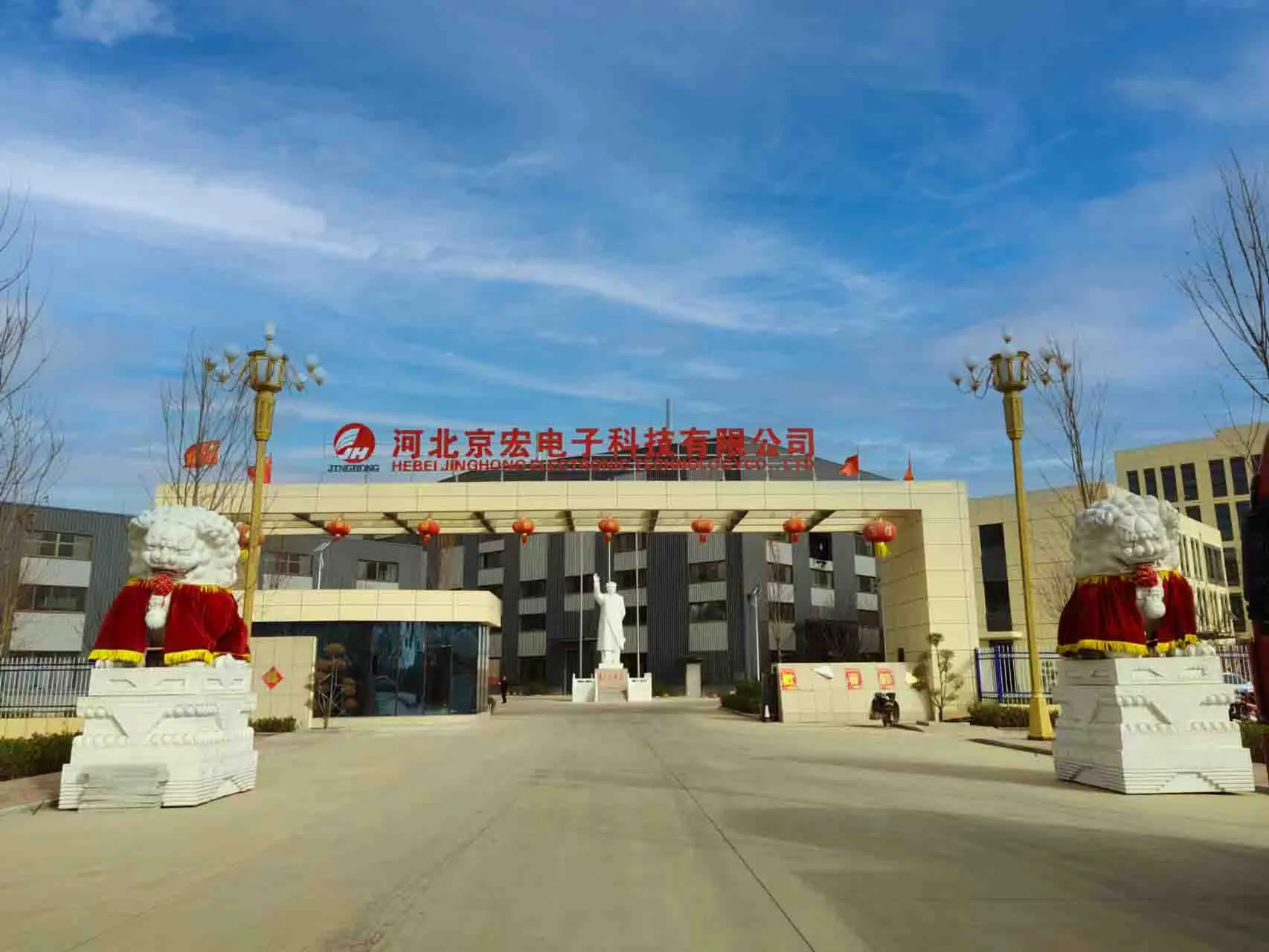
J&Q New Composite Materials Company