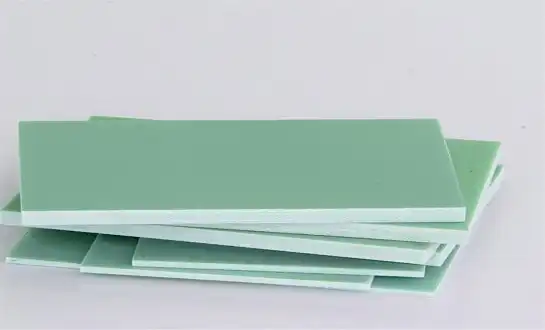
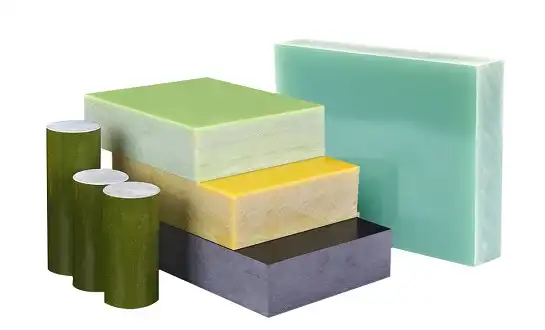
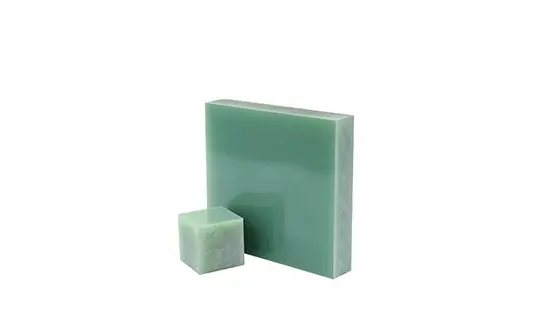
Electrical Properties of 3240 Epoxy Sheets Explained
For tough industrial uses, the 3240 epoxy sheet is a cornerstone of electrical shielding technology because it has both high dielectric strength and high heat stability. The electrical qualities of these high-performance epoxy glass laminates are great. They have dielectric strengths of more than 16 kV/mm, volume resistivities of more than 10^14 ohm-cm, and great arc resistance. These materials are important for electrical protection in electronics, power systems, and industrial machinery, and manufacturing engineers and buying teams depend on them.
Overview of 3240 Epoxy Sheets and Their Electrical Properties
Before you can understand the basic properties of epoxy glass laminates, you need to look at their complex material makeup and how they are made. These shielding materials use advanced epoxy resin systems along with woven glass cloth support to make a layered structure that works very well for both electrical and mechanical purposes.
Material Composition and Manufacturing Process
To make these epoxy laminates, high-quality glass cloth is treated with specially made epoxy resin systems in processes that are carefully monitored and controlled. During production, exact temperature and pressure processes are applied to multiple layers. This makes the material's density and electrical properties the same all the way through its thickness. This method of controlled manufacturing makes sure that the insulating performance and material stability are always reliable, even when the working conditions change.
The epoxy resin core provides good electrical protection and chemical resistance, while the glass cloth support keeps the shape and gives tensile strength. When these two things are put together, they make a balanced material structure that meets strict requirements for uses like mechanical support and insulating electrical equipment.
Key Electrical Properties Analysis
The most important electrical property is the dielectric strength, which shows how well a material can handle electrical stress without breaking. Depending on the thickness and measurement conditions, good epoxy glass laminates usually have dielectric strengths between 14 and 18 kV/mm. This trait has a direct effect on how well the material works with high voltages and sets the safe working voltages for electrical tools.
The material's resistance to current flow can be found by measuring its volume resistivity and surface resistivity. Better grades have volume resistivity values higher than 10^14 ohm-cm under normal testing settings. These high numbers for resistance make sure that there is little electrical loss and that the shielding stays in good shape for long periods of time.
Breakdown voltage testing shows how well something works in the real world, and insulation resistance testing checks how stable the electricity will be in the long term. These factors together determine the material's general electrical performance range and whether it is suitable for a given purpose.
Temperature Effects on Electrical Performance
Operating temperature has a big effect on electrical properties for a 3240 epoxy sheet. For continued use, most high-quality materials keep their performance fixed across temperature ranges from -40°C to 130°C. Dielectric strength and resistivity values can change at high temperatures, so thermal stability is very important for uses with heat-generating parts or high atmospheric temperatures.
Temperature changes over and over again in thermal cycling tests show how they affect electrical integrity, while measures of the glass transition temperature show the highest levels of thermal performance. Knowing these temperature factors helps engineers choose the right materials for different working conditions and makes sure they will work well for a long time.
Performance Comparison: 3240 Epoxy Sheets vs Other Insulating Materials
In order to choose the best insulation materials, you need to know how each one compares in terms of electrical, mechanical, and thermal performance. This study gives people who work in buying the information they need to make smart decisions about what materials to buy.
Electrical Insulation Quality Comparison
It is clear that epoxy glass materials are better in some situations when compared to other materials like FR4, G10, and phenolic laminates when it comes to electrical performance. FR4 materials are very good at keeping fires out, but they may not be as strong when oriented in certain ways. G10 grades have better engineering qualities, but they usually cost more for the same electrical performance.
Phenolic cotton laminates are cheaper options for lower-voltage uses, but they usually can't compare to epoxy glass systems when it comes to dielectric strength and temperature stability. Fiberglass polyester laminates have average electrical qualities and are reasonably priced, but they might not be chemically resistant enough for harsh industrial settings.
How good the electrical shielding is depends a lot on the needs of the product, the working voltages, and the weather. Each type of material has its own benefits that are best for certain use cases and performance goals.
Mechanical Robustness and Thermal Capabilities
Different shielding materials have very different mechanical strength qualities. Epoxy glass laminates usually have great bending strength and impact protection. These qualities are very important for structure insulation jobs that need to handle both mechanical loads and electrical stress.
When you look at steady working temperatures and thermal expansion traits for a 3240 epoxy sheet, you can see that thermal performance is not the same. Some other materials might be better at resisting flames, but epoxy glass systems usually keep their shape better over a wide range of temperatures and keep their mechanical properties when they get hot.
When you put together electrical, mechanical, and thermal qualities, you get different performance levels that work well in a range of situations.
Thickness Effects on Performance
The thickness of a material has a direct effect on both its dielectric strength and its mechanical stability. Sections that are thicker usually have higher breakdown voltages, but they may be less flexible for fitting in tight areas. By understanding these connections, you can choose the best materials for certain electrical and physical needs.
Thinner materials may be better in situations where weight is important or where room limits the materials that can be used. But the minimum thickness needs that are set by electrical space and mechanical support needs must often be weighed against other design factors.
Practical Applications of 3240 Epoxy Sheets in Electrical Insulation
Because epoxy glass laminates are so flexible, they are needed in a huge range of electrical and electronic uses. Their electrical protection and mechanical qualities make them ideal for solving difficult engineering problems.
Circuit Board and Electronics Applications
These materials are used a lot in the electronics industry to make PCB support structures, component mounting frames, and electrical separation walls. The good machinability makes it possible to precisely make complicated shapes while keeping the close tolerances on dimensions needed for current electronic systems.
The material's spark resistance and flame safe qualities make it useful for switchgear uses and protect electrical distribution systems reliably. When electrical insulation and mechanical support are needed in motor uses, these materials are used as insulation walls, coil supports, and thermal safety parts.
Industrial and Power System Uses
These laminates, like a 3240 epoxy sheet, are used by transformer makers for coil shielding, core supports, and heat barriers in places where the electrical performance needs to be strong enough to handle tough working conditions. These materials are used in power distribution equipment as spark buffers, bushing supports, and insulation spacers to keep electrical gaps even when the environment changes.
Because it is resistant to chemicals, it is useful in industrial settings where oils, acids, and cleaning products could damage other materials. This resistance makes the service life longer and keeps the electrical purity even in tough working conditions.
Safe Handling and Processing Guidelines
The electrical qualities of the material are kept safe during manufacturing processes by using the right cutting and grinding methods. While the right dust collection systems handle the flying bits made during grinding, carbide tools usually give the best results for precise cutting tasks.
Knowing the direction of the grain and the alignment of the fibers helps cut materials more efficiently, reduces waste, and keeps the structural integrity of final parts. When things are stored correctly, they don't absorb moisture that could change their electrical properties.
Procurement Guide: How to Source Quality 3240 Epoxy Sheets for Your Business
To buy electrical insulation materials successfully, you need to carefully look at the skills, systems, and technical support services of the suppliers. This will help you make sure that the materials work the same way every time and that the supply chains are reliable.
Supplier Evaluation Criteria
To find trustworthy makers, start by looking at their quality certifications, testing skills, and compliance with industry standards. Suppliers that have been around for a while usually have ISO 9001 quality management systems in place and offer a lot of detailed information, such as material property datasheets and compliance certificates.
When testing a company's manufacturing capabilities, it's important to look at its production capacity, quality control methods, and ability to meet certain standards for size. Suppliers who have their own testing centers can respond more quickly to requests for unique specs and quality checks.
Quality Assurance and Documentation
Test results for electrical and mechanical properties, as well as information on environmental safety, are all part of complete material paperwork. Suppliers should give test certificates that are special to each batch and keep trackability systems that can help with quality investigations if there are problems with performance.
Knowing the testing standards and methods used for property verification for a 3240 epoxy sheet makes it easier to judge the accuracy of data and make sure it works with the needs of the application. Regular audits of suppliers and programs to check new materials help keep quality levels stable.
Pricing and Lead Time Considerations
The prices of electrical insulation materials on the market are based on the costs of raw materials, the difficulty of production, and the level of quality. Bulk buying can save you money, but you need to be careful about managing your goods and storing things so that they don't break down.
Lead times depend on the type of material, the amount needed, and the supplier's output plans. Setting up framework deals with multiple providers helps make sure that supplies don't run out and gives you options for dealing with changing demand trends.
Options for customization, such as custom sizes, standards, and material grades, may require longer wait times and higher tooling costs. Knowing about these things can help you get the best deals and keep costs down for your individual job.
Advantages and Value of Choosing 3240 Epoxy Sheets for Electrical Insulation
In addition to basic electrical protection, epoxy glass laminates offer many other benefits that help businesses stay in business. These benefits include long-term dependability, low costs, and environmental friendliness.
Superior Electrical and Mechanical Performance
When you combine good dielectric strength, mechanical sturdiness, and thermal stability, you get a performance model that meets many technical needs at once. This adaptability cuts down on the need for different types of materials and makes buying things and keeping track of supplies easier.
Long-term dependability studies show that performance stays the same over long periods of time, which lowers the need for upkeep and replacing costs. Electrical qualities that don't change much when the environment does gives confidence for important uses where failure could cause a lot of loss or safety issues.
Cost-Effectiveness and Durability Factors
Even though the starting cost of the materials for a 3240 epoxy sheet may be higher than some other options, the longer service life and lower upkeep needs often lead to a lower total cost of ownership. Because complex shapes can be machined from normal sheet stock, the costs of making tools for plastic options are eliminated.
Durability under mechanical stress and weather contact makes parts last longer and need to be replaced less often. This dependability is especially useful in situations where repair is hard to get to or where replacement costs are high.
Sustainability and Industry Compliance
Modern manufacturing methods take environmental concerns into account by reducing trash and making processes more energy efficient. A lot of companies now offer materials that meet RoHS rules and other environmental rules without affecting how well they work electrically or mechanically.
Compliance with industry standards, such as UL recognition and NEMA specs, makes sure that the product works with normal building methods and meets government standards. This compliance makes the review process easier and lowers the technical risk for projects that are developing new products.
Company Introduction and Product Service Information
Our company has been making and selling high-quality electrical shielding products to customers all over the world for more than twenty years. This wide range of experience includes in-depth scientific knowledge as well as a realistic understanding of a wide range of industry uses and customer needs.
The wide range of products includes different types of epoxy laminates, phenolic materials, and custom composites made for tough electrical and mechanical uses. Each type of material is tested thoroughly and its quality is checked to make sure that it always performs the same way and that the supply quality is reliable.
As part of our fully integrated supply chain, we offer specialized transportation services that make delivery easier and make buying things easier for customers all over the world. This one-stop service makes managing vendors easier and makes sure that delivery plans are organized and that there is clear contact throughout the supply process.
Customers can get help from technical advice services with things like choosing materials, application building, and improving performance. Our engineering team works with customers to find the best material solutions and then provides ongoing help to make sure the solutions are implemented correctly and work well for a long time.
Conclusion
Electrical insulation materials, such as a 3240 epoxy sheet, are very important in modern industry settings where safe tools and high productivity are directly affected by their dependability and stability over time. When you mix epoxy glass laminates' high mechanical strength and heat stability with their wide range of electrical properties, you get answers for a wide range of technical problems. Knowing these things about the material, how it should be used, and how to buy it lets you make smart choices that improve both its technical performance and its economic value. Manufacturing methods and quality control systems are always changing, which means that these materials will continue to meet the higher standards needed in electronics, power systems, and industrial equipment.
FAQs
How do the electrical qualities of epoxy glass laminates compare to those of other materials used for insulation?
Most of the time, epoxy glass laminates have higher dielectric strengths than phenolic or polyester options. Under normal testing settings, breakdown voltages often go over 16 kV/mm. When you mix epoxy glue with glass fibers, you get a very stable structure that doesn't absorb water and keeps its electrical qualities for a long time. Even though FR4 materials are flame safe, normal types of epoxy glass often have better mechanical qualities and temperature stability for tough jobs.
Can these materials handle electricity uses at high temperatures?
For ongoing use, good epoxy glass laminates keep their electrical properties steady at temperatures ranging from -40°C to 130°C. For short-term contact, they can handle higher temps. Usually, the glass transition temperature is higher than 140°C. This keeps the shape and electrical structure of the material stable when it is heated. But the exact temperature range depends on the type of material and the needs of the application. This is why thermal testing is so important for high-temperature tasks that need to be done correctly.
What factors determine the best thickness of material for a given project?
When choosing a material thickness, it's important to keep electrical space, mechanical support, and fitting limitations in mind. While thicker parts offer higher breakdown voltages and better mechanical strength, they may also add weight and cost. In electrical applications, the minimum width is usually set by the working voltages and safety factors. In mechanical applications, on the other hand, load requirements and displacement limits are what matter. Talking to material sources and doing tests that are specific to the application can help you choose the best width for your needs.
Contact J&Q for Premium 3240 Epoxy Sheet Solutions
J&Q offers high-quality epoxy glass laminates and has been making them for over 20 years, so they can back them up with full professional support. With our many years of experience, we can be a trusted 3240 epoxy sheet provider for businesses around the world that make electrical and electronic equipment, industrial tools, and power systems. Get in touch with our expert team at info@jhd-material.com to talk about your unique insulation needs and find out how our combined shipping services can help you save time and money while still delivering high-quality materials on time.
References
Institute of Electrical and Electronics Engineers. "Standard Test Methods for Electrical Insulating Materials." IEEE Standards Association, 2019.
National Electrical Manufacturers Association. "Industrial Laminated Thermosetting Products." NEMA LI 1-1998 Standard, 2020.
American Society for Testing and Materials. "Standard Test Methods for Electrical Properties of Insulating Materials." ASTM International, 2021.
International Electrotechnical Commission. "Electrical Insulating Materials - Methods of Test for the Determination of the Dielectric and Resistive Properties." IEC Publication 60250, 2018.
Underwriters Laboratories. "Standard for Polymeric Materials - Use in Electrical Equipment Evaluations." UL 746A-2019, Fourth Edition.
Society of Plastics Engineers. "Handbook of Electrical Insulating Materials and Applications in Power Systems." Technical Publication Series, 2020.

Get a complete product list and quotation
J&Q New Composite Materials Company