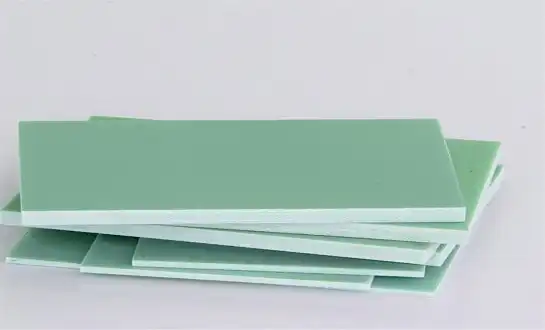
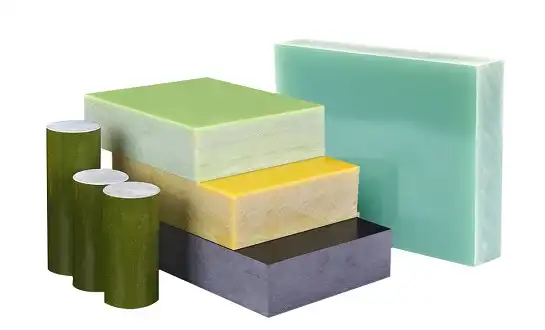
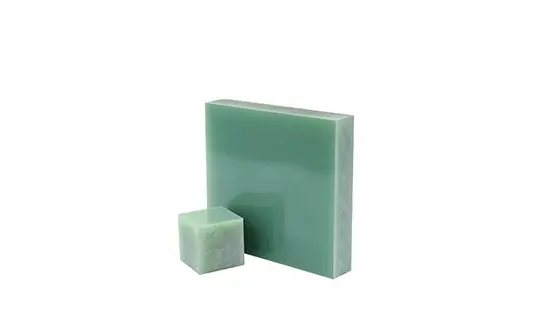
G10 Epoxy Sheet Manufacturing Process Explained
Making G10 epoxy sheets is a complex mix of precise engineering and material science. It takes raw fiberglass cloth and epoxy glue and turns them into high-performance composite materials. This layered product has great electrical insulation qualities thanks to the controlled stacking, heat pressing, and sealing processes that join several layers of fiberglass with thermoset epoxy glue. Understanding how complicated this manufacturing process is helps procurement workers make smart choices about where to buy things and makes sure that quality standards are met in a wide range of industry settings that need high mechanical strength and insulating properties.
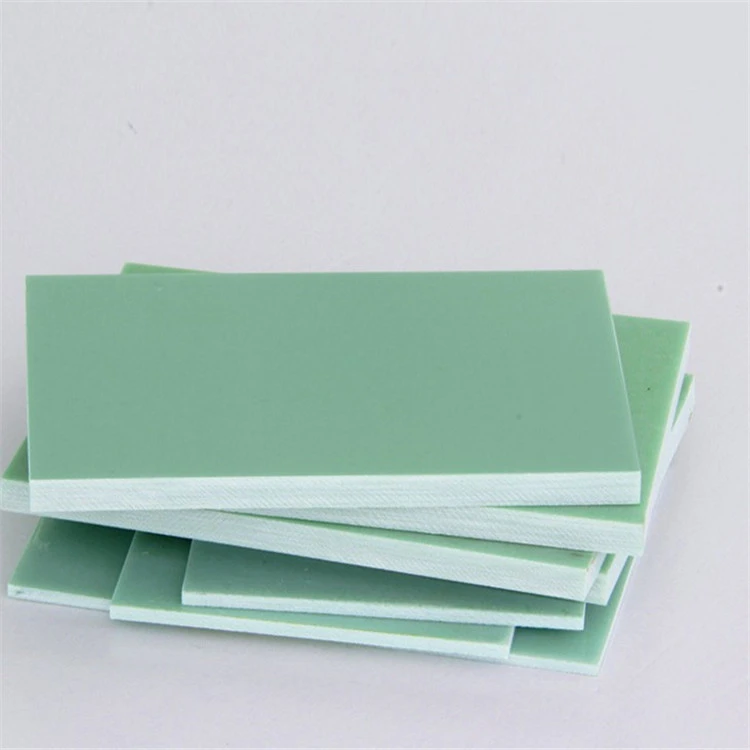
Understanding G10 Epoxy Sheet: Properties and Applications
G10 epoxy sheets are unique because they are high-quality composite laminates made from continuous filament glass cloth that is fully soaked with epoxy resin systems. When regular plastics and metals don't work well in tough situations, these materials do. They have special properties that make them good at electrical protection, mechanical sturdiness, and chemical resistance.
Core Material Composition and Structure
The secret to G10 epoxy sheets is in how carefully they were put together. The structure is held together by woven E-glass fiberglass cloth, and flame resistance and electrical qualities are provided by brominated epoxy glue systems. This mix makes a thermoset material that stays the same size even when the temperature changes and doesn't break down when exposed to water, chemicals, or mechanical stress.
Most of the time, the glass fiber support is made up of continuous thread yarns that are sewn into fabrics that are balanced. Surface treatments are used to improve the bonding of the resin and the transfer of dynamic properties between the glass and polymer material in these fabrics. The epoxy resin system has flame-retardant additives, hardening agents, and processing tools that make it possible to make uniform products that meet strict safety and electrical standards.
Technical Specifications and Performance Characteristics
G10 materials have amazing mechanical qualities. Their bending strength can hit 380 MPa and their compressive strength can go over 415 MPa. Because of these features, fiberglass epoxy laminates can be used in structure uses that need to be able to hold a lot of weight and be very accurate in terms of size.
The electrical performance is still very impressive, with dielectric strengths above 16 kV/mm and volume resistivities above 10^14 ohm-cm. These features make sure that the insulation works well in high-voltage situations, like in power transfer equipment or on the surfaces of electrical parts.
With constant use temperatures reaching 130°C and short-term contact temperatures hitting 180°C, temperature protection covers a wide range of useful temps. This thermal stability is very important for uses that involve equipment that makes heat or high temperatures.
Industrial Applications and Market Segments
G10 sheets are used by electrical and electronics companies to make PCB boards, circuit insulation, and transformer parts that need to be electrically reliable. The material is easy to machine, which lets complicated shapes be made with great accuracy while keeping close limits on dimensions.
These laminates are used in the power generation and distribution industries for arc chutes, insulation barriers, and supporting structures in high-voltage equipment. Flame protection and electrical qualities work together to meet the strict safety and efficiency standards of the power business.
G10 epoxy sheet materials are being used more and more in automotive uses for things like motor mounting braces, battery pack insulation, and heat control parts. As the car industry moves toward electric vehicles, there is a greater need for effective insulation materials that can handle rough working conditions.
Detailed Manufacturing Process of G10 Epoxy Sheet
To make high-quality G10 epoxy sheets, you need to keep a close eye on many steps of the process, from getting the raw materials ready to checking the end quality. This thorough process makes sure that the material's qualities stay the same and that it works well in a wide range of situations.
Raw Material Selection and Preparation
The first step in manufacturing is to carefully test the raw materials, which include both the glass cloth and the resin system components. Glass cloth specs include the weight of the fabric, the design of the weave, and whether or not the surface can be treated. Fabric checking makes sure there are no flaws, the right amount of wetness, and consistent dimensions that affect the quality of the end laminate.
To make epoxy resin, you need to carefully mix base resins, hardening agents, flame retardants, and processing ingredients. Analytical tests are done on batch formulas to make sure they have the right stoichiometry and viscosity. Controlling the temperature and humidity while mixing stops the glue from drying too quickly and makes sure that all of its parts are spread out evenly in the system.
Impregnation and Prepreg Formation
During the impregnation process, exactly measured amounts of epoxy resin are sprayed onto glass cloth. This makes prepreg materials with controlled resin content and spread. Today's treater lines use hot rollers, doctor blades, and tensioning systems to make sure that the resin picks up evenly and that air doesn't get trapped or the cloth gets distorted.
Tower ovens with controlled temperature profiles move the drying of resin to certain gel steps so that the solvent can be removed. This partially cured state lets the material be handled and stored later, but it stops full crosslinking during lamination. As part of quality control, measuring gel time, checking the resin content, and analyzing the volatile content are all done to make sure that the prepreg is consistent.
Lamination and Consolidation
Stack assembly includes putting down layers of various prepreg plies based on the required thickness and performance levels. Clean rooms keep things from getting dirty, and automatic cutting systems make sure that the ply measurements and fiber direction are exactly right. Release films and caul plates keep laminate surfaces safe while they are being pressed.
Controlled temperature and pressure patterns are used in hot press lamination to make the prepreg stack stronger while speeding up the resin fix. During a normal press cycle, temperatures rise between 2 and 5°C per minute, reach their highest point between 140 and 180°C, and pressures range from 1.4 to 7.0 MPa. These settings make the glue flow, gap removal, and bonding dynamics work better.
Curing and Post-Processing
Post-cure heat treatment for a G10 epoxy sheet finishes bonding the resin and gives it all of its mechanical and electrical properties. During an oven cycle, the temperature is slowly raised until it reaches its highest point, which is usually around 150°C. The temperature is then lowered slowly so that thermal stress doesn't build up. To keep big laminate panels at the same temperature, the oven needs to be carefully designed and airflow needs to be managed.
Sanding is a part of surface preparation that gets rid of surface flaws and makes width profiles that are all the same. Diamond-tipped saws, water-jet systems, or CNC routing are used for precision cutting to get the finished part dimensions while reducing problems with delamination and edge quality.
Quality Assurance and Testing
At different steps of production, thorough testing methods make sure that the mechanical, electrical, and physical qualities are correct. Standardized test methods are used for destructive testing, which includes checking for bending strength, impact resistance, and flame spread. Ultrasonic scans and other non-destructive methods can find internal holes or delaminations that could affect performance.
Electrical testing includes measuring surface resistivity, spark resistance, and dielectric strength to make sure the shielding works. Samples are put through high temperatures, high humidity, and thermal cycling as part of environmental training to test their long-term safety and ability to keep up performance under working conditions.
Comparative Analysis: G10 Epoxy Sheet Versus Other Materials
When buying workers know how G10 epoxy laminates stack up against other materials, they can choose the best options for each application while keeping performance and cost in mind.
G10 Versus G11 Epoxy Laminates
G11 epoxy sheets can withstand higher temperatures than regular G10 materials; they can hit 180°C in constant use, while G10 can only handle 130°C. This temperature benefit comes from plastic mixtures that have been changed so that they have better thermal performance at higher temperatures.
A study of costs shows that G11 materials usually cost 15 to 25 percent more than G10 goods of the same type. This is because they need special glue systems and stricter handling rules. Applications that need to work at high temperatures can afford this price difference, while settings with normal temperatures are better for choosing G10 because it is cheaper.
G10 Versus Phenolic Laminates
For uses where electricity standards are not as strict as those for G10, phenolic cotton and paper laminates are more cost-effective options. While phenolic materials are strong and don't catch fire easily, they aren't as good at withstanding electricity or the elements as epoxy-based materials.
The rates at which they absorb water are very different. For example, phenolic laminates absorb 2 to 4 percent of water, while G10 epoxy sheet materials absorb less than 0.5%. Because it is sensitive to moisture, G10 is better for use outdoors or in places with a lot of humidity because it keeps its shape and electrical qualities better.
G10 Versus Engineering Plastics
When compared to thermoset G10 laminates, high-performance thermoplastics like PEEK and PPS are better at resisting chemicals and being easy to work with. Even though these materials are usually three to five times more expensive than G10, they are not as strong or stiff.
Thermoplastics are better for making complicated shapes that need to be injected molded or thermoformed, while G10 is better for uses that need flat sheet stock or simple made parts. Because G10's thermoset grid can't be reversed, it has better physical stability when temperatures change.
Procurement Guide for G10 Epoxy Sheets
To buy G10 epoxy sheet successfully, you need to know what the seller can do, what the specifications are, and how the quality system works to make sure that the material performs the same way across production lots and shipping dates.
Supplier Evaluation and Selection Criteria
Suppliers who are qualified have complete quality management systems that include testing of produced products, controlling the raw materials, and keeping an eye on the production process. Quality security at the base level is provided by ISO 9001 certification, while aircraft or car approvals show higher levels of capability for challenging uses.
An estimate of manufacturing capacity looks at things like output tools, expert help, and the stability of the supply chain. Suppliers with their own laminating machines, testing facilities, and skilled technical staff can better help with unique requirements and solving problems.
Specification Development and Technical Requirements
Specifications that work well combine the need for efficiency with the ability to make the product and the lowest possible cost. Key factors include thickness limits, surface finish requirements, and physical stability criteria that meet the needs of the product without being too specific, which would raise costs for no reason.
For example, ASTM D149 for dielectric strength or IEC 60893 for comparison tracking index should be used as test standards in electrical property requirements. When writing mechanical standards, it's helpful to use industry-standard test methods that let suppliers get qualified and set up processes for new inspections.
Pricing Models and Commercial Considerations
The main factors that affect G10 price schemes are usually the cost of raw materials, the difficulty of handling, and the number of orders. Standard widths and sizes are cheaper than unique setups that need special tools or dedicated production runs.
Through yearly deals or blanket orders with planned drops, volume promises can often get you better prices. These setups make it possible to predict costs and make sure there is a steady supply for planning production. Lead time agreements weigh the costs of keeping goods against the risk of running out of it for important uses.
Logistics and Supply Chain Management
When sending something like a G10 epoxy sheet internationally, you need to make sure it is properly packaged to avoid damage during travel, that you have all the paperwork you need to get through customs, and that your valuable packages are covered by insurance. Established providers know how to handle exports and make shipping more efficient, which lowers the total cost of delivery.
Quality agreements should include rules for inbound inspections, how to handle nonconforming materials, and how to take appropriate action. Clear communication methods make sure that problems are fixed quickly and that production is interrupted as little as possible when they do happen.
Company Introduction and Our G10 Epoxy Sheet Solutions
J&Q has been making and selling high-performance insulation materials for more than 20 years. They offer a wide range of G10 epoxy sheet options that are specifically designed for tough industrial uses. Our more than ten years of experience in foreign trade has helped us build strong relationships with clients around the world who are looking for trusted material providers and expert support.
Manufacturing Expertise and Quality Standards
We make sure that the quality of our products is always the same by using advanced process controls and thorough testing methods. Every lot of products goes through strict validation tests to make sure they meet foreign standards, such as the UL recognition and RoHS compliance requirements that customers around the world want.
Using precise test tools and standard methods, quality control systems make sure that raw materials are safe, that processes are being watched, and that final products are safe. For important projects, engineering managers and buying teams need a methodical approach that gives them dependability and tracking.
Product Range and Customization Capabilities
Standard thicknesses for our G10 epoxy sheets range from 0.5mm to 50mm, and we can also make sheets in any size to fit your needs. Standard sheet sizes meet most industry needs, and custom cutting services offer exact part shapes that cut down on customers' machining costs and wait times.
Technical support services include helping choose materials, giving advice on applications, and giving advice on how to improve performance. Our tech team works with customers to come up with solutions that meet their specific performance needs while also being as cost-effective and easy to make as possible.
Value-Added Services and Support
Integrated transportation skills through our specialized shipping section make it easier to complete orders and set up delivery times that meet the needs of just-in-time production. This all-around service method makes the supply chain simpler while still making sure that materials are always available.
Technical paperwork includes thorough specs, test results, and application guides that help customers get qualified and meet regulatory requirements. Our promise of open contact and quick help creates long-lasting relationships based on shared success and constant growth.
Conclusion
G10 epoxy sheet making mixes complex material science with precise processes to make hybrid materials that can be used in a wide range of industry settings. Controlled impregnation, lamination, and sealing steps are part of the complicated production process that ensures regular performance qualities needed for uses like heat management, electrical protection, and structural support. It helps procurement workers when they are reviewing sources and making specs that balance performance needs with lowering costs to know about these manufacturing details. Because G10 materials are better than options like phenolic laminates and industrial plastics, they should be used in difficult situations that need reliable electrical protection and long-lasting mechanical strength.
FAQ
How long does it usually take to get a unique G10 epoxy sheet?
Lead times for special G10 orders are usually between 2 and 4 weeks, but they vary on the thickness and number needs. For sales with a lot of items or measurements that aren't standard, it may take 4 to 6 weeks to make sure the production schedule and quality checks work.
How does the performance of G10 change when it's hot?
Up to 130°C constant working temperature, G10 epoxy sheets keep their mechanical and electrical qualities. Above this point, the properties start to slowly lose their usefulness, and around 180°C, they start to lose a lot of their performance. Applications that need more protection to high temperatures should look at options to G11 or special high-temperature formulas.
Is it possible to use G10 sheets as PCB substrates?
Compared to normal FR4 materials, G10 materials work very well as PCB substrates for prototypes and other unique uses that need higher mechanical strength. G10 is good for high-stress mounting situations or precision cutting tasks where standard surfaces might crack or bend because it is more stiff and stable in its dimensions.
What kinds of certificates are there for G10 epoxy sheets?
Most G10 items are recognized by UL in a number of areas, such as 94V-0 flame rating categories. Qualified providers with the right quality control systems and testing tools can get you extra certifications like military standards or aircraft approvals.
How should G10 sheets be kept so that they keep their quality?
For storage to work right, the temperature and humidity must be managed. Usually, they need to be below 25°C and 60% relative humidity. To keep things from bending or distorting, they should be kept in their original packaging until they are used and stored flat. For keeping that lasts longer than one year, property preservation may need to be confirmed again through re-validation testing.
Partner with J&Q for Your G10 Epoxy Sheet Requirements
J&Q is ready to help you buy G10 epoxy sheet by offering a wide range of production services, quality control, and committed customer service. We have a lot of experience working with customers all over the world, and our advanced production and integrated transportation solutions make sure that you can always get the materials you need for your most important projects. Our expert team works closely with customers to make sure that performance and cost-effectiveness are at their best, whether they need standard specifications or solutions that are specifically designed for them. Get in touch with our sales team at info@jhd-material.com to talk about your needs and find out why top makers trust J&Q as their G10 epoxy sheet provider. Enjoy the benefits of working with a company that is dedicated to high achievement and the success of your long-term relationship.
References
Biron, Michel. "Thermosets and Composites: Material Selection, Applications, Manufacturing and Cost Analysis." Industrial Press, 2013.
Campbell, Flake C. "Structural Composite Materials." ASM International Materials Park, 2010.
Ehrenstein, Gottfried W. "Polymeric Materials: Structure, Properties, Applications." Carl Hanser Verlag, 2012.
Gay, Daniel and Hoa, Suong Van. "Composite Materials: Design and Applications." CRC Press, 2007.
Harper, Charles A. "Handbook of Materials for Electronic Packaging." McGraw-Hill Professional, 2000.
Lubin, George. "Handbook of Composites." Van Nostrand Reinhold Company, 1982.

Get a complete product list and quotation
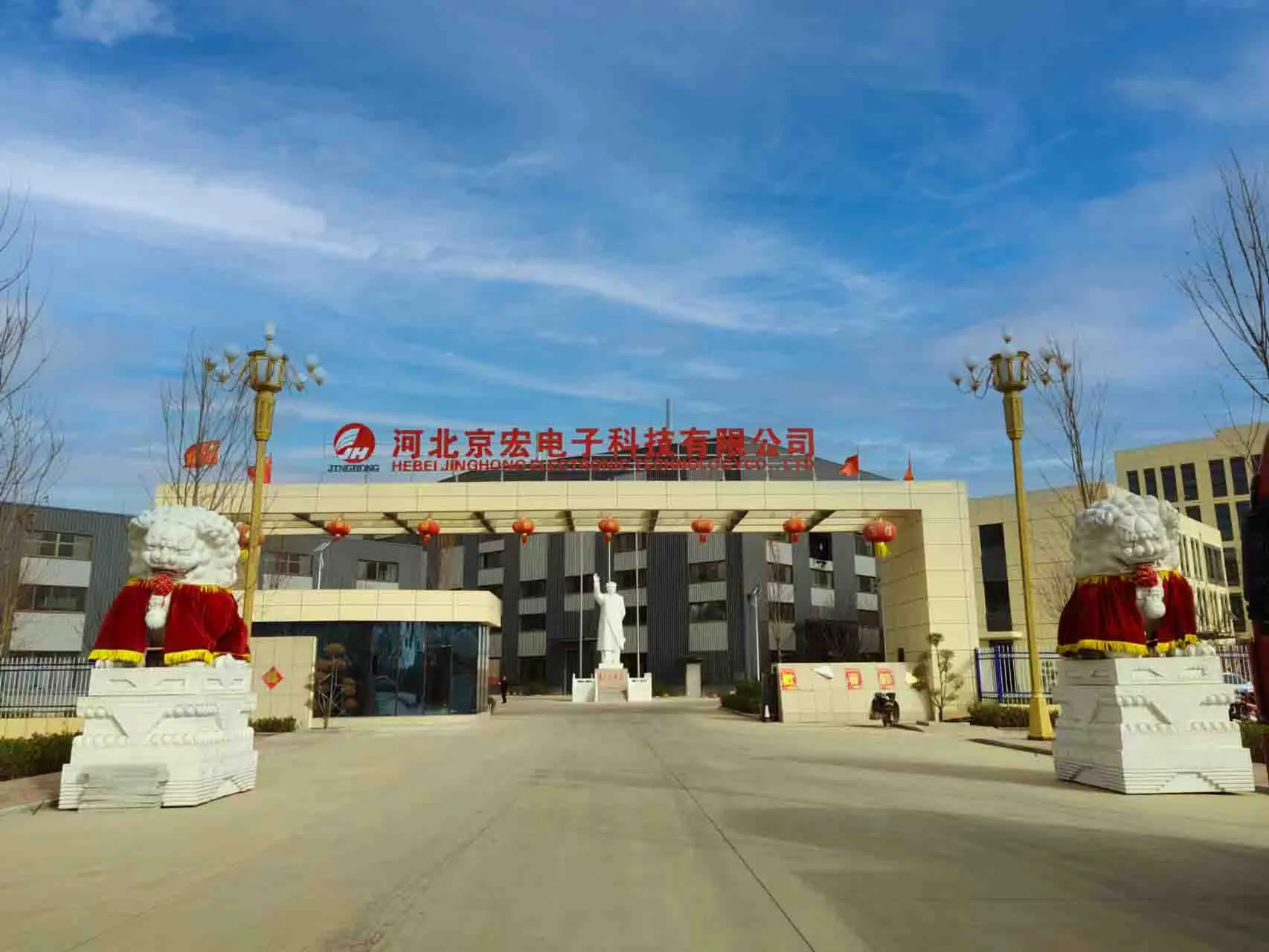
J&Q New Composite Materials Company