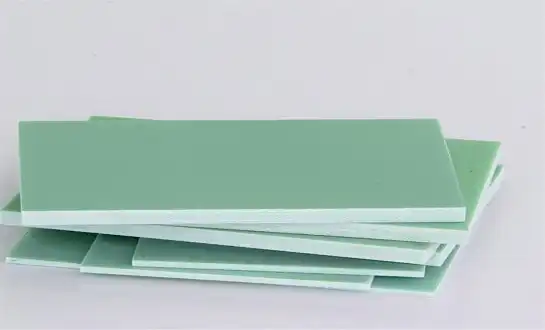
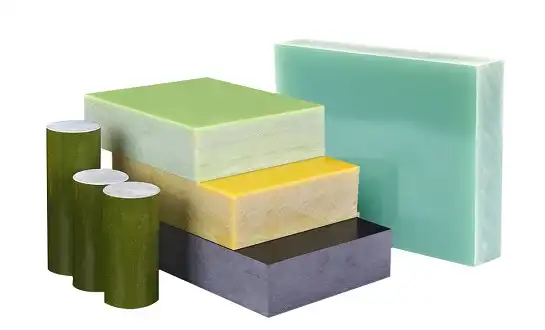
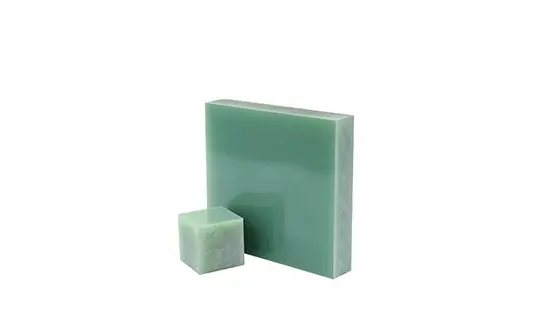
CNC Machined FR4 Parts for Electrical Panels
CNC-machined FR4 parts for electrical panels are an important part of today's electrical system because they offer great protection and dependability. Flame-resistant fiberglass composite materials are used in FR4 part production, along with precise computer-controlled cutting, to make unique parts that meet strict electrical safety standards. These designed solutions offer better dielectric strength, temperature stability, and physical accuracy, which are all important for industrial, business, and domestic electrical panel uses.
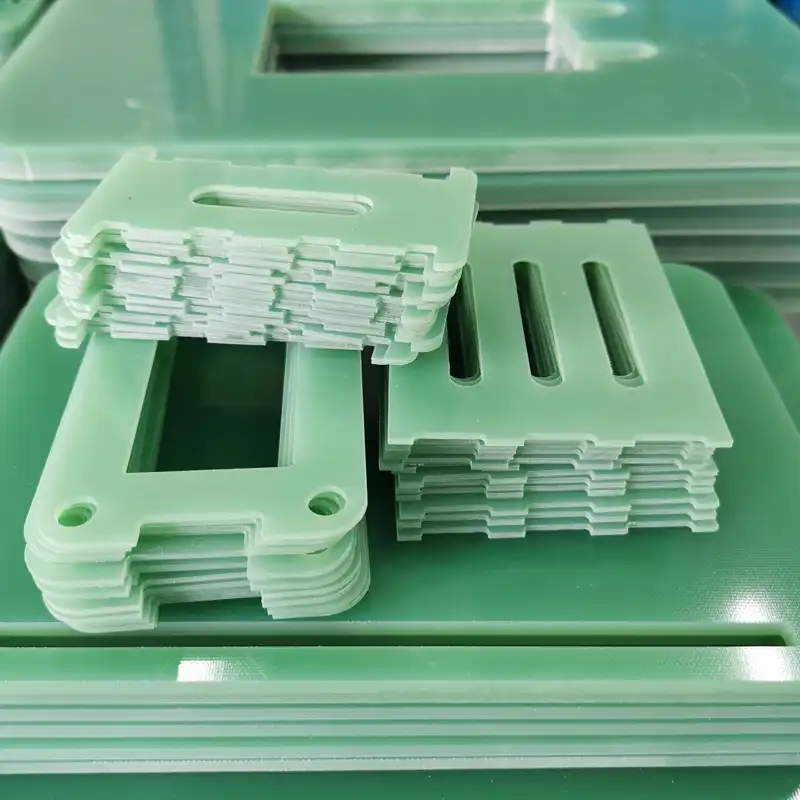
Understanding FR4 Material and Its Role in Electrical Panels
FR4 is the standard for electrical insulation materials. It is made of twisted fiberglass cloth that is mixed with epoxy glue. This composite material is known for being resistant to fire because of the way it is chemically made. It has UL94 V-0 grades that make it safe to use in high-voltage areas. The material is very good at insulating and has breakdown voltages higher than 20kV per millimeter. This makes it perfect for uses in electrical panels where insulation quality is very important.
Superior Material Properties for Electrical Applications
FR4 part is particularly useful in the building of electrical panels because of its unique mix of industrial strength and electrical protection. Operating temperatures can be anywhere from -55°C to 130°C without affecting the structure of the material, and the dielectric constants stay the same even when the frequency changes. This temperature stability is very important in electrical panels, where switching operations and current flow cause a lot of heat and make the working conditions tough.
Under normal air conditions, less than 0.1% of moisture is absorbed, so the electrical properties don't change over time. The chemical protection of the material guards against common industry toxins, oils, and cleaning fluids that are found in electrical panel settings.
CNC Machining Compatibility and Precision Manufacturing
CNC machining uses computers to control the cutting, drilling, and grinding of raw FR4 pieces to make precision-engineered parts. Tolerances of ±0.05mm can be reached with modern CNC equipment, which makes sure that complex electrical panel systems fit and work perfectly. The cutting method makes clean lines that don't delamination, so the finished part keeps the electrical insulation properties of the material.
Advanced tools made just for composite materials stop fiber pullout and resin chipping, which could hurt the performance of the part. Coolant systems keep the material's temperature and electrical properties stable while cutting, extending the life of tools and making the surface finish better.
Comparing FR4 with Other PCB Materials: Making the Right Choice
The choice of material has a big effect on how well an electrical panel FR4 part works, how much it costs, and how reliable it is in the long run. FR4 has the best mix of qualities compared to other substrates, which is why it is the best choice for most electrical panel uses.
Performance Analysis Across Material Options
Compared to FR4, CEM-1 phenolic paper surfaces are cheaper at first, but they are less stable at high temperatures and don't fight water. The paper-based design lowers the working temperature and makes the panel more vulnerable to damage from the environment, which could eventually make it less safe.
Rogers high-frequency materials work great in specific situations where better electrical performance is needed, but they cost a lot, so they might not be worth it to use in everyday electrical panel situations. These materials are made for uses in aircraft and telecommunications where FR4's normal electrical qualities aren't good enough.
Aluminum surfaces are great at getting rid of heat, but they aren't good at insulating electricity, which is what most electrical panel uses need. Compared to FR4 options, metal-core boards need more insulation layers, which makes them more complicated and increases the cost of assembly.
Thickness Selection and Design Considerations
The width of FR4 is chosen based on the power needs, the mechanical load requirements, and the panel space that is accessible. Standard widths range from 0.4 mm for low-voltage uses to 6.4 mm for high-voltage industrial panels that need longer electrical gaps and creepage distances.
While thicker materials have higher breakdown voltages and better mechanical strength, they may be harder to machine precisely with a CNC for small features or complex shapes. When selecting FR4 width for unique uses, engineering teams have to weigh the needs for electrical performance against the ability to make the material.
Procurement Insights: Sourcing Quality CNC Machined FR4 Parts
To successfully buy CNC-machined FR4 parts, you need to carefully evaluate suppliers, check their quality, and handle the supply chain. When engineering managers and technical procurement teams know about key procurement factors, they can find trusted sources for important electrical panel components.
Supplier Qualification and Certification Requirements
Quality sellers keep a lot of different certificates, such as ISO 9001 quality management systems, UL recognition for electrical products, and paperwork showing that they follow RoHS rules. These credentials show a dedication to maintaining high quality standards and following all applicable rules, which is important for electrical panel uses.
Assessments of a company's manufacturing capabilities should look at how precise its CNC equipment is, how it controls quality, and how much it can produce. Suppliers that specialize in composite machining usually get better results than general-purpose machine shops that don't have the right tools or experience working with fiberglass materials.
Material Traceability and Quality Assurance
Suppliers with a good reputation give full material tracking documents, such as certifications for the raw materials, records of how they were processed, and performance test results. This paperwork is necessary to follow the rules and pass the quality checks that are usual in the making of electrical panels.
Incoming inspection methods should check that final parts are the right size, have a good surface finish, and have the right electrical qualities. For programs that buy a lot of things, statistical sample plans help keep quality high while keeping checking costs low.
Practical Applications and Advantages of CNC Machined FR4 Parts in Electrical Panels
Electrical panels use FR4 parts that have been CNC made in many important situations where regular materials don't work well enough. Custom cutting makes it possible to make shapes and sizes that are too complicated for other ways of making things.
Insulation Barriers and Arc Protection
Electrical sparks and phase-to-phase problems in electrical panels can be safely avoided with CNC-machined FR4 part shields. Custom forms allow for complicated bus bar setups while still meeting the electrical code and standard requirements for gaps and creepage distances.
Because FR4 burns itself out, it helps limit electrical problems and stops fires from spreading inside electrical panels. This safety feature is especially useful in industry settings where electrical panel fires could put workers in danger and stop a production line.
Structural Support and Component Mounting
Mounting clamps and support structures that are precisely made spread mechanical loads while keeping electrical protection between powered parts. CNC making lets you make complicated hole designs and fixing features that make putting together electrical panels easier and faster.
Because FR4 is dimensionally stable, it performs consistently even when temperatures change and there is mechanical stress, which is typical in electrical panel settings. Because they are so reliable, electrical panels last longer and need less upkeep than panels made of other materials that may break down over time.
Custom Solutions for Specialized Applications
With CNC cutting, you can meet specific design needs that can't be met with normal stock parts. Computer-controlled production methods make it possible to make things with complex forms, built-in features, and changes that are specific to an application.
With rapid development, you can test the performance and validity of your idea before you commit to making production tools. This adaptability comes in handy when making a new product, as changes on the design help improve the performance of the electrical panel and the ease of production.
J&Q: Your Trusted Partner for Premium FR4 Solutions
J&Q has been making insulated sheets, including for an FR4 part, for more than twenty years and has been dealing internationally for more than ten years. They serve electrical and electronics makers all over the world. Our long-term partnerships with trade partners in both the United States and other countries allow us to provide complete services that go above and beyond what customers expect.
Comprehensive Product Portfolio and Manufacturing Capabilities
Our wide range of products includes high-quality FR4 sheets, precise CNC cutting, and fully finished parts made to meet the exact needs of each customer. Having the ability to make things in-house ensures uniform quality control and reliable shipping plans that meet the output needs of customers.
Customers can get technical advice to help them choose the best materials and design components for their electrical panel needs. Our engineering team works with customers to come up with low-cost solutions that meet performance needs and make the manufacturing process more efficient.
Integrated Logistics and Supply Chain Solutions
Our specialized transportation business manages the whole supply chain, from placing the order to making sure it gets delivered. This unified method gets rid of communication problems and guarantees dependable delivery for projects that need to be done on time.
Quality certificates and the ability to test a wide range of products show that we are dedicated to producing high-quality products that meet all regulations. Customers get all the paperwork they need to support their quality control and legal approval processes.
Conclusion
CNC-machined FR4 parts are an important part of current electrical panel making because they provide the performance, safety, and dependability needed in tough electrical applications. When you combine better material qualities with precise manufacturing skills, you can make new shapes and improve the performance of electrical panels. To be a good buyer, you need to carefully evaluate suppliers and handle quality to make sure that parts always work right. J&Q is ready to help you make electrical panels by providing you with high-quality materials, precise cutting, and complete supply chain solutions. They have decades of experience in this field and are ready to help you.
FAQs
Why is FR4 better than other materials used to insulate electrical panels?
In a cost-effective package, FR4 has great electrical insulation qualities, as well as industrial strength and flame protection. The UL94 V-0 flame grade makes sure that electrical uses are safe, and the low moisture absorption keeps the electrical qualities stable over time. When compared to phenolic materials, FR4 is more resistant to heat and the environment.
How does CNC cutting make the standard of FR4 parts better than the old way of making them?
With CNC cutting, tolerances as tight as ±0.05mm can be reached, and the sides stay clean without delamination that could damage the electrical qualities. Computer-controlled manufacturing makes sure that the quality is the same from one production run to the next and lets you make shapes that would be impossible to make with traditional sawing or cutting. Precision also gets rid of extra steps that add cost and could cause quality problems.
What kinds of approvals should I look for in FR4 parts that are CNC machined?
Some important certificates are ISO 9001 quality control systems, RoHS compliance paperwork, and UL recognition for the base FR4 material. Suppliers should give performance test results and papers that show the materials can be tracked back to their original sources to show that they meet electricity safety standards. These approvals make sure that electrical panel uses are reliable and follow the rules.
For special CNC made FR4 parts, how long should I wait for them to arrive?
Lead times usually run from one to two weeks for prototypes to three to four weeks for production numbers, but this depends on how complicated the job is and how many are needed. forms that are simple and have standard specs can be made faster than forms that are complicated and need special tools. When it comes to shipping performance, suppliers who specialize in composite cutting tend to have faster wait times.
How do I set the size limits for FR4 parts that will be CNC machined?
Standard CNC cutting can hold limits of ±0.1mm for most features and ±0.05mm for very important measurements. Tighter specs make grinding take longer and cost more, so only define accuracy when it is needed for function. When setting the right dimensions for an electrical panel, you should think about how temperature expansion affects the area where it will be used.
Partner with J&Q for Superior FR4 Part Manufacturing Solutions
When it comes to making great FR4 parts for electrical panel uses, J&Q blends decades of experience with modern CNC cutting. Our production methods are ISO-certified, and we have thorough quality systems that make sure they work well and meet the strictest electricity safety standards. Email our expert team at info@jhd-material.com to talk about your unique needs and see what it's like to work with a reliable FR4 part provider. We encourage engineering managers and procurement workers to ask for samples that show how precisely we can make things and how high-quality our materials are.
References
Institute of Electrical and Electronics Engineers. "IEEE Standard for Electrical Insulation Materials - Test Methods." IEEE Std 98-2002.
National Electrical Manufacturers Association. "Industrial Control and Systems: General Requirements." NEMA Standards Publication ICS 1-2000.
Underwriters Laboratories. "Standard for Safety of Polymeric Materials - Use in Electrical Equipment Evaluations." UL 746A-2013.
International Electrotechnical Commission. "Electrical Insulating Materials - Properties of Thermal Endurance." IEC 60216 Series Standards.
American Society for Testing and Materials. "Standard Test Methods for AC Loss Characteristics and Permittivity of Solid Electrical Insulation." ASTM D150-18.
International Organization for Standardization. "Plastics - Determination of the Comparative Tracking Index and the Proof Tracking Index under Moist Conditions." ISO 4589-2:2017.

Get a complete product list and quotation
J&Q New Composite Materials Company