Bakelite Sheet vs FR4 Sheet: Material and Machining Differences
When looking at industrial electrical insulation materials, the choice between Bakelite sheet and FR4 often makes or breaks the project. Bakelite sheet is made of phenolic resin, which is very good at keeping heat in and electricity from flowing through it. This makes it perfect for use in high-temperature electrical equipment. The glass-reinforced epoxy structure of FR4, on the other hand, gives it better mechanical strength and protection to wetness. Engineers and purchasing managers can choose the best material for their industrial needs by understanding these basic differences. This helps them balance performance traits with cost-effectiveness and cutting issues.
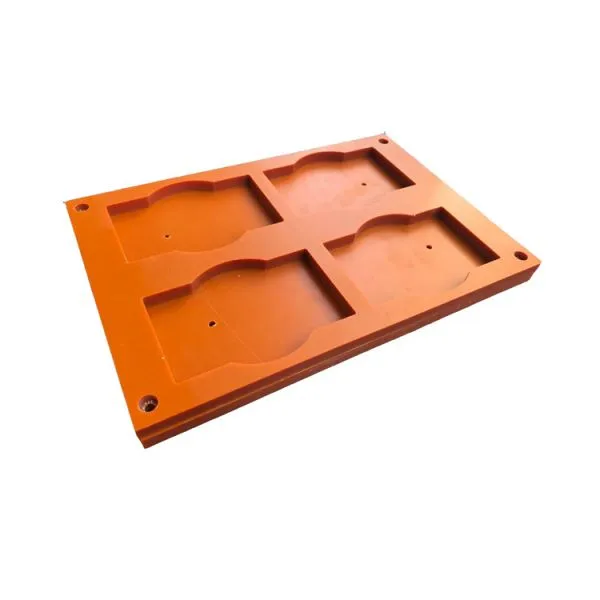
Understanding the Materials – Bakelite Sheet and FR4 Sheet
Material Composition and Structure
Bakelite was one of the first man-made plastics. It is made up of phenolic resin and different fillers that give it strength. This thermosetting material goes through chemical changes that can't be undone while it cures. These changes create a cross-linked polymer structure that is very stable in terms of its shape. The dielectric strength of the phenolic resin matrix is usually between 12 and 16 kV/mm, which means it is a great electrical insulator.
FR4 is made up of woven fiberglass cloth that has been mixed with flame-resistant epoxy glue. The glass support gives the structure strength, and the epoxy material helps keep the temperature and wetness out. When you mix these two things together, you get a material that is stronger in bending than phenolic options. This makes it the best choice for uses that need strong structure.
The main changes in makeup have a direct effect on how the material acts in different working situations. The phenolic structure of bakelite works great in high-temperature settings; it can keep its features at temperatures up to 150°C for a long time. The glass support in FR4 makes it better at handling mechanical stress. Its tensile strength numbers are often higher than 400 MPa.
Physical and Chemical Properties Comparison
There are certain things about these products that make them suitable for certain uses. Bakelite's thermal expansion rate stays low, so its size doesn't change much as the temperature changes. This steadiness is very important for precision electrical parts that need to keep their tight specs over the life of the product.
When compared to standard phenolic materials, FR4 is better at resisting water absorption. Because it is made up of closed cells, it can only absorb less than 0.15% by weight of water. This means it can be used in damp places or outside. This resistance to wetness is directly linked to long-term electricity performance and steadiness in size.
There are big differences in how resistant these materials are to chemicals. Bakelite is very resistant to weak acids, oils, and solvents, which makes it perfect for work settings where chemicals are often present. The epoxy matrix of FR4 is resistant to chemicals and flames according to UL94 V-0 standards, so it meets strict safety requirements in electrical uses.
Machining Differences Between Bakelite and FR4 Sheets
Tooling Requirements and Considerations
To machine phenolic materials, you need special tools that are made to work with their rough texture. When working with Bakelite goods, carbide cutting tools work best for making clean cuts and lasting longer. Because the material tends to produce fine dust when it is machined, it is important to have good airflow and dust collection systems in place to keep the workplace safe.
Because it is reinforced with glass fiber, FR4 is hard to machine in its own way. Because glass threads are rough, tools wear out quickly, so they need to be changed often and cut in specific ways. High-volume production runs work best with diamond-coated tools or polycrystalline diamond (PCD) cuts, but they are much more expensive to buy at first.
The best cutting speeds and feed rates must be carefully chosen for each type of material. Most of the time, reasonable speeds and steady feed rates work well for cutting a Bakelite sheet. On the other hand, higher cutting speeds are needed for FR4 to avoid delamination and get smooth surface finishes. If the cutting settings are not set correctly, the direction of the glass fibers in FR4 can lead to tear-out.
Surface Finish and Quality Control
Different methods are needed for each object in order to get similar surface finishes. When the right cutting tools and settings are used, Bakelite's homogeneous structure usually leads to a smooth surface. Because the material is so fragile, it needs to be handled carefully so that it doesn't break, especially around edges and corners.
Because FR4 is made up of layers, the surface can be different if the cutting settings are not set correctly. Micro-chipping or fiber pull-out can happen at the point where glass fibers meet epoxy glue if cutting tools get dull or feed rates are too high. Checking and replacing tools on a regular basis helps keep quality standards uniform.
Quality control methods need to take into account how each material is different. It's important to pay close attention to the cutting order and fixturing methods when working with Bakelite parts because leftover stresses from the drying process can change their dimensions. Because FR4 is stable, it is easier to plan how to machine it precisely, but fiber direction effects need to be thought about in important dimensions.
Key Decision Factors: Bakelite Sheet vs FR4 Sheet for Procurement
Performance Requirements Analysis
The performance of the electrical protection is still the most important thing to think about when choosing between these materials. Because its phenolic structure is so good at resisting arcs and tracking, bakelite can be used in high-voltage situations. Even at high temperatures, the material keeps its shielding qualities, so it can be used reliably in harsh electrical settings.
Material choices are often based on how stable they need to be at different temperatures. Bakelite can withstand higher temperatures for longer periods of time than standard FR4 grades, which makes it the best choice for uses that need to be exposed to high temperatures for a long time. FR4's mechanical qualities, on the other hand, stay more steady over temperature changes, which means that stress-related breakdowns are less likely to happen in dynamic situations.
The needs for mechanical strength are very different depending on the purpose. The glass support in FR4 gives it better resistance to pressure and bending strength, which makes it perfect for structural uses. Bakelite's compressive strength is great for things like electrical junction blocks and switch components that need to be able to hold a lot of weight when they are compressed.
Cost Analysis and Lifecycle Considerations
The cost of materials is only one part of the total cost of the job. Even though Bakelite's raw material cost is cheaper, it costs more to machine because tools wear out faster and the process is more complicated. FR4 may be worth the extra money it costs at first because it cuts down on cutting time and improves the stability of measurements in precision applications.
The costs that come up over the course of a product's life include repairs, replacements, and lost performance over time. Because Bakelite is very resistant to chemicals, it can last longer in tough chemical settings, which saves money on repair costs and downtime. Because FR4 is resistant to wetness, it works the same way even when it's humid outside, which means less upkeep is needed.
Different sources and types of materials have different price systems for volume. Due to its longer shelf life and steadiness during storing, a Bakelite sheet makes the benefits of buying in bulk even more important. Since FR4 is used a lot in electronics making, normal widths and sizes often have better prices, especially for high-volume uses.
Industry Applications and Case Studies Featuring Bakelite and FR4 Sheets
Electrical and Electronics Manufacturing
When making electricity panels, the choice of material has a direct effect on efficiency and safety standards. When spark protection and temperature stability are crucial in electrical uses, bakelite sheet shines. Because the material can keep its shape during electrical problems, it is very useful for electrical junction blocks and circuit breaker parts.
PCB support uses show how flexible both materials are. FR4 is the most common material used to make straight PCBs, but Bakelite is a great material for putting tools and making insulation shields. Because Bakelite and electrical parts don't expand or contract at the same rate, temperature shifting puts less stress on solder joints and component lines.
The making of motors is another important area where the choice of material affects how reliable it will be in the long run. Because it doesn't change size when it's working, bakelite is perfect for commutator pieces and brush holds. The electrical qualities of the material stay the same across the motor's operating temperature range, providing steady performance.
Power and Energy Sector Applications
When making transformers, you need materials that can handle electrical and heat stress for many years. You should use bakelite for insulation walls and coil supports because it has worked well in high-voltage situations in the past. The material doesn't absorb much water, so it keeps the insulation's structure in damp places and stops electricity from moving.
Materials that are both electrically insulating and strong are needed for power transfer tools. Because FR4 is better at resisting impacts, it can be used for outdoor switches where mechanical stress from wind loading or earthquakes needs to be taken into account. The burning retardancy of the material adds to the safety of important infrastructure uses.
The way these materials work together in arc shield uses is shown. Bakelite's high spark resistance keeps people and equipment safe during faults, and FR4's structure features let designers make shelters that are both light and strong. When designing a system, using both materials together improves efficiency and keeps prices low.
Company Introduction and Product Service Information
After more than 20 years of making high-quality products and coming up with new ideas, J&Q has become a valued partner in the insulation materials business. Because we have a lot of experience making high-quality Bakelite sheets and other insulation products, we can serve a wide range of businesses around the world. When you combine our advanced manufacturing skills with our deep scientific knowledge, we can meet the strictest requirements while still keeping our prices low.
Our factories use cutting-edge quality control methods that make sure all of our products work the same way in every production run. Customers can be sure that the material features and tracking have been checked when automatic testing tools and full recording systems are used together. Our expert team works closely with customers to make sure that the materials they choose and the way they are processed are the best for their needs.
Our company's shipping system, which includes our own delivery network, lets us offer full, all-in-one service options. This unified method makes things easier for customers while still making sure they get what they need on time and getting help when they need it during the whole buying process. Our ability to help people in different parts of the world makes us a great partner for international companies that need to make sure that quality and service standards are the same everywhere.
Conclusion
If you want to choose between Bakelite sheet and FR4, you need to carefully look at the performance needs, the working conditions, and the cost. Bakelite is great for high-temperature electrical applications because it is more stable at high temperatures and has better electrical qualities. FR4 is good for structural and PCB-related uses because it is strong and doesn't absorb moisture. Knowing the differences in cutting, the factors that affect buying, and the needs of a specific application lets you make smart choices that improve performance and reduce costs. To choose the right materials, you need to find a balance between these technical factors and the supplier's skills, quality control, and the need for long-term support.
FAQs
What is the biggest difference between FR4 and Bakelite sheets in terms of temperature?
Bakelite sheet keeps its good qualities at temperatures up to 150°C when used continuously, and up to 180°C when exposed for short periods of time. FR4 usually works well up to 130°C all the time, but some special high-temperature grades can make this range bigger. Because Bakelite is thermally stable, it is perfect for things that need to be exposed to high temperatures for a long time, like motor parts and electrical equipment.
How are the prices of making these materials different from each other?
Bakelite is harder to machine, so it costs more because of the need for special dust collection methods and fast tool wear. The cost of making FR4 is affected by how quickly tools wear out because of the glass fiber support, which needs to be done often and with special cutting tools. The total cost of cutting depends on how many parts are being made, how accurate they need to be, and how complicated they are.
Which material will keep its shape better over time?
Due to its low thermal expansion rate and fully cross-linked structure, bakelite is more stable in terms of its shape over a wide range of temperatures. Under normal circumstances, FR4 is very stable, but its dimensions may change when the temperature changes a lot. The choice is based on the application's tolerance needs and the working conditions.
Is it possible to have these materials cut to fit certain needs?
Different cutting methods, such as water jet cutting, laser cutting, and CNC machining, can be used to make custom cuts in both materials. To keep Bakelite from breaking, it needs to be handled carefully, and FR4's glass support means that it needs special tools for clean cuts. Custom cutting can include complicated forms, precise cuts, and close limits, based on what the customer needs.
Choose J&Q as Your Trusted Bakelite Sheet Supplier
J&Q is ready to help you with your material needs, including for a Bakelite sheet, because they have a lot of technical knowledge and have made things before. Our integrated transportation network and decades of experience making high-quality insulation materials make sure that your production plans are met by reliable supply lines. Our expert team works with you to choose the best materials and set the best processing settings, whether you need standard setups or solutions that are specifically designed for your needs.
We care about quality not only in production, but also in providing helpful customer service and professional support for the whole span of your project. Get in touch with our experts at info@jhd-material.comto talk about your unique needs and find out how our experience can help your project succeed. You are welcome to look through our wide range of products and ask for samples to make sure the materials will work in your needs.
References
Smith, Robert J. "Thermosetting Plastics in Electrical Applications: A Comprehensive Guide to Material Selection." Industrial Materials Engineering, 2023.
Chen, Lisa Wang. "Comparative Analysis of Phenolic and Epoxy Laminates in High-Temperature Environments." Journal of Advanced Materials Science, 2022.
Johnson, Michael K. "Machining Considerations for Glass-Reinforced Composites and Phenolic Materials." Manufacturing Engineering Quarterly, 2023.
Thompson, Sarah L. "Electrical Insulation Materials: Properties, Applications, and Selection Criteria." Electrical Engineering Review, 2022.
Martinez, Carlos R. "Cost Analysis and Lifecycle Assessment of Industrial Insulation Materials." Procurement Management Today, 2023.
Anderson, David P. "Quality Control and Testing Methods for Thermosetting Insulation Materials." Materials Testing International, 2022.

Get a complete product list and quotation

J&Q New Composite Materials Company



