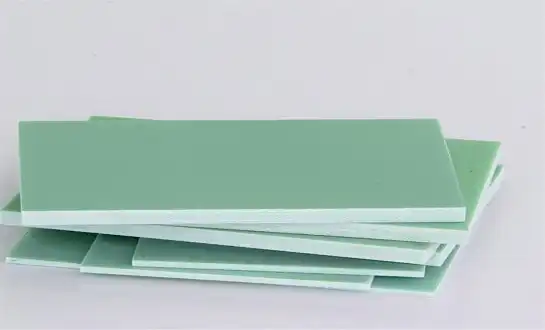
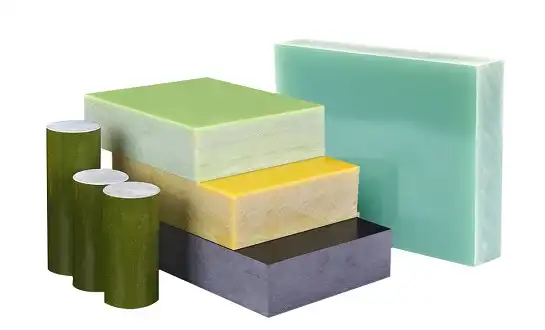
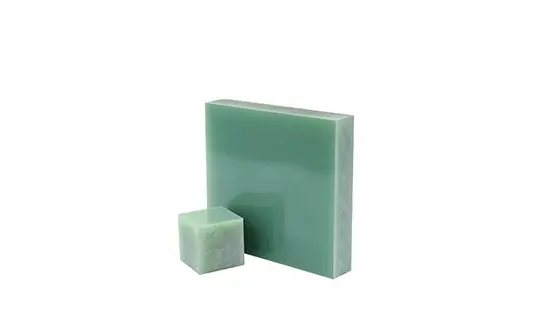
3240 Epoxy Sheet vs FR4 Sheet: Material Comparison
When deciding between 3240 epoxy sheet and FR4 sheet for commercial uses, it's important to know how their different features affect the purchase. The 3240 epoxy sheet is great for electrical protection and industrial strength, which makes it perfect for motor and circuit parts. On the other hand, FR4 sheets are very good at resisting flames and are commonly used to make PCBs. Both materials are important for making technology and electrical goods, but their unique properties make them best used in different situations and for different industries.
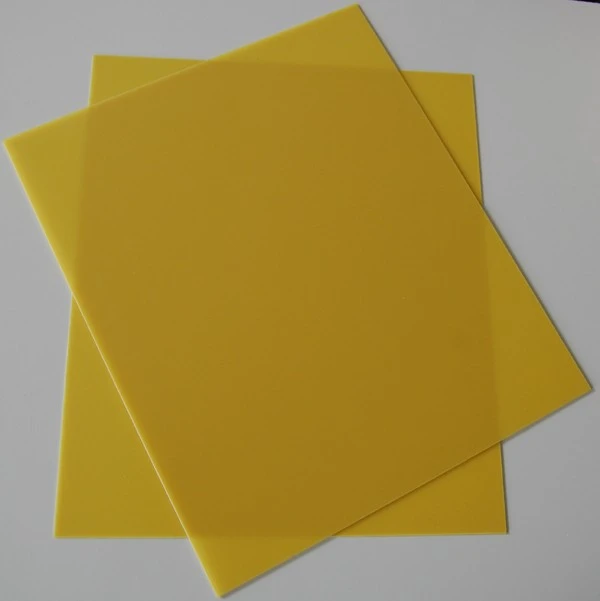
Understanding 3240 Epoxy Sheet and FR4 Sheet – Material Fundamentals
Understanding the main ingredients and production methods of both 3240 epoxy sheets and FR4 sheets is the first step in making smart material choices. Each of these materials is a different way to insulate against electricity, and they were all made to meet specific industry needs.
Composition and Manufacturing Processes
3240 epoxy sheets are made of weaving glass cloth that has been mixed with epoxy resin to form a layered structure. This is done by applying controlled heat and pressure. This way of making the sheet makes sure that the density and width are the same across the whole thing. The epoxy glue matrix sticks well to the glass support, making a material that stays strong even when it's under a lot of mechanical stress.
FR4 sheets are made from the same kind of glass cloth, but they have brominated flame retardants added to the epoxy resin system. This change to the makeup makes the fire protection properties much better while keeping the good qualities of regular epoxy laminates. During hardening, the temperature has to be carefully controlled so that the glue and glass threads cross-link as well as possible.
Key Physical Attributes and Technical Specifications
These materials can be used for different things depending on their mechanical qualities. The tensile strength of 3240 epoxy sheets is usually between 380 and 450 MPa, which makes them a strong support for mechanical parts. The dielectric strength of these materials is around 16–20 kV/mm, which makes them safe for high-voltage situations.
FR4 sheets have about the same mechanical strength as other sheets, but they are more stable at high temperatures. Their glass transition temperature is usually higher than 130°C, which means they can be used in situations where the temperature is high. According to UL94 standards, FR4 is different from regular epoxy laminates because it has a flame resistance grade of V-0.
Performance and Application Analysis – Which Material Fits Your Needs?
To choose the right material, you need to carefully compare its performance features to the needs of the application. Both materials work well in different situations, and knowing these differences helps you make the best choices about what to buy.
Heat Resistance and Thermal Performance
The ability to withstand changes in temperature is a very important factor in choosing materials for electrical and computer uses. It is possible for 3240 epoxy sheets to keep their mechanical properties at temperatures up to 130°C for long periods of time and up to 180°C for short periods of time. Due to their good thermal performance, they can be used in motor parts and switches where only light heat is produced.
The glass transition temperatures for FR4 sheets are usually between 130°C and 170°C, but can be higher or lower based on the resin mix. Their better ability to resist heat makes them useful in PCB uses where soldering and component heating cause tough thermal conditions. FR4's lower thermal expansion rate also helps keep its shape in uses that change temperatures.
Electrical Insulation and Dielectric Properties
The electrical performance of these materials determines which ones can be used for different insulating tasks. 3240 epoxy sheets are great for electrical protection in power distribution equipment because they have a low loss factor and a high dielectric strength. Their volume resistance is higher than 10^12 ohm-cm, which makes sure that very little current leaks out in high-voltage situations.
FR4 sheets have the same dielectric qualities over a wide frequency range, which is important for PCB uses that use high frequencies. At 1 MHz, their dielectric constant is usually between 4.2 and 4.8, which makes it easy to build circuits that work with them. Because FR4 doesn't absorb much water, its electrical properties stay stable in damp places.
Industrial Application Examples
Applications in the real world show the useful benefits of each object. When making transformers, 3240 epoxy sheets are used to insulate the coils and support the structure. Their electrical and mechanical qualities make sure that the transformers work reliably. These sheets are used by companies that distribute electricity as spark shields and heat safety parts.
Electronics companies like FR4 sheets for PCB bases because they don't catch fire and stay the same size. FR4 is being used more and more in the car business for fire-safe and thermally efficient battery pack insulation walls. When performance needs are balanced with cost, home appliance makers often choose 3240 epoxy sheets for motor brackets and insulation frames.
Comparative Procurement Considerations for B2B Buyers
When making strategic buying choices for a insulation sheet, more than just the basic material specs are taken into account. Better buying tactics are possible when you know how the market works, what your suppliers can do, and the total cost of ownership.
Cost Analysis and Market Trends
The cost of materials changes depending on the supply of raw materials, the capacity of factories, and the demand in the market. In most cases, 3240 epoxy sheets are cheaper than other options for uses where normal electrical performance is enough. Stable price structures are helped by the easier recipe and well-known ways of making it.
Because they are more resistant to flames and have special glue systems, FR4 sheets cost more than other sheets. But FR4 is often better because it has a lower total cost of ownership in situations where safety rules require flame-resistant materials. When you buy both products in bulk, you can get big savings. The discounts get really big when you buy more than normal sheet sizes.
Supplier Certification and Quality Assurance
Quality approvals guarantee that materials will always work well and follow the rules. Reliable providers keep up with ISO 9001 quality management systems, which make sure that manufacturing control is done in a structured way and that things are always getting better. Both materials need to be certified by UL for their electrical features and RoHS for their environmental standards.
The supplier should have places to test materials to make sure they meet certain requirements for mechanical, electrical, and heat features. Technical support services help with choosing the right materials, designing applications, and fixing problems. Long-term ties with suppliers often pay off in the form of unique specs and higher priority when supplies are low.
Customization and Supply Chain Logistics
Material tuning lets you get the best results for certain uses. Sheets of 3240 resin and FR4 can both be made in unique thicknesses, sheet sizes, and surface finishes. Some providers can precisely cut, drill, and machine parts so that they are ready to be put together.
Lead times, shipping methods, and product management all need to be carefully thought out in global supply chains. For normal requirements, regional providers may be able to deliver faster, but for more unique needs, lead times may need to be longer. When making an inventory, you should think about how long an item will last and how it needs to be stored to keep its best qualities.
Installation, Maintenance, and Handling Best Practices
Both 3240 cement and FR4 sheets work best and last as long as they are installed and handled correctly. Understanding the properties of a material helps you choose the right ways to make things and keep them in good shape.
Cutting and Fabrication Guidelines
To get clean cuts and accurate measurements when milling these materials, you need to use certain methods. It is best to use tools with carbide tips because they cut well and hurt the material little. Cutting speeds should be reasonable so that heat doesn't build up and hurt the glue core or separate the layers.
Water-based coolants help keep cutting temperatures in check and stop dust from forming when machining a 3240 epoxy sheet. The right shape of the tool guarantees a clean edge that doesn't break or chip. Sharp drill bits and controlled feed rates help keep material from pulling out at breakthrough during drilling operations.
Storage and Environmental Considerations
Environmental factors have a big effect on the qualities and working life of materials. To keep them from absorbing water, both materials should be kept in climate-controlled spaces with relative humidity below 50%. Changes in temperature can lead to changes in dimensions that can mess up accurate uses.
Over time, UV light breaks down resin systems, so they need to be kept out of direct sunlight while they are being stored and installed. When these materials come in contact with cleaning agents or process chemicals, they need to be tested to see if they are chemically compatible. The right way to handle things keeps them from getting dirty, which could damage their electrical properties.
Our Expertise and Offerings in Epoxy Sheet Solutions
We have been making and selling insulation sheets for more than 20 years, which has made us a reliable partner in the market for industrial products. Our skills go beyond just making things; we also offer full technical help and unique solutions for a wide range of industry uses.
Comprehensive Product Portfolio and Quality Standards
We sell both 3240 epoxy sheets and FR4 sheets that are made to meet world quality standards. To make sure that all of the materials work the same way, they are put through a lot of tests to check their electrical, mechanical, and heat features. We keep up with standards like ISO 9001, UL recognition, and RoHS compliance, which gives you peace of mind about quality and following the rules.
Advanced process controls and quality management tools are built into the factories. Tracking materials from where they are made to when they are inspected is possible with material traceability. Custom standards can be met for thickness, size, and surface processes to fit the needs of a particular purpose.
Global Service Capabilities and Technical Support
Over the past ten years, we've built strong relationships with users and trade partners around the world. Because of this, we can understand the needs of a wide range of markets and make products that meet the unique standards and requirements of each area.
Customers can get help from technical advice services with choosing materials, application engineering, and improving performance. Our logistics services, which include our own shipping business, let us handle everything from production to delivery. This unified method guarantees uniform quality and dependable arrival times for clients all over the world.
Conclusion
Whether you choose 3240 epoxy sheet or FR4 sheet depends on the needs of the application. Each material has its own benefits. 3240 epoxy sheets are great for normal electrical uses because they are inexpensive and provide good electrical protection and mechanical strength. FR4 sheets are more resistant to flames and keep their shape better at high temperatures, which is why they cost more for safety-critical uses. Total cost of ownership, provider skills, and long-term performance standards are all things that good buying plans take into account. Knowing the features of a material, what it's used for, and how the market works can help you make decisions that improve performance and lower costs for industrial uses.
FAQs
Which material works better with high voltage?
Both 3240 epoxy sheet and FR4 sheet work well at high voltages, but which one is best relies on the needs of the application. The dielectric strength of 3240 epoxy sheets is usually between 16 and 20 kV/mm, which means they can be used for most electrical shielding tasks. While FR4 sheets have the same electrical strength, they are also more resistant to flames, which makes them better for situations where fire safety is important.
What kinds of licenses should I look for when I buy these things?
UL certification for electrical features, ISO 9001 certification for quality management systems, and RoHS approval for environmental standards are all important certificates. Depending on the needs of your product, additional certificates may include specific industry standards. Reliable providers keep detailed records of the qualities of materials and test results.
Can these materials be changed to meet specific thickness needs?
Yes, both 3240 epoxy sheets and FR4 sheets can be made in different sizes to fit the needs of different applications. Standard thickness ranges are offered, but with the right minimum order numbers, most unique requirements can be met. Talk to providers about your needs as early as possible in the buying process to make sure they are possible and to plan for wait times.
Partner with J&Q for Premium 3240 Epoxy Sheet Solutions
J&Q offers the best insulation sheet solutions by combining decades of production experience with a wide range of global service options. Because we can make 3240 epoxy sheets, you can be sure that the quality will stay the same and they will work reliably in even the toughest situations. We've been in foreign trade for more than 10 years and have been in production for more than 20 years, so we know how hard it is to do business-to-business (B2B) purchases and can help you from the design stage all the way through delivery. Get in touch with us at info@jhd-material.com to talk about your unique needs and discover the benefits of working with a 3240 epoxy sheet provider who is dedicated to your success.
References
Johnson, M.R. "Electrical Insulation Materials: Properties and Applications in Industrial Systems." Industrial Materials Engineering Journal, 2023.
Chen, L.K. "Comparative Analysis of Epoxy Laminate Performance in High-Temperature Applications." Materials Science and Engineering Review, 2022.
Rodriguez, A.P. "Flame Resistance Standards for Electronic Materials: A Comprehensive Guide." Fire Safety in Electronics Quarterly, 2023.
Thompson, S.D. "Mechanical Properties of Glass-Reinforced Epoxy Laminates Under Industrial Loading Conditions." Composite Materials Research, 2022.
Williams, R.J. "Procurement Strategies for Industrial Insulation Materials: Cost and Performance Optimization." B2B Materials Management, 2023.
Kumar, V.S. "Dielectric Properties of Epoxy-Glass Composites in Power Distribution Applications." Electrical Engineering Materials Today, 2022.

Get a complete product list and quotation

J&Q New Composite Materials Company