From FR4 Sheet to Finished Part: Our Manufacturing and CNC Process
To turn raw FR4 sheets into precision-engineered parts, you need to know a lot about both the qualities of the materials and how to machine them well. At J&Q, we use high-quality fiberglass-reinforced epoxy laminates to make unique parts that meet strict electrical and mechanical standards for a wide range of businesses, from making electronics to making electricity. Our complete method uses cutting-edge CNC technology and strict quality control standards to make sure that every finished part has the right amount of heat resistance, dielectric strength, and accuracy in size that your applications need.
Understanding FR4 Material and Its Properties
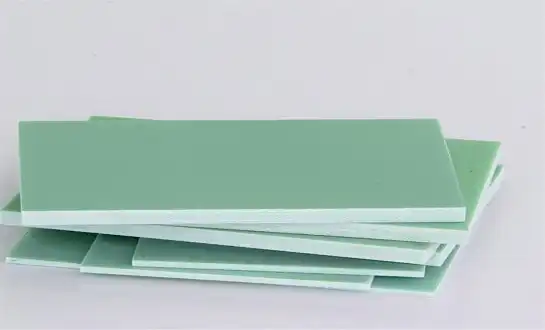
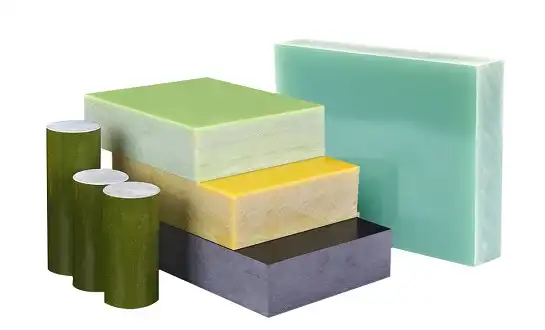
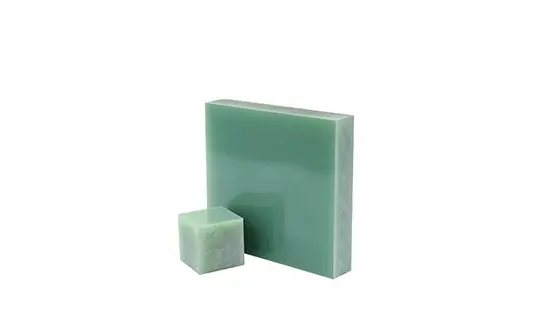
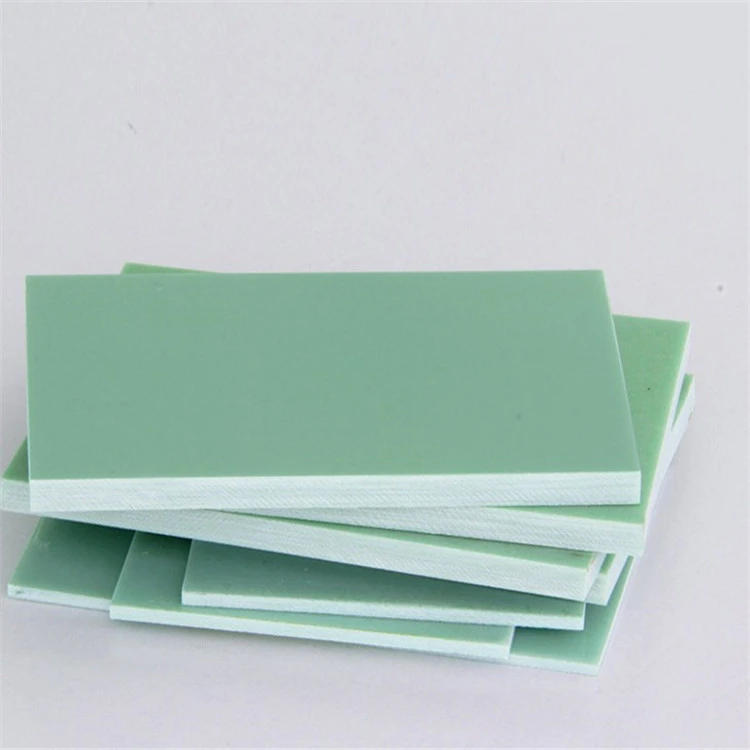
When it comes to fiberglass-reinforced epoxy laminates, FR4 is the gold standard. It has great performance properties that make it essential in many industries. This knitted glass cloth material, which is filled with flame-resistant epoxy resin, is very strong mechanically and performs very well as an electrical insulator.
Core Composition and Technical Characteristics
FR4 is made up of many layers of woven fiberglass cloth that has been soaked with epoxy glue and pressed together at high temperatures and pressures. The dielectric constant for this design is usually between 4.2 and 4.9 at 1MHz, which makes it perfect for high-frequency uses where signal integrity is very important. The glass transition temperature of the material is higher than 130°C, which makes it very stable at high temperatures, which is important for harsh industrial settings.
Standard thicknesses range from 0.2 mm to 25 mm, so they can be used in a wide range of situations. It has a tensile strength of about 310 MPa in both the warp and fill directions, and a bending strength of at least 415 MPa. These mechanical qualities make sure that the system will work reliably even when it is under a lot of stress and pressure.
Performance Advantages in Industrial Applications
FR4 is always chosen by engineering managers because it is very resistant to flames and meets the UL94 V-0 standards that regulators need. The material doesn't change shape when it's wet because it absorbs less than 0.15% of its weight in water. It is very easy to machine, so exact CNC operations can be done on it without delamination or fiber pulling, which are important when making parts with tight tolerances.
FR4 has a dielectric strength of more than 20 kV/mm, which makes it a strong electrical insulator for high-voltage uses. Because of this, it is very useful for companies that make transformers and distribute electricity and need solid arc shields and coil insulation parts.
The Manufacturing Process of FR4 Sheets
We start the process of making FR4 sheets by carefully choosing E-glass fiberglass cloth and high-performance epoxy resin systems. To get uniform quality and performance, the manufacturing process needs to be carefully managed at every step.
Raw Material Preparation and Prepreg Formation
Premium E-glass fabric is used to start the production of high-quality FR4 sheet. This fabric offers mechanical support and stable dimensions. The glass cloth is cleaned very well to get rid of any size agents that could stop the resin from sticking. Flame retardants, hardeners, and accelerators are mixed in our epoxy resin formulation in specific amounts that make the working and finished qualities better.
During the prepreg formation stage, the glass cloth is filled with epoxy resin that has only partly hardened. This B-stage material lets the bonding process go smoothly while keeping the glue from moving around too much. The electrical and mechanical qualities of the end laminate are directly affected by the temperature and time conditions used during prepreg production.
Lamination and Curing Excellence
Several layers of prepreg are pressed hydraulically at temperatures up to 170°C and pressures higher than 1.4 MPa. For this lamination process to work, the temperatures must be precisely controlled so that the glue cures completely and doesn't break down during the process. Our automatic press systems keep an eye on temperature and pressure all the time, so the quality of each output run is the same.
After the fix, treatment at high temperatures lowers internal pressures and finishes the cross-linking process. This thermal treatment raises the material's glass transition temperature and makes it more stable over time. Before it is released, every production lot goes through a lot of tests to make sure it meets all the requirements for electrical properties, mechanical strength, and accurate measurements.
From FR4 Sheet to Finished PCB Part: Our CNC Processing Overview
To turn FR4 sheets into precise parts, you need to use special CNC machining methods that keep the material's structure while meeting exact size standards. Our advanced production center uses state-of-the-art tools made just for working with composite materials.
Precision Cutting and Drilling Operations
Our CNC cutting systems use carbide tools that are designed to work best with fiberglass composites. This keeps heat from building up and breaking down the glue. For each grade and thickness of FR4, the spindle speeds and feed rates are carefully tweaked to work best. Paying close attention to the cutting factors stops delamination and produces surface finishes that are good enough for important electrical uses.
When drilling, special drill bits with precise point shapes are used to cut through glass strands without fraying or pulling them apart. Our multi-spindle drilling stations keep their setting accuracy within ±0.05mm, which is very important for PCB uses where the placement of holes affects how well the electronics work. Vacuum systems get rid of trash right away, which keeps polished surfaces from getting dirty.
Advanced Milling and Contouring Capabilities
Because FR4 sheet is not the same in all directions, complex shapes need complex milling techniques that take this into account. Our CAM code makes the best use of tool paths to keep surface quality constant and tool wear to a minimum. When compared to traditional milling methods, climb milling techniques reduce fiber loss and make edge finishes that are smoother.
When profile milling, it is possible to get tolerances as small as ±0.1mm on complicated shapes, which is perfect for the exact needs of electrical parts. During production, our quality control tools check the accuracy of the dimensions to make sure that every part meets the required standards before it is shipped.
Quality Assurance and Testing Protocols
Using precise measuring tools, each machined part goes through a thorough checking process. Coordinate measuring tools make sure that the dimensions are correct, and surface roughness readings make sure that the finish quality is right. Electrical testing shows that the insulating properties don't change after the processes.
Statistical process control methods keep an eye on important factors during production runs and look for patterns that could mean that tools are wearing out or the process is drifting. This proactive method keeps quality high while cutting down on output delays. Our quality control system, which is ISO-certified, makes sure that everything can be tracked, from the raw materials to the final review.
Choosing the Right FR4 Supplier: What B2B Clients Should Look For?
To find the right FR4 provider, you need to carefully consider a number of factors that have an immediate effect on the quality of the product, the speed of delivery, and the success of the long-term relationship. When choosing a supplier, engineering managers and procurement workers need to look at both the seller's technical skills and how they run their business.
Technical Certifications and Production Capacity
Reliable providers keep a lot of different certificates, such as ISO 9001 for quality management systems and UL recognition for flame-retardant properties. These certificates show that you are dedicated to maintaining quality and following the rules. When looking at production capacity, it's important to think about both the current number needs and the future growth needs as product lines grow.
When projects need custom layers, unique glue systems, or changed glass fabric constructions, manufacturing flexibility is very important. It is easier for suppliers who do their own laminating to meet specific needs and keep wait times shorter than those who have to get their materials from outside sources.
Geographic and Logistical Considerations
To make a supply chain more resilient, you need to carefully think about how geography affects the abundance of materials and the cost of shipping them. When it comes to logistics, domestic providers usually have faster lead times, while foreign sources may be cheaper for high-volume needs. The best choice relies on the needs of the project, the volume promises, and the flexibility of the delivery timeline.
Suppliers for FR4 sheet can keep smart stock levels that protect against changes in demand when they have the ability to control their inventory. This service is especially helpful for OEM makers whose production plans change often and who can't afford to have shortages of materials that stop assembly operations.
Long-term Partnership Value
A successful FR4 purchase includes more than just comparing prices. It also includes professional support, application engineering help, and the ability to work together to solve problems. Suppliers who put effort into building connections with customers can help customers make better decisions about what materials to use, how to process them more efficiently, and new technologies that can improve the performance of products.
Technical help, quality problem solving, and efforts to make things better all the time are all parts of after-sales support that are good for both parties. Because of these connections, new ideas are often born that lower prices and make products more reliable, giving companies an edge in tough markets.
Comparison and Decision-Making: Is FR4 the Best PCB Material for Your Project?
When choosing materials, both the performance of the product and the cost of making it are greatly affected. This is why thorough comparison is necessary for the best project results. Many people use FR4 because it has a good mix of electrical, mechanical, and thermal qualities. However, other materials may be better in some situations.
Performance Factor Analysis
FR4 works great in situations that need modest frequency performance up to a few gigahertz. Its dielectric constant and loss slope make sure that the signal integrity is good enough. For high-frequency uses above 10 GHz, however, special materials with lower dielectric constants and lower loss traits may be better. For uses above FR4's glass transition temperature of 130°C, polyimide materials are better at withstanding high temperatures.
Comparing FR4's mechanical longevity shows that it is very resistant to impacts and keeps its shape even in a variety of weather conditions. Aluminum-backed PCBs are better at getting rid of heat for high-power uses, but they lose electrical separation and cost a lot more in materials.
Cost-Benefit Optimization
When buying things on an industrial scale, you have to weigh the cost of the materials against the needs for handling, quality, and application performance. When compared to harder clay materials or temperature-sensitive thermoplastics, FR4 is easier to work with and costs less to make. Because it's easy to get, prices are low and supply lines are stable.
Strategies for choosing materials are affected by volume. For example, FR4 offers economies of scale that become more noticeable as order numbers rise. Custom material specs may improve performance, but they usually come with higher minimum order amounts and longer wait times that make it harder to stick to project schedules.
Conclusion
Expertise in both material science and modern manufacturing methods is needed to turn FR4 sheets into precise parts. Our all-around method combines a deep knowledge of the properties of FR4 with cutting-edge CNC skills, allowing us to make parts that meet the strictest electrical and mechanical requirements. The careful balance of choosing the right materials, optimizing the production process, and checking the quality makes sure that the products work well in a wide range of workplace settings. To be successful at making FR4 parts, you have to keep spending money on technology, training, and quality systems that can change with the needs of the industry while still meeting the expectations of engineering managers for stability and dependability.
FAQ
What tolerances can be achieved when machining FR4 sheets?
With our CNC machining methods, we can usually get dimensional tolerances of ±0.1mm on most features. Tighter tolerances are possible based on the shape and size of the part. The accuracy of positioning holes is up to ±0.05mm, making them good for precise electrical systems. Surface finish quality is usually between 1.6 and 3.2 μm Ra, but this depends on the cutting settings and the tools that are used.
How does FR4 sheet thickness affect machining requirements?
To keep the edges clean and avoid delamination, the cutting settings for thicker FR4 sheets need to be changed. Multiple-pass machining techniques that lower cutting forces while keeping the accuracy of dimensions are good for materials that are thicker than 3 mm. When the width goes up, the choice of tool becomes more important, as longer cutting edges and better chip removal are needed for the best results.
What quality certifications should I expect from FR4 suppliers?
FR4 suppliers you can trust have both ISO 9001 quality control certification and UL recognition for their flame-resistant features. When they work with flight markets, many providers also have aerospace certifications. Each package should come with a material test report that lists the electrical, mechanical, and thermal qualities of the goods and confirms that they meet the requirements.
Partner with J&Q for Superior FR4 Sheet Manufacturing Solutions
J&Q has been working with insulation materials for more than 20 years and has advanced CNC processing tools that allow them to make FR4 sheet parts that are better than industry standards. Our combined method includes choosing the right materials, using precise machinery, and following strict quality control procedures that make sure high-volume production runs always deliver the same level of performance. We can handle transportation in-house and have a large network of suppliers, so we can make sure that projects go smoothly from the first proposal to the final delivery. Get in touch with our technical team at info@jhd-material.com to talk about your unique needs and find out how our FR4 sheet manufacturing options can help you make new products more quickly and easily.
References
Institute of Printed Circuits. "Material Properties and Selection Guidelines for PCB Substrates." Technical Publication Series, 2023.
American Society for Testing and Materials. "Standard Test Methods for Properties of Electrical Insulating Materials." ASTM Standards, Volume 10.02, 2023.
International Electrotechnical Commission. "Specifications for Industrial Rigid Laminated Sheets Based on Thermosetting Resins." IEC Publication 61249-2-2, 2023.
Society of Plastics Engineers. "Advances in Composite Material Processing for Electronic Applications." Conference Proceedings, 2023.
Electronic Industries Alliance. "Guidelines for PCB Material Selection and Processing." Technical Bulletin EIA-481-3, 2023.
National Institute of Standards and Technology. "Dielectric Properties of Engineering Materials at Microwave Frequencies." Special Publication 1234, 2023.

Get a complete product list and quotation
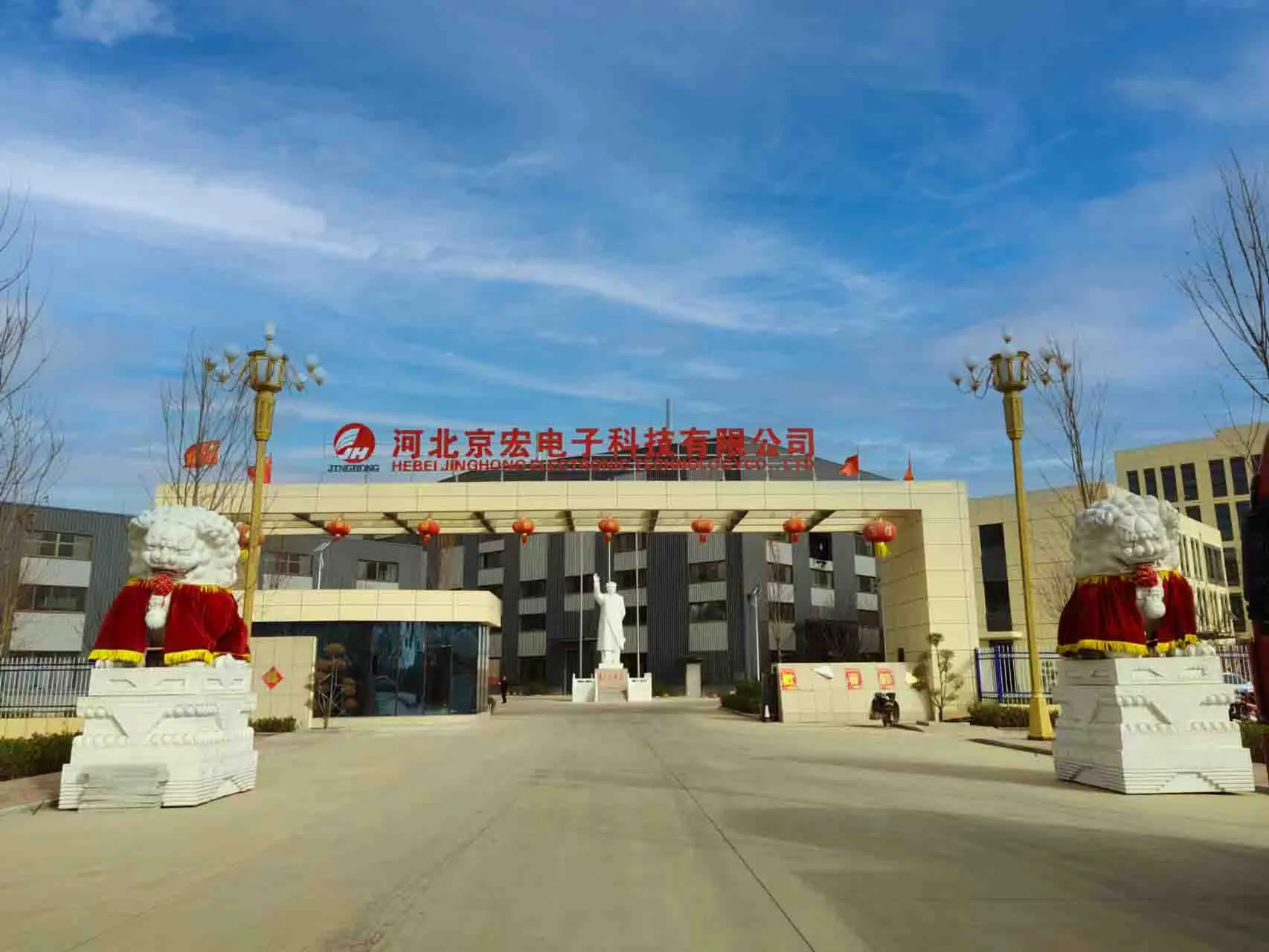
J&Q New Composite Materials Company