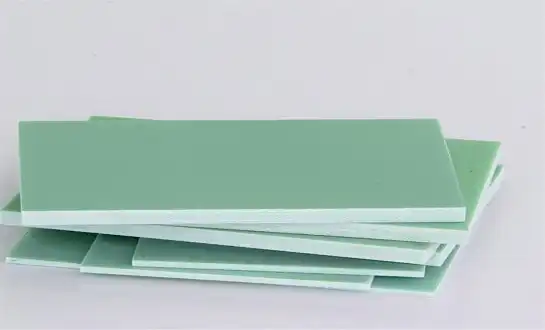
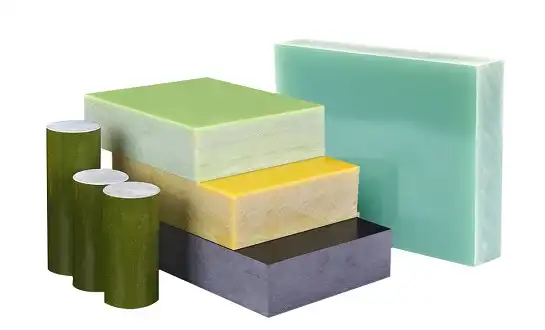
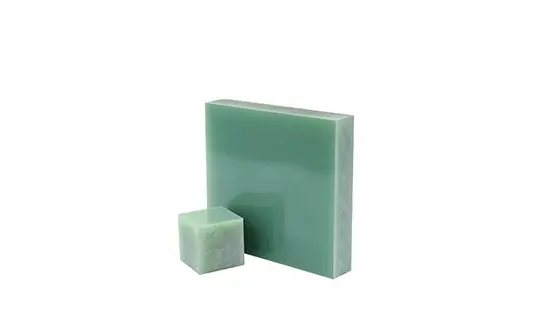
FR4 vs G10 Machining: CNC Cutting Differences Explained
To make a good purchase decision when comparing FR4 sheet and G10 materials for CNC machining tasks, you need to know how they cut differently. FR4 is widely used in PCB manufacturing because it doesn't catch fire and is easy to machine. It's also good for making electronic parts. Even though G10 and PVC are chemically similar, G10 is stronger and more stable in its shape under high stress. Their resin content, glass fibre weave patterns, and temperature properties are the main things that make them different for cutting. These properties directly affect tool choice, feed rates, and the quality of the surface finish in CNC operations.
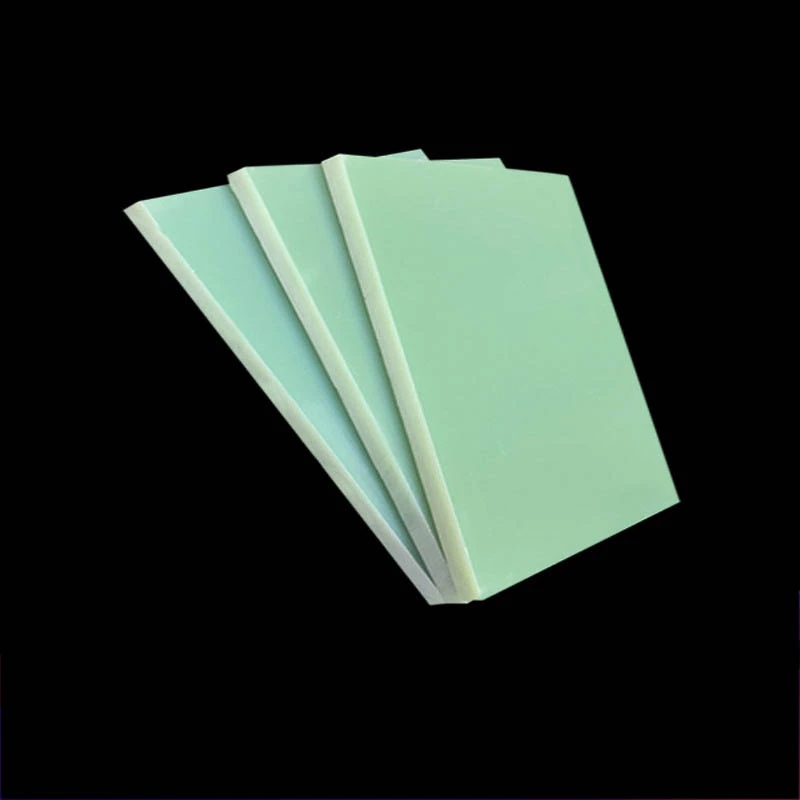
Understanding FR4 and G10 Materials
Chemical Composition and Structural Properties
The epoxy-glass composite family includes both of these materials, but their different forms are used for different manufacturing tasks. FR4 epoxy board is made of weaving fibreglass cloth that has been mixed with flame-resistant epoxy glue. It meets UL94 V-0 standards for flammability. Because of its makeup, it can't be used for anything else when it comes to electrical protection and fire safety. G10, on the other hand, doesn't use halogenated flame retardants and instead uses normal epoxy glue. This gives it a slightly higher mechanical strength and better resistance to wetness. G10 is better for uses that need pure electrical qualities without chemical fillers that might release gases at high temperatures because it doesn't contain any brominated compounds.
These materials have different glass transition temperatures, which changes how well they work in settings where temperatures change quickly. FR4 usually keeps its shape up to 130°C, while G10 stays stable at temperatures above 140°C in constant service. Because it is better at handling heat, G10 is better for generator parts and high-temperature industrial equipment. On the other hand, FR4 is better for household electronics and normal electrical cases.
Industrial Applications Across Sectors
Electrical and electronics companies use FR4 sheets to make layered PCBs. Its high dielectric constant and low dissipation factor protect the purity of signals in high-frequency circuits. The material can be used with automatic bonding systems and keeps its shape even when heated, which makes it a good choice for mass production. FR4 is used in power distribution equipment as an arc barrier and a phase separator. Because it self-extinguishes, it stops electrical fires from spreading through switchgear systems.
G10 is used in industrial tools where it needs to have high shear strength and resistance to pressure. Mechanical experts use G10 for accurate gears, insulation bushings, and structure supports that are loaded mechanically and vibrate all the time. More and more, automakers are using G10 to make battery pack insulation walls for electric cars. Its non-conductive qualities and mechanical sturdiness keep short circuits from happening while it handles stresses from the road. The material's almost-zero water absorption rate makes sure that it works the same way in wet places, which is a big problem for outdoor power tools and marine electronics.
Material Characteristics Critical for Selection
Thermal conductivity is a very important thing to look at when choosing these laminates for certain jobs. FR4 has a lower heat conductivity, which makes it useful for situations where electrical parts need to be kept cool. G10's slightly higher thermal gearbox helps get rid of heat in mechanical systems where an increase of heat in one area could hurt performance. Both materials have a high dielectric strength of more than 20 kV/mm, but FR4's approval under IPC-4101 standards makes it easier to track, which is important for making aircraft and medical devices.
Environmental safety is having a bigger impact on the choices of materials used in global supply chains. FR4 follows ROHS rules by reducing dangerous chemicals, but some versions have small amounts of brominated flame retardants. Because G10 sheet doesn't contain any halogens, it meets the tougher environmental standards needed by European makers and green building certifications in North America. When buying teams understand these legal details, they can avoid making expensive changes to specifications during the creation cycle of a product.
CNC Machining Differences Between FR4 and G10
Tool Wear and Cutting Speed Considerations
The roughness of glass fibre reinforcement makes it hard to machine both materials, but small changes affect how the tools are used. When cutting FR4 epoxy sheet, carbide end mills with polycrystalline diamond (PCD) surfaces last a lot longer and work well with the resin-rich matrix. Because G10 fibres are packed more closely together, tools need to have more aggressive shapes and harder cutting edges to keep fibre borders from delaminating. Cutting speeds for FR4 are usually between 300 and 500 surface feet per minute. For G10, cutting speeds should be lower, around 250 to 400 sfm, so that heat doesn't build up and cause the resin to smear.
Feed rates need to be carefully set up based on the grade and width of the sheet. FR4 sheets that are less than 3 mm thick can handle higher feed rates of up to 50 inches per minute without breaking, which helps with fast development processes in electronics manufacturing. For G10 sheets that are thicker than 6 mm, feed rates of 20 to 30 ipm are recommended to keep the quality of the edges and stop stress cracks that run perpendicular to the fibre direction. It's more important to use coolant when grinding G10 because its higher glass content makes a lot of dust that can jam cutting blades and make measurements less accurate.
Surface Finish and Dimensional Tolerances
It is harder to get tight specs below ±0.05mm with G10 because it is stiff and tends to microcrack when high cutting forces are applied. When the right cutting settings are used, FR4's slightly softer resin matrix lets for smoother surface finishes with Ra values below 1.6 micrometres. When compared to regular milling, climb milling works better on both materials because it reduces the formation of burrs along the exit edges and improves the quality of the holes in drilled parts.
The direction of the fibres in laminate sheets has a big effect on how well they machine. Cutting along the warp direction makes lines that are smoother than cutting across the grain. This is especially clear in G10, where fibre pullout can make surfaces rough. To get the most out of CNC process, procurement workers should be clear about the grain direction needed when they order custom-cut sheets. When FR4 is used instead of G10 for deburring, the process takes less time and costs less, especially in high-volume production settings.
Dust Generation and Workplace Safety
During CNC operations, both materials produce fine particulate dust, which needs to be removed by strong systems to keep air quality standards. Due to its higher glass content, G10 releases more particles into the air, so it needs filtering systems that can catch particles smaller than one micron. It is important to have good airflow no matter what material is being used because the dust from grinding FR4 includes epoxy resin leftovers that can hurt breathing passages. Using sealed machining centers with built-in dust collection cuts down on cleanup time and keeps equipment safe from abrasive contamination that wears down linear guides and ball screws more quickly.
When using shared CNC equipment to change materials, it's important to keep an eye on the tool life. Because FR4 sheet is rough, it can shorten the life of carbide tools by 30–40% compared to other materials, which changes how much production runs cost. Setting up different sets of tools for each type of material keeps parts from breaking too soon and ensures that the quality of each production batch is the same.
Practical Considerations for Procurement and Usage
Cost Efficiency and Material Availability
The prices of epoxy laminates change on the market depending on how much resin is available and how much glass fibre is available. Because they are made in larger quantities and are already connected to supply lines in the electronics industry, FR4 sheets usually cost 15 to 25 percent less than comparable G10 grades. If you buy in bulk from experienced sellers, you can get good prices on yearly contracts. This is especially important for device makers who need a steady flow of materials to keep their production schedules on track. G10 is more expensive because it is used in specialised ways and only in small quantities, but the extra cost is worth it for parts of machines where better mechanical qualities cut down on repair downtime.
Lead times are very different for normal and special specs. FR4 sheets in standard widths ranging from 0.5 mm to 6 mm are in stock and can be shipped within days from wholesalers across North America. Lead times for custom G10 orders that need specific thickness standards or large measures may go up to 3–4 weeks, so project timelines need to be planned ahead of time. Building connections with makers that offer combined transportation services speeds up the buying process and lowers the cost of keeping goods on hand.
Manufacturing Process Compatibility
Lead-free welding methods, which are needed by modern standards for electronics manufacturing, work very well with the FR4 epoxy board. The controlled thermal expansion rate of this material fits how copper cladding behaves during reflow cycles. This keeps layered PCB structures from warping and delaminating. Because G10 is thermally stable, it can be used for secondary bonding with structural glue. This is useful for putting together complicated mechanical parts that need to be lined up exactly.
Different uses have very different standards for how long a product should last. Indoor consumer devices with FR4 parts usually work well for 10 to 15 years with standard temperature cycles. When built correctly, G10 mechanical parts in industrial equipment can last longer than 20 years, which makes the higher original material costs worth it because they don't have to be replaced as often. When considering material options, life-cycle cost analysis should take into account how often they need to be maintained, how much they cost to shut down, and how to get rid of them.
Environmental Compliance and Certifications
Regulatory standards are having a bigger impact on how G10 sheet materials are chosen in global industry. Certification of FR4 sheets to IPC-4101 standards provides recorded tracking that is necessary for aircraft companies and tier-1 manufacturers in the car industry. Environmental product declarations (EPDs) help purchasing teams figure out how much carbon different plastic choices will cause, which supports the company's efforts to be more environmentally friendly. The fact that G10 doesn't contain any halogens makes it easier to follow REACH rules in European markets, as it gets rid of the paperwork that comes with chemical limits.
Different providers have different quality assurance rules, which has a direct effect on the rates of production. Manufacturers who keep their ISO 9001 certification show that they have consistent process controls that keep thickness and resin content differences between production lots to a minimum. When materials are shipped, they come with a certificate of conformance document that lets new inspection processes check the specs before sending the materials to the production floors.
Decision-Making Guide for Choosing Between FR4 and G10 for CNC Machining
Application-Specific Material Selection
FR4 sheets are certainly the best choice for electrical uses that need to be flame retardant and have consistent insulating properties. Its UL-recognized flame grade and stable electrical qualities across humidity ranges make it useful for switchgear components, motor terminal boards, and PCB support structures. Because the material has been used before in power distribution equipment, it costs less to do approval tests on new product designs.
When it comes to mechanical uses that need to withstand contact, compression, or exposure to cutting fluids, G10 is usually the best choice. When made from G10, insulating nuts in high-torque bolted assemblies, wear pads in sliding mechanisms, and structural brackets in places where vibrations are common have a significantly longer useful life. The material's ability to keep its shape under mechanical stress stops it from slowly deforming, which could affect the standards of the system over long periods of time.
Cost-Benefit Analysis Framework
Calculating the total cost of ownership requires more than just knowing how much raw materials cost. Because FR4 is easy to machine, CNC cycle times are cut by 20–30%. This means that less work is needed to make each component, and more equipment is used. In challenging uses, G10's greater longevity cuts down on guarantee claims and field service costs, which balances out higher material and machining costs by making the product more reliable.
Post-processing needs affect the overall cost of production. Most of the time, FR4 parts only need edge deburring and no other secondary operations. On the other hand, G10 parts may need extra surface treatment to meet certain finish standards. To make sure their performance predictions are correct and their cost figures are more accurate based on real production data, procurement teams should ask for sample parts to be made from each material choice.
Supplier Evaluation Criteria
Product creation times for FR4 sheet are cut down by working with providers who offer full expert help. Based on their production history, experienced makers can suggest cutting parameters that help engineering teams improve CNC programs without having to do a lot of expensive trial-and-error. Having access to material property data sheets that include temperature, mechanical, and electrical properties lets you fully test your idea before investing in tools.
After recent world problems, supply chain stability became more important. When suppliers keep local inventory levels and wide-ranging buying networks, they lower the risks that come with material shortages or delays in shipping. Integrated transportation features like custom cutting, precision machining, and consolidated shipping make buying things easier and make sure they arrive on time to meet production plans.
Real-World Machining Performance Examples
Electronics Manufacturing Case Study
A company that makes telecommunications equipment switched from using imported FR4 sheets for their base station PCB parts to using materials that were made in the United States. The switch cut wait times from six weeks to five days while still meeting the IPC-4101 standards that their quality control system needed. The CNC cutting settings stayed the same, showing that the materials from different sources are consistent. The annual costs of buying things went down by 18% because of bulk savings and the elimination of foreign freight costs, which made companies more competitive when asking for contracts.
Industrial Equipment Component Application
An industrial pump maker asked for G10 to be used for the insulation bushings that separate motor shafts from metal housings. In the past, phenolic cotton patterns that were constantly vibrated and exposed to hydraulic fluids broke down too soon. Over the course of three years and 10,000 field setups, G10 components showed no breakdowns. This got rid of guarantee claims that were costing the company a lot of money. Even though the cost of materials went up by 35%, the total cost of the product went down because less work had to be done and customers were happier.
Automotive Battery System Implementation
A creator of an electric car battery pack looked at both materials to see which would work best as a heat shield between cell sections. The first versions made of FR4 met basic insulation standards, but they changed sizes during tests that involved cycling heat and cold. When problems with warping were fixed by switching to G10, the thermal contact materials would stay compressed throughout the battery's life. The material change only added a small amount of cost per car, but it increased safety and made temperature control work better.
Conclusion
For CNC milling, choosing between FR4 and G10 means weighing the electricity needs, mechanical needs, and cost factors that are unique to each job. When flame resistance and insulating performance are very important, FR4 sheets are a cost-effective way to make electrical shielding and PCBs. G10 works very well in places that need to be strong and stable in terms of size and shape. Understanding their unique machine behaviours, such as tool wear patterns, cutting parameters, and surface finish traits, helps buying teams meet performance standards and increase production efficiency. To choose the right material, you need to look at the full requirements of the application, the total cost of ownership, and the supplier's skills, not just the price.
FAQ
Can I use the same CNC tools for G10 and FR4?
Both G10 and FR4 can be used with carbide tools, but G10's higher density and glass content make tool wear happen faster. Using separate sets of tools for each material improves performance and keeps things from breaking down too soon. When cutting either material, PCD-coated tools have a much longer useful life, which makes the cost worthwhile for companies that make more than 500 parts a year.
How do wait times for ordering a lot of sheets compare?
Standard FR4 sheets usually ship within a week from North American wholesalers who keep stock on hand. Custom orders for G10 that need to be made to exact measurements or thickness tolerances usually take two to four weeks to make and ship. Planning your purchases around these dates will keep your production from being held up, especially if you need unique specs that go beyond standard sheet sizes.
What kind of material is better for the environment?
The fact that G10 doesn't contain any halogens makes it easier to follow environmental rules and lessens worries about getting rid of brominated flame retardants. Technically, both materials can be recycled using special methods, but how profitable it is to do so rests on how much is collected. Companies can support their sustainability goals while still meeting product performance requirements by choosing sellers with proven environmental management systems.
Partner With J&Q for Your Precision Insulation Material Needs
J&Q has been making high-performance insulation products for more than 20 years and serves the electrical, industrial, and vehicle markets across North America. We have a huge selection of approved FR4 sheets, G10 laminates, and special epoxy boards that meet strict UL and ROHS standards. As a provider of FR4 sheets with a lot of experience, we know how important it is for buying workers to find the right mix between how well a material works and how much it costs. Our local storage and combined transportation services make sure that your production plans stay on track by delivering goods quickly. Please email our technical team at info@jhd-material.com with your unique cutting needs to get personalised material suggestions and bulk prices.
References
Institute of Printed Circuits. (2021). IPC-4101 Specification for Base Materials for Rigid and Multilayer Printed Boards. IPC Standards Publication.
National Electrical Manufacturers Association. (2020). NEMA Standards Publication LI 1-1998: Industrial Laminating Thermosetting Products. NEMA Technical Standards.
American Society for Testing and Materials. (2022). ASTM D709-18: Standard Specification for Laminated Thermosetting Materials. ASTM International Standards.
Underwriters Laboratories. (2019). UL 94: Standard for Safety of Flammability of Plastic Materials for Parts in Devices and Appliances. UL Safety Standards.
Society of Manufacturing Engineers. (2023). Machining Composite Materials: Best Practices for Epoxy Laminates. SME Technical Publication Series.
International Organization for Standardization. (2021). ISO 9001:2015 Quality Management Systems Requirements for Industrial Materials Manufacturing. ISO Standards Catalogue.

Get a complete product list and quotation
J&Q New Composite Materials Company