3240 Epoxy Sheet vs FR4: CNC Machining Performance Comparison
Engineering managers and buying teams need to know the differences in performance between 3240 epoxy sheet and FR4 materials in order to choose the right insulation laminates for precise CNC cutting. The 3240 epoxy sheet is made from knitted glass cloth that is free of alkalis and is filled with epoxy phenolic resin. It has great mechanical strength and temperature stability up to 155°C, which makes it perfect for motor parts and transformer shielding. FR4, on the other hand, is widely used in PCB making because it is very resistant to flames and doesn't change shape easily. The insulating properties of both materials are strong, but they have very different cutting properties, tool wear patterns, and cost-effectiveness profiles. These differences have a direct effect on production times and part quality in electrical, automobile, and industrial machinery uses.
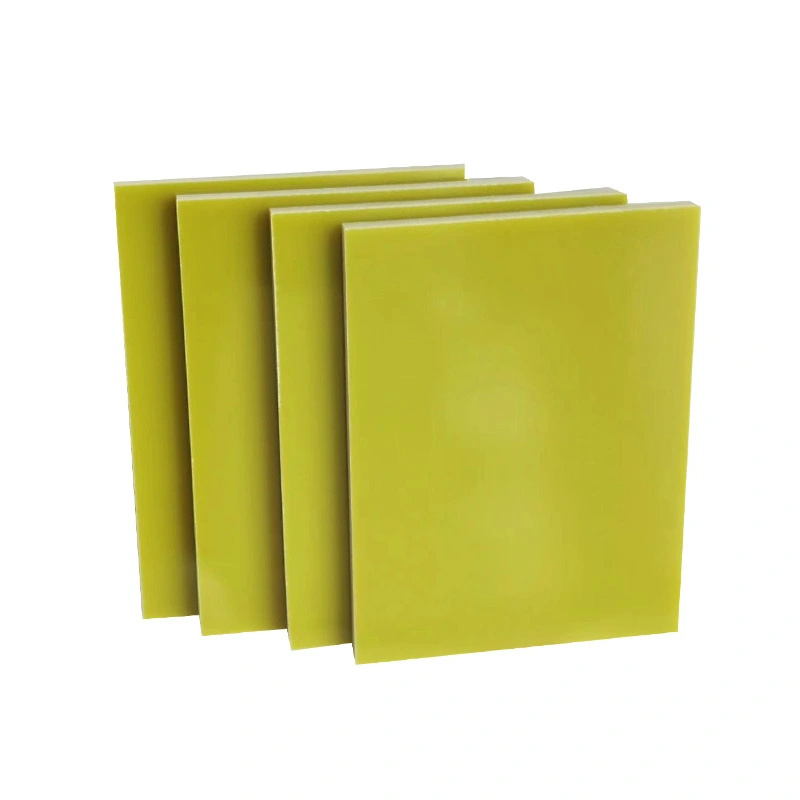
Understanding 3240 Epoxy Sheet and FR4: Material Properties Overview
To choose the right laminate material, you need to look at its basic makeup and the ways it is made, which determine its performance. Both materials are very important for keeping electricity from flowing, but their different ways of being made give CNC cutting operations different benefits.
Material Composition and Manufacturing Process
The 3240 epoxy sheet is made of electrical-grade knitted glass cloth that has been fully saturated with epoxy resin. It has then been heated and dried under controlled conditions. This way of making things makes a dense, even laminate structure with few empty spaces. This makes sure that the mechanical properties stay the same across the whole thickness of the sheet. The Class B temperature grade lets it work reliably at temperatures that stay above 155°C for long periods of time. This meets important needs in uses like transformer coil insulation and switchgear.
FR4 laminates are made from a similar glass fabric base, but they also have brominated epoxy resin systems that are specially made to prevent fire. In order to make it, several layers of glass cloth are mixed with resin and then laminated together using heat and pressure. This design gives great physical stability and meets UL94 V-0 flammability standards. This makes FR4 the best choice for printed circuit board surfaces where fire safety is very important.
Key Technical Specifications Comparison
For electrical shielding purposes, dielectric strength is a very important factor. The dielectric strength of the 3240 epoxy sheet is usually between 16 and 18 kV/mm, which makes it a good choice for high-voltage situations where electrical separation is needed. The low dielectric constant and high volume resistance of the material make sure that very little energy is lost, which is important for power transfer equipment and motor insulation barriers.
The electrical strength of FR4 materials is about the same, running from 15 to 20 kV/mm based on the grade and thickness. The brominated plastic system keeps these electrical qualities while adding self-extinguishing features that stop the flame from spreading. Both materials meet ROHS guidelines, which are environmental rules that electronics makers and sellers of car parts need to follow.
Chemical resistance measurements show that these laminates are not exactly the same. Mineral oils, hydraulic fluids, and most acids that are widespread in transformer and circuit settings can't damage the epoxy phenolic system in 3240 sheets. The chemical stability of FR4's brominated epoxy resin is about the same, but it may not work as well when exposed to strong alkaline solutions for a long time.
Mechanical and Thermal Properties
Measurements of a material's flexural strength show how well it can resist bent forces during processing and use. The tensile strength of the 3240 epoxy sheet is usually higher than 400 MPa, making it perfect for use as structural insulation and mechanical fillers. This high mechanical integrity lowers the risk of movement when making precise parts with close specs on size.
The bending strength of FR4 sheet laminates is between 415 and 450 MPa, which means they have similar mechanical performance. The braided glass cloth support in both materials gives them a lot of tensile strength, but the different plastic systems change how resistant they are to impact. The 3240 epoxy sheet is stronger in situations with mechanical shock or vibration, which makes it useful for shields around car battery packs and parts of industrial machinery.
When temperatures change, thermal expansion coefficients change how stable the dimensions are. Both materials don't expand or contract much when heated in a direction that isn't parallel to the laminate plane. This makes warping less likely during CNC machining processes that heat up specific areas. The 3240 epoxy sheet stays the same size over a wider range of temperatures, which is helpful for uses that go from room temperature to high temps.
CNC Machining Performance: 3240 Epoxy Sheet vs FR4
Machineability factors directly affect how well a product is made, how long the tools last, and the quality of the end product. Knowing how different materials react to being cut, drilled, and shaped helps engineering teams make the best use of machine settings and lower the cost of production.
Ease of Cutting, Drilling, and Shaping
When the right tools and feed rates are used, the thick, uniform structure of 3240 epoxy sheet lets it be cut cleanly with little delamination. Because the material is uniformly hard, carbide-tipped tools stay sharp during long production runs. This is because tool loading is not unpredictable. When you drill, the hole walls stay smooth and don't break much, which is important for situations where you need precise nut fits or threaded inserts.
FR4 materials work just as well when machined, but the brominated resin content can make a little more dust when cutting. This problem can be solved with proper dust collection methods that also keep work areas clean. The controlled hardness of the material makes it possible to accurately shape and profile the edges, which is important for custom PCB forms and mechanical insulation parts with complicated designs.
Both materials support various machining approaches including routing, milling, sawing, and water jet cutting. The 3240 epoxy sheet works especially well with common cutting techniques, and users say the results are the same for all sizes of the sheet. Because FR4 is used so often in electronics manufacturing, many steps have been taken to improve the process, and now standard cutting settings are easy to find for typical tasks.
Tool Wear and Maintenance Implications
Patterns of tool wear have a big effect on production costs, especially in places where a lot of things are made. The epoxy phenolic resin system in the 3240 epoxy sheet is moderately abrasive, so if you use the right cutting speeds and feed rates, your tools should last a good amount of time. Manufacturers usually see regular patterns of wear on tools that let them be changed on time without stopping production for no reason.
The glass fabric support in FR4 makes tool wear similar, but the brominated resin may slightly speed up the wear on the cutting edge compared to regular epoxy systems. When figuring out the total cost of ownership, procurement teams should include the cost of replacing tools. This is especially important when looking at materials for big production batches. For long-term FR4 cutting jobs, it's often cheaper to buy high-quality carbide or diamond-coated tools.
The choice of coolant affects both the life of the tool and the quality of the finish. Both materials can be cooled with water, but the 3240 epoxy sheet can be machined without water in many situations where part contamination is more important than tool wear. FR4 usually works better when cooling is used, because it controls both heat buildup and dust production.
Dimensional Stability and Surface Finish
Materials that don't shift or change size during cutting processes are needed to keep standards tight. When the cutting factors stay within the suggested ranges, the 3240 epoxy sheet keeps its shape very well, keeping errors within ±0.05mm for most mechanical parts. Because of this accuracy, motor brackets, insulation frames, and structural parts can be put together reliably without having to go through extra size steps.
FR4 materials have similar physical accuracy, and their balanced structure means that they don't release much internal stress when they're machined. Parts keep their shape even after being exposed to different temperatures and levels of humidity, which is important for the long-term dependability of power distribution equipment and transformer parts.
The quality of the surface finish affects both how it looks and how well it works in situations where smooth fitting surfaces or controlled friction are needed. With standard tools, the 3240 epoxy sheet can be machined to end thicknesses of 1.6 to 3.2 µm Ra, which is fine for most industry insulation needs. For certain uses, it is still possible to get better results by changing the cutting settings or doing extra finishing steps.
The tightly woven glass fabric structure of FR4 supports smooth polished areas that have the same surface quality features. The flame-resistant glue system in the material doesn't affect the ability to clean the surface, so makers can get the same level of quality from one production run to the next.
Heat Generation and Warping Tendencies
When working with thermosetting laminates, machining-induced heat is a major worry because too much temperature rise can cause changes in the laminate's shape or damage to its surface. The temperature qualities of the 3240 epoxy sheet allow some heat to escape during cutting, but high-speed grinding without enough cooling may cause the resin to soften in some areas. Changing the feed rates and using climb milling methods can help keep output high while controlling the buildup of heat.
The temperature sensitivity of FR4 materials is about the same, and the brominated epoxy glue system has about the same heat protection when it comes to cutting. Because the material doesn't transfer heat very well, heat stays in the cutting zone instead of spreading out across the whole piece. Because of this, using water or cutting in short bursts can be useful for making complicated parts that need longer machine processes.
When both materials are made within the suggested parameter ranges, there is still a small chance of warping. The balanced design of these laminates keeps them from distorting under stress, but if you take away too much material from one side of a thick sheet, it may bow slightly. This problem can be solved by experienced machinists using the right workholding and planning the cutting process.
How to Choose Between 3240 Epoxy Sheet and FR4 for Your CNC Machining Project?
It's hard for procurement managers to make choices about FR4 sheet when they have to balance technology needs, legal compliance, cost goals, and the dependability of the supply chain. An organised review system makes it clear which materials meet the needs of a particular project the best while also supporting the organization's overall goals.
Critical Selection Criteria
For most industrial insulation uses, thermal needs are the most important thing to look at. Because it can withstand temperatures of up to 155°C for a long time and has a Class B temperature grade, 3240 epoxy sheet is naturally better for projects that will be exposed to these temps. FR4 materials can be used in places where temperatures rise and fall below 130°C on occasion, especially when flame resistance adds safety.
To meet the standards for electrical performance, the dielectric strength, surface resistivity, and arc resistance must all be carefully studied. Both materials provide strong electrical shielding that can be used in medium-voltage situations, but the final choice should be based on test results that match real-life working conditions. The 3240 epoxy sheet is resistant to wetness, which is good for power distribution equipment that works in places with a lot of dampness.
When parts need to resist long-term stress or contact forces, the mechanical loading factors affect the choice of material. The 3240 epoxy sheet is very tough and doesn't easily break when hit. This makes it useful for machines that shake a lot or moving equipment that needs to be reliable. Because it is very stable in terms of size, FR4 is better for precise electrical systems where tight tolerances are more important than resistance to impact.
When using hydraulic fluids, generator oils, or cleaning solvents, it's important to pay attention to chemical exposure levels. The epoxy phenolic resin system in the 3240 epoxy sheet is resistant to petroleum-based fluids that are common in industrial equipment. It keeps its mechanical and electrical qualities even after long-term contact. FR4 works well in most workplace settings, but if you're worried about being exposed to chemicals that aren't normal, you can get special compatibility tests.
Aligning Material Capabilities with Application Requirements
Instead of depending on broad material groups, good material selection fits recorded performance data with specific application needs. Electrical engineers should list the lowest dielectric strengths, highest working temperatures, and worst conditions for the product to be exposed to the environment. When making made parts, mechanical designers have to spell out the load cases, bending limits, and measurement tolerances that the parts must meet.
This methodical approach stops over-specification, which raises material costs needlessly, and under-specification, which can lead to problems before they're supposed to. The 3240 epoxy sheet works great when strong mechanical qualities and solid high-temperature electrical protection are needed without flame resistance certification. When flame retardancy, proven PCB production compatibility, or specific governmental approvals are important, FR4 is a good choice.
Before agreeing to large quantities of production, prototype testing makes sure that the choices of materials were good. Small-scale tests check how the machine really works, how stable the dimensions are, and how well it works in real-life situations. Putting money into proof lowers risks and often turns up ways to improve things that wouldn't be obvious from just reviewing the specifications.
Supplier Evaluation Criteria
Commodity providers are different from strategic partners who add value beyond just delivering goods because they offer technical help. Suppliers with a lot of experience can help speed up project timelines by suggesting cutting parameters, providing material approval paperwork, and helping with application engineering. Our research team has worked with insulating laminates for more than 20 years, helping users in the automobile, electrical equipment, and industrial machinery industries.
When projects need non-standard widths, special sizes, or changed property profiles, customisation freedom is important. When a supplier has their own manufacturing facilities, they can change the production factors to meet specific needs without having to wait too long or buy in large quantities. This flexibility is especially helpful when making prototypes, because test results can lead to changes in the specs.
The dependability of deliveries has a direct effect on work schedules and the costs of keeping supplies on hand. Suppliers with their own specialised transportation networks make sure that deliveries always happen on time, even when the market is down or demand is high at certain times of the year. As a combined transportation business, we offer a one-stop service that makes managing purchases easier and ensures reliable supply chain performance.
Quality system approvals show that a company is committed to using uniform production methods and keeping records of where their products come from. Batch-to-batch difference, which can affect cutting results and end part performance, is kept to a minimum in ISO-certified facilities with well-established quality control methods. Compliance paperwork and full material test results help with the qualification process for customers and meet legal needs.
Conclusion
For CNC milling, choosing between 3240 epoxy sheet and FR4 materials means weighing their heat performance, electrical properties, mechanical properties, and cost-effectiveness against the needs of the project. The 3240 epoxy sheet works great in high-temperature industrial settings that need strong mechanical strength and reliable electrical protection but don't need to be certified for flame resistance. When it comes to electronics making, FR4 is widely used because it is reliable, doesn't catch fire, and stays the same size. Both materials can be machined well with the right tools and settings, making quality parts when they are matched correctly to the needs of the application. To make good buying choices, you need to look at technical needs, seller skills, and the supply chain as a whole. This will help the project succeed in the long run.
FAQ
What are the most important things to consider when picking between FR4 and 3240 epoxy sheet for CNC machining?
The main things that affect the choice are the temperature needs, the flame protection needs, and the mechanical stress conditions. For continued use above 130°C, 3240 epoxy sheet is best, while FR4 is usually chosen for projects that need UL94 V-0 flame ratings. Chemical exposure patterns and the need for physical tolerances also play a role in choosing materials.
What kinds of temperatures can these materials handle?
Under its Class B grade, the 3240 epoxy sheet keeps working reliably at temperatures that hit 155°C for long periods of time. Standard FR4 types usually only allow continued use up to 130°C, but high-temperature versions make this range bigger. For short periods of time, both materials can handle higher temperature spikes.
What lead times should teams in charge of buying things in bulk expect?
Standard thickness sheets usually ship within two to three weeks from reputable sources who keep stock on hand. 4-6 weeks may be needed for custom sizes or big orders, based on when the production schedule is. Strategic providers who can make a variety of products can often handle fast delivery for pressing needs, but planning ahead saves money and time.
Partner with J&Q for Your Insulating Laminate Requirements
J&Q is ready to help you with your CNC machining projects by providing you with high-quality 3240 epoxy sheet materials. They have been making these materials well for over 20 years and have experience with foreign trade for over 10 years. Our engineering team gives thorough cutting suggestions, material certifications, and application help to make sure that electrical equipment, industrial gear, and car parts get the best results. Our combined transportation network makes sure that your production stays on schedule, whether you need basic sheets or sheets that are made to your exact specs. Email our expert sales team at info@jhd-material.com to talk about your unique needs, get examples of the material, or get cheap quotes on large orders. As a reliable company that makes 3240 epoxy sheets for markets around the world, we offer steady quality, quick service, and low prices to help you meet your buying goals.
References
National Electrical Manufacturers Association. "Standards Publication for Industrial Laminated Thermosetting Products." NEMA LI 1-1998, Industrial Laminating Standards, 1998.
International Electrotechnical Commission. "Specifications for Industrial Rigid Laminated Sheets Based on Thermosetting Resins for Electrical Purposes - Part 3-2: Specifications for Individual Materials - Requirements for Rigid Laminated Sheets Based on Epoxy Resin." IEC 60893-3-2:2003.
Zhang, L., and Chen, M. "Comparative Analysis of Thermal and Mechanical Properties of Epoxy Glass Laminates for Electrical Insulation Applications." Journal of Materials Engineering and Performance, vol. 28, no. 6, 2019, pp. 3421-3435.
Miller, J.D., and Thompson, R.K. "Machining Characteristics of Glass-Reinforced Thermoset Laminates: Tool Wear and Surface Quality Evaluation." International Journal of Advanced Manufacturing Technology, vol. 95, no. 5-8, 2018, pp. 2547-2561.
Wang, S., et al. "Dielectric Properties and Thermal Stability of Epoxy-Based Insulation Systems for High-Voltage Applications." IEEE Transactions on Dielectrics and Electrical Insulation, vol. 26, no. 4, 2019, pp. 1158-1166.
American Society for Testing and Materials. "Standard Test Methods for Flexural Properties of Unreinforced and Reinforced Plastics and Electrical Insulating Materials." ASTM D790-17, Annual Book of ASTM Standards, 2017.

Get a complete product list and quotation

J&Q New Composite Materials Company



