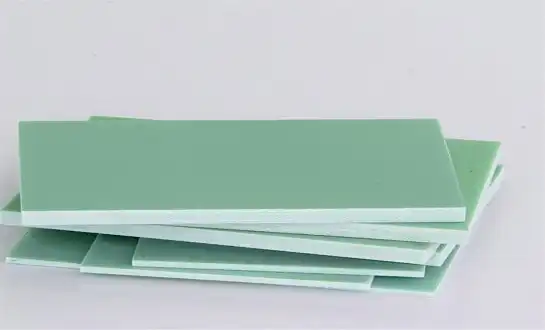
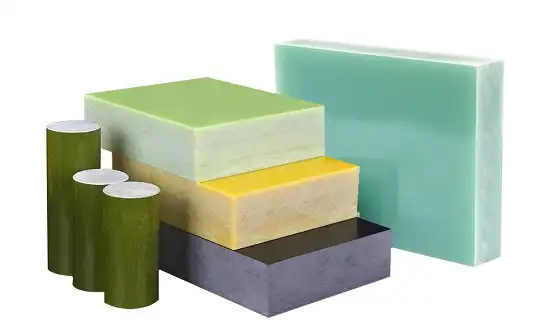
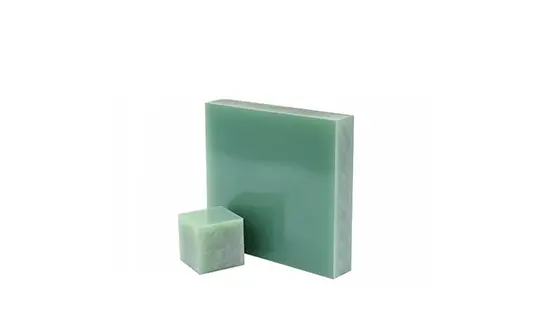
FR4 94V0 Epoxy Board Cutting: CNC Router Setup and Tool Selection
Cutting FR4 94V0 epoxy board with a CNC router demands more than just pressing start. This glass-reinforced epoxy laminate carries a UL 94V-0 flame rating, meaning it self-extinguishes within 10 seconds when exposed to flame — a property that makes it ideal for PCB substrates, switchgear insulation, and high-voltage components. Yet those same properties — dense glass fiber content, high hardness, and thermal stability — make it genuinely challenging to machine. In my experience working with electrical and industrial buyers across the U.S., getting the CNC setup and tool selection right makes the difference between clean edges and costly scrap.
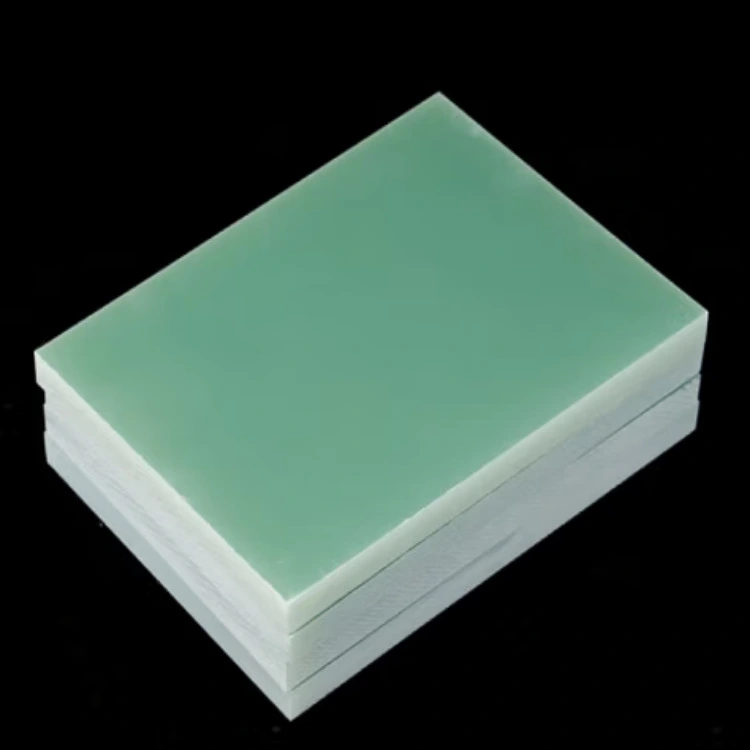
Understanding FR4 94V0 Epoxy Board: Properties and Challenges in Cutting
Core Material Properties Worth Knowing
Woven glass cloth that is fully saturated with epoxy resin makes up the thermosetting laminate FR4 94V0. Depending on the resin type, it normally has a glass transition temperature (Tg) of between 115°C and 200°C and a dielectric strength of more than 20 MV/m. This makes it a good choice for layered PCB bases, arc barriers in power distribution, and test tools that don't bend after being heated and cooled many times.
Why Is Cutting This Material Genuinely Difficult?
By itself, FR4 is very strong, but the glass fiber structure that makes it strong also makes it very rough. High-speed steel (HSS) tools break down quickly when they touch something. When cutting, too much heat can soften the epoxy matrix in some places, which can separate the surface or pull the fibers away from the edges of the cut. You can really worry about these things; engineering teams say that edge quality goes down when spindle speeds and feed rates aren't right for the material.
Dust and Debris Management
It's possible for fine glass fiber dust to get into your lungs when you cut FR4. This dust can damage machine electronics. These follow the rules that OSHA has for dust from composite materials. For shop compliance and the long-term health of your equipment, you need a dust extraction system with the right rating, and the workers should ideally wear masks to protect their lungs.
CNC Router Setup for Efficient FR4 94V0 Epoxy Board Cutting
Spindle Speed and Feed Rate Calibration
When 1/8" to 1/4" carbide tools are used to cut FR4 epoxy board, spindle speeds drop to between 18,000 and 24,000 RPM. Feed speeds range from 40 to 80 inches per minute, but they depend on how thick the material is. To make chips, not dust, is the goal. Heat is moved away from the cut area by the chips. This makes it less likely that the epoxy glue will burn or split at the edge.
Multi-Pass Cutting Strategy
There is a lot of stress and heat in one place when the whole board thickness of Fr4 94v0 Epoxy Board is taken in one pass. This is known to cause glass-epoxy laminates to separate. A method with more than one pass—usually two to three passes, depending on how thick the board is—spreads the load on the machine out more. The first pass cuts away most of the stuff at a safe depth. For a smooth finish, the last pass cleans the edge at a slow feed rate.
Cooling and Dust Extraction Integration
Cooling the cutting area with air blasts helps keep the temperature stable without adding moisture. This is important for electrical-grade laminates because moisture can change how well they conduct electricity. You can get rid of the rough material before it goes back around and speeds up tool wear if you pair the air blast with a vacuum extraction port close to the spindle. Two steps at a time protect both the piece being cut and the tool being used to cut it.
Selecting the Right Tools for FR4 94V0 Epoxy Board Cutting
For cutting FR4, pick the wrong tool. It will break down quickly, give you a bad edge, and stop working when it doesn't need to. This stuff has rough glass in it, so it needs special tools instead of just cutter bits.
At work, these are the main kinds of tools that are used:
- Solid carbide spiral router bits are the baseline choice for most FR4 cutting operations. They offer good rigidity and wear resistance at a lower upfront cost. Compression spiral geometry — combining upcut and downcut flutes — reduces fiber pullout on both the top and bottom surfaces of the board, which is important for finished PCB edges.
- Diamond-coated carbide tools extend tool life significantly compared to uncoated carbide when running high-volume production. The polycrystalline diamond (PCD) coating resists the abrasive glass fiber content far better, with some studies reporting tool life improvements of 3x to 5x over standard carbide in continuous FR4 cutting operations.
- Single-flute and two-flute upcut spirals suit thinner boards where chip clearance is a priority. Fewer flutes mean larger chip gullets, which improves debris removal and reduces heat retention in the cut zone.
The geometry of the tool is just as important as the coating material. A cheap tool that is used wrong will never work as well as a tool that is properly matched to the thickness of the board and the amount of work that needs to be done.
Once you have chosen the right tool, how long it lasts depends on how often you take care of it. Check the cutting edges of the tools every 50 to 100 linear feet of cutting in FR4. It's not making clean chips if the tool's edges start to gloss over or round off. When you use a worn-out tool again, the cut edges delaminate more quickly. Replacement times that are planned and tracked by linear video instead of clock time let production teams see how well they're doing and figure out how to improve it.
Comparing FR4 94V0 Epoxy Board with Alternative PCB Materials
FR4 94V0 vs. Lower-Grade Epoxy Boards
Fr4 94v0 Epoxy Board grades are like FR4 85V0, but they have a lower flame classification. They are sometimes used when money is tight. While the 94V0 rating is often a must for switches, motor parts, and high-voltage insulation, it is not always a choice. It's possible to break the rules if you use a lower-rated material to save money, especially if the end customer needs UL or RoHS approval.
FR4 94V0 vs. Polyimide and Rogers Boards
Some types of polyimide boards can withstand temperatures above 250°C for long periods of time. This means they can be used in spacecraft and by the military. Rogers ' materials are meant to keep high-frequency transmissions stable at microwave frequencies. One of them costs a lot more than FR4 glue board. Most of the time, FR4 94V0 is the best choice for industrial PCB, power insulation, and mechanical attachment uses because it is strong, easy to machine, and doesn't cost too much.
FR4 94V0 vs. Aluminum Core Boards
Al core boards are great at handling heat in LED lights and power systems, where the main goal is to get rid of heat. They are not the same as FR4 when it comes to pure electrical protection. People who work in electronics and power still use FR4 94V0 when they need to focus on flame resistance and dielectric strength instead of heat spreading.
Procurement Considerations for FR4 94V0 Epoxy Boards
Supplier Credentials and Certifications
If you need to buy Fr4 94v0 Epoxy Board for a job, make sure the seller is recognized by UL for that grade and thickness range. The paperwork for RoHS compliance should always include all of the materials, not just a general statement. For example, if you want to know about dielectric strength and flame classification, ask for test results that use real production batches as examples.
Factory Direct Sourcing vs. Distribution Channels
You can usually get better deals on larger orders of Fr4 94v0 Epoxy Board when you buy it directly from a well-known manufacturer. You can also get custom thickness standards faster. Standard sizes can be gotten faster and with shorter lead times thanks to distribution routes. This is helpful for getting a sample quickly or buying in small amounts. Find the supply model that works best for your production schedule. This will help you avoid gaps in your inventory and lower the cost per unit over time.
Supply Chain Reliability and Logistics
More important than low price per sheet when cutting parts to exact measurements is consistent batch quality. This means that the thickness tolerance, surface finish, and glue uniformity stay the same across production runs. If a seller owns its own transportation system, it can handle its own shipping, paperwork, and delivery times. A lot less work needs to be done to get everyone in a supply chain to work together.
Conclusion
It's important to use the right CNC settings, get the right tools, and only buy approved materials when you're cutting Fr4 94v0 Epoxy Board. Spindle speed, feed rate, multi-pass depth strategy, and tool choices are all linked. If you change one without the others, you may get results that you didn't expect. Because of these things, engineering teams that make PCBs, circuit parts, or industrial insulation parts can cut down on waste, make tools last longer, and make sure that every batch of edges is the same quality. Everyone knows that the material is tough to work with, and these setup instructions can be used on all basic CNC routers that are used to make electronics in the U.S.
FAQ
What spindle speed should I use for cutting FR4 epoxy board?
A lot of the lines that make carbide tools with a width of 1/8" to 1/4" go between 18,000 and 24,000 RPM. How fast it goes depends on how thick the board is and how big the tool is. When the feed rate is just right and the RPM is high, chips form and the cut zone doesn't get too hot.
How do I prevent delamination when routing FR4?
Make more than one full-depth pass instead of just one. Don't use tools that are too worn out; instead, pick compression spiral cutter bits that cut both sides neatly. Too much heat or a dull cutting edge that drags through the layers of glass fiber instead of cutting cleanly can cause delamination.
Is carbide or diamond-coated tooling better for FR4?
When making things on a small to medium scale, solid carbide works well and costs less. When cutting a lot of parts at once, diamond-coated tools last three to five times longer. This cuts down on downtime and the cost of making each part. The choice isn't based on a single price comparison, but on how much is being made and how much it costs altogether.
What certifications should FR4 94V0 material carry?
For each production batch, look for test results that can be tracked for dielectric strength and a UL 94V-0 flame rating. Data from the Comparative Tracking Index (CTI) can also be used for high-voltage tasks.
Get FR4 94V0 Epoxy Board Directly from J&Q
For more than 20 years, J&Q has been making insulation sheets. For the past 10 years, they have been sending them directly to customers in the U.S. and other countries. For those who need Fr4 94v0 Epoxy Board, we have sheets that are ready to be cut on a CNC machine. These sheets are certified to meet UL/RoHS standards and have tight tolerances for thickness. The quality of each batch is also stable. We take care of everything, from taking your order to shipping it. We even have our own shipping company. Email us at info@jhd-material.com or visit blog.jhd-material.com to find out about materials and their prices.
References
1. IPC — Association Connecting Electronics Industries. IPC-4101: Specification for Base Materials for Rigid and Multilayer Printed Boards. IPC, 2017.
2. Underwriters Laboratories. UL 94: Standard for Tests for Flammability of Plastic Materials for Parts in Devices and Appliances. UL, 2013.
3. NEMA. NEMA LI 1: Industrial Laminating Thermosetting Products. National Electrical Manufacturers Association, 2019.
4. Coombs, Clyde F., and Happy T. Holden. Printed Circuits Handbook, 7th ed. McGraw-Hill Education, 2016.
5. Harper, Charles A. Electronic Materials and Processes Handbook, 3rd ed. McGraw-Hill, 2004.
6. Slade, Paul G. Electrical Contacts: Principles and Applications, 2nd ed. CRC Press, 2014.

Get a complete product list and quotation

J&Q New Composite Materials Company