Exploring G10 and FR4 Material: From Sheets to Machining
When looking for high-performance electrical insulation materials, it's important to know how G10 sheet and FR4 sheet materials are different and what they can do. Electrical engineers and procurement specialists need these epoxy-based fiberglass laminates because they have great dielectric strength, mechanical longevity, and thermal stability. As someone who has made and exported insulation materials for 20 years, I have seen how these compounds solve problems in the real world in electronics, power distribution, and industrial machines. This guide looks at their main features, things to think about when making them, and buying methods to help you choose the right materials.
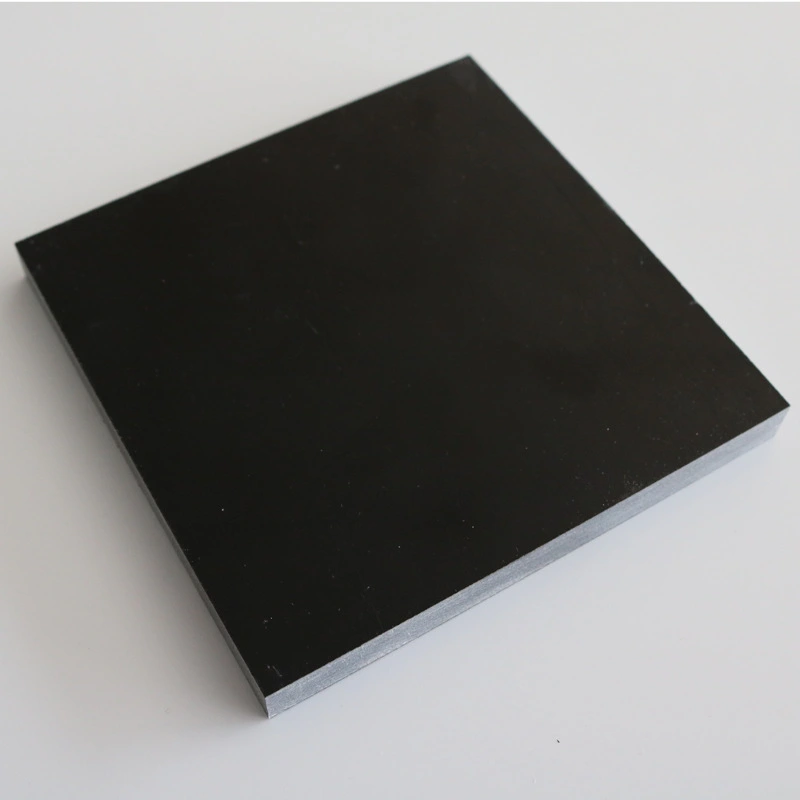
Understanding G10 and FR4 Materials: Core Features and Benefits
Material Composition and Manufacturing Process
G10 sheet is an industrial laminate made by immersing continuous filament glass cloth in an epoxy resin binder under high pressure and heat. Multiple layers of fiberglass join together into a hard composite structure when they are put under a lot of heat and pressure. This way of making things makes a material that absorbs almost no water (usually less than 0.1%), so it stays the same size even when it's fully soaked. The glass fiber support gives it tensile strength that is higher than that of many aluminum alloys, and the epoxy matrix makes it better at insulating electricity.
The same steps are used to build FR4, but brominated flame retardants are added to the epoxy cement system. With this change, FR4 can meet the UL94 V-0 flammability standards, which means it can put itself out on its own when it comes into contact with a fire source. Both materials meet NEMA standards, which are quality standards that can be used in industry settings. The accuracy of the manufacturing process makes sure that the dielectric strength, volume resistance, and mechanical qualities are always the same from one production batch to the next.
Electrical Insulation Performance
These epoxy laminates have a dielectric strength of 20 to 25 kV/mm perpendicular to the laminations. This means that they don't let electricity break down in high-voltage areas. This quality is very important in places like switchboard cabinets, transformer assemblies, and power distribution equipment where spark tracking could cause catastrophic failure. Surface resistance stays the same even when humidity changes, which keeps the safe distance between electrically charged parts.
Measurements of volume resistivity always go above 10^14 ohm-cm, which stops current from leaking through the material's thickness. For normal grades, this feature still works at high temperatures up to 130°C, but thermal cycling can change how well it works in the long term. The reason engineering managers choose these materials is that their electrical qualities stay the same across a wide range of operating temperatures and weather conditions.
Mechanical Strength and Durability
The strength-to-weight ratio of fiberglass epoxy laminates is higher than that of 6061 aluminum, but the density is much lower. The tensile strength of steel is usually between 380 and 450 MPa, and it supports structural loads in machine frames and mechanical gaps. The continuous glass fiber support spreads stress evenly through the material structure, which makes it less likely that weak spots will form when it is hit by something mechanical.
These materials have a compressive strength of more than 400 MPa, which means they can be used as load-bearing insulation in motor systems and other industrial equipment. Because it is thermoset, the material won't melt or soften when heated for use. This means that it will keep its shape while thermoplastics would change. Wear resistance is good enough for low-friction uses like gears and bushings, but special types with better mechanical features work better in high-load situations.
Thermal and Chemical Resistance
The thermal expansion coefficients stay very low—about 14 to 16 ppm/°C in the flat direction—so there aren't many changes in size when the temperature changes. This stability is very important for precision jigs, clamps, and parts that need to be very accurate. The upper constant working limit for standard grades is set by the glass transition temperature, which is between 130°C and 140°C. Above this temperature, mechanical properties start to decrease.
Chemical resistance includes most industrial liquids, oils, and weak acids. However, strong alkalis can break down the epoxy matrix after long-term contact. Because they are chemically stable, epoxy laminates can be used as shields around battery packs in cars and as frames for protection in appliances that come into contact with different fluids. The substance doesn't soak up a lot of water, so it doesn't swell or lose its properties in wet or humid conditions, which is a usual way for paper-based phenolic options to fail.
Comparing G10 and FR4: Which Material Fits Your Needs?
Technical Distinctions and Performance Trade-offs
The main difference between these materials is how well they resist fire. The brominated chemicals in FR4 sheet release fumes that put out fires when heated, so it can put out fires on its own. Standard G10 doesn't have these additives, so it keeps burning once it's lit. However, many providers now offer dual-rated materials that meet both G10 mechanical requirements and FR4 flammability requirements. These materials work best for electronics uses.
When you compare the two grades' similar thicknesses and weave patterns, their mechanical traits are almost the same. At 1 MHz, the dielectric constants for both materials are about 4.5 to 5.0, which means they can be used for most electrical shielding tasks. FR4 with flame retardants may not be as thermally stable as pure G10, but this difference doesn't usually affect real uses when used within normal working ranges.
Environmental Performance Comparison
Both materials have moisture absorption rates below 0.1%, which means that their electrical properties will stay stable in marine settings and outdoor applications. This resistance to humidity absorption is very different from paper-based phenolic laminates, which can absorb 1-2% moisture and grow and lose their electrical strength as a result. Power delivery businesses choose these materials because their performance stays the same even when the humidity changes with the seasons.
Temperature consistency tells you which applications are best for you. Standard grades keep their mechanical strength up to 130°C constantly, and short-term temperature drops to 155°C are fine. For coil insulation and arc barriers, transformer makers often need this level of temperature durability. When higher constant working temperatures are needed, close to 180°C, you need to use different materials or make your own high-temperature epoxy formulations.
Cost and Supply Chain Considerations
Epoxy fiberglass laminates are priced on the market based on the cost of the raw materials, how hard they are to make, and how many orders are placed. Standard sheet sizes usually cost less per square meter than blanks that are cut to order, but CNC machines can make changes that are more cost-effective for certain part shapes. When you commit to a certain amount of a product, you can often get better prices and more time for production. Procurement experts weigh these benefits against the cost of keeping goods on hand.
The choice of supplier has a big effect on the total cost of ownership, which goes beyond unit price. Reliable thickness limits cut down on waste during cutting and rejects for lack of size. Failures during production runs are avoided by making sure that each batch is of the same quality. Quick answers to application questions from responsive technical help keep production from being held up, which costs a lot of money. Because of these service aspects, it makes sense to form long-term partnerships with well-known manufacturers who have a lot of experience with the material.
Machining and Fabrication Implications
Because the glass fibers are so rough, carbide or diamond-tipped tools are needed for cost-effective cutting. Standard high-speed steel bits lose their cutting edges very quickly, which raises the cost of replacing tools and makes measurements less accurate. Proper dust filtration systems protect both the equipment and the people who work on it, since fiberglass particles can irritate the lungs and damage fine machinery.
When the right cutting settings are used, CNC routing, drilling, and milling can produce very precise results. Feed rates and spinning speeds need to be tweaked based on the thickness of the material and the shape of the tool. Delamination at drilled hole edges can be avoided with sharp tools, good chip evacuation, and controlled cutting forces. This is a common quality issue in PCB production and precision component manufacture.
From Sheets to Machining: Practical Guidelines for Working with G10 and FR4
Specifying Sheet Dimensions and Thicknesses
Standard G10 and FR4 sheet sizes run from 1000x2000mm to bigger panel sizes, but special sizes can be made to fit the needs of a particular production. Thicknesses range from about 0.5 mm to 100 mm, and smaller gauges can accommodate tighter size limits. Teams in charge of buying things should be very clear about the thickness limits they need. Standard commercial grades allow ±10% thickness difference, while precision grades require this to be ±5% or better.
There are different grades and thicknesses of material available. Common sizes like 1.6mm, 3.2mm, and 6.4mm are always in stock at most providers, so pressing needs can be met quickly. When it comes to specialized thicknesses, minimum order amounts and longer production plans may be needed. Setting up blanket buy orders for specs that are used a lot makes shipping more predictable and secures better pricing structures.
Machining Best Practices for Optimal Results
For cutting tasks, keeping the tools sharp and making sure the feed rates are right to keep the material from burning up are important. Too much heat buildup can make some areas of the plastic soften and the edges look bad. Using water or air blast to cool tools during cutting increases their life and makes the surface finish better. Compression machining bits with two cutting edges—one that cuts up and one that cuts down—minimize delamination at the entry and exit surfaces.
When drilling, you need to pay close attention to the shape of the bit and how fast it cuts. When used with composites, brad-point or spiral flute bits make holes that are cleaner and have less tearing than regular twist drills. When cutting through thick layers, peck drilling methods let chips escape and heat escape. Backing boards under the object stop the exit-side from breaking out, which keeps the quality of the holes the same across the thickness of the material.
When the right chip loads are used with climb milling methods, the surfaces of milling and contouring activities are very smooth. When you make multiple passes at a shallow depth, you usually get better results than when you make one bold pass. Fixturing systems must hold workpieces securely without putting them under too much stress, which could lead to cracks during or after cutting.
Quality Assurance and Inspection Protocols
Verification of dimensions using precise measuring tools makes sure that made parts meet the requirements of the drawing. Coordinate measuring tools, vernier calipers, and micrometers are used to check that key dimensions, hole positions, and flatness standards are met. Visual inspection finds flaws on the surface, delamination, or poor edge quality that needs to be fixed or thrown away.
Electrical testing procedures make sure that the insulating strength and shielding resistance are right for the job, especially for parts that handle high voltage. Controlled voltage stress is used in hipot testing to make sure that the breakdown voltage is higher than the minimum levels with enough safety gaps. Measurements of surface resistance make sure that contamination or bad treatment hasn't changed the insulating qualities.
These quality control steps are especially important for big production runs, where finding problems with the machine early on keeps a lot of parts from having to be thrown away. Setting up first-article checking methods before full production release finds mistakes in interpreting specifications or limits on the process's ability. Statistical process control methods keep an eye on changes in dimensions so that changes can be made before parts get out of range.
Procurement and Purchasing Guide for G10 and FR4 Materials
Identifying Qualified Suppliers and Evaluating Credentials
The first step in qualifying a G10 sheet and FR4 sheet supplier is to check their ability to make things and their quality standards. UL recognition means that materials meet known safety standards, and ISO 9001 approval shows that quality management is organized. RoHS compliance paperwork makes sure that banned substances stay within the rules, which is very important for tech companies that sell their products in other countries.
The difference between strategic partners and basic providers is their technical knowledge. Expert sellers help customers choose the right materials for their projects by recommending the best sizes and grades and solving any problems that come up during the manufacturing process. Engineering help is useful when standards need to be changed or when the materials that are already available don't work well. Responding to technical questions shows that a seller cares about the success of the customer in more ways than just a business relationship.
Supply dependability is affected by how much can be produced and how well material is managed. Suppliers who keep a smart stock of popular thicknesses and grades can quickly meet immediate needs. Custom specs can be met with flexible manufacturing without having to meet high minimum order numbers. Clear information about lead times helps with accurate planning of output and keeps costly schedule changes from happening.
Volume Pricing and Contract Strategies
Because of economies of scale in buying materials, setting up production, and moving them around, unit prices usually go down as order quantities go up. Strategies for buying things weigh bulk prices against the costs of keeping inventory and the risk of items going out of style. Annual blanket purchase orders with planned releases take advantage of big discounts on prices while keeping the ability to change inventory as needed. Price security terms protect buyers from price increases in the middle of a contract, which makes budgeting easier.
Long-term supply agreements make partnership promises official. They usually include better prices, earlier output schedules, and focused technical support. These deals are good for everyone involved. Suppliers get to know their income ahead of time, and customers get solid material sources at good prices. Renewal clauses should cover price changes that are tied to changes in the costs of raw materials, not just random price hikes.
Clear price systems help build trust and make it easier to get accurate cost estimates during the quoting stages of a project. All-inclusive price that includes the cost of materials, charges for customization, and shipping costs makes the buying process easier. Surcharges or hidden fees that come as a surprise hurt relationships with suppliers and make it harder to plan your finances.
Logistics and Delivery Coordination
When you buy something from another country, shipping methods, travel times, and the steps needed to clear customs become more complicated. Established providers with experience exporting can easily handle the necessary paperwork, which keeps shipments from being held up at border points. Integrated transportation services, such as freight handling and customs exchange, make it easier to coordinate all of your foreign activities from one place.
Packaging standards keep things safe while they're being shipped and make it easier to move and store things in warehouses. During ocean freight, palletized packages with moisture shields keep water out. Protective interleaving between the sheets keeps the surface from getting scratched. Putting clear labels on things with material grades, sizes, and lot numbers makes it easier to check them when they arrive and keep track of their stock.
The schedule for output is directly affected by how reliable deliveries are. The agreed-upon release dates must match the project schedules, giving enough time for customs clearance and transfer within the country. Instead of finding out about shortages at the last minute, proactive communication about possible delays lets you plan for them ahead of time. Tracking sight along the supply chain makes things clearer and less unclear.
Conclusion
When choosing between G10 sheet and FR4 sheet, you have to weigh the electrical performance, mechanical qualities, heat resistance, and flame retardancy against the needs of the application and the cost. By knowing what materials are made of, how they are made, and how they work, you can make smart decisions about what to buy. Total cost of ownership is affected by machining issues such as the cost of tools, the amount of scrap, and the quality of the results. Relationships with suppliers that are based on technical know-how, quality systems, and quick help are more valuable than ones that are only transactional and focus on unit price. We've seen how smart material selection and working together with suppliers can improve the performance of a product while lowering the risks of buying it in a wide range of industry settings.
FAQ
What distinguishes G10 from FR4 in practical applications?
The main difference is in how flame retardant they are: FR4 has brominated chemicals that make it self-extinguishing, but regular G10 doesn't have these substances. But these days, a lot of products have dual grades that meet both requirements. The grades have pretty much the same electrical and mechanical qualities.
Can these materials handle working at high temperatures all the time?
Standard grades can keep their properties up to 130°C all the time, and short trips up to 155°C are fine. For uses that need to keep working at these temperatures for a long time, special high-temperature formulations with changed glue systems are needed.
How do moisture and chemical exposures affect long-term performance?
Even in buried situations, water absorption below 0.1% stops the size from growing and the electrical properties from breaking down. The epoxy matrix is very resistant to oils, solvents, and weak acids. However, strong alkalis can damage it after long-term contact.
What machining challenges should fabricators anticipate?
Standard tools quickly become useless because of the rough glass fibers, so carbide or diamond-tipped bits are needed. Fiberglass particles can be annoying, but proper dust clearance keeps people and equipment safe. Delamination and edge damage can be avoided by using sharp tools and the right cutting settings.
Partner with J&Q for Your G10 Sheet and FR4 Material Requirements
J&Q can help you find insulation materials because they have been making high-quality products for over twenty years and have been trading internationally for ten years. We are a well-known seller of G10 sheet products, and we keep a large stock of normal thicknesses as well as the ability to make changes for specific uses. Our integrated logistics operations make delivery coordination easy from the time of production until the package arrives at its final location. This gets rid of the hassles of coordinating with multiple providers. Engineering managers and procurement experts can get detailed advice that is specific to their needs. This helps them choose the best materials and make the best machines. Email our team at info@jhd-material.com to talk about the details of your project, ask for examples of the materials, or look into volume price options that fit your budget.
References
National Electrical Manufacturers Association (NEMA). "Industrial Laminating Thermosetting Products Standards Publication." NEMA LI 1-1998 (R2020).
Harper, Charles A. "Handbook of Plastics, Elastomers, and Composites." McGraw-Hill Professional, 2002.
Underwriters Laboratories (UL). "Standard for Safety for Tests for Flammability of Plastic Materials for Parts in Devices and Appliances." UL 94, Fifth Edition, 2013.
Zweben, Carl. "Composite Materials and Mechanical Design." Mechanical Engineers' Handbook: Materials and Engineering Mechanics, Third Edition, 2006.
ASM International. "Composites: Engineered Materials Handbook Volume 1." ASM International Handbook Committee, 1987.
Institute of Electrical and Electronics Engineers (IEEE). "IEEE Guide for Acceptance and Maintenance of Insulating Materials and Systems." IEEE Std 98-2002.

Get a complete product list and quotation

J&Q New Composite Materials Company



