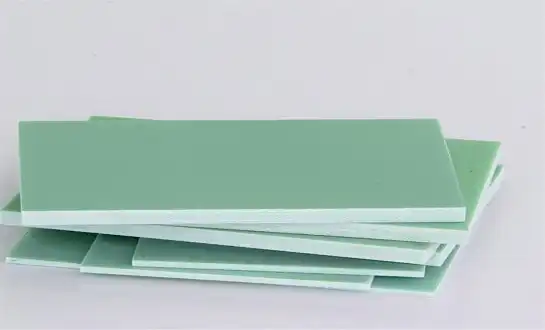
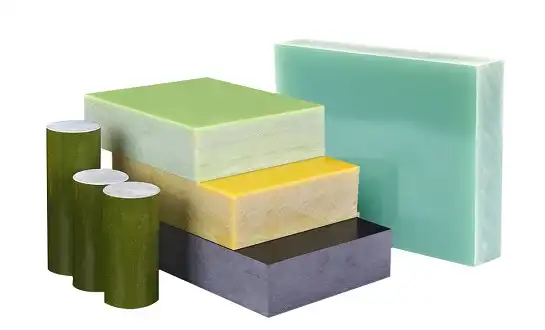
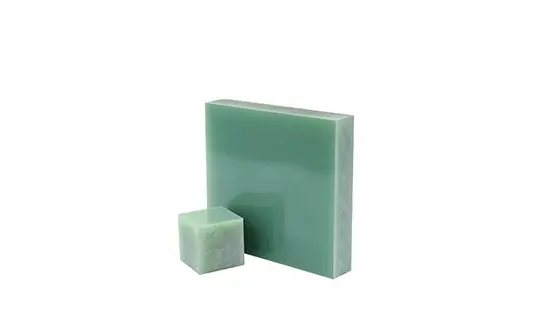
Dielectric Phenolic Bakelite Board for CNC Machine
The Bakelite board has been used for many years in industry to find reliable insulation materials for precise CNC machine settings. This phenolic bonded sheet has great dielectric qualities and can be easily machined, which makes it essential for mechanical parts, electrical insulation, and PCB drilling support. In electrical, automotive, and power generation uses, engineering managers and buying teams always choose phenolic materials because they are stable in size, cost-effective, and meet strict industry standards.
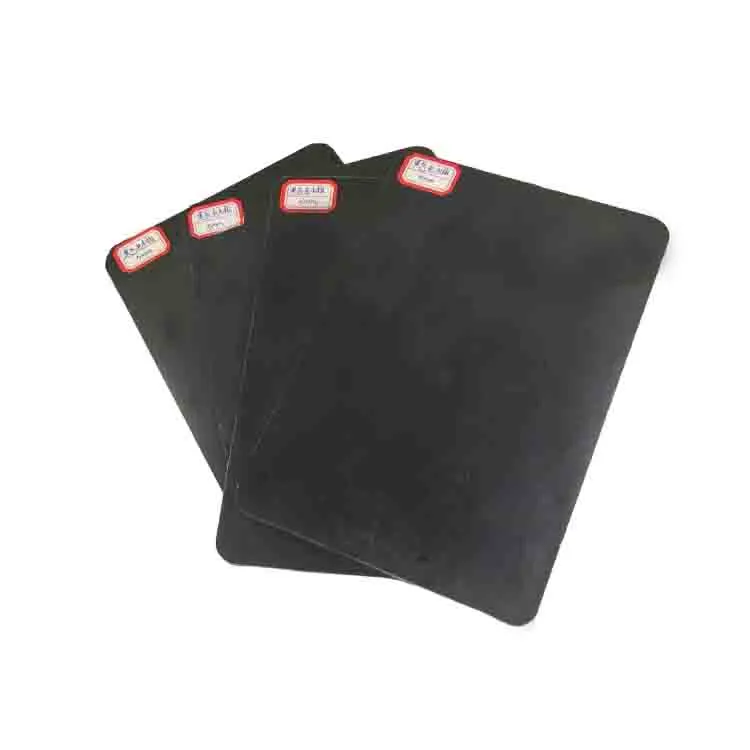
Understanding Dielectric Phenolic Bakelite Board and Its Properties
The Chemical Foundation of Phenolic Laminates
Phenolic laminated sheets are made using a specific process that involves putting synthetic phenolic glue into bleached wood pulp paper or cotton cloth. When you hot press this thermosetting polymer, which is made from phenol and formaldehyde, molecular cross-links are formed that make the material hard for good. Unlike thermoplastics, which get soft when heated, these hardened laminates keep their shape even when the temperature changes. When it comes to electricity protection, the paper-based type is better, while the cotton-reinforced types are stronger for load-bearing uses.
In manufacturing, resin-soaked surfaces are stacked on top of each other and controlled heat and pressure are applied. This process of consolidation gets rid of air holes and makes sure that the resin is evenly spread out throughout the material core. The mass that is made is usually 1.45 g/cm³, which is a good mix between weight and structural strength. Because of this specific gravity, phenolic sheets are lighter than metal options but much stiffer than regular plastics. This meets the needs of both precise CNC cutting and easy handling by operators for the Bakelite board.
Core Electrical and Thermal Characteristics
The dielectric strength of a material tells you how well it can keep electricity from breaking down when voltage stress is applied. Phenolic laminates are great at this because they keep their middle level of electrical protection even in places where the humidity changes. Because it doesn't collect water, the material doesn't lose its dielectric properties like other insulating media do. This ability to repel water is very important in power transfer equipment where water getting in could be dangerous.
Thermal efficiency is just as important. Phenolic boards can handle constant temperatures of up to 130°C without deforming structurally, and their short-term tolerance grows when they are under sudden loads. This resistance to heat keeps nearby parts in motor housings, switching units, and transformer insulation barriers safe. The material has a low thermal expansion rate (about 30–40 × 10⁻⁶/°C), which means that its dimensions don't change much when it is heated and cooled. This keeps the tight tolerances needed for precision CNC tools and jigs.
Mechanical Durability and Advantages of Machining
During normal CNC processes, phenolic materials are very easy to cut and shape. When these boards are cut with mills, drills, cutters, and lathes, the tools don't get too worn down. The material makes fine chips instead of stringy swarf, which makes cleaning up the product easier and cuts down on machine downtime. Warpage stays low, usually less than 3 inches, which keeps the surfaces flat, which is important for PCB drilling backup boards and electrical contact surfaces.
Strength changes depending on the type of support. Paper-based types have a flexural strength of 90 to 120 MPa, which makes them good for electrical uses that aren't carrying weight. Cotton-reinforced phenolic sheets can handle loads of 140 to 180 MPa and are used in gear flats, cam followers, and bearing supports. Because it is so flexible, engineers can choose the best grade for the stress profile of their application. The vibration-dampening qualities of the material lower operational noise in mechanical assemblies. This is better than metal components in production settings that are sensitive to noise.
Buying Guide: How to Select and Procure Dielectric Phenolic Bakelite Boards
Defining Specifications Based on Application Requirements
Technical buying starts with exact material specifications that match the needs of a CNC machine. Ratings of dielectric strength, which are usually given in kV/mm, are most important for electrical uses. Values higher than 15 kV/mm are needed for power transfer parts, while smaller values may be okay for general insulation. Engineers should check the amounts of voltage exposure and make sure that the specifications are correct, leaving enough room for safety in case of voltage spikes and weather damage over the service life for the Bakelite board.
Thickness margin affects assembly accuracy. Standard industrial grades have tolerances of about 0.3 mm for widths less than 10 mm. For CNC parts that need tight stack-ups, sheets that are precisely ground to within 0.1 mm tolerances may be needed. Tolerance needs should be clearly communicated by procurement teams, as precise grinding adds cost and wait time. Standard sheet widths include 1000x2000mm, but custom cutting is sometimes needed to fit certain machine bed sizes or cut down on material waste in high-volume production.
Evaluating Supplier Capabilities and Certifications
Credentials of the provider are the first step in quality security. UL approval for electricity uses and RoHS compliance for foreign sales are the minimum standards that should be met. Systematic quality control is shown by ISO 9001 certification, and environmental management is shown by ISO 14001 certification. Both of these are becoming more important as sustainability is looked at more closely. Ask for certification paperwork when you're evaluating a seller, and make sure that the scope of work includes making phenolic laminates and not just selling in general.
In complicated applications, technical help is what sets one supplier apart from another. Manufacturers with a lot of experience can help you choose the right materials, set up your machines correctly, and fix problems with your applications. This knowledge comes in very handy when switching from other materials or making ideas better. When you first contact a seller, look at how fast they are. Suppliers who show they have a lot of technical knowledge and can communicate quickly usually keep these standards throughout the procurement relationship.
Negotiating Pricing and Managing Logistics
Structures that use volume prices encourage centralized buying. Single-sheet sales cost more per unit because they are harder to handle and cut. When managing multiple projects, engineering managers should try to combine needs as much as possible and take advantage of big savings that can reach 15 to 25 percent for larger orders. Inventory costs and price benefits are balanced by annual blanket orders with planned releases. This is especially true for standard grades that are used across multiple product lines.
Planning ahead is important for international business. When phenolic sheets are shipped as general cargo, they don't have to follow the rules for dangerous materials that make shipping chemicals harder. Consolidating containers lowers the cost of freight; standard sheets pack efficiently, making the most of each container's space. For shipments to other countries, including production, lead times are usually between 4 and 6 weeks. However, local suppliers may be able to complete orders within 1 to 2 weeks. To get the best total landing costs, procurement professionals should weigh the need for longer wait times against the potential savings from buying goods from other countries. They should also keep extra stock on hand for important uses.
Application and Performance Optimization for CNC Machining
Addressing Wear and Thermal Stress in Production Environments
PCB drilling activities are a good example of a challenging use for Bakelite board. When cutting at very high speeds (often over 150,000 RPM), frictional heat builds up at the entry and exit points of the drill. Phenolic backup boards soak up this heat energy and provide stiff support that stops the copper foil from deforming and making burrs. The material's thermal conductivity lets heat escape quickly enough to protect the cutting edges of drill bits. This makes the tools last 30–40% longer than with softer backup materials.
Different loads are put on switchgear insulators. Arc shields have to be able to handle short-lived fault currents that create a lot of heat and electric forces. During these events, phenolic sheets rated for arc tracking resistance keep the insulation's integrity, stopping flashover to neighboring phases. The choice of material thickness strikes a balance between the need for electrical room and the limited space available in small container designs. For low-voltage switchgear, engineers usually define thicknesses of 3 to 6 mm. For medium-voltage applications, the thickness can go up to 10 to 15 mm, based on the voltage class and the surroundings.
Installation Best Practices and Maintenance Protocols
When installed correctly, materials work at their best. To allow for heat growth without causing stress concentrations, mounting holes should be drilled a little bigger than needed (usually 0.5 mm). It is best not to tighten screws too much because phenolic materials are weaker than metals and can break under too much clamp load. Specifications for torque that are between 60 and 70% of the values of metal parts usually work, but in some cases, they need to be checked by an expert.
Visual checks for surface tracking, cracking, or discoloration that shows heat decay should be done at regular maintenance times. Use mild soaps to clean surfaces; stay away from strong chemicals that could damage the phenolic resin structure. In places with a lot of vibration, check the tightness of fasteners on a regular basis because vibration-induced weakening can damage electrical gaps. Quickly replace any parts that have surface wear or mechanical damage; insulation that has been worn down can be dangerous and cause catastrophic equipment failure.
Industrial Case Evidence and Performance Metrics
Motor systems that switched from thermoplastic insulators to phenolic materials have shown real changes, according to companies that make automotive parts. After putting phenolic insulation barriers in power window motors, one tier-one provider saw a 45% drop in warranty claims linked to temperature issues. The better thermal stability kept the same distance between the windings and housings across the whole temperature range of the car, which cut down on the random fails that happened with older designs.
Manufacturers of transformers also figure out how much phenolic material is worth. A company that makes medium-voltage transformers found that using phenolic coil insulation barriers instead of epoxy glass options would save them 22% in costs over the course of five years. Even though the original costs of materials were a little higher, the removal of failures in service and the replacement costs that came with them, along with customer downtime fines, saved a lot of money over the lifecycle. These real-world data show that the economic value of phenolic materials goes beyond the price of buying and includes the total cost of ownership.
Why Choose Dielectric Phenolic Bakelite Boards from Trusted Suppliers?
Consistency and Regulatory Compliance Standards
When a lot of things are made, using the same materials in different batches makes sure that the end result will be the same. To keep batch-to-batch variations to a minimum, well-known providers keep a close eye on the glue content, curing temperatures, and lamination pressure during the whole process. When makers re-qualify materials for production, this consistency is very important because changes in electrical or mechanical qualities require expensive new tests. Reliable sellers give certificates for materials that list important features, make them easy to track, and help with quality checks for the Bakelite board.
Regulations cover more than just the qualities of materials; they also cover the ways that they are made. RoHS compliance limits dangerous chemicals, which is necessary for goods sold in North America and Europe. UL recognition gives claims about electrical performance third-party confirmation, which is often needed by electrical codes and insurance companies. Having these certificates shows that a supplier is dedicated to quality systems and market access. This lowers the risk of buying from suppliers in controlled industries.
Customization Capabilities and Technical Partnership
Standard sheet shapes are good for a lot of uses, but custom manufacturing can unlock even more value. Cutting precisely to the finished size gets rid of the need for further grinding, which cuts down on production costs and wait times. Some sources do CNC cutting and send back finished parts that are ready to be put together. This vertical merger helps buyers who don't have their own machining skills or who have trouble meeting demand when production goes up.
Technical teamwork is what sets great providers apart from average ones. There are trade-offs when choosing a material, such as between electrical properties and mechanical strength, cost and efficiency, and standard formulations and unique formulations. These choices are made by experienced providers who use their knowledge of applications from many different businesses. This consultative method helps engineers improve designs by finding ways to cut costs or make them work better that aren't obvious from looking at material datasheets alone.
Emerging Trends and Sustainability Considerations
Pressures from the environment drive material innovation even in areas of products that are already well-known. Manufacturers are looking into other ways to recycle phenolic laminates, which are still thermosetting materials that can't be recycled in the usual way. Pyrolysis technologies break down finished phenolic materials into phenol monomers and carbon leftovers, which makes it possible to recycle chemicals. At this point, the cost is too high for general use, but as environmental laws get stricter and carbon accounting gets more serious, further research may lead to end-of-life processing that can be used.
Bio-based phenolic resins are another step forward in growth. Scientists have made phenolic polymers from lignin and other natural materials, which means we don't have to rely on oil as much. These bio-phenolics have qualities that are similar to those of standard formulas, but they are still hard to get in stores. Sustainability trends should be tracked by procurement teams, who should talk to sellers about new options. This will put their companies ahead of government rules or customer demands for less environmental impact.
Conclusion
Dielectric Bakelite board products keep working reliably in CNC machine settings, even when there are electrical, mechanical, or thermal problems. They have a special mix of electrical insulation, thermal stability, machinability, and low cost that makes them perfect for electronics makers, industrial machinery builders, power sector uses, car parts, and gadget production. Understanding the qualities of materials, their relative benefits, and the best ways to use them gives buying pros the power to choose the best options. Working with suppliers with a lot of knowledge guarantees consistent materials, following the rules, and professional help that adds the most value to the product over its entire lifecycle.
FAQ
What thickness should I specify for PCB drilling backup boards?
PCB cutting jobs usually use phenolic boards that are 1.5 to 3 mm thick. Thinner sheets use less material, but they wear out faster when making a lot of holes, so they need to be replaced more often. While thicker boards last longer, they cost more in materials. To save money and extend the life of their tools, many contract makers use a uniform thickness of 2 mm. For high-layer-count boards or micro-via drilling, 3mm sheets of Bakelite board may be needed for extra strength to support placing holes very precisely.
Can phenolic boards withstand continuous outdoor exposure?
Phenolic materials tolerate outdoor environments with limitations. UV light slowly breaks down surface resin, changing its color and some of its properties. The material doesn't absorb much water, so being exposed to it doesn't cause much worry. Applications that need to be used outside for a long time profit from UV-stabilized coats or weatherproof shelters. There are no exposure issues in indoor industrial settings because phenolic sheets keep their properties forever in normal plant conditions.
How should I properly get rid of phenolic material waste?
Because it melts at high temperatures, phenolic trash can't be recovered through normal plastic streams. Machining scraps can be used as filling in composite materials, but there aren't many methods that are specifically designed to collect them. Most companies that deal with industrial garbage will take phenolic products along with other solid waste. To handle phenolic resin combustion leftovers, incineration needs the right pollution controls. Some companies save their production waste and use it again by grinding it up and using it as filler in less important plastic parts. Check the rules in your area and only work with licensed trash removal companies that know how to handle industrial composite materials.
Partner with J&Q for Premium Bakelite Board Solutions
J&Q has been making electrical insulation materials for more than twenty years and has been serving foreign markets for more than ten years. Our phenolic Bakelite board products are compliant with UL and RoHS rules, which helps you meet your obligations in markets around the world. We have strict quality controls that make sure that each batch is the same, which is important for the security of your production. During the entire process of developing a product, technical support teams help with choosing the right materials, setting up the machine, and fixing problems with the application.
Our combined logistics skills make buying things from other countries easier. We offer one-stop service because we are both a manufacturer and a logistics company. This means that you don't have to coordinate with many different providers. This cuts down on wait times and makes it easier to hold one person responsible for the quality of the materials and how well they are delivered. Email our team at info@jhd-material.com to talk about your particular needs. J&Q is ready to be your trusted provider, whether you need standard sheets or custom-machined parts. We can give your operations the material performance and service excellence they need.
References
Baekeland, L.H. (1909). "The Synthesis, Constitution, and Uses of Bakelite." Industrial & Engineering Chemistry, Volume 1, Issue 3, Pages 149-161.
Harper, C.A. (2004). "Handbook of Plastics, Elastomers, and Composites," Fourth Edition, McGraw-Hill Professional, Chapter 4: Thermoset Plastics.
Joshi, M. & Butola, B.S. (2014). "Application of Industrial Laminates in Electrical Engineering," Journal of Electrical Insulation, Volume 28, Pages 234-247.
National Electrical Manufacturers Association (2018). "Standards Publication for Industrial Laminated Thermosetting Products," NEMA LI 1-2018.
Throckmorton, R. & Chen, W. (2016). "Machining Characteristics of Phenolic Composite Materials for Electronics Applications," Precision Engineering Journal, Volume 44, Pages 112-125.
Zhang, Y., Liu, R., & Wang, X. (2020). "Thermal Stability and Dielectric Properties of Phenolic Resin Composites in High-Temperature Environments," Polymer Degradation and Stability, Volume 176, Article 109156.

Get a complete product list and quotation
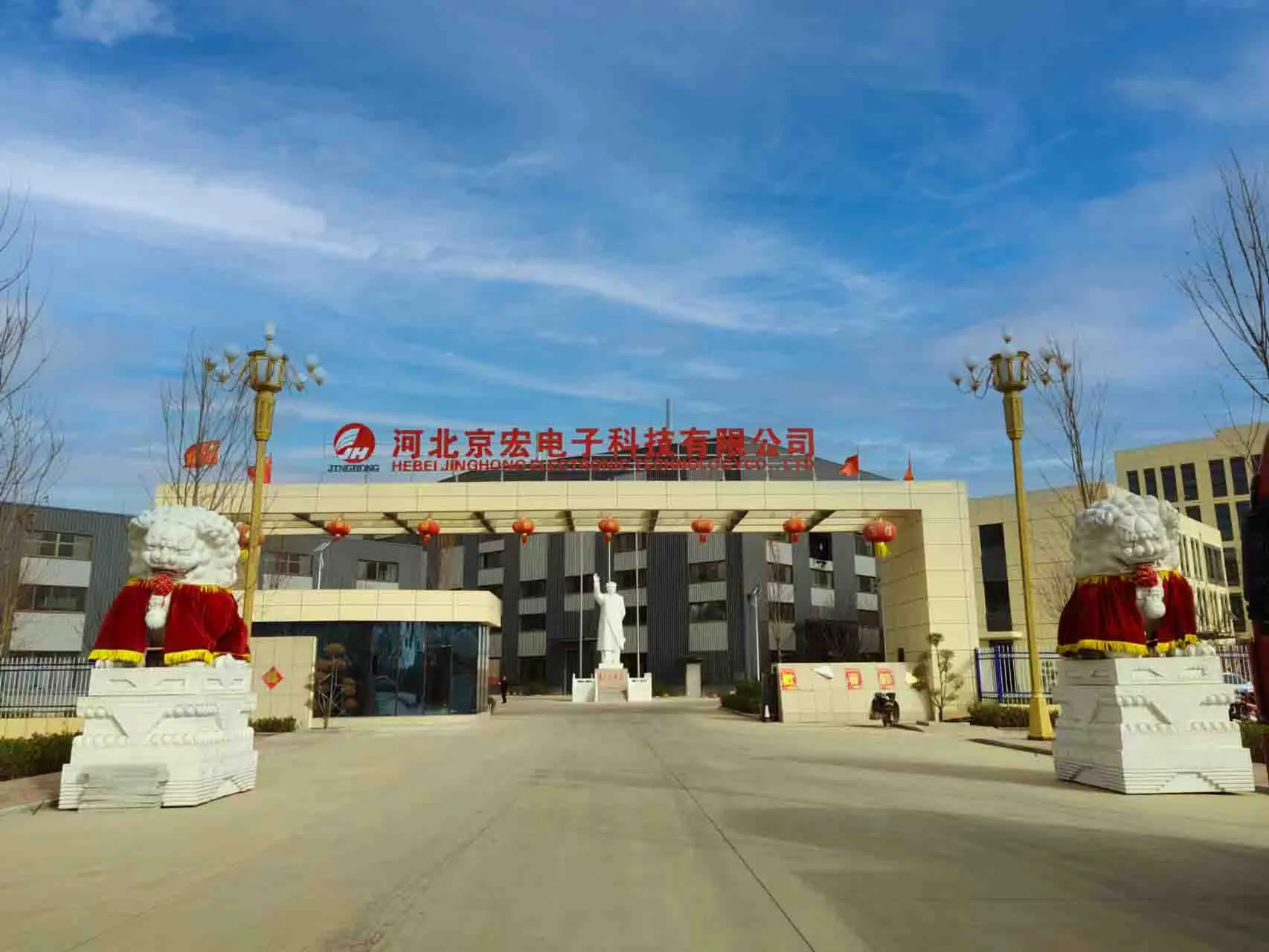
J&Q New Composite Materials Company