Epoxy Sheet CNC Machining: Tools, Techniques, and Safety Tips
To use CNC to machine epoxy sheet, you need to know a lot about choosing the right tools, setting the feed parameters, and following safety rules at work. These high-performance composite materials, like FR4 epoxy boards and G10 glass-reinforced sheets, need precise methods to get clean edges, keep the dimensions within the acceptable range, and keep workers from breathing in resin dust. When procurement teams and engineering managers understand how material science and machining methods work together, they can improve production processes while also making sure that regulations are followed and workers are safe in electrical, industrial, and car manufacturing settings.
Understanding Epoxy Sheets and Their Role in CNC Machining
What Makes Epoxy Laminates Distinct
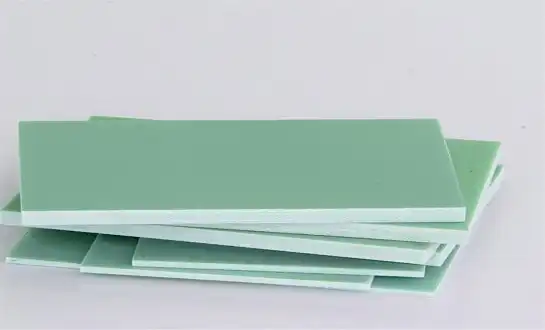
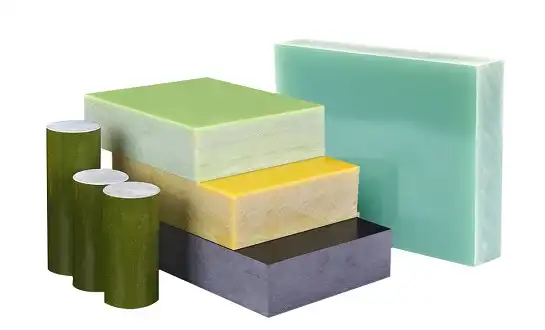
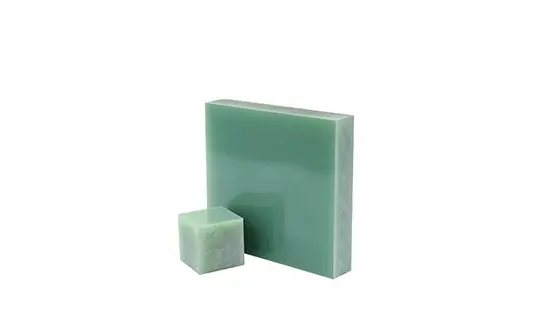
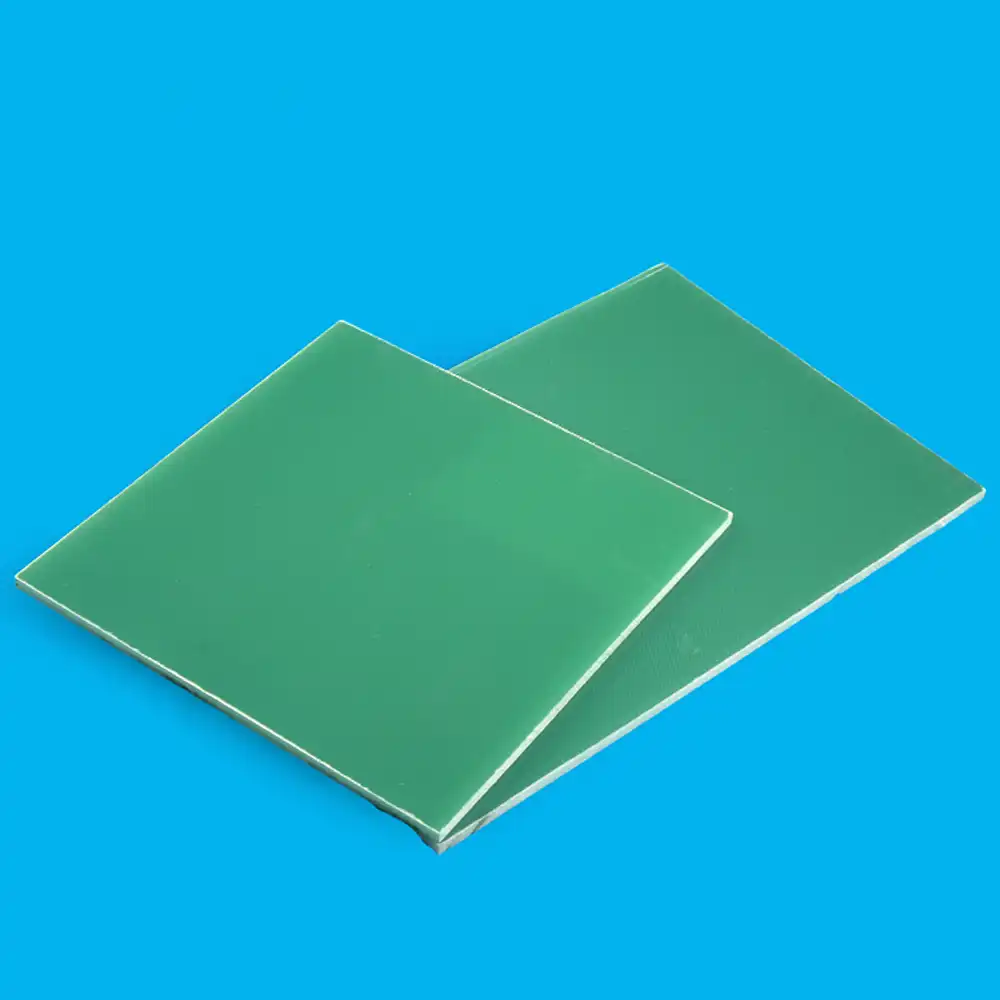
Combining continuous thread glass cloth with epoxy resin binders, the epoxy sheet is a thermosetting material that is made under high pressure. Thermoplastic materials weaken when heated again, but these laminates cure in a way that can't be undone when they are made. This cross-linking of molecules makes a stiff structure that is very strong in terms of both dielectric strength and mechanical stability. According to NEMA standards, these materials are divided into grades such as G10, FR4, G11, and FR5. Each grade is designed to meet certain electrical and heat performance standards. The glass fiber support gives the material mechanical strength, and the resin matrix protects it from chemicals and keeps its shape even when the temperature changes.
Why CNC Machining Suits Epoxy Composites
When making resin laminates, accuracy is important, and CNC technology can help with that. The material is very hard, and the glass strands are very rough, so normal cutting tools get dull very quickly when using traditional methods. Computer-controlled machining makes sure that complicated shapes are always accurate. This is very important when making PCB substrates that need to be accurate to the micron level or transformer barriers that need to have exact arc resistance spacing. The automatic method cuts down on mistakes made by hand when drilling patterns, makes sure that the quality of the edges stays the same across production batches, and lets custom insulation parts be quickly prototyped. When compared to traditional fabrication methods, this method gives procurement workers more clear lead times and less material waste.
Industrial Applications Driving Demand
Machined epoxy parts are used in manufacturing for tasks where failing would have serious effects. To stop flashover in high-voltage switchgear, power distribution networks use carefully cut insulation walls. This is because even small changes in size could weaken the system. In the car business, FR4 sheets are cut into battery pack separators that have to be able to handle changes in temperature while still keeping the electricity separate. Electronics makers need PCB boards that have been CNC-drilled and have holes placed exactly where they need to be for mounting components and wiring traces. People who build machines use epoxy gears and bearings for chemical handling equipment because the material doesn't rust in places where metal would rust. For each use, precise measurements are needed, which can only be met effectively by CNC methods on a large scale.
Essential CNC Machining Tools for Epoxy Sheets
Cutting Tool Materials and Geometries
When cutting epoxy sheet, picking the right tools has a direct effect on the quality of the surface finish and how efficiently the job is done. Carbide end mills with polished blades last longer than high-speed steel options because they don't build up as much resin. The sharp edges cut through the glass fibers without pulling or tearing them, which keeps the sides from delaminating. When working with large amounts of data, diamond-coated cutter bits greatly increase the life of the tools, but they cost more at first. The shape of the tool is important. Compression bits with upcut and downcut swirls make the top and bottom areas clean at the same time, which cuts down on the need for extra finishing steps. When buying cutting tools, procurement teams should check the certifications of the suppliers to make sure that the standards for steel and edge preparation are always met.
Optimal Machine Parameters
For machining to work, the machine speed, feed rate, and depth of cut must all be balanced to meet the properties of the material. Higher RPM ranges—usually between 18,000 and 24,000 revolutions per minute—lower the cutting forces and heat production in the tough plastic material. Feed rates of 80 to 120 inches per minute remove material quickly without putting too much stress on the tips of the tools. Shallow depth passes, usually 0.040 to 0.080 inches per pass, keep the heat from building up too much and burning the resin or cracking the glass support very small. When you use climb milling, where the cutter rotates in the same way as the feed, the edge quality is better than when you use normal milling. These settings need to be changed depending on the type of laminate and its thickness. For example, FR4 reacts differently to higher-temperature G11 formulas because the glue chemistry is different.
Cooling and Dust Management Systems
Cooling strategies that work stop heat damage and control the airborne particles that are made during cutting. A compressed air blast aimed at the cutting zone gets rid of chips and heat without adding wetness, which could make it harder for epoxy to stick to composite structures. When mist cooling systems work with resin chemistry, they extend the life of tools and improve surface finish. However, the right fluid must be chosen so that it doesn't react chemically with the epoxy matrix. Adding dust collection becomes important for the health of the user and for keeping the machine in good shape. High-efficiency particulate air (HEPA) filter removes glass fiber dust smaller than 0.3 microns, protecting workers' lungs and keeping machine slides and bearings cleaner. For production settings, vacuum clamps that hold workpieces and remove dust at the cutting point at the same time are very useful.
Effective CNC Machining Techniques for Epoxy Sheets
Material Preparation and Fixturing
The right way to prepare a project is the key to getting accurate measurements and a smooth surface. Epoxy sheet surfaces that are clean and free of oils or residues make fixing things in place easier and stop contamination from spreading to final parts. Vacuum table hold-down devices spread the binding force evenly across the laminate surfaces. This keeps stress from building up in one area, which could cause cracks in the brittle matrix. When vacuum fixturing isn't enough for thin sheets that tend to vibrate, extra mechanical clamps placed outside of the cutting lines add extra stiffness. Some makers put spare backing boards under the pieces they are working on to stop exit-side tearout when they are drilling through holes or routing full-depth profiles. This backing support lets the tool cut cleanly through the material without breaking the edges.
Cutting and Drilling Best Practices
To make precise cuts in epoxy laminates, you need to pay attention to how you work the tools and plan your cuts. Instead of falling vertically, ramping into cuts gradually lowers the shock load on the tool edges and keeps stress concentrations in the object to a minimum. Making sure that the chip load per tooth stays the same throughout the process keeps the cutting forces even and stops the tool from wearing out faster due to changing loading cycles. When drilling, peck cycles that remove chips from flute channels and let them cool are very important, especially for small holes where heat can't easily escape. Specialized step drills make holes in circuit board materials that are cleaner than holes made with regular twist drills because they have chamfered entry, which stops burrs from forming. When making hole patterns, the order in which the holes are drilled is important—working from the center outward keeps the structure's stability longer during cutting.
Managing the quality of the surface finish means keeping an eye on a number of things that are all connected to each other during the grinding process. Sharp tools naturally make better finishes, so replacing them on a regular basis based on the amount of linear footage they've handled is a more accurate method than waiting for wear to show. Most of the time, climb milling direction gives better edge quality than regular cutting in epoxy materials because the motion of the tool pushes fibers into the cut instead of lifting them. Surface ripples that are caused by changes in machine control motion can be avoided by keeping the feed rate constant. For some uses, like sealing surfaces in electrical enclosures, extra processes like sanding or polishing are needed to get the surface roughness to a certain level. Machinists can improve main cutting parameters instead of depending heavily on finishing steps that add time to production when they know what the customer wants early on in the planning phase.
Addressing Common Machining Challenges
Glass fiber materials have special problems that need special solutions to keep quality standards high. Too much cutting force or dull tools can cause delamination at the edges of cuts. Checking the spinning load gives you an early warning before flaws show up. When making multi-ply laminates, the layers often separate because the material wasn't supported well enough or because the speeds were too slow. When heat production is higher than heat disposal capacity, darkened edges show that resin is burning. This means that feeds are too slow or speeds are too high for the tool and material mix. Dimensional drift between production runs could be a sign of heat expansion from changes in the environment or the machine itself. Tight-tolerance work needs to be done in climate-controlled settings. Usually, changes in exit-side support or changes to the shape of the drill point cause burrs to form around made holes.
Safety Precautions When Machining Epoxy Sheets
Chemical Exposure and Respiratory Protection
When machines are used, they make tiny particles that can be dangerous to breathe in because they contain glass fibers and pieces of finished epoxy resin. Epoxy sheet dust can make people more sensitive to it in their lungs, which can lead to workplace asthma after repeated contact. Smaller pieces of glass (less than 5 microns) stay in the air longer and get deeper into lung tissue than bigger pieces. Regulatory bodies, such as OSHA, set limits on how much nuisance dust people can be exposed to. These limits are usually 15 mg/m³ for total dust and 5 mg/m³ for respirable parts. As the major protection against noncompliance, technical controls are needed. Source capture ventilation in machining centers, along with building air exchanges, keep concentrations below action levels. When engineering rules aren't enough to make sure compliance, respiratory safety is needed. N95 filtering facepiece respirators offer the bare minimum of protection against epoxy dust, but powered air-purifying respirators are more comfortable to wear for long periods of time.
Personal Protective Equipment Requirements
Comprehensive PPE guidelines cover more than just respiratory protection. They also cover contact risks and other ways people can get exposed. Safety glasses with side screens keep particles from getting into the eyes while cutting, especially when chips are being sucked out with compressed air. Workers who are already sensitive to epoxy dust may get rashes from touching it. When handling made parts, it's best to wear long sleeves and gloves. For most uses, disposable nitrile gloves are the right mix of chemical protection and flexibility. However, breakthrough times can vary depending on the resin formulation. When using CNC equipment in small areas, hearing protection is needed because spindle noise levels often go above 85 dBA, which means that conservation plans are needed. Work clothes should stay at the location and not be worn home to keep contaminated dust from getting into homes. Laundry services for shop clothes lower the risks of family exposure.
Workplace Air Quality and Waste Management
To keep the air safe, you need to keep an eye on the amounts of particles and make sure the ventilation system works right. Direct-reading dust monitors give engineers real-time information on how well their controls are working, so they can make changes right away if amounts rise during strange activities. Because loading rates change with production output, HEPA filtration systems need to update filters on a frequent basis based on differential pressure monitoring instead of random schedules. Some places put negative pressure containers around CNC machines to keep dust inside where it starts, before it gets into the air in the workshop as a whole. According to local rules, collected dust and machine waste must be thrown away properly. Cure epoxy is usually not dangerous, but large amounts may require reporting or a manifest. Responsible makers keep track of how much trash they make and look into recycling options when they are technically possible. This helps meet sustainability goals, which are becoming more and more important to business buying policies.
Procurement Guidance: Choosing the Right Epoxy Sheets and CNC Solutions
Material Specification and Quality Indicators
Choosing the right laminate grades means matching the qualities of the material to the needs of the application and the machine's ability to work with it. FR4 sheets are commonly used in electronics because they don't catch fire and are cheap. They come in different glass transition temperatures to handle different temps. When flame retardancy is not needed, G10 grades give the same level of mechanical strength at a lower cost. Higher-performance G11 materials keep their features at high temperatures, making them good for motor insulation parts that are constantly heated. When working with multiple sheets, tighter standards mean fewer changes need to be made to the fixtures. This directly affects how efficiently the machine is set up. Material packages should come with certification paperwork that proves they meet UL standards, RoHS limits, and important size requirements for planning production.
Evaluating CNC Service Providers
When looking for skilled machining suppliers, it's important to look at their professional skills beyond just owning the right tools. The state of a machine tool and how it is kept have a direct effect on the standards and finishes that can be achieved. Well-maintained tools with little backlash and stable temperatures give uniform results across production runs. Programming skills are needed to turn design intentions into effective tool paths that cut down on cycle time while keeping quality high. Certification for quality systems, like ISO 9001, means that the process is controlled and documented in a way that meets the needs of tracking standards in regulated industries. When purchasing teams have to deal with seasonal changes in demand, capacity planning is very important. Suppliers who have enough backup tools and flexible schedule can meet urgent needs without lowering the quality of their work. Logistics prices and lead times are affected by how close two locations are to each other. However, for complex geometries or rare materials, specialized skills may support longer supply chains.
Building Strategic Supplier Relationships
Long-term relationships with material providers and machining services are more valuable than one-time purchases. When new laminate formulas or machining technologies come out that could improve performance or lower prices, suppliers who know how their customers use their products will make suggestions. When problems appear during production, collaborative partnerships allow both parties to work together to find solutions. Experienced providers can often find the root causes faster than customers working alone. When the market is tight, volume agreements usually let you get better prices and sure capacity allocation. Technical support access speeds up the development of new products by letting designers do machine tests and gather information about the materials early on in the design process. Procurement workers should check the financial security of suppliers and make sure they have a plan for business survival. If they move sources in the middle of a project, there could be delays in approval and changes in performance. Regular business reviews keep everyone on the same page about what is expected in terms of quality, service, and new needs that will affect future buying choices.
Conclusion
To CNC-mill epoxy sheet successfully, you need to know a lot about materials science, be able to control the process precisely, and follow all the safety rules. To get accurate measurements and protect workers' health, engineering managers and procurement experts need to look at the choices of tools, the conditions for machining, and the capabilities of suppliers. When you have the right tools, trained workers, and good materials, you can make things that are reliable and efficient for uses like heat management, electrical protection, and mechanical parts. Companies that put money into the right engineering controls, keep strict material specs, and build smart partnerships with suppliers are in a good position to meet high performance standards and keep the total cost of ownership low.
FAQ
How do epoxy sheets differ from polyester alternatives in CNC machining?
When it comes to mechanical strength and physical stability, epoxy-based laminates are better than polyester formulas, especially when temperatures are high. The epoxy matrix stays stiff and doesn't conduct electricity over a bigger range of temperatures, which makes it better for motor and power distribution uses. Machining behavior is also different. For example, epoxy materials usually make smaller dust particles that need better respiratory protection, while polyester may make stringier chips based on the recipe. Polyester sheets are cheaper per pound, but they often need bigger cross-sections to be as strong, which could cancel out the initial cost savings.
What curing considerations affect machining operations?
Epoxy laminates that are fully cured are easier to make than materials that are only partly cured and are still going through post-cure reactions. Part precision may be affected if the curing process isn't finished completely, which can lead to changes in size after machining as leftover stress relaxes. Moisture absorption in sheets that aren't fully dried can create steam during cutting, which can lead to heat buildup and internal holes or delamination. Reliable providers give materials with known cure times and moisture content levels that make sure stable machine performance.
Do colored and clear variants require different machining approaches?
Technically, colored epoxy sheets can be machined the same way as natural glass-fiber colors because the fillers don't change the cutting forces or tool wear rates that much. Checking the quality of the edges visually is easier on colored materials because burning or resin smearing stands out more against backgrounds that are different from the color. Some laminates contain clear casting resins that may have different thermal qualities than standard formulations. This could mean that different cooling methods are needed. On the other hand, industrial-grade sheets can be processed in the same way no matter what color they are.
Partner with J&Q for Superior Epoxy Sheet Solutions
J&Q has been making insulation materials for more than 20 years and has also been trading internationally for ten years. They serve electrical equipment makers, industrial machinery builders, and auto part sellers all over North America. Because we know a lot about FR4, G10, and other specialized epoxy sheet grades, we can give you accurate material suggestions that meet your CNC machine needs and end-use performance expectations. We have strict quality control methods that make sure that the thickness tolerances, dielectric strength, and flame resistance properties stay the same from batch to batch. These are important for both speed in production and following the rules. Our combined logistics skills make it easier for busy engineering and sourcing teams to buy things across borders by streamlining the shipping and paperwork process.
As a committed provider of epoxy sheets, we help your technical teams throughout the whole process of making a new product, from choosing the materials to making sure that the production runs smoothly. You can email our applications engineering team at info@jhd-material.com to talk about your machine problems, get material specs, or get quotes for large orders. We are dedicated to providing the consistent materials and quick service that keep your manufacturing activities going smoothly.
References
Chen, L., & Wang, H. (2021). Advanced Composite Materials Processing: CNC Machining Strategies for Fiber-Reinforced Thermosetting Polymers. Industrial Manufacturing Press.
National Electrical Manufacturers Association. (2020). NEMA LI 1-2020: Industrial Laminating Thermosetting Products. NEMA Standards Publication.
Patel, R. K., & Thompson, J. D. (2022). "Tool Wear Mechanisms in Glass Fiber Reinforced Epoxy Machining: A Comparative Study." Journal of Manufacturing Science and Engineering, 144(8), 081005.
Occupational Safety and Health Administration. (2019). Respiratory Protection Standard 29 CFR 1910.134: Compliance Guide for Composite Material Processing. U.S. Department of Labor.
Martinez, S., & Liu, Y. (2023). "Optimizing CNC Parameters for FR4 Printed Circuit Board Substrate Fabrication." International Journal of Advanced Manufacturing Technology, 127(5-6), 2341-2356.
Williams, E. T. (2020). Industrial Insulation Materials: Properties, Applications, and Processing Techniques. Technical Publications International.

Get a complete product list and quotation

J&Q New Composite Materials Company