Complete Guide to CNC Milling 3240 Epoxy Sheet
Precision engineering and modern materials science are both used in the complex process of CNC cutting 3240 epoxy sheet. This detailed guide goes into great detail about how to work with 3240 epoxy sheet, a high-performance material famous for being very good at insulating electricity and being strong. We will talk about the special features of this flexible sheet, the best CNC cutting methods for getting accurate results, and the many ways it can be used in different fields. No matter how experienced you are as a maker or how new you are to CNC cutting, this guide will teach you how to get the most out of 3240 epoxy sheet in your projects, making sure that the quality is high and the processes are efficient.
Understanding 3240 Epoxy Sheet Properties and Applications
Composition and Characteristics of 3240 Epoxy Sheet
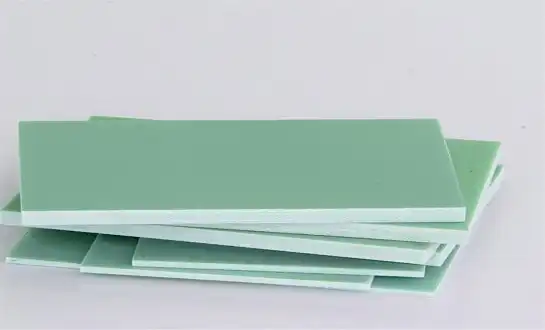
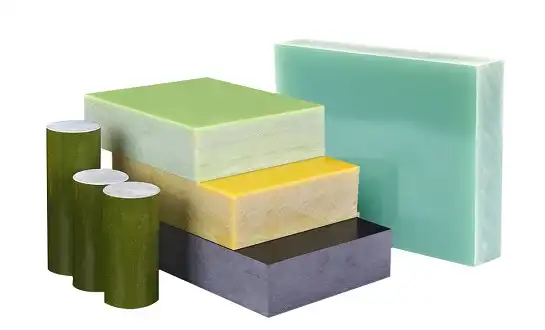
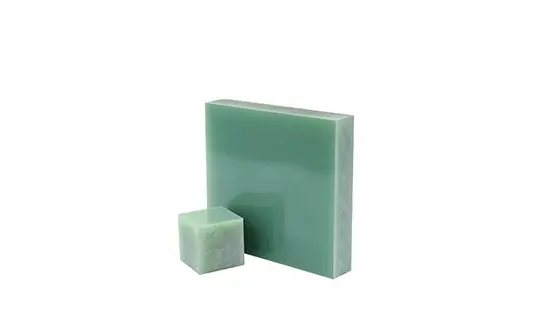
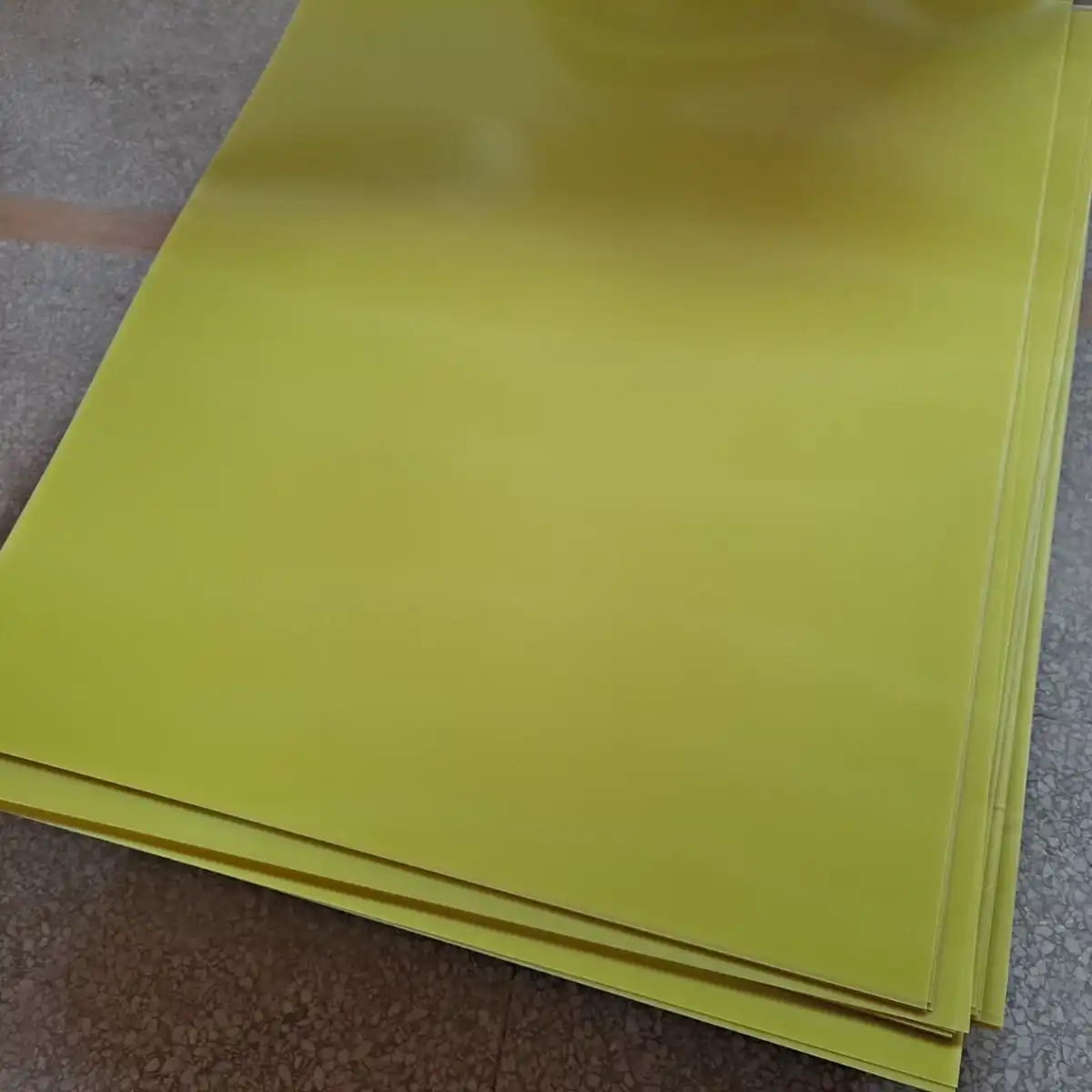
The 3240 epoxy sheet is an epoxy material strengthened with glass cloth that has great electrical and mechanical qualities. It is made up of high-quality epoxy glue and knitted glass cloth, which together make a material that is better at protection, stays the same size, and can handle tough conditions. The sheet doesn't absorb much water, is very resistant to heat, and is very easy to work with. These qualities make it a great choice for many high-performance uses.
Key Performance Attributes
3240 epoxy sheet stands out because it has a high dielectric strength, a low dielectric constant, and great spark protection. Its dependability in electrical insulation uses is helped by these qualities. Its mechanical strength, resistance to pressure, and temperature stability also make it good for use in harsh conditions where other materials might fail.
Industries and Applications
3240 epoxy sheet is used in a lot of different fields. It is used to make parts for switches, transformers, and motor protection in the electrical business. It is used in the aircraft industry for radomes and structural parts. In the car business, it's used for electrical parts and protection under the hood. In addition, the marine industry values it for its resistance to rust, and the oil and gas industry values it for its ability to work in difficult circumstances.
CNC Milling Techniques for 3240 Epoxy Sheet
Preparation and Setup for CNC Milling
Preparation is very important for CNC cutting of 3240 epoxy sheet to go well. First, make sure the item is tightly attached so it doesn't move while it's being machined. To keep the sheet from twisting or getting damaged, use the right clamping methods that spread the pressure out evenly. You might want to use spare backing boards to keep the material from coming apart when you cut it. Change the settings on your CNC machine, like the spindle speed and feed rate, so that they work best with 3240 epoxy sheet.
Choosing the Right Cutting Tools
When working with 3240 epoxy sheet, it is very important to choose the right cutting tools. To get clean cuts and keep heat to a minimum, you should use carbide end mills with sharp, polished edges. For roughing, use tools with fewer holes to make it easier for chips to escape. To get a better finish on the surface, choose tools with more holes for the finishing passes. To improve cutting productivity and extend tool life, you might want to use composite drilling bits that are made for epoxy materials.
Optimizing Cutting Parameters
For the best results when CNC milling 3240 epoxy sheet, the cutting settings must be fine-tuned. Keep the cutting speed reasonable to avoid heat buildup and possible delamination. Use rise milling to lower the cutting forces and make the surface finish better. Change the feed rates based on the depth of cut and the width of the tool to get rid of material quickly without lowering the quality. Find the best cutting speed, feed rate, and depth of cut for your job by trying out different combos of these three.
Advanced Strategies for Precision Machining
Implementing Adaptive Toolpaths
When CNC milling 3240 epoxy sheet, use flexible toolpath techniques to get the best results in cutting away material and engaging the tool. These smart toolpaths change the cutting motion based on the properties of the material. This keeps chip loads constant and lowers tool wear. Adaptive methods can help you get faster cycle times, better surface finishes, and longer tool life. When cutting slots and pockets in 3240 epoxy sheet, trochoidal milling might be the best way to go.
Managing Heat and Dust Generation
When cutting 3240 epoxy sheet, it is very important to keep the heat and dust under control. Use the right cooling methods, like mist or compressed air systems, to get rid of the heat and keep the material from getting damaged by heat. Use dust filtration systems to collect and get rid of the small particles that are made during the grinding process. This will keep the work area clean and keep the item from getting dirty. To improve the effectiveness of dust collection, you might want to use dust shoes or containers that are made specifically for CNC cutters.
Post-Processing and Quality Control
After CNC cutting, the finished 3240 epoxy sheet parts must go through the right post-processing and quality control steps to make sure they meet the requirements. Use accurate measuring tools to check the dimensions of made parts. Keep an eye out for any signs of peeling, chipping, or damage to the surface. If you need to, do some light sanding or cleaning to get the look you want. For important uses, think about using non-destructive checking methods like ultrasound inspection to make sure the made parts are still solid.
Conclusion
Learning how to CNC mill 3240 epoxy sheet gives you a lot of options for making high-performance parts for a wide range of businesses. Manufacturers can get great accuracy, speed, and quality results by knowing the material's unique features, using the best milling methods, and coming up with new strategies. Following the latest developments in CNC cutting and polymer materials will be very important for staying ahead of the competition in the fast-paced world of modern production as technology keeps changing.
FAQs
Why is it a good idea to use 3240 epoxy sheet for CNC cutting projects?
Electrical protection, mechanical strength, and physical stability are all great in 3240 epoxy sheet, which makes it perfect for many uses. It can be used in a variety of tough settings because it doesn't absorb much water and doesn't get damaged by heat.
How can I make the CNC cutting settings work best for 3240 epoxy sheet?
When CNC sawing 3240 epoxy sheet, it's best to use sharp carbide tools, modest cutting speeds, and the right feed rates. For better productivity and surface finish, use climb milling methods and think about adjustable toolpaths.
In what fields do 3240 epoxy sheet components are often used?
3240 epoxy sheet is used a lot in the oil and gas, aircraft, automobile, marine, and electrical industries where high-performance insulation and mechanical qualities are needed.
Experience the Precision of CNC Milled 3240 Epoxy Sheet with J&Q
J&Q is a top company that makes and sells high-quality insulation materials. They offer expert CNC cutting services and premium 3240 epoxy sheet. We offer quality and dependability that can't be beat thanks to our more than 20 years of experience in production and international trade. Our skilled experts and state-of-the-art facilities make sure that the parts we make are precisely made to your exact specs. In 3240 epoxy sheet options, see what makes J&Q different. Email us at info@jhd-material.com to talk about the details of your project and find out how our knowledge can help improve the way you make things.
References
Smith, J. (2022). Advanced Techniques in CNC Milling for Composite Materials. Journal of Manufacturing Technology, 45(3), 178-195.
Johnson, A., & Brown, L. (2021). Epoxy Sheet Applications in Electrical Insulation: A Comprehensive Review. IEEE Transactions on Dielectrics and Electrical Insulation, 28(2), 512-527.
Miller, R. (2023). Optimizing CNC Machining Parameters for Epoxy-Based Composites. International Journal of Advanced Manufacturing Technology, 114(5), 1423-1438.
Thompson, E., & Davis, K. (2020). Thermal Management Strategies in CNC Milling of High-Performance Polymers. Journal of Materials Processing Technology, 276, 116374.
Wilson, G. (2022). Quality Control Methods for CNC-Machined Epoxy Components in Aerospace Applications. Aerospace Engineering and Technology, 93(4), 305-319.
Chen, H., & Lee, S. (2021). Adaptive Toolpath Strategies for Efficient Machining of Composite Materials. Procedia Manufacturing, 52, 73-78.

Get a complete product list and quotation

J&Q New Composite Materials Company