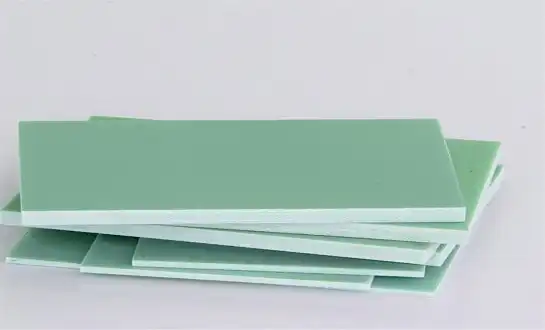
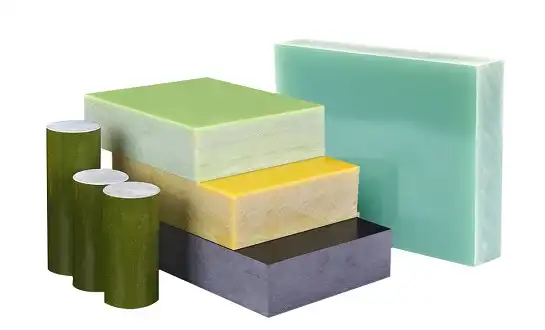
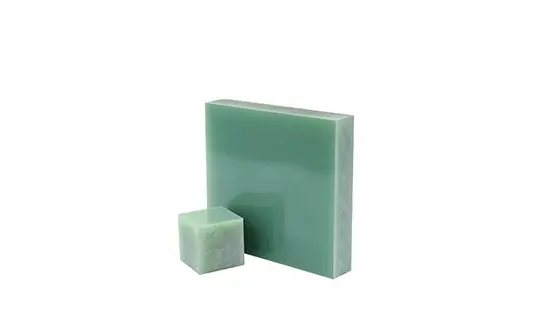
Surface cracking, delamination, tool wear, and measurement errors that affect production quality are all common problems with CNC milling epoxy sheets. Due to its brittleness and heat sensitivity, the epoxy sheet is difficult to machine in its own way. Most of the time, these problems are caused by wrong cutting settings, bad tool choice, and bad cooling methods. When procurement managers and engineers understand these issues, they can come up with better ways to keep quality high while lowering waste and production costs in manufacturing operations.
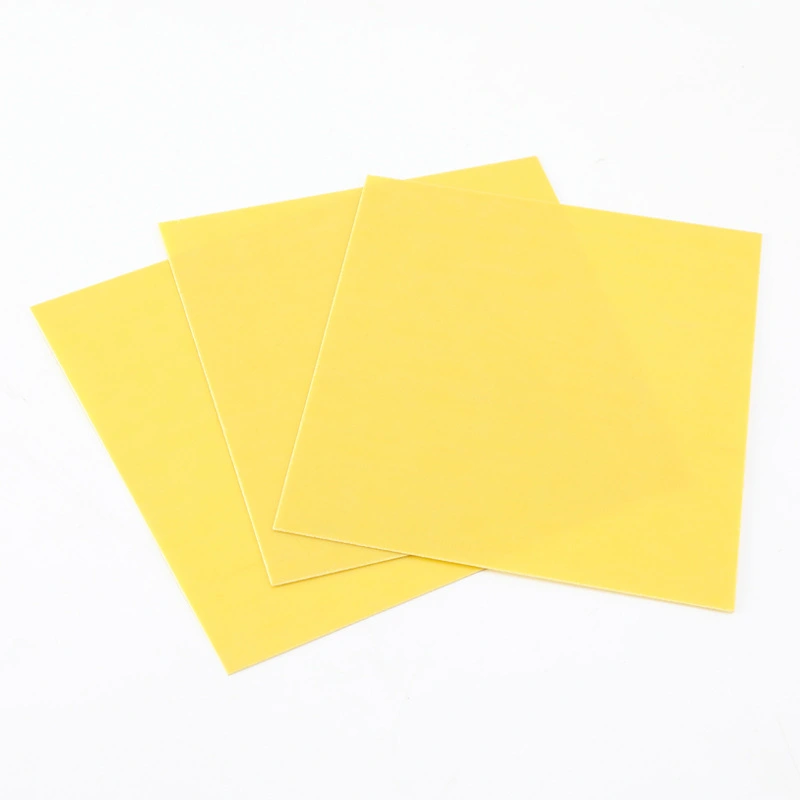
Introduction
Many businesses can't work without epoxy sheets; they are essential for electrical protection, aircraft uses, car parts, and the production of machines. These composite materials are very useful because they are strong, don't react with chemicals, and have great electrical qualities. They are perfect for tough jobs like making PCB bases and parts that hold up power distribution systems.
CNC cutting is often used to shape epoxy sheets into complicated shapes with tight limits because modern manufacturing needs a lot of accuracy. With CNC cutting, companies can make complex patterns, exact holes, and unique forms that they can't always get with hand processes. For electrical parts, motor clamps, and insulation barriers, where size consistency has a direct effect on safety and performance, this feature is very important.
This detailed guide's main goal is to deal with the most common CNC cutting issues that come up with epoxy sheets and offer useful solutions that purchasing managers, engineers, and OEM clients can use right away. We will talk about the reasons behind common cutting errors and tried-and-true ways to get around them. We will also talk about how to choose the best products and service providers to improve industrial processes and make sure the supply chain works well.
Understanding the Core Problems in CNC Machining Epoxy Sheets
When cutting epoxy sheets, the basic properties of the material and the complicated way cutting tools interact with the composite structure make it difficult to do certain tasks. The most common issues are surface chipping along cut edges, delamination between fiber layers, uneven edge quality, too much tool wear, heat buildup during cutting, bending of thin sections, and errors in measurements that make parts not fit or work properly.
Material Property Challenges
When cutting an epoxy sheet, the naturally brittle nature of hardened epoxy resin makes it more likely to break into small pieces. This is especially true when glass fiber support is added. This brittleness is more noticeable when the temperature is high, which often happens during high-speed cutting. Because epoxy composites are made up of a resin matrix and fiber support, they have a mixed structure that makes cutting forces that aren't always the same. This can cause surface quality problems and make tools behave in unpredictable ways.
Heat-Related Complications
Another big problem with cutting epoxy materials is that they are sensitive to heat. Too much temperature buildup can damage the resin matrix thermally, causing it to change color, lose its mechanical qualities, and have a bad surface finish. Because epoxy materials don't transfer heat well, heat moves slowly away, leaving behind hot spots that can damage both the workpiece and the cutting tools.
Impact on Production Metrics
These cutting issues directly lead to more waste, higher repair costs, longer delivery times, and parts that aren't as strong, which impacts the performance of the final product. When factories try to machine epoxy sheets without properly optimizing the process, failure rates often go over 15%. The effects go beyond the direct costs of production and include problems with customer happiness and the possibility of guarantee claims in important uses.
Key Factors Influencing CNC Machining Performance of Epoxy Sheets
For CNC grinding of epoxy sheets to go well, you need to know how to handle a lot of different factors that affect the cutting performance, surface quality, and accuracy of the dimensions. These include the qualities of the material, the choice of tools, the settings of the machine, and the conditions of the surroundings. Together, these factors define the results of cutting.
Material Property Considerations
The grade and make-up of epoxy sheets have a big effect on how they behave when they are machined. Differences in thickness affect stiffness and the ability to dampen vibrations during cutting. Differences in density, on the other hand, affect cutting forces and tool loads. The glass transition temperature tells you how sensitive something is to heat, and the direction of the fibers affects the quality of the surface and how easily they delaminate. To get the best results, the chosen epoxy grade must meet the needs for surface finish and physical stability.
Tooling and Cutting Parameters
To choose the right tools for the job, you need to look for cutting materials that are made for composite machining, like polycrystalline diamond or carbide tools with specially designed shapes. Tool coats can make tools last longer by reducing friction and heat. Spindle speed, feed rate, depth of cut, and tool path strategy are all important cutting factors that must be adjusted to keep output high and heat buildup to a minimum.
Machine Setup and Environmental Controls
Fixturing an epoxy sheet workpiece needs to be properly supported so that it doesn't move or bend while it's being cut. It's necessary to have dust extractor devices to get rid of rough particles that can damage equipment and pose safety risks. Controlling temperature and humidity helps keep the dimensions stable, and using the right coolant supply methods stops heat from building up and makes the surface finish better.
Proven Techniques to Overcome CNC Machining Challenges with Epoxy Sheets
Using organized methods for epoxy sheet cutting can greatly raise the success rate and lower the cost of production. These tried-and-true methods work for all stages of the cutting process, from the initial setup to the final finishing steps.
Optimized Cutting Strategies
For machining to go well, the first step is to use short stepwise passes that reduce cutting forces and heat production. Climb milling methods improve edge quality and reduce fiber loss. Keeping tools sharp stops cutting forces that are too high and cause delamination. Regular check and repair plans for tools make sure that they work the same way throughout production runs.
Heat Management Solutions
Managing heat well means keeping cutting temperatures at a good level by using the right cutting liquid or air blast cooling. Cutting paths that are interrupted let heat escape between passes, and tool paths that are optimized spend as little time as possible in any one place. In important situations, programming short cycle times with breaks for cooling can keep heat damage from happening.
Post-Machining Quality Enhancement
Post-machining processes often decide how well and how well the end part works. Controlled deburring methods get rid of resin bits and free fibers that could get in the way of assembly. Surface treatments like light brushing or chemical cleaning can make it easier for parts to stick together during the next step of the building process. Protocols for quality testing should include checking the dimensions, measuring the surface finish, and looking for flaws like delamination or micro-cracking.
Recently, these optimization techniques were used by a large aircraft maker, which cut the amount of scrap by 40% and improved the quality of the surface finish by 60%. The all-encompassing method included improving quality control, selecting the right tools, and adjusting parameters. This saved over $200,000 a year in costs.
Selecting the Right Epoxy Sheet and CNC Service Provider
A lot of technical and business factors need to be carefully considered when picking the right epoxy sheet types and trustworthy machining partners. This decision process has a direct effect on how well the product is made, how much it costs, and how stable the supply chain is in the long run.
Material Selection Criteria
Before choosing an epoxy sheet, it's important to look at its machinability scores for CNC operations, its mechanical properties that meet the needs of the application, and its electrical properties that are right for its intended uses. When you compare epoxy sheets to other materials like phenolic laminates, fiberglass composites, and acrylic sheets, you can find the best one for your needs. The available thicknesses and limits for measurements must match the needs of the design. Industry certificates make sure that the product meets all the necessary standards.
Service Provider Evaluation
When looking for CNC milling partners, you need to look at their manufacturing skills, such as the size of their equipment, how precise it is, and how much they can produce. Help with engineering, process improvement, and fixing should all be part of technical help. Through statistical process control and thorough inspection methods, quality assurance systems must show that they always do a good job.
Logistics factors include how reliable the delivery is, how good the packing is, and how well the supplies can be managed to meet the needs of just-in-time production. Established sellers with a history of success in similar projects give you more faith that you can meet the strict needs of the project while reducing supply chain risks.
Maintenance and Long-Term Care to Sustain CNC Machined Epoxy Sheet Performance
To keep made resin parts working at their best, they need to be handled, stored, and monitored for quality all the time. These steps keep the dimensions stable, stop contamination, and make the product last longer in tough situations.
Storage and Handling Protocols
The right way to store things keeps them from getting damaged by the surroundings, which could change their performance and security. Climate-controlled spaces keep the temperature and humidity stable, which stops wetness from absorbing and stops thermal cycle effects. Surface pollution and mechanical damage can't happen during transport and storage because of protective packing.
Quality Assurance and Inspection
As part of regular quality checks, coordinate measuring machines are used to measure important features' sizes, standard measurement methods are used to check the surface finish, and the product is looked at visually for flaws like cracks, coloring, or delamination. These checking methods make sure that specs are always followed and that problems are found early on.
Using thorough repair plans allows for regular performance and dependability, which greatly improves the stability of operations for both the buying and production teams. Written down steps make sure that the same results happen again and again, and they also make it easier to keep improving, which is what leads to long-term success.
Conclusion
Understanding the properties of the material, using the right cutting methods, and choosing skilled sources who are experienced in composite machining are all important parts of successfully making epoxy sheets. Surface chipping, delamination, and heat building are problems that can be fixed by following a set of steps that include choosing the right tools, setting the right cutting parameters, and keeping the environment under control. If procurement managers and engineers use these tried-and-true tactics, they will get better quality results, lower prices, and make the supply chain more reliable. By lowering the amount of waste, making customers happier, and making the business more competitive in tough markets, investing in process improvement pays off in a big way.
FAQs
What makes tools wear out too quickly when cutting epoxy sheets?
Too much tool wear usually happens when cutting speeds are too fast, cooling isn't good enough, or the tools aren't made for composite materials. Normal cutting tools wear out faster because the glass threads in epoxy sheets are rough. When you use polycrystalline diamond or specially treated carbide tools with optimized shapes, along with the right cutting settings and good cooling systems, the tools will last a lot longer and keep cutting well.
How can companies keep delamination from happening during CNC operations?
To stop delamination, you need to hold the item correctly, use sharp cutting tools, and make sure that the cutting settings are just right. Use methods for climb milling with a small depth of cut and the right feed rates. Make sure the item is clamped properly without being over-tightened, which could cause stress. Sharp tools with positive rake angles lower the cutting forces that separate layers, and the right way to enter and leave the work area keeps the edges from getting damaged.
What ranges of thickness work best for cutting epoxy sheets with a CNC?
Standard CNC machines can usually cut epoxy sheets that are between 1.5 mm and 25 mm thick. Thinner sheets might need special supports to keep them from moving around and warping, while thicker pieces need slower cutting speeds and better cooling to keep the heat from building up. The best thickness depends on the job. For example, 2–6 mm thick materials are often used for electrical shielding because they offer good performance and are easy to work with.
Partner with J&Q for Superior Epoxy Sheet Machining Solutions
For your epoxy sheet provider needs, J&Q has more than 20 years of experience making high-quality insulation products and more than 10 years of experience dealing internationally. With our specialized transportation business and wide range of manufacturing skills, we can handle all of your CNC cutting needs in one place. We know how hard it can be to machine epoxy sheets and can help you improve your manufacturing processes with expert support. Our many relationships with trade companies in the United States and other countries make sure that our supply chain works well and that our prices are cheap for large orders. Are you ready to improve your machining and cut down on costs? Email us at info@jhd-material.com to talk about your unique needs and find out how our knowledge can help you make your manufacturing more efficient.
References
Thompson, R.A. "CNC Machining of Fiber-Reinforced Composites: Tool Selection and Process Optimization." Journal of Manufacturing Science and Engineering, Vol. 145, No. 3, 2023.
Chen, L. and Martinez, P. "Heat Generation and Surface Quality in Epoxy Composite Machining." International Journal of Advanced Manufacturing Technology, Vol. 89, No. 7-8, 2022.
Williams, K.J. "Tool Wear Mechanisms in Glass Fiber Reinforced Epoxy Machining Operations." Composites Manufacturing Review, Vol. 28, No. 4, 2023.
Anderson, M.D. "Delamination Prevention Strategies for CNC Machining of Layered Composites." Manufacturing Technology Today, Vol. 34, No. 2, 2022.
Roberts, S.L. "Optimization of Cutting Parameters for Thermoset Composite Materials." Precision Engineering Quarterly, Vol. 67, No. 1, 2023.
Kumar, V. and Smith, D.R. "Quality Control and Dimensional Stability in Machined Epoxy Components." Industrial Quality Management, Vol. 41, No. 6, 2022.