Common Challenges When Milling FR4 Epoxy Sheets and How to Solve Them
There are some technical issues with milling FR4 epoxy sheet that can affect the quality of the result and the speed of production. These flame-resistant glass-reinforced composites are used a lot in electronics and industrial shielding. Their woven fiberglass structure and hardened epoxy resin matrix give them abrasive qualities. Problems that often happen during milling include delamination, too much tool wear, edge chipping, heat damage, and differences in the sizes of the parts. To choose the right tools, cutting settings, and cooling strategies that keep the substrate's integrity while achieving tight tolerances, it's important to know the material's basic properties, like its glass transition temperature, fiber orientation, and mechanical strength.
Understanding FR4 Epoxy Sheet and Its Milling Characteristics
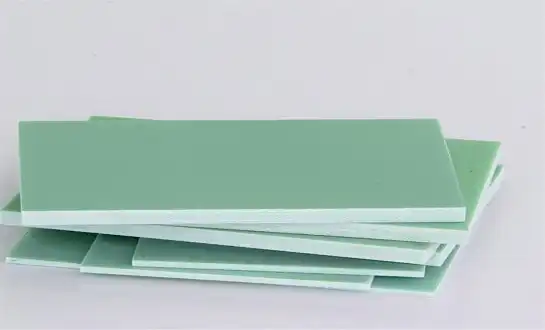
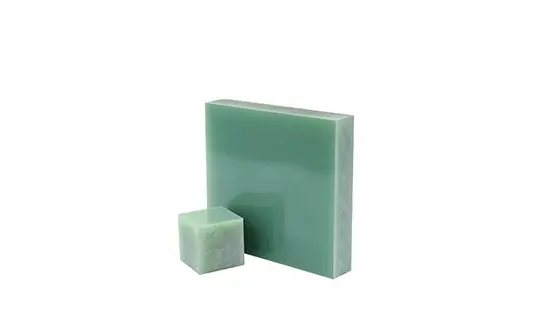
FR4 epoxy sheet is a high-pressure thermoset laminate that meets NEMA LI-1 standards. It is made of continuous woven glass cloth that has been soaked in flame-resistant epoxy resin. The letter "FR" means that it meets the flammability standards of UL 94 V-0, which sets it apart from types like G10 that are not flame-retardant. This structure is both mechanically strong and very good at blocking electricity. It has a dielectric strength of more than 50 kV and an insulation resistance of more than 500 MΩ, even when it's wet. We know that FR4 epoxy sheet's qualities make it the best material for printed circuit boards, switchgear parts, and high-voltage insulation barriers in the automobile, electronics, and power distribution industries.
Composition and Material Structure
The material is made up of several layers of E-glass cloth that have been soaked with brominated epoxy resin and then heated and pressed together to make a thick, void-free laminate. The specific gravity of this stacked construction is between 1.85 and 2.10 g/cm³, which makes it stronger and lighter than metal options. After 24 hours, water uptake stays below 0.15%, which stops swelling that could make precise machining less accurate. For standard grades, the glass transition temperature is usually between 130°C and 140°C. For high-Tg versions, it can hit 170°C or higher, which keeps the material stable during lead-free soldering processes that are popular in electronics manufacturing.
Key Properties Affecting Machinability
Milling behavior is affected by a number of inherent factors. The braided glass fiber support makes the hardness change in different directions, which changes how the tool engages in the warp and weft directions. When you mix the hardness of epoxy glue with the roughness of glass fibers, you speed up the cutting edge degradation. Low thermal conductivity (about 0.3 W/mK) makes it harder for heat to escape during cutting, which could lead to localized thermal damage or resin melting. Knowing these factors helps engineering teams predict problems that might come up during cutting and come up with ways to fix them before production runs start.
Common Milling Challenges When Working with FR4 Epoxy Sheets
It's harder to machine glass-reinforced composites than it is to machine uniform materials. The rough glass fibers quickly dull the cutting edges, and if the cutting process gets too hot, the thermosetting glue can soften and smear. From working with people who build machines and gadgets, we know that figuring out these problems early on in the planning process saves a lot of money in production delays and quality rejections.
Delamination and Layer Separation
Delamination happens when the cutting forces are stronger than the interlaminar bond strength between the layers of glass cloth. It shows up as splitting or "puffing" at the machined edges, which weakens the electrical shielding and the structure. This problem can be caused by tools that aren't sharp enough, feed rates that are too fast, or clamping that isn't tight enough, letting the workpiece vibrate. In high-voltage places like transformer barriers or arc chutes, even small delamination can let electricity flow or let water in, which can cause catastrophic field failures.
Excessive Tool Wear and Edge Degradation
Cutting tools wear out very quickly because of the silicon dioxide in E-glass fibers. Standard high-speed steel tools get dull quickly, usually within minutes of being used continuously on FR4 epoxy sheet, which leads to a rough surface finish and changes in the size of the parts being made. This means that tools have to be changed more often, which costs more in terms of downtime and work. We've seen that one of the most common mistakes newcomers to composite machining make when buying tools is not choosing the right material for the job. This has a direct effect on production costs and part accuracy.
Edge Chipping and Fiber Pull-out
Cutting tools cause exit-side chipping when they cut through the bottom surface and pull fibers instead of cutting them neatly. This makes the edges rough and fuzzy, and the glass strands stick out. This can lead to short circuits in electrical assemblies or make it hard for gaskets to seal in mechanical assemblies. In the same way, fiber pull-out on polished surfaces makes holes and rough spots on the surface that lower the contact area in busbar supports or phase barriers. This could lead to localized arcing in power distribution equipment.
Thermal Damage and Resin Degradation
When cutting, the heat can go above the glass transition temperature, which can soften the epoxy resin, make it stick to the tool, or even burn in the worst cases. This thermal damage shows up as spots range from brown to black and means that molecules are breaking down, which lowers the material's dynamic strength and dielectric qualities. It's possible for parts meant for motor insulation frames or battery pack shields in cars to fail approval tests if thermal damage isn't found during machining.
Dimensional Inconsistencies
When tool wear happens quickly or when heat expansion happens during long cutting cycles, it's harder to keep limits close. Dimensional drift builds up over multiple production batches, which raises the rate of failure and necessitates tool changes in the middle of a run, which slows down work flow. When setting quality acceptance standards with suppliers and stating tolerance bands for precision spacers or gear blanks, procurement teams must take these differences into account.
How to Effectively Solve Common FR4 Milling Challenges
To solve these machine problems, you need to use systematic optimization across a number of factors. Over the past 20 years, we've made insulation laminates and worked with CNC cutting processes, so we know which methods always make things better. These methods find a good mix between cutting quickly and keeping the quality, which makes it possible to reliably make a lot of things.
Optimize Cutting Parameters for Thermal Management
Choosing the right spinning speeds and feed rates is the first step in controlling heat production. Lower surface speeds, usually between 300 and 600 meters per minute, keep output high while lowering frictional heating. Feed rates should be controlled to make sure that each tooth has the right amount of chip load. This will stop grinding, which creates too much heat without removing enough material. A shallow depth of cut, usually between 0.5 and 1.5 mm per pass, spreads heat out over several passes instead of focusing it in one deep cut. These mixtures of parameters keep tool life high while reducing heat stress.
Select Advanced Tool Materials and Geometries
Carbide tools are much better than high-speed steel ones, and tungsten carbide types are especially good at resisting wear when machining FR4 epoxy sheet. Diamond-coated carbide tools last five to ten times longer than untreated versions. Their higher original cost is justified by the fact that they don't need to be changed out as often and the surface finish is more consistent. It doesn't matter what shape the tool is—sharp cutting edges with positive rake angles split fibers neatly instead of crushing them, and chip breaker designs help remove abrasive glass particles before they cut again and speed up wear. For through-cuts, we suggest compression-style router bits because their opposite spiral flutes apply downward and upward pressure at the same time, which reduces breaking at both the entry and exit points.
Implement Effective Cooling and Chip Evacuation
Flood cooling is often used when working with metal, but how well it works with epoxy composites needs to be carefully thought out. Water-based coolants can get into uncovered glass fibers while they are being cut, which could change their shape or cause long-term moisture absorption that weakens their electrical qualities. A lot of companies that make electronics like air blast or mist cooling systems because they get rid of heat and chips without making the material too wet. When vacuum chip extraction is placed near the cutting zone, gritty bits don't get cut again, and the cut path can be seen. Both of these things are important for maintaining quality in production settings.
Address Workpiece Fixturing and Support
Rigid binding stops vibrations from separating the layers and keeps stress from building up in places where it could break the laminate. Large panels can be clamped evenly on vacuum tables, which makes them perfect for PCB support plates or electrical insulation sheets. During through-cuts, sacrifice blocking boards hold up the object and stop the exit-side from breaking off as the tool comes out. Investing in the right fixtures pays off quickly for machine shops that make motor brackets or thermal separation parts, as the cost is quickly recouped through lower scrap rates and better dimensional stability.
Validate Parameters Through Process Testing
Conditions for making in the real world depend on the equipment's capabilities, the differences between lots of materials, and the surroundings. Before placing large orders, procurement experts should ask for cutting trials using samples of the material that will be used in large orders. These tests make sure that the seller has the right tools and knowledge to meet the limits and surface finish standards that have been set. This method of validation is especially helpful for power distribution companies that need to buy arc barriers or coil insulation parts because it makes sure that machined parts will work consistently in harsh high-voltage settings for their whole useful life.
Comparative Insights: FR4 vs Other Epoxy Sheets in Milling Durability and Cost
Choosing the right material has a big effect on both the cost of cutting and the performance of the final product. FR4 epoxy sheet is the most common laminate used in electronics because it doesn't catch fire, but other laminates have their own benefits in some situations. Knowing about these trade-offs helps buying teams make the best material standards for the project while staying within the budget.
FR4 Compared to G10 Laminates
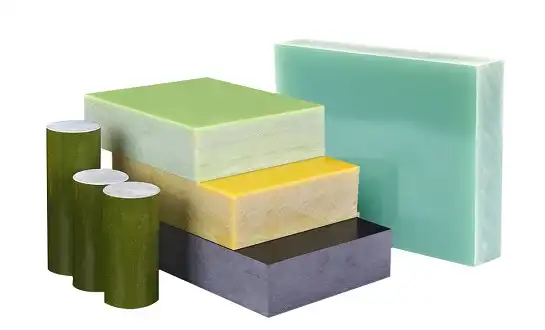
G10 is made of the same glass-epoxy material as FR4 epoxy sheet, but it doesn't have any flame-retardant chemicals, so it can't be used in places that need to meet UL 94 V-0 standards. Machining properties stay the same, though G10 can be a little less rough sometimes because it doesn't have any brominated chemicals in its resin matrix. G10 is cheaper than FR4 epoxy sheet—usually 10 to 15 percent less—which makes it a good choice for mechanical uses where flame protection is not required, like wear pads, gears, or structural gaps in industrial machinery. But the material can't be used instead of FR4 epoxy sheet in electrical equipment that needs to be safety-certified.
Thickness Considerations in Milling Operations
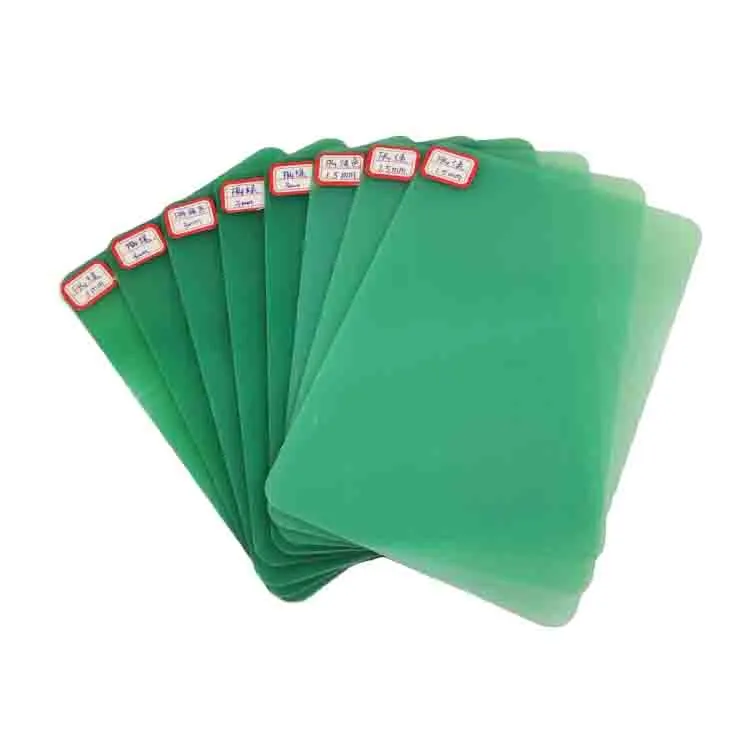
The thickness of the sheet has a direct effect on how it is cut and how much it costs. Thin sheets less than 1.6 mm need careful support to keep them from bending while they're being cut. This usually means using vacuum fixturing, which takes longer to set up. Plates that are thicker than 6 mm need more than one pass to get to the right depth, which increases cycle time and tool wear. The cost of materials goes up directly with thickness, but the cost of cutting goes up more than it should because the cycle times are longer and the tools are used up faster. When selecting material thickness, automotive part makers that buy battery pack barriers have to weigh the need for mechanical strength against these cost factors.
Supplier Evaluation Framework
When choosing qualified providers, you need to look at more than just the unit price. Quality standards like ISO 9001 and IEC 60893 compliance show that processes are controlled in a planned way. As environmental laws get stricter, eco-friendly ways of making things, like using brominated flame retardants correctly and drying processes that use less energy, become more important in purchasing choices. Inventory carrying costs and supply chain flexibility are affected by minimum order amounts. These are important things for home device makers using just-in-time production systems to think about. Lead time dependability, technical support skills, and a desire to offer machining advice are what set real partnership-based providers apart from those who only give transactions.
Guide to Procuring FR4 Epoxy Sheets for Milling Applications
When you strategically source FR4 epoxy sheet and other glass-reinforced laminates, you have to balance technical requirements with practical business needs. Our years of experience in international trade have taught us that good buying relationships depend on both parties being clear about what they need, setting realistic goals, and being dedicated to getting good results.
Certification and Quality Assurance
Making sure that materials meet industry standards helps keep expensive problems in the field and legal risks at bay. UL certification for flammability, ROHS compliance for limits on dangerous substances, and material test results showing dielectric strength and glass transition temperature are all concrete proof of conformance. When buying coil insulation or arc barriers for the power sector, buyers should ask for batch tracking systems that make it easy to find the parts that aren't working right if non-conforming material is found after delivery. These high-quality systems don't cost much more than the original equipment and greatly reduce risk in important situations.
Bulk Purchasing Dynamics
Buying in bulk can save you money by letting you take advantage of economies of scale when buying raw materials and planning your production schedule. To get good terms, you need to know how much your suppliers charge for things like resin and glass cloth, whose prices change with the petroleum market and affect quarterly pricing. Price stability and inventory risk are balanced by committing to yearly volume deals with quarterly releases. Our logistics skills, which include committed freight handling partnerships built up over a decade of international trade, make sure that bulk packages get to their destinations on time and undamaged, even when they come from production hubs around the world.
Technical Collaboration and Customization
Suppliers who offer technical help are more valuable than just supplying materials. Helping to choose the best thickness for certain mechanical loads, suggesting the right grades for hot environments, or suggesting cutting parameters based on similar uses speeds up the development process. Customization options, like cutting over-sized blanks to rough sizes ahead of time or using protective films to protect final surfaces, can lower the costs of processing that comes after. These services that add value set strategic suppliers apart from transactional vendors. They are especially useful for research and development teams working on new uses in the aircraft or automobile industries.
Conclusion
To successfully mill FR4 epoxy sheet, you need to know how the material is put together and use tried-and-true methods to deal with its rough and heat-resistant properties. Problems with delamination, tool wear, edge quality, thermal damage, and controlling dimensions can be solved by using improved cutting settings, better tools, better cooling, the right fixtures, and making sure the process works. Comparative testing with other laminates helps choose the right material for the job while staying within the budget. Supply chain relationships that support long-term production stability and product reliability in the electronics, power, automotive, and industrial machinery sectors are formed through strategic procurement that focuses on certifications, quality systems, volume economics, and technical teamwork.
FAQ
What cutting tools work best for milling FR4 materials?
Carbide tools are the bare minimum that can be used, and tungsten carbide types are the best at resisting wear from glass fibers. Diamond-coated carbide tools last the longest—often over 10,000 linear meters of cutting—while untreated carbide tools only last 2,000 meters. Whether it's for slotting, profiling, or through-cutting, the design of the tool should have sharp cutting edges, positive rake angles, and either upcut or compression spiral shapes. Electronics companies that make PCB support plates usually use diamond-coated compression bits to make sure that the quality of the edges stays the same from one production run to the next.
How does FR4 milling difficulty compare to G10 or phenolic laminates?
Since both FR4 epoxy sheet and G10 are made of glass-epoxy, they are almost similar when it comes to how they can be machined. Because their organic fiber support is not as rough as glass cloth, phenolic cotton laminates are much easier to make. When cutting phenolic materials, the tool life can be three to five times longer than when cutting glass-reinforced grades. But phenolic laminates don't have good electrical or thermal qualities, so they can only be used for low-performance mechanical parts and not for electrical shielding.
What lead times and minimum order quantities should buyers expect?
Depending on the depth of the production wait, it can take anywhere from two to four weeks to cut or machine standard thickness sheets in popular grades. Minimum order numbers depend on the supplier's capabilities and the grade of the material. For normal FR4 epoxy sheet, the minimum order quantity is 50 to 500 kilograms. For high-Tg or halogen-free variants, the minimum order quantity is higher. Setting up blanket purchase orders with planned releases is a good way to keep track of inventory and ensure production capacity. This is especially important for companies that make appliances with seasonal demand patterns or power equipment makers with long project cycles that need to be sure they have material supply guarantees.
Partner with J&Q for Superior FR4 Epoxy Sheet Solutions
Every FR4 epoxy sheet supplier link J&Q makes is based on more than 20 years of experience in manufacturing and more than 10 years of experience in foreign trade. Our quality systems make sure that the properties of the materials are always the same, which reduces the amount of variation that happens during machining. Our expert team also gives advice on the best cutting settings and tools for each application. As a well-known company that makes FR4 epoxy sheets, we keep a large stock of sheets with thicknesses ranging from 0.5 mm to 50 mm. This lets us meet even the most urgent production needs quickly. Our combined logistics network handles everything from placing an order to clearing customs and delivering the package. This saves you the trouble of coordinating that comes with supply chains that use more than one provider. Contact us at info@jhd-material.com if you are an engineering manager, a procurement expert, or a member of the research and development team to talk about how our certified materials and joint approach can help you make your milling more efficient, lower your production costs, and make your final product more reliable.
References
National Electrical Manufacturers Association. (2019). Industrial Laminating Thermosetting Products - NEMA LI-1 Standards Publication. Rosslyn: NEMA Publications.
Harper, C.A. (2017). Handbook of Materials for Product Design (4th ed.). New York: McGraw-Hill Professional.
Institute for Printed Circuits. (2020). IPC-4101 Specification for Base Materials for Rigid and Multilayer Printed Boards. Bannockburn: IPC.
Tong, L., Mouritz, A.P., & Bannister, M.K. (2018). 3D Fibre Reinforced Polymer Composites. Oxford: Elsevier Science.
Chawla, K.K. (2019). Composite Materials: Science and Engineering (4th ed.). New York: Springer.
Astrom, B.T. (2021). Manufacturing of Polymer Composites. Boca Raton: CRC Press.

Get a complete product list and quotation

J&Q New Composite Materials Company