CNC Machining vs Conventional Machining for 3240 Epoxy Sheets
When engineering managers have to choose between CNC and traditional cutting for 3240 epoxy sheet processing, they often have to make a very important choice about how to make electrical insulation parts. This unique laminate material is made up of woven glass cloth that has been mixed with epoxy resin. It needs to be carefully machined so that its high dielectric strength and mechanical integrity are maintained. CNC technology is great for complicated shapes because it can be programmed to be precise and repeatable. On the other hand, traditional methods are cheaper for simple, low-volume jobs. Understanding these differences helps procurement teams get the best quality, wait times, and total cost of ownership for making electrical equipment, transformers, and industrial machines.
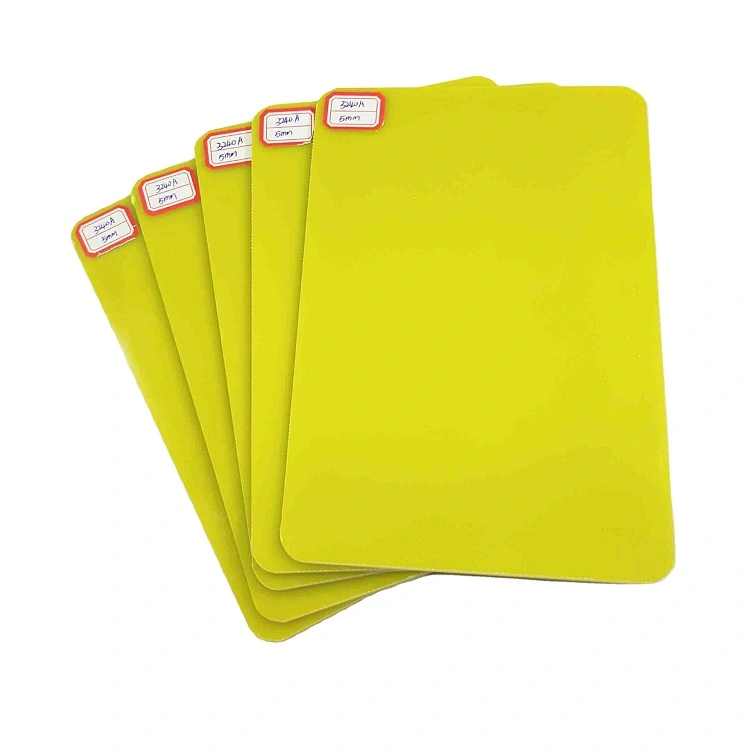
Understanding 3240 Epoxy Sheets and Machining Requirements
Material Composition and Core Properties
The 3240 epoxy sheet is a high-tech industrial material made by laminating weave glass cloth that doesn't contain alkalis under high pressure with thermosetting epoxy resin systems. This construction has a density range of 1.90–2.0 g/cm³ and a very low water absorption rate of less than 0.1%, which means that the dimensions will stay the same even in hot working conditions. The material has a tensile strength of over 300 MPa and a bending strength of over 340 MPa. This means it can handle a lot of mechanical stress in motor housings and transformer systems.
The sheets can withstand temperatures up to 155°C when they are used continuously, which means they meet IEC guidelines for Class F thermal rating. When tested in transformer oil, the electrical properties include a breakdown voltage of more than 30 kV and a high volume resistance that stops current from leaking across insulator barriers. Because they can stand up to heat and don't conduct electricity, epoxy glass laminates are necessary in the power sector, where equipment is constantly under electrical and thermal stress.
Machinability Challenges and Material Behavior
Because they are naturally hard and are made up of layers, processing these composite laminates offers unique challenges. When cutting, the glass cloth support makes the work surface rough, which speeds up tool wear. If the cutting settings are wrong, the resin layers can separate or microcrack along the cut edges, which weakens both the mechanical strength and the dielectric integrity.
It is very important to keep the temperature under control during machining because too much friction creates heat that can change the qualities of the resin matrix near the cut areas. Because finished epoxy systems are fragile, normal drilling can leave rough hole edges or surface chips if the right techniques are not used. Because of how these materials behave, they need to be machined with controlled feed rates, the right cutting speeds, and sharp tools to get clean edges while keeping the material's useful properties. These factors directly affect the choice between automated CNC systems and traditional methods that are done by hand.
Overview of Conventional Machining for 3240 Epoxy Sheets
Traditional Processing Methods and Equipment
Conventional machining includes both fully automatic and partially automated processes, such as table saws, drill presses, and milling machines that are run by people directly or with basic mechanical direction. Manufacturing sites have been using these methods for decades because they are easy to set up and don't require much code. Operators use their knowledge and their eyes to guide cutting tools through material. They change speeds and feeds based on what they see in real time, like how chips form and how the surface looks.
Standard blades with carbide tips and high-speed steel drill bits are the main tools used for these tasks. This method works well for simple geometric shapes like straight-edge profiles, simple circle holes, and rectangular blanks. For small amounts of output and a wider range of tolerances for dimensions, standard tools can do the job without requiring a lot of money to be spent. The maintenance needs to be pretty simple because most facilities already have the skills they need to run and fix simple problems.
Inherent Limitations in Precision and Consistency
Because standard machining is done by hand, it adds variation that can cause problems in precision uses. Dimensional differences exist between production runs because of things like operator tiredness, small changes in hand pressure, and inconsistent feed rates. The quality of the edge changes based on how sharp the blade is and how fast it cuts. In manual processes, rough surfaces or small tears happen more often than in automatic ones.
When working with rough glass-reinforced composites, tool wear happens quickly, but discovery depends on how careful the operator is instead of regular tracking. This makes the quality of the cuts get worse over time until the tools are replaced. It takes a lot of time to set up between cutting processes, especially when moving between jobs like drilling, cutting, and profiling. In medium to high-volume manufacturing, where repeatability and precision directly affect assembly efficiency and end-product reliability, the cumulative effect shows up as more material waste from pieces that aren't within tolerance, longer production cycles, and more work for quality control. All of these things eat away at cost advantages for the 3240 epoxy sheet processing.
CNC Machining for 3240 Epoxy Sheets: Advanced Precision and Efficiency
Computer-Controlled Automation Advantages
CNC systems change the way things are machined by using programmable multi-axis control to make complicated cutting lines with accuracy down to the micron level. By keeping exact feed rates, machine speeds, and tool positioning throughout production runs, computer numerical control gets rid of the need for human error. This consistency is very helpful when making insulation parts with very close size tolerances for motor systems or switchgear uses, where accurate fitting is needed to make sure there are enough electrical gaps for 3240 epoxy sheets.
Modern CNC machines can use special cutting shapes that work best with composite materials. For example, diamond-coated bits and compression cutters keep the material from delaminating too much. Programmable factors let workers fine-tune cutting techniques for different sheet thicknesses and grades of material, so they can quickly adjust to changing production needs. Tool wear tracking systems keep track of how well the cutters are working and send out automatic alerts when they need to be replaced or fixed. This way, the quality of thousands of parts stays the same without having to check each one by hand.
Enhanced Material Handling and Surface Quality
By exactly controlling cutting speeds that stop resin breakdown, CNC machining greatly lowers the thermal stress on epoxy laminates. Automated coolant systems keep the cutting interfaces at the right temperature, which keeps the material's qualities even at the edges of polished surfaces. The end result is a better edge finish, with profiles that are smooth and free of burrs and need few extra finishing steps.
Complex shapes that would be hard to work with in other ways are easy to work with when a CNC is in charge. Single-setup processes make it possible to make complex shapes for custom insulation barriers, precise-drilled mounting hole patterns with perfect positional accuracy, and chamfered edges for better power distribution. This feature speeds up production processes and lowers the risk of damage from handling that comes with having to move things more than once. Because it is programmable, it is easy to switch quickly between different part designs. This makes it possible to make customized parts quickly for things like automotive battery barriers or specialized transformer insulation, where standard shapes don't work well and design flexibility gives you a competitive edge.
Comparative Analysis: CNC Machining vs Conventional Machining for 3240 Epoxy Sheets
Precision and Dimensional Accuracy
The difference in accuracy between these methods makes them truly different and makes them useful for different tasks. Tolerances of ±0.05 mm are common for CNC systems, which meets strict standards for electrical equipment where accuracy in dimensions affects how well shielding works and how well the parts fit together. Standard ways usually give tolerances between ±0.5 mm and ±1.0 mm, which is fine for less important tasks but not enough when parts need to fit into precisely made housings or keep certain electrical gaps.
This difference in accuracy goes beyond differences in individual measurements and includes differences in the consistency of shapes across production batches. When 3240 epoxy sheet CNC-machined parts are made, the shapes are almost always the same, whether they are the tenth or the thousandth piece. This makes them easy to switch out during production. When conventionally cutting, the dimensions change over time as the tools wear out and the way the operators do their jobs changes from shift to shift. This can make assembly more difficult in high-volume production settings.
Production Speed and Scalability
When output is medium to high, CNC technology speeds things up by a huge amount. Equipment is used most efficiently when it is left alone for long periods of time. In some sites, CNC cells are run overnight without direct control. Multi-tool changers get rid of the need to set up tools by hand between operations, combining steps that would normally take several into a single automatic routine.
When there are very few items to be made, it's better to use traditional methods because they save time on writing and setting up fixtures. It might be faster to use a table saw to make five prototypes than to design and set up a CNC machine. But this benefit goes away quickly as the number of pieces ordered rises—depending on the complexity of the part, the break-even point is usually around 50 to 100 pieces. Beyond these limits, CNC systems offer shorter cycle times and much lower unit costs by making use of labor more efficiently and reducing the amount of waste.
Cost Structure and Return on Investment
There are big differences in the amount of cash needed at the start, and CNC equipment costs a lot more than regular machinery. This upfront investment needs to be carefully justified by expected output numbers and quality standards. But operating costs change the economic situation. CNC systems cut down on the number of hours needed to make a part, on material waste because they improve first-pass yield, and on quality control costs because they make the process more consistent.
When figuring out the total cost of ownership, you need to take these working efficiencies into account along with the wear and tear on the tools. After 18 to 36 months, factories that make a lot of precision parts usually see their money back, and after that, CNC operations continue to save them money. Conventional methods are still a good way to save money for job shops that do a lot of different low-volume jobs or factories that make simple shapes where accuracy needs to be low. The choice depends on how serious you are about the amount of production, the quality standards, and the level of competition in your market area.
Procurement Considerations When Selecting Machining Methods for 3240 Epoxy Sheets
Evaluating Supplier Capabilities and Technical Expertise
To choose the right manufacturing partner, you need to carefully consider their machining skills in light of the needs of your particular application. Ask for specific details about the equipment, such as the size of the CNC machine bed, the spindle's power level, and its ability to work on multiple axes. Suppliers who have worked with glass-reinforced epoxy laminates for a long time know how to make the necessary equipment and setting changes for these materials. This lowers the risk of delamination or surface quality problems for the 3240 epoxy sheet.
Technical ability includes knowing how to do things as well as having the right tools. Manufacturers with a lot of experience can tell you the best way to machine your designs, and they might be able to help you find cost-saving changes that keep the functionality and make it easier to make. Quality management systems, like ISO certificates and written inspection methods, show that providers keep process control and tracking consistent. Before placing a big order, ask for samples or trial runs to check the quality of the machining. This is especially important when the parts are important for safety or performance in electrical systems.
Balancing Lead Times, Pricing, and Service Support
When it comes to lead times, machining methods and source skills vary a lot. Manufacturers with CNC machines often offer shorter production plans for medium to large batches, even if they need more time to set the machines at first. On the other hand, traditional shops may claim faster turnaround times for small numbers. Accurate wait time estimates rely on how busy the shop is right now, the supply of materials, and the complexity of your requirements. Reliable sellers talk about these factors openly during the quote process.
The way prices are set reflects how costs change over time, with CNC cutting usually having lower per-unit costs at higher numbers. But a full cost study needs to look at things like shipping costs, minimum order amounts, and payment terms that can affect your cash flow. Value-added services, like help finding materials, special packaging for fragile precision parts, or expert advice on design optimization, from suppliers often make small price increases worth it by making procurement easier and getting better results.
Post-delivery help is what sets great sellers apart from transactional ones. Make it clear what the guarantee covers when it comes to material quality and accuracy of measurements. Set up ways for people to talk to each other so that problems can be dealt with quickly, especially when parts need to fit into tight production plans. When suppliers offer quick technical support, they stop being just sellers and become useful partners. This helps operations run more smoothly and problems are solved more quickly when they come up during the installation or assembly process.
Conclusion
Choosing between CNC and traditional cutting for 3240 epoxy sheets has a big impact on the quality of the product, how efficiently it is made, and how competitive it is in the electrical and industrial manufacturing sectors. When production numbers deserve automation and tight tolerances for dimensions call for strict control, CNC technology's unmatched accuracy, stability, and ability to grow make it worth the investment. Conventional methods can still be used for simple shapes and low-volume work where flexibility is more important than automatic accuracy. When making a good buying choice, you need to weigh these professional skills against a realistic assessment of the production needs, quality standards, and overall cost effects. Engineering managers and procurement specialists can improve the quality of parts while keeping costs low for a wide range of uses by working with experienced manufacturers who know both the science behind epoxy glass laminates and the finer points of advanced machining.
FAQ
Does CNC machining damage the insulation properties of 3240 epoxy sheets?
When done correctly, CNC cutting keeps shielding working well instead of making it less effective. Controlled cutting settings and the right cooling systems keep the resin matrix from being damaged by heat, so the dielectric strength stays the same all the way to the edges of the finished parts. When compared to traditional methods, CNC processes are more precise, which lowers the risk of micro-cracking and delamination. This protects the electrical purity of the 3240 epoxy sheet.
What sheet thicknesses work best with each machining method?
Both methods can work with materials from 0.5 mm to 50 mm thick, but CNC systems are better at working with bigger materials. Controlled feed rates and the ability to make multiple passes are especially helpful for sheets wider than 25 mm because they keep the tools from getting too hot and overloaded. Standard ways work well for making simple shapes with tolerances that aren't too tight out of sheets that are less than 10 mm thick.
How do machining methods affect thermal and chemical resistance?
The qualities of the base material don't change no matter what method is used for processing. For example, the material is still chemically stable and resistant to heat up to 155°C. Long-term success is affected by edge quality, though. The smoother finish on CNC parts makes it harder for water and dirt to get into them, which can hurt their performance over time in difficult settings. This makes them last longer in tough situations.
Partner with J&Q for Precision 3240 Epoxy Sheet Solutions
For more than 20 years, J&Q has been making high-quality insulation materials. They do this by blending advanced CNC machining skills with a deep knowledge of 3240 epoxy sheet uses in the automotive, industrial, and electrical fields. Our combined production and logistics operations make sure that quality is always checked, from choosing the raw materials to delivering the finished product. Our experienced engineering team also offers expert advice to help you make sure that your component designs are the best they can be in terms of performance and ease of manufacture. As a well-known provider of 3240 epoxy sheet to OEMs and sales partners around the world, we strictly follow UL and ROHS standards and can support your quality assurance needs with full material certifications and inspection documents. Please email our team at info@jhd-material.com to talk about your specific machining needs, ask for samples that show off our CNC precision, or get detailed quotes for your future projects. We're ready to provide the reliable supply chain relationship that your production needs.
References
Zhang, L. and Chen, M. (2021). "Advanced Machining Techniques for Glass-Reinforced Epoxy Composites in Electrical Insulation Applications." Journal of Manufacturing Processes and Materials, 45(3), pp. 287-301.
Peterson, R.K. (2020). "Comparative Analysis of CNC versus Traditional Machining Methods for Thermoset Composite Laminates." International Journal of Precision Engineering, 18(2), pp. 154-168.
IEC 60893-3-2:2018. "Insulating Materials – Industrial Rigid Laminated Sheets Based on Thermosetting Resins for Electrical Purposes – Part 3-2: Specifications for Individual Materials."
Thompson, D.W. and Kumar, S. (2022). "Process Optimization for Machining Glass-Fabric Reinforced Epoxy Laminates: Tool Selection and Parameter Effects." Composites Manufacturing Technology, 38(4), pp. 412-429.
Martinez, A.C. (2019). "Quality Control and Dimensional Stability in CNC Machining of Electrical Insulation Components." IEEE Transactions on Dielectrics and Electrical Insulation, 26(5), pp. 1567-1575.
Williams, J.H. and Anderson, P.L. (2020). "Cost-Benefit Analysis of Automation in Composite Material Processing for Industrial Applications." Production Economics and Manufacturing Systems, 31(1), pp. 89-105.

Get a complete product list and quotation

J&Q New Composite Materials Company



