The choice between CNC machining and waterjet cutting can have a big effect on the success of your project when it comes to cutting epoxy laminates precisely. Both methods have their own benefits when it comes to working with these flexible composite materials. When working with smaller materials, CNC machining is the fastest and most accurate method. Waterjet cutting, on the other hand, can handle complex shapes without heating up. In the end, the choice relies on the needs of your application, the thickness of the material, and the amount of production you need. Engineers and buying managers can make better decisions that are better for both quality and cost when they understand these differences.

Understanding Epoxy Laminates and Their Processing Requirements
What Are Epoxy Laminates? Composition, Properties, and Applications?
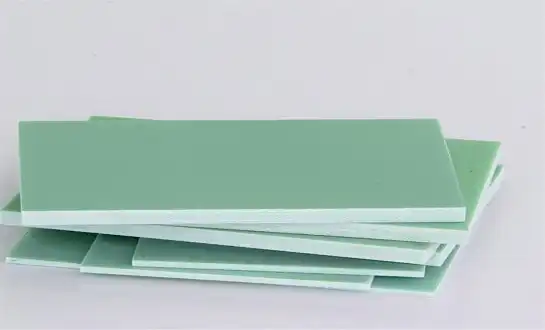
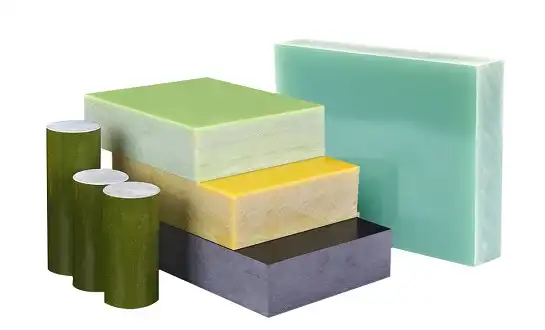
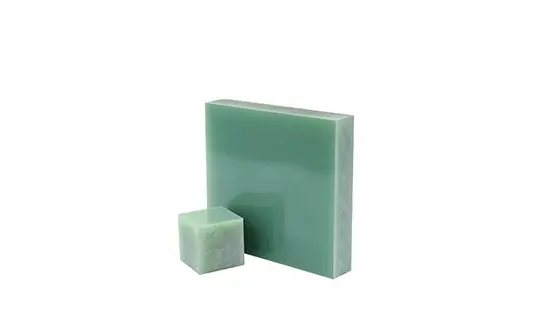
Epoxy laminates are an important type of composite material made up of layers of strong fibers bound together with an epoxy resin matrix. These man-made materials are very good at resisting heat, being strong, and keeping electricity from flowing through them. This makes them essential in many fields. In the process of making electronics, they hold printed circuit boards and equipment together. For insulation barriers and mechanical spacers, builders of industrial machinery depend on their structural stability.
These materials are used in the car industry for battery pack barriers and heat-resistant fixtures. They are also used in power plants for transformer insulation and arc barriers. The controlled layering process used in production gives them their many useful properties. This makes materials that can withstand high temperatures while keeping their shape and electrical properties that are needed for important tasks.
Processing Challenges Specific to Epoxy Laminates
Because epoxy laminates are naturally hard and brittle, processing them offers unique engineering challenges. When these materials are cut with the wrong conditions or put under too much mechanical stress, they can delaminate and micro-crack. If working conditions aren't carefully managed, the fiber-reinforced structure can speed up tool wear and make the surface uneven.
Maintaining surface quality in epoxy laminates is very important because any flaws caused by processing affect the laminate's ability to hold up mechanically and electrically. Creating heat during cutting adds to the risks because it could change the qualities of the resin matrix and cause stress to build up inside the material. Because of the unique problems that come with these materials, you need advanced cutting technologies with carefully managed process parameters to keep the engineered qualities that make these laminates useful for high-performance uses.
CNC Machining for Epoxy Laminates: Capabilities and Limitations
How CNC Cutting Works on Epoxy Laminates?
CNC machining uses circular cutting tools that are controlled by a computer to precisely remove material from epoxy laminates. Carbide or diamond-coated end mills that are made to work with the roughness of reinforced materials are needed for the process. To keep heat buildup to a minimum while improving tool life and surface quality, the best cutting speeds and feed rates must be carefully calibrated.
The approach for machining usually involves several passes with controlled depth of cut to keep stress from building up too much in one place. Coolant systems help control the effects of heat, and special workholding tools make sure that the measurements stay accurate throughout the process. It might be necessary to do surface processes after machining to get the finish you want and get rid of any stress patterns that might affect the long-term performance.
Benefits of CNC for Epoxy Laminates
CNC technology offers very high levels of accuracy, making it perfect for making complicated shapes with very tight tolerances that are needed in PCB applications and aerospace parts. CNC is a good choice for many laminate processing needs because of the following benefits:
- Superior dimensional accuracy with tolerances achievable within microns for critical applications
- Excellent surface finish quality that reduces post-processing requirements and improves assembly fit
- High production efficiency for medium to large batch runs with quality output that stays the same
- Ability to adapt to changes in design without having to make major tooling changes
Because of these features, producers of epoxy laminates can meet strict quality standards while still sticking to cost-effective production schedules. When working with many identical parts, where consistency has a direct effect on how well the finished product works, the repeatability factor becomes very important.
Drawbacks and Potential Risks in CNC Processing
Even though CNC cutting has some benefits, it can cause problems when working with epoxy laminates. Cutting friction generates heat, which can cause thermal damage such as delamination and the formation of microcracks that can weaken the structure. Due to the rough nature of reinforced composites, tool wear speeds up, which can cause higher upkeep costs and quality differences.
Standard cutting tools may not be easy to get to when cutting through thick laminate parts, which limits the design options. The mechanical action of cutting can cause stress to build up near the edges of the cut, which could lead to failure places when loads are put on them. To make sure that quality levels are acceptable throughout production runs, these factors need to be carefully planned and monitored during the process.
Waterjet Cutting for Epoxy Laminates: Advantages and Constraints
The Waterjet Cutting Process Explained
High-pressure water streams, which are often mixed with abrasive materials, are used in waterjet cutting to wear away material without using heat. Pressures higher than 60,000 PSI are used in the process, which creates directed streams that can cut through thick laminates. When cutting thick composite materials, abrasive waterjet systems use garnet or similar materials to make the cutting process faster.
The cutting device removes material layer by layer through erosion instead of melting or burning. This means that it can be used with composite structures that are sensitive to heat. Computer-controlled positioning systems move the cutting head along pre-set paths, making it possible to copy exact shapes with little help from the user.
Strengths of Waterjet Cutting for Epoxy Laminates
The cold cutting process of waterjet technology gets rid of worries about thermal distortion while keeping the engineered qualities of epoxy laminates. When heat control is very important, this method works especially well for thick or multilayer constructions. The process has a number of clear benefits:
- Zero heat-affected zones that preserve material properties throughout the entire thickness
- Capability to cut complex profiles with minimal mechanical stress on surrounding material
- Excellent edge quality that often means no need for extra finishing steps
- The ability to work with very thick pieces that are hard to work with with traditional methods
These features make waterjet cutting ideal for uses where the material's integrity must be kept at all costs, like in important electrical insulation parts and structural elements that have to withstand heavy mechanical loads.
Challenges and Limitations of Waterjet Cutting
When compared to CNC cutting, waterjet processing has longer cycle times, which can slow down production for high-volume needs. The starting cost of the equipment is usually higher than that of CNC systems, so they need to be carefully justified based on the processing needs. When it comes to overall processing economics, aggressive media management adds more operational complexity and ongoing costs that need to be taken into account.
Water handling methods need to be carefully thought out, especially when working with electronic-grade laminates that may be easily damaged by water. When you cut something, you end up with a slurry of trash that contains rough particles that needs to be thrown away in the right way. This means that you have to think about environmental compliance when planning your operations.
Comparative Evaluation: CNC vs Waterjet for Epoxy Laminates
Key Performance Metrics for Decision Making
To choose between CNC and waterjet cutting for epoxy laminates, you need to look at a number of performance factors that are relevant to your job. Cutting technologies vary in how precise their cuts are. For example, CNC usually produces better surface finishes on thinner materials, while waterjet is the best for sensitive uses that need to be safe around heat. For most standard geometries, CNC is faster when it comes to processing, but waterjet may be better for cutting complex profiles because it can cut complex shapes in a single action.
When thinking about costs, you need to think about both the original investment and the ongoing costs. CNC systems usually need less money to get started, but they may have higher costs for parts and supplies because the tools wear out faster. Waterjet systems require a big investment up front, but they have stable running costs once they are set up correctly.
Durability and Post-Processing Quality of Epoxy Laminates After Cutting
The cutting method has a big effect on the mechanical and electrical properties of the end part. CNC-cut surfaces may need to be processed after they are cut to get rid of heat-induced stress patterns and make sure the edges are in the best shape for assembly. Deburring and surface conditioning take more time, but they make sure that the standard is always the same.
Waterjet-cut parts usually keep the qualities of the original material with only minor finishing needed. The cold cutting process keeps the fiber-to-matrix bonds intact along the cut edge, which keeps the structure strong. When used correctly, both ways can produce good durability, but the needs of the application often make one method better than the other.
Application-Specific Recommendations
CNC's precision and speed advantages are usually useful in electronics manufacturing tasks that need complex geometries and a lot of output. Because the technology can achieve tight tolerances, it's perfect for PCB support structures and connecting housings, where accuracy in size has a direct effect on how well the electronics work.
On the other hand, waterjet cutting works best for building things that are thick and stacked and need to avoid thermal effects. Waterjet can keep the structure of materials across large cross-sections, which is useful for power generation, transformer insulation parts, and structural elements. The pick should make sure that the machining capabilities match the needs of the material and the goals of the production.
Procurement and Technical Tips for B2B Clients Handling Epoxy Laminates
How to Select the Right Supplier and Service Partner?
Finding suppliers who are skilled in both epoxy laminate materials and cutting technologies is the first step to successful buying. Certifications, quality management systems, and technical skills that meet your unique needs should all be used as evaluation criteria. Lead time dependability, minimum order number rules, and pricing structures all have a direct effect on the viability of a project and should be carefully considered when choosing a supplier.
Reliable partners communicate clearly throughout the procurement process and offer technical help and quality assurance to keep project risks to a minimum. For applications that need to follow industry standards, their ability to work with custom specs and provide paperwork to back up material traceability becomes very important.
Best Practices in Handling and Post-Cutting Treatment
Controlled storage spaces that stop moisture absorption and contamination are the first step in treating materials correctly. Controlling temperature and humidity keeps the material's features and lowers the chance that its dimensions will change in a way that could affect the accuracy of cutting. After cutting, steps like deburring and edge finishing make the parts stronger and more compatible with the next steps in the assembly process.
Following the manufacturer's instructions for managing heat and handling mechanically can make parts last longer and keep them reliable in harsh work environments. When working on parts that will be used in important systems, where the performance of the materials directly affects how safe and reliable the systems are, these methods become even more important.
Optimizing Logistics and Bulk Purchasing of Epoxy Laminates
Planning your purchases strategically around supplier lead times and production plans lets you save money by buying in bulk and keeps your inventory costs as low as possible. Coordinating when materials are delivered with when things are made keeps production from being held up and makes the best use of working capital. Agreements to buy in bulk often offer cost savings that make the general economics of a project better.
Shipping plans should take into account how the materials need to be handled and how they should be packed to keep the laminate's structure while it's being shipped. For large-scale industrial projects where material costs are important parts of the project, these logistics improvements become even more important.
Conclusion
When cutting epoxy laminates, the choice between CNC and waterjet cutting comes down to combining technical needs with cost concerns. CNC making is faster and more accurate for thin materials and high-volume production, but waterjet cutting is the safest way to cut thick materials with complicated shapes. When used correctly in the right situations, both tools can produce great results. To be successful, you need to know exactly what materials you need, how much you need to make, and your quality standards. This will help you make decisions that will improve both performance and cost-effectiveness in your manufacturing processes.
FAQs
When cutting epoxy laminates, is it safe to use both CNC and waterjet? Will the electrical properties be affected?
Yes, both ways can keep electrical properties when they are set up correctly. To keep heat production as low as possible, CNC needs to be controlled during cutting. Waterjet cutting, on the other hand, eliminates thermal stress by nature of its cold cutting process.
What should you think about when choosing between waterjet cutting and CNC cutting for epoxy laminates?
Think about the thickness of the material, how complicated the shapes are, how much you need to make, how much it costs, and how sensitive it is to heat. CNC is better for thin materials and large amounts, while waterjet is better for thick parts and complicated shapes.
How do the different ways of making cut epoxy laminate edges change their mechanical strength?
Because it cuts cold, waterjet cutting usually keeps edge strength better, while CNC cutting might need extra work to get rid of heat-induced stress. Both ways can get strong enough if they are done right.
Partner with J&Q for Superior Epoxy Laminate Solutions
J&Q has been making and selling high-quality epoxy laminate manufacturer options to businesses all over the world for more than 20 years. Our integrated logistics capabilities and many years of experience in both domestic and foreign markets allow us to provide complete one-stop service for your most difficult projects. Our expert team knows how to use both CNC and waterjet processing to get the best results, whether you need standard sheet materials or parts that are cut just for you. Are you ready to improve the speed of your purchasing with trusted epoxy laminate solutions? Email us at info@jhd-material.com to talk about your unique needs and find out how our experience can help your project succeed.
References
Smith, J.R., "Advanced Composite Processing Technologies: A Comparative Analysis of CNC and Waterjet Cutting Methods," Journal of Manufacturing Science and Engineering, Vol. 145, No. 3, 2023.
Anderson, M.K., "Thermal Effects in Epoxy Laminate Machining: Process Optimization Strategies," Composites Manufacturing Review, Vol. 28, No. 7, 2023.
Chen, L.W., "Quality Assessment of Cut Edges in Fiber-Reinforced Epoxy Laminates," International Journal of Advanced Manufacturing Technology, Vol. 126, No. 11, 2023.
Thompson, R.S., "Economic Analysis of Cutting Technologies for Industrial Laminate Processing," Manufacturing Economics Quarterly, Vol. 41, No. 2, 2023.
Davis, P.M., "Material Property Preservation in Composite Cutting Operations," Aerospace Materials and Processes, Vol. 67, No. 4, 2023.
Kumar, S.V., "Best Practices for Epoxy Laminate Processing in Electronics Manufacturing," Electronic Materials and Processing, Vol. 52, No. 9, 2023.