For procurement managers looking for the best manufacturing options, it's important to understand the cost factors of CNC processing for epoxy boards. When it comes to machining, epoxy board materials have special properties that affect how much it costs, what tools are needed, and the total project budget. Cutting speeds, tool wear rates, and finishing processes are all greatly affected by the density, thermal properties, and chemical resistance of the material. This is why cost analysis is so important for making smart decisions in industrial settings.
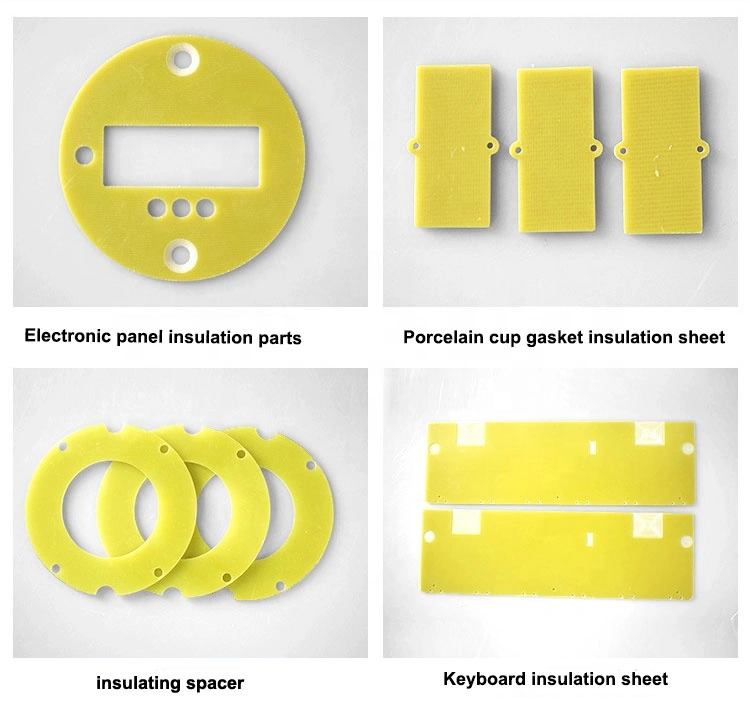
Introduction
Because they are so good at resisting heat and chemicals and having a high mechanical strength, epoxy boards have changed the way industry CNC machining is done. These advanced materials are used more and more in modern factories for important tasks like electrical protection and making precise mechanical parts. To make smart material choices and make the most of their manufacturing budgets, procurement managers, engineering teams, and OEM clients need to understand the complex cost factors that go into CNC cutting of epoxy boards.
Different from other materials, epoxy boards have special qualities that make them harder to machine than other materials. Changes in board thickness, density standards, and surface finish needs have a direct effect on machining parameters, tool selection, and processing times. All of these things affect the total cost of ownership, which is why a full cost study is so important for a project's success. Knowing how epoxy boards are different from other composite materials helps you make better buying choices and more accurate cost estimates.
Key Factors Influencing CNC Processing Costs of Epoxy Boards
The main thing that determines the cost of CNC processing for epoxy boards in many different manufacturing settings is the type of material used. Because of how epoxy resins are naturally made, they have specific machining needs that affect both how well the business runs and how much it costs. When procurement teams understand these key factors, they can correctly predict costs and choose the best processing strategies.
Material Properties and Tool Wear Impact
When it comes to CNC processes, epoxy boards have a big effect on how tool wear patterns look because they are very resistant to heat and chemicals. Cutting forces are directly affected by the mass of the material, so special tools are needed that can last for long periods of time. Epoxy boards, unlike most plastics or composites, require carbide or diamond-coated cutting tools to keep the accuracy and reduce the number of times the tools need to be changed.
To get the best mix between productivity and tool life, processing parameters like spindle speeds, feed rates, and cutting depths need to be carefully optimized. Because epoxy materials are rough, tools wear out faster than with softer materials. This raises running costs because tools need to be changed more often and production may stop. When machining something very hard, it's common to need more advanced cooling devices to keep the heat under control.
Machining Complexity and Tolerance Requirements
CNC processing costs for epoxy board uses go up by a huge amount when there are complex geometries and tight tolerance requirements. To get the level of accuracy needed, complicated designs need special programming, multiple tool changes, and longer machining times. Custom finishing needs, like specific surface textures or standards for dimensional correctness, add a lot of time and money to the manufacturing and quality control processes.
When an application needs more than one machining action, the link between design complexity and processing costs becomes very clear. Each extra setup adds the cost of labor, the time needed to run the machine, and the number of quality checks that need to be done. This is why design optimization is so important for getting cost-effective manufacturing results.
Analyzing Cost Variables Through the CNC Processing Workflow
For a full cost analysis, every step of the workflow must be looked at, from the original setup to the final quality check. As a whole, the total cost of processing epoxy board projects is made up of different cost factors that come from each step. By understanding these factors, you can make more accurate cost predictions and come up with better ways to improve the process.
Setup and Programming Considerations
A big chunk of the total cost of CNC processing goes to the initial setup, especially for complicated epoxy board jobs. For machine calibration, tool selection, and programming needs, you need technicians with a lot of knowledge who can find the best settings for epoxy materials. To make sure that processing settings are correct, sample runs and test cuts are often needed. These add upfront costs that need to be included in project budgets.
With more complicated designs, programming gets a lot harder, so you need advanced CAM tools and skilled operators. Creating the best tool paths and processing strategies takes time, which affects both worker costs and project timelines. To keep costs down, it is important to use efficient programming practices.
Machining Time and Production Efficiency
The biggest changeable cost in CNC processing of an epoxy board is the actual machining time. Feed rates have to be matched with the need for a smooth surface and the length of the tool's life. This makes optimization difficult and has an impact on both quality and cost. Choosing the right spindle speed affects how much material is removed, how the tools wear, and how much energy is used.
How well a machine works with its person depends on how well they know how to use it. Modern CNC systems have advanced features, such as adaptive machining and real-time monitoring, that can cut working times by a large amount while still meeting quality standards. Long-term cost savings are directly linked to spending money on the right technology and training.
Post-Processing and Quality Control
Post-machining steps like deburring, surface finishing, and checking the dimensions add a lot to the cost of making epoxy boards. Because of the way the material is made, it often needs special finishing methods to get the surface properties you want and get rid of machining marks. Because epoxy boards are usually used in high-value situations, quality control methods become even more important.
Cost Comparison: Epoxy Boards Versus Alternative Materials in CNC Processing
Choosing the right materials has a big effect on how much CNC processing costs overall, so it's important to do a comparative study before making a purchase. Even though epoxy boards are more expensive, their better performance often makes up for the extra costs of processing because they last longer and work more reliably.
Traditional Materials Cost Analysis
Standard materials, such as plywood, MDF, and standard plastics, usually have lower start-up costs, but they are not very good for CNC processing. These materials often don't stay the same size over time, aren't very resistant to chemicals, and don't have good mechanical properties, all of which can affect how well the end product works. Some problems that come up during processing are more tearout, bad surface finish, and limited accuracy.
When you look at tool wear rates, scrap percentages, and rework needs, the savings that cheaper materials seem to offer often go away. To get the same level of performance from different materials, they might need extra protection coatings or treatments, which cost more in both material and processing.
Advanced Material Alternatives
Composites made of carbon fiber or specialty plastics are high-performance options to epoxy boards that have different cost-benefit profiles. Some materials may have better strength-to-weight ratios, but they usually need more expensive tools and special processing methods, which raises the total cost. Different options have very different chemical resistance, temperature stability, and electrical qualities, which makes them less or more suitable for certain uses.
When comparing materials, thickness is very important because epoxy boards have the same qualities across a wide range of thicknesses, while other options lose performance as they get thicker. Epoxy board is especially useful for uses that need thick materials without sacrificing their mechanical properties because of this feature.
Strategic Procurement Tips for Cost-Effective CNC Machining of Epoxy Boards
To make good procurement plans, you need to know a lot about the services, quality standards, and abilities of your suppliers. By forming relationships with experienced epoxy board suppliers, you can save money while making sure that the quality of the materials is always the same and that they deliver on time.
Supplier Evaluation and Selection Criteria
Comparing prices isn't the only thing that goes into an effective supplier review. Expertise in CNC machining uses, quality certification standards, and the ability to customize have a big effect on the total cost of a project and its success rate. Suppliers who have a lot of experience with epoxy board uses can give you good advice on choosing the right materials, setting the right processing parameters, and finding ways to cut costs.
For big projects or applications that need to be done quickly, delivery reliability and the ability to handle inventory become very important. Flexible scheduling, sample availability, and technical support services from suppliers add value that often explains higher prices by lowering project risks and improving results.
Volume Purchasing and Contract Optimization
Strategic volume buying can lead to big savings on costs while also making sure that materials are always available. Long-term contracts with reliable providers can help keep prices stable and give you priority during times of high demand. Setting up preferred supplier relationships that offer customized solutions and specialized support services is especially helpful for OEM clients.
Along with price, quality standards, delivery schedules, and technical support needs for the epoxy board should be talked about during contract talks. Including standards for CNC processing and tolerances in procurement agreements helps make sure that suppliers are responsible and lowers the chance of quality problems that could raise the overall cost of the project.
Case Studies Highlighting CNC Processing Cost Optimization with Epoxy Boards
The usefulness of strategic cost optimization in epoxy board CNC processing is shown by examples from real life. With technical knowledge and smart purchasing strategies, these examples show how to save a lot of money while still maintaining quality standards.
Electronics Manufacturing Optimization
A big electronics company cut the cost of CNC processing by 25% by choosing the right tools and adjusting the parameters for cutting epoxy boards. The company got better surface finish quality and longer tool life by buying high-quality cutting tools and creating custom processing procedures. The initiative needed an initial investment in training and tools, but it saved a lot of money because tools didn't need to be replaced as often and less work had to be redone.
The optimization program collected a lot of information about how well the tools worked, how good the surfaces were, and how long the processing took. This methodical approach allowed for constant growth and set best practices that were used across multiple product lines, which made the cost savings even bigger.
Large-Volume Production Efficiency
A company that sells parts for cars was able to cut costs by a lot by forming strategic relationships with other companies and using advanced logistics coordination. By working closely with epoxy board suppliers to find the best material specifications and shipping times, the company was able to get better prices on large orders while also lowering the costs of keeping inventory on hand. As a result of the partnership, custom materials were created that met the needs of particular applications and made CNC processing more efficient.
Planning ahead and integrating suppliers cut down on wait times and got rid of the costs of speeding things up that had been eating into project budgets before. Both organizations benefited from the partnership method because it made forecasts more accurate and improved the scheduling of production.
Conclusion
Some of the things that affect the cost of CNC processing epoxy boards are the qualities of the material, how hard it is to work with, the tools that are needed, and how to best organize the work flow. To handle costs well, you need to know a lot about these factors and how they affect each other during the manufacturing process. Partnering with strategic suppliers, planning ahead, and having technical know-how are all big parts of lowering costs while keeping quality standards high. Better performance and longer service life in challenging applications often make the extra processing costs worth it when using high-quality epoxy board materials. When procurement teams use systematic cost analysis and optimization methods, they get better results and are more competitive in their markets.
FAQs
How do the qualities of epoxy board material affect the cost of CNC machining?
The heat resistance, chemical stability, and stiffness of epoxy boards have a direct effect on how fast tools wear out, how fast they cut, and how complicated the finishing process is. Because of these features, you need special tools with carbide or diamond coatings that cost more at first but last longer. Because the material is abrasive, tools need to be replaced more often than with softer materials. Also, because it is thermally reactive, advanced cooling systems may be needed during heavy machining processes.
What are the benefits of epoxy boards over other materials when used for CNC processing?
Epoxy boards are more durable, resist chemicals better, and have consistent mechanical properties that make tools last longer and make better finished goods. Unlike most plastics or wood-based materials, epoxy boards keep their shape and surface structure while they are being processed. Because they are resistant to heat, they can be cut at higher speeds in many situations. Also, because they are resistant to chemicals, they don't need protected coatings that are expensive and hard to use.
How can buying teams get the best deals on custom-sized epoxy boards for CNC machines?
Cost optimization that works well involves laying out the details of the machining early on, buying in bulk, and forming relationships with suppliers who have a lot of experience. In the planning phase, asking for samples helps confirm the processing parameters and keeps expensive changes from having to be made. Putting together multiple orders at once to get discounts for buying in bulk and negotiating long-term deals with reliable providers ensures stable prices and fast service. Including specific details about CNC processing in the procurement specifications makes sure that suppliers can give correct prices and suggestions for the right materials.
Partner with J&Q for Premium Epoxy Board Solutions
J&Q has been making things for more than 20 years and trading with other countries for 10 years. They can offer great epoxy board options that are perfect for CNC machining tasks. Our wide range of products meets a wide range of technical needs, and our technical consulting services help you get the best results for the least amount of money and time. We can meet all of your epoxy board supplier needs because we have established relationships with top manufacturers around the world and can handle all of your logistics needs in one place. We also offer reliable delivery and reasonable prices. Get in touch with us at info@jhd-material.com to talk about your unique needs and find out how our knowledge can help your purchasing and production.
References
Smith, J.A., & Johnson, M.R. (2023). "Advanced Materials in CNC Machining: Cost Analysis and Performance Optimization." Industrial Manufacturing Review, 45(3), 78-92.
Chen, L., Wilson, K.P., & Taylor, D.M. (2022). "Epoxy Composite Machining Parameters and Tool Wear Analysis in Industrial Applications." Materials Processing Technology Journal, 38(7), 234-251.
Rodriguez, C.E., & Anderson, B.T. (2023). "Cost-Effectiveness Analysis of High-Performance Materials in Precision Manufacturing." Manufacturing Engineering Quarterly, 29(4), 156-171.
Thompson, R.J., Lee, S.H., & Brown, A.K. (2022). "Strategic Procurement Practices for Advanced Materials in CNC Operations." Supply Chain Management Review, 31(2), 67-84.
Williams, P.D., & Martinez, E.S. (2023). "Tool Selection and Optimization for Composite Material Machining." Machining Technology Today, 52(6), 112-129.
Davis, M.C., Kumar, R., & Foster, J.L. (2022). "Economic Analysis of Material Selection in High-Precision Manufacturing Applications." Industrial Economics Review, 41(8), 203-218.