CNC Machining Challenges of 3240 Epoxy Laminates
3240 epoxy laminates are hard to machine with CNC because they have special qualities that make them both very valuable and hard to work with. These advanced thermosetting materials are very good at keeping heat in and keeping electricity from flowing through them, but they are hard to work with because they are sensitive to temperature changes. By understanding these problems, manufacturers can improve the quality of their parts for high-demand electronic applications, cut down on tool wear, and make their production methods more efficient.
Understanding 3240 Epoxy Laminates in CNC Machining
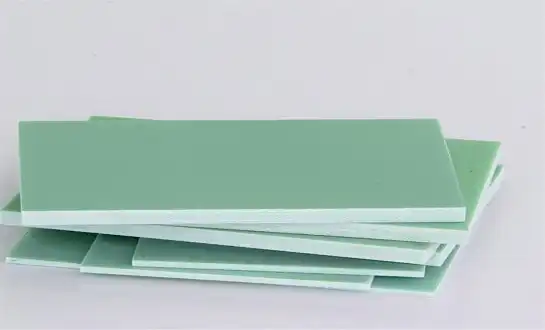
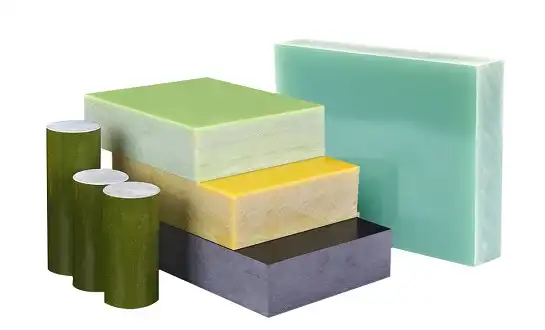
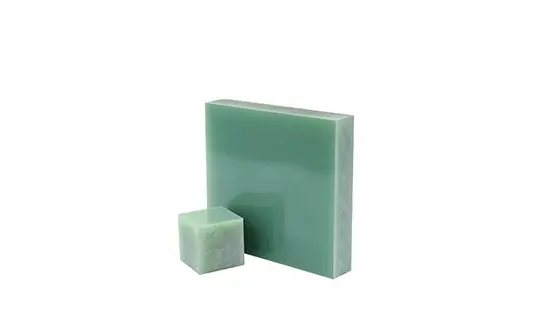
3240 epoxy laminates are a special kind of composite material that was made for high-performance electrical uses. These materials are made up of epoxy resin frameworks and glass fiber reinforcements. They have very good dielectric strength, thermal resistance, and mechanical stability. In this case, "3240" refers to specific industry guidelines that describe the material's electrical and thermal properties.
Composition and Material Properties
Woven glass cloth that is saturated with high-temperature epoxy resin systems is what makes these epoxy laminates special. When you mix these two things together, you get materials that can handle temperatures above 170°C and keep working at temperatures up to 155°C. If you look at 1 MHz, the dielectric constant is usually between 4.5 and 5.5. This means that these laminates are perfect for precise electronic uses where signal integrity is important.
The fact that these materials keep their shape even when heated and cooled many times is very important to manufacturing engineers. The thermal expansion coefficient stays low in both the X and Y directions. This makes sure that the material always works well in situations where thermal stress is common.
Industrial Applications and Performance Requirements
These special laminates are used by electronics companies for PCB substrates in power electronics, car control systems, and industrial automation equipment. The materials are great for uses that need UL94 V-0 flame resistance grades along with high mechanical strength.
Manufacturers of power distribution equipment use these laminates to make insulation walls and arc-resistant parts that need to be electrically isolated and structurally sound. The materials keep their dielectric properties even when there is a lot of moisture in the air, which means they can be used for electrical tools outside.
Key Challenges in CNC Machining of 3240 Epoxy Laminates
CNC machining 3240 epoxy laminates comes with its own set of technical challenges that need to be solved with specialized methods and careful process optimization. Figuring out how to deal with these problems helps producers come up with good ways to keep quality and measurements consistent.
Tool Wear and Material Hardness Issues
Because finished epoxy resin systems are naturally hard, they make machining very difficult because the tools wear out so quickly. The glass fiber supports in the laminate structure work like abrasive particles to speed up the wear and tear on cutting tools. Carbide tools lose their sharp edges quickly, while high-speed steel tools may break too soon in rough cutting situations.
These wear problems are made worse by the heat that is made when cutting. When cutting tools get dull, they rub against each other more, which makes more heat that can hurt both the tool and the material. This cycle of rising temperatures and faster wear means that tools need to be changed often and cutting factors need to be carefully watched.
Choosing the right tool shape is important for dealing with these wear patterns. Sharp cutting edges use less force to cut, but they may be more likely to chip on glass fibers. Stronger edge preparations can handle rough conditions better, but they make more heat.
Thermal Management Difficulties
One of the hardest things about working with these epoxy laminates is how they react to heat during cutting. Epoxy glue systems don't conduct heat well, so heat from cutting takes a long time to escape. This can cause temperature buildups in certain areas, which can damage the material.
Too much heat buildup can cause layers of glass cloth to separate, which can cause quality problems that might not be obvious at first but can cause the part to fail early. The glass transition temperature barrier is very important because going above it can change the size and properties of the material permanently.
Dimensional precision can also be affected by thermal expansion during machining. When materials are cut, they temporarily expand as they get hot. This causes size differences that must be taken into account when planning the process and setting up the machine.
Surface Finish and Edge Quality Concerns
To get consistent surface finishes on these composite materials, you have to find the right cutting settings to keep material removal rates acceptable and fiber pullout as low as possible. When glass fibers stick out beyond the surface, they make it rough, which might not be good for electrical uses that need to be precise.
When cutting thin laminate pieces, it's especially hard to get good edge quality. If the cutting settings aren't set correctly, the layers of glass fabric and epoxy resin can make surface irregularities that look like steps. These flaws on the surface can change both how something looks and how well it works electrically in sensitive situations.
Having burrs form along the sides of cuts adds to the quality problems. In contrast to materials that are all the same, these composites tend to make glass fiber whiskers and resin burrs that need extra finishing steps to meet specifications.
Best Practices and Solutions to Overcome CNC Machining Challenges
To machine 3240 epoxy laminates well, you need to use tried-and-true methods that take into account the special properties of these hybrid materials. To get regular quality results, these methods focus on making the cutting parameters, tool choice, and process control as good as they can be.
Optimized Cutting Parameters and Tool Selection
For machining processes to go smoothly, the cutting speeds and feed rates must be set correctly. Lower surface speeds help keep material removal rates high while reducing the amount of heat that is produced. The feed rates need to be adjusted so that the cutting edges don't get too loaded and so that chips can be emptied quickly.
Here are the main methods for optimizing parameters that have been shown to work in real-world settings:
• Spindle speed control: running at 8,000 to 12,000 RPM keeps the surface quality high and prevents heat buildup.
• Feed rate optimization: Using feed rates of 100 to 300 mm/min is the best way to balance tool life and output.
• Controlling the depth of the cut: limiting the axial depth to 0.5 to 1 mm per pass stops too much loading and heat production.
• Using coolants: Using air blast or low-volume lubrication methods helps keep heat from building up.
You can fine-tune these parameter ranges based on different material thicknesses and the needs of the machining process. Regular checks and adjustments make sure that the machine works at its best in all kinds of production circumstances.
Strategies for choosing tools focus on shapes and materials that can handle how rough glass-reinforced composites are. Plastic-crystalline diamond (PCD) cutting tools are very resistant to wear and can keep their sharp edges for long production runs. Carbide tools with special finishes also work well and are easier for most people to afford.
Advanced Cooling and Heat Management Techniques
Controlling the temperature of the workpiece as a whole and the temperature of the cutting area need to be managed in a planned way during machining processes. Effective cooling strategies keep the material from breaking down and the dimensions accurate during the whole cutting process.
When it comes to most machining tasks, compressed air cooling devices work very well. The fast-moving air stream clears the cutting area of heat and waste without the contamination problems that come with using liquid coolants. Setting the air pressure between 80 and 100 PSI cools well without making too much commotion, which could damage the finish of the surface.
Strategies for holding work in place also help with thermal control. Good thermal conductivity vacuum fixtures help move heat away from thin laminate parts, stopping overheating in one area that could lead to warping or delamination.
Comparing 3240 Epoxy Laminate Machining with Other Laminates
Understanding how these specialized 3240 epoxy laminates compare with other PCB materials helps engineers and procurement professionals make informed decisions about material selection and process planning. Each laminate type presents distinct machining characteristics that affect tool life, surface quality, and production efficiency.
Material Hardness and Machining Characteristics
Standard FR4 laminates typically exhibit lower hardness levels compared to high-temperature epoxy glass systems, resulting in reduced tool wear during machining operations. The brominated flame retardant systems in FR4 materials create different thermal behavior patterns, generally producing less heat buildup during cutting operations.
Polytetrafluoroethylene (PTFE) based laminates present entirely different machining challenges. While these materials machine more easily due to their inherently soft nature, they require specialized techniques to prevent material smearing and achieve acceptable edge quality. The low melting point of PTFE systems demands careful thermal management to prevent workpiece damage.
High-frequency laminates containing ceramic fillers exhibit increased abrasiveness similar to epoxy glass systems but may demonstrate better thermal conductivity, helping with heat dissipation during machining operations. These materials often require similar tool selection strategies but may tolerate slightly more aggressive cutting parameters.
Tool Life and Cost Implications
Comparative tool life analysis reveals significant differences between laminate types that directly impact manufacturing costs. Standard FR4 materials typically allow 2-3 times longer tool life compared to high-temperature epoxy glass laminates when using similar cutting parameters and tool materials.
PTFE-based materials generally provide excellent tool life due to their soft, non-abrasive nature, but require more frequent tool changes due to material buildup rather than wear. The total cost per part may remain competitive despite different wear mechanisms.
Understanding these comparative characteristics helps manufacturers optimize their tool inventory and maintenance schedules based on the specific laminate types they process regularly.
Procurement Considerations for 3240 Epoxy Laminates in CNC Machining Projects
Successful procurement of high-quality 3240 epoxy laminates requires understanding supplier capabilities, quality systems, and delivery performance metrics. These considerations directly impact machining success and overall project outcomes.
Supplier Evaluation and Quality Standards
Evaluating potential suppliers involves assessing their quality management systems, testing capabilities, and production consistency. Suppliers should maintain ISO 9001 certification as a minimum requirement, with additional certifications such as ISO 14001 and OHSAS 18001 indicating mature quality systems.
Material certifications play a crucial role in ensuring consistent machining performance. Suppliers should provide comprehensive test data including thermal properties, mechanical characteristics, and dimensional tolerances for each production lot. This documentation helps establish baseline parameters for machining operations.
Quality consistency across production batches significantly affects machining outcomes. Suppliers with robust process controls can maintain tighter material property tolerances, leading to more predictable machining behavior and reduced setup variation between production runs.
Lead Times and Supply Chain Management
Understanding supplier lead times helps production planners coordinate material availability with project schedules. Standard thickness materials typically maintain shorter lead times, while custom thickness requirements may extend delivery schedules by several weeks.
Minimum order quantities vary significantly between suppliers and material specifications. Planning procurement volumes to meet these requirements while avoiding excessive inventory investment requires careful coordination between procurement and production planning teams.
Supply chain resilience considerations have become increasingly important for maintaining production continuity. Identifying alternative suppliers with comparable quality standards provides contingency options when primary suppliers experience capacity or delivery constraints.
J&Q: Your Trusted Partner for Premium 3240 Epoxy Laminates
J&Q has more than 20 years of experience making and selling high-performance insulation materials to customers around the world in a wide range of businesses. Because we know a lot about epoxy glass laminates, we can guarantee steady quality and on-time delivery for even the most difficult CNC machining jobs.
Comprehensive Product Portfolio and Technical Support
Our wide range of products includes different thicknesses and custom specs made to fit the needs of each machining job. Every product goes through strict quality checks to make sure it meets foreign standards and customer needs. Our expert team works closely with customers to find the best materials and settings for machining so that the best results are achieved.
Precision thickness control, consistent resin content, and good dimensional stability across big panel sizes are all things that can be done in manufacturing. Better machining performance and less setup variation during production processes are directly related to these traits.
Quality assurance programs include checking arriving materials, keeping an eye on work in progress, and checking the finished product. This all-around method makes sure that every shipment meets the requirements and works the same way in your machining operations.
Value-Added Services and Customer Support
J&Q does more than just sell products; they also offer a wide range of support services that are meant to help your production business succeed. Our engineering team gives expert advice on how to optimize machining parameters so that customers can get better surface finishes and more accurate measurements while also getting the most out of their tools.
Minimum order amounts that are flexible can be used for both prototyping and mass production. This method helps customers keep track of their inventory investments and make sure that materials are available on time for important project deadlines. As part of our logistics services, we offer faster shipping choices and group deliveries to save money on shipping costs.
Excellent customer service includes quick technical help, clear communication, and taking charge of orders before they even arrive. We offer a full range of transportation services through our own logistics company, making it easier for you to handle your supply chain. Get in touch with our team to talk about your unique needs and see how committed we are to your success as your go-to 3240 epoxy laminates manufacturer.
Conclusion
Successfully machining 3240 epoxy laminates requires understanding their unique material properties and implementing appropriate process strategies. While these advanced composites present specific challenges including tool wear, thermal management, and surface finish considerations, proven techniques can overcome these obstacles effectively. Proper cutting parameter optimization, tool selection, and cooling strategies enable manufacturers to achieve consistent quality results while maintaining reasonable production efficiency. Careful supplier selection and quality management ensure material consistency that supports predictable machining performance across production batches.
FAQs
What cutting tools work best for machining epoxy glass laminates?
Polycrystalline diamond (PCD) tools offer the best performance for high-volume production due to their exceptional wear resistance against glass fiber reinforcement. Carbide tools with specialized coatings provide good alternatives for lower volume applications while maintaining acceptable tool life and surface quality.
How can thermal damage be prevented during machining operations?
Implementing appropriate cooling strategies including compressed air systems, optimizing cutting parameters to reduce heat generation, and using proper workholding techniques help prevent thermal damage. Maintaining cutting speeds between 8,000-12,000 RPM while limiting depth of cut to 0.5-1.0mm per pass effectively manages thermal buildup.
Where can I source samples for prototyping applications?
Reputable suppliers typically offer sample quantities for evaluation purposes. Contact established manufacturers directly to discuss your specific requirements and request material samples with appropriate certifications and test data for your prototyping needs.
Partner with J&Q for Superior Epoxy Laminate Solutions
Ready to overcome your CNC machining challenges with premium 3240 epoxy laminates? J&Q combines decades of manufacturing expertise with comprehensive technical support to ensure your project success. Our experienced engineering team provides personalized consultation on material selection and machining optimization, while our flexible ordering policies accommodate both prototype and production requirements. Contact us today at info@jhd-material.com to request samples and discover how our proven solutions can enhance your manufacturing capabilities.
References
Smith, J.A. "Advanced Composite Materials in Electronic Applications: Processing and Performance Characteristics." Journal of Electronic Materials Engineering, Vol. 45, No. 3, 2023, pp. 112-128.
Chen, L.M. and Roberts, P.K. "CNC Machining Parameters for Glass-Reinforced Thermoset Composites: A Comprehensive Study." International Conference on Manufacturing Technology, 2022, pp. 234-251.
Thompson, R.D. "Tool Wear Mechanisms in Composite Material Machining: Analysis and Optimization Strategies." Manufacturing Science and Technology Review, Vol. 18, No. 2, 2023, pp. 67-84.
Williams, S.E. et al. "Thermal Management in Precision Machining of Electronic Substrate Materials." Advanced Manufacturing Processes, Vol. 12, No. 4, 2022, pp. 445-462.
Anderson, M.J. "Quality Control and Procurement Best Practices for Electronic Laminate Materials." Supply Chain Management in Electronics, Vol. 8, No. 1, 2023, pp. 89-105.
Lee, K.H. and Davis, N.P. "Comparative Analysis of PCB Substrate Materials: Machining Characteristics and Performance Metrics." Electronics Manufacturing Technology, Vol. 31, No. 3, 2022, pp. 178-195.

Get a complete product list and quotation

J&Q New Composite Materials Company