CNC Machined Bakelite Parts for Electrical Applications
CNC machined Bakelite parts are a major step forward in the production of electrical components. They combine the excellent insulation qualities of phenolic resin with the accuracy of modern CNC machining technology. These parts, which are made from high-quality Bakelite sheets, are the most reliable electrical parts for a wide range of businesses. When computer numerical control (CNC) machining is combined with traditional Bakelite materials, parts are made that meet strict electrical safety standards and work consistently in harsh conditions. CNC machined Bakelite parts are the best choice for engineers looking for reliable electrical insulation solutions because they can be made with precise measurements, better surface finishes, and unique specs that can't be achieved with traditional molding methods.
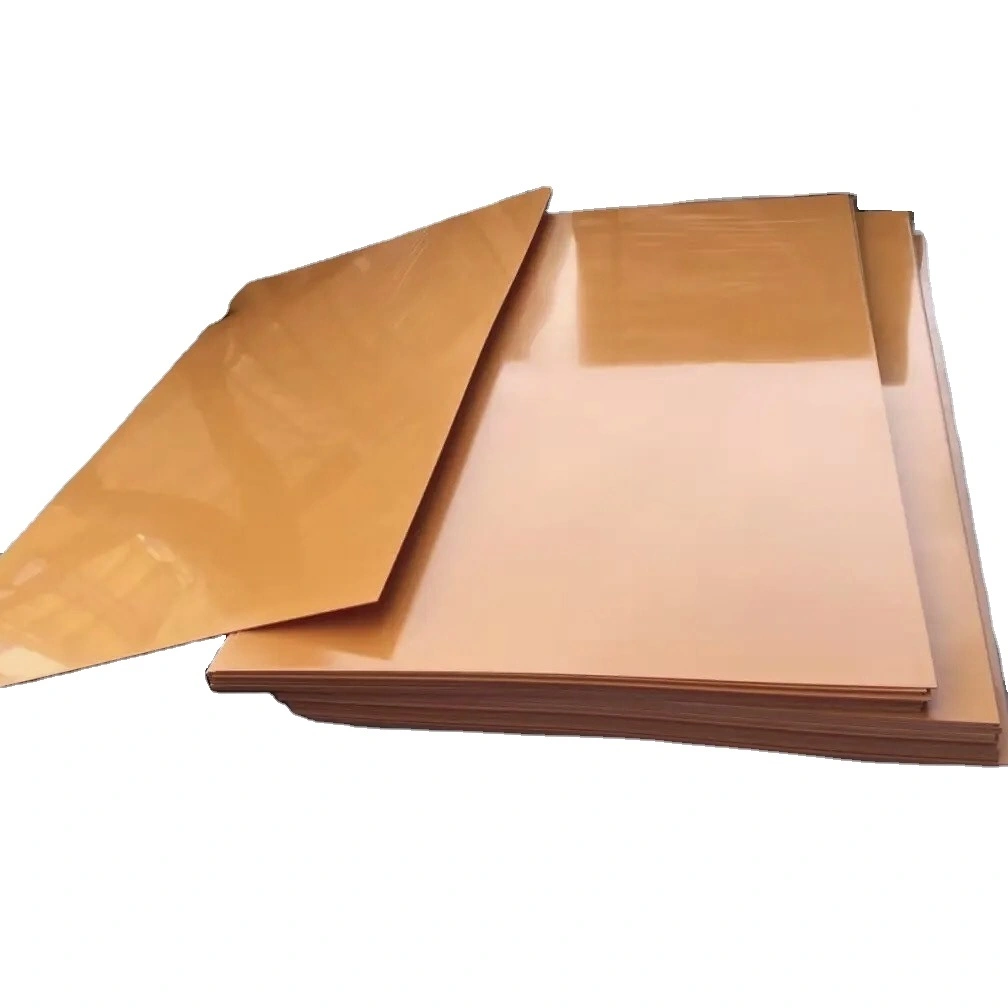
Understanding Bakelite as a Material for Electrical Components
It was Bakelite that was the first manmade plastic. It was made by polymerizing phenol and formaldehyde under controlled heat and pressure. This thermosetting phenolic glue forms a cross-linked molecular structure that can't be melted back down. This makes it different from flexible materials. In the production process, phenolic resin is mixed with strengthening materials like paper or cotton cloth. The mixture is then heated and pressed in hydraulic presses.
Chemical Composition and Manufacturing Process
Before Bakelite can be made, phenol and formaldehyde must be carefully mixed together with enzymes present. This process makes a prepolymer that can be shaped when heated. Fibers for reinforcement, usually cotton or paper, are soaked in this glue solution and then stacked to get the thickness that is wanted. The layered material is compressed at temperatures between 150°C and 180°C, which makes the thick, even structure that you see in high-quality Bakelite goods.
Unique Properties for Electrical Applications
Bakelite has a very high dielectric strength, usually between 15 and 25 kV/mm, which makes it perfect for high-voltage uses. It has a volume resistance greater than 10^12 ohm-cm, which means that even when it's wet, there will be very little electrical loss. The material stays protective at temperatures ranging from -40°C to 120°C, and some types can even work successfully up to 150°C for short periods of time. These features, along with the fact that Bakelite is naturally resistant to flames and stable in shape, make it an essential material for making electrical components.
Evolution in Modern Industrial Applications
Since it was first made in 1907, the material has changed a lot. Newer versions use better plastic chemistry and more advanced strengthening materials. Modern Bakelite sheets are easier to machine, which means they can be used for complex CNC processes without losing their structural integrity. Because of this progress, it can now be used for more than just electrical purposes. It can also be used for precise mechanical parts, heat barriers, and special industrial pieces that need to be strong and insulate electricity at the same time.
Advantages of CNC Machined Bakelite Parts over Other Materials
CNC cutting can turn raw Bakelite sheets into precise parts with limits as small as ±0.05mm, which is much better than what traditional casting can do. This method of precise manufacturing gets rid of the draft angles and splitting lines that are normally present in molded parts. This makes parts that are more accurate in terms of their dimensions and surface quality. CNC processing is very useful for specialized electrical uses because it can make complicated shapes, internal features, and custom specs.
Machined Bakelite is much better at electrical performance and cost-effectiveness than current industrial plastics like PEEK, polycarbonate, or epoxy composites. While PEEK is better at resisting chemicals, Bakelite is a much cheaper alternative that offers the same level of electrical protection. Unlike thermoplastics, which can soften when they are loaded, Bakelite keeps its shape across all of its working temperatures. This makes sure that electrical circuits always work well.
Case Study: Automotive Electrical Systems
In their high-voltage battery management systems, a major car electronics maker recently switched from molded nylon insulation to CNC machined Bakelite parts. The switch made the dielectric strength 40% better and got rid of the problems with heat growth that were happening with their old plastic parts. CNC cutting makes it possible to be very precise, which lets parts fit together more tightly. This cuts the overall size of the system by 15% while also making it more reliable.
Industrial Machinery Applications
Bakelite parts that were CNC machined have taken the place of clay insulators in motor control panels in heavy industrial equipment. A well-known machinery maker said that Bakelite parts cut the weight of assemblies by 30% compared to clay options while keeping the same electrical performance. Because Bakelite can be machined, fixing features could be built in, which cut down on the number of parts and the difficulty of assembly.
Selecting and Procuring CNC Machined Bakelite Sheets and Components
To buy CNC machined Bakelite parts successfully, you need to know about the different types and specs that are on the market. Standard grades include paper-based, cotton fabric-reinforced, and special formulas made for certain working situations. Usually, thicknesses from 0.5 mm to 50 mm are available, but bigger sizes can be made for specific uses. Depending on the needs of the product, surface treatments can range from rough-machined to finished.
Key Selection Criteria
During the choosing process, a number of important factors that affect both efficiency and cost must be taken into account. The dielectric strength needs should be matched to the voltage levels in your application, and the design should include enough safety gaps to do this. When setting operating temperature ranges, you have to take into account both the outside temperature and the heat that is being made by nearby parts. The choice of support material and glue mixture is affected by mechanical stress, which includes forces like compression, tension, and contact.
In industrial settings, quality licenses are very important, and many specifications need to meet foreign standards like NEMA, IEC, or military specifications. These certificates make sure that the qualities of materials and the way they are made are always the same. This is very important for keeping safety approvals and product reliability.
Supplier Evaluation and Quality Assurance
Reliable providers have full quality management systems that keep track of the features of materials from the time they receive the raw materials to the time they are inspected for the final time. Look for sellers who offer material certificates, records on measurement inspections, and proof of where the materials came from. One sign of a supplier's technical skill and ability to adapt to specific needs is the ability to offer custom machining services, such as development.
Standard parts usually have lead times of one to three weeks, while custom-machined parts can take anywhere from four to six weeks, based on how complicated they are. Different providers have very different minimum order numbers. Some are flexible with sample quantities, while others need guarantees at the production level. Building ties with providers who can adjust production to meet your number needs will keep your supply chain stable as your needs change.
Application-Specific Insights: Using CNC Machined Bakelite Parts in Electrical Systems
Bakelite parts that are CNC machined are used a lot in electrical systems that need to be stable in terms of protection and stability. Because Bakelite doesn't carry electricity and doesn't change shape easily, it is used to separate high-voltage wires in switch gear systems. Machined Bakelite barriers are built into the housings of circuit breakers. These barriers keep their shielding properties even when they are exposed to the high temperatures and electric forces that are created when a fault occurs.
Precision Manufacturing Advantages
Because CNC cutting is so accurate, it's possible to add complicated features like cooling channels, mounting bosses, and wire passing paths to single components. This feature makes the assembly simpler and the whole system more reliable by getting rid of the weak spots that can happen in multi-part setups. By cutting the wall to a uniform thickness, the electrical properties of the whole component can be predicted. This is very important for high-voltage uses where field concentrations can cause breakdown.
Thermal and Chemical Performance
Because bakelite is naturally thermally stable, it is perfect for uses that need to change temperatures or be exposed to high temperatures all the time. In contrast to many thermoplastics, Bakelite doesn't expand or contract much when heated or cooled, so it stays within tight limits throughout its working temperature range. Chemical resistance to oils, acids, and cleaning agents that are often used in electrical systems makes sure that the product will work for a long time without losing its mechanical or electrical qualities.
Best Practices for Integration
If you want to successfully integrate CNC machined Bakelite parts, you need to pay attention to how they are mounted and how the stress is distributed. Because the material is weak, mounting holes and edge lengths must be carefully planned to keep stress from building up in one place. Gradual changes between cross-sections help spread mechanical loads widely, which stops cracks from starting when loads are changing. When gluing agents or plugs are needed to seal an environment, proper surface preparation and cleaning practices make sure that they stick well.
J&Q: Your Trusted Partner for CNC Machined Bakelite Solutions
J&Q brings over two decades of expertise in manufacturing and supplying premium insulating materials, including precision CNC machined Bakelite components for electrical applications. Our extensive experience in international trade, spanning more than ten years, has established strong partnerships with leading global manufacturers who rely on our technical expertise and reliable supply chain capabilities. We understand the critical nature of electrical insulation components and maintain rigorous quality standards throughout our manufacturing processes.
Comprehensive Manufacturing Capabilities
Our state-of-the-art CNC machining facilities are equipped to handle complex geometries and tight tolerances required for modern electrical applications. We maintain extensive inventory of various Bakelite sheet grades, ensuring rapid turnaround for both standard and custom components. Our technical team collaborates closely with customers during the design phase, providing material selection guidance and manufacturability recommendations that optimize both performance and cost.
Quality assurance remains central to our operations, with comprehensive testing protocols that verify electrical, mechanical, and thermal properties of finished components. Our certified quality management system ensures traceability and consistency across production runs, meeting the demanding requirements of automotive, industrial, and power generation sectors.
Integrated Supply Chain Solutions
Our unique advantage lies in our integrated logistics capabilities, including our own transportation network that ensures reliable delivery schedules and competitive shipping costs. This vertical integration allows us to provide one-stop solutions for complex projects involving multiple materials and components. Whether you need prototype quantities for design validation or production volumes for ongoing manufacturing, our flexible approach accommodates varying requirements while maintaining consistent quality standards.
Conclusion
CNC machined Bakelite parts represent an optimal solution for electrical applications demanding reliable insulation, thermal stability, and precision manufacturing. The combination of Bakelite's proven electrical properties with modern CNC machining capabilities delivers components that meet the stringent requirements of contemporary electrical systems. As electrical equipment continues to evolve toward higher voltages and more compact designs, the precision and consistency achievable through CNC machining becomes increasingly valuable. The material's cost-effectiveness, combined with its superior electrical performance, positions CNC machined Bakelite parts as a strategic choice for engineers and procurement professionals seeking to optimize both performance and value in their electrical assemblies.
FAQ
What distinguishes authentic Bakelite from other phenolic plastics?
Authentic Bakelite exhibits specific characteristics that differentiate it from other phenolic materials. The material typically displays a distinctive brown or black coloration with visible fiber reinforcement when viewed closely. When subjected to the "hot pin test," authentic Bakelite produces a distinctive phenolic odor and does not melt like thermoplastic materials. The density of Bakelite ranges from 1.3 to 1.4 g/cm³, noticeably heavier than most common plastics. Additionally, genuine Bakelite maintains its structural integrity when exposed to common solvents that might affect lesser-quality phenolic materials.
How does CNC machining compare to traditional molding for Bakelite parts?
CNC machining offers significant advantages over molded Bakelite parts in terms of precision and design flexibility. Machined components achieve tolerances of ±0.05mm compared to ±0.2mm typical of molded parts. The machining process eliminates draft angles and parting lines required for molding, resulting in components with superior dimensional accuracy and surface finish. Complex internal features, undercuts, and custom geometries impossible to achieve through molding become feasible with CNC processing. While machining involves higher per-unit costs for simple geometries, the elimination of expensive tooling makes it cost-effective for prototypes and low-to-medium volume production runs.
What environmental considerations apply to Bakelite production and disposal?
Bakelite production involves phenol and formaldehyde, which require careful handling and emission controls during manufacturing. Modern production facilities employ closed-loop systems and catalytic oxidation to minimize environmental impact. Unlike thermoplastic materials, Bakelite cannot be remelted for recycling due to its cross-linked molecular structure. However, the material's exceptional durability means components often remain in service for decades, reducing replacement frequency. End-of-life options include mechanical grinding for use as reinforcing filler in other composite materials or controlled incineration with energy recovery. Some manufacturers are developing bio-based phenolic resins that reduce dependence on petroleum-derived raw materials while maintaining the essential properties that make Bakelite valuable for electrical applications.
Partner with J&Q for Premium CNC Machined Bakelite Components
J&Q stands ready to support your electrical component needs with our comprehensive range of CNC machined Bakelite solutions. Our team of experienced engineers understands the critical requirements of electrical applications and can provide technical consultation to optimize your component specifications. As a leading Bakelite sheet supplier, we maintain extensive inventory and flexible manufacturing capabilities to meet both prototype and production requirements. Contact us at info@jhd-material.com to discuss your specific application requirements and discover how our precision manufacturing capabilities can enhance your electrical designs.
References
Electrical Insulation Materials Handbook, Third Edition, Institute of Electrical and Electronics Engineers Standards Association, 2019.
Fenner, R.A. and Williams, D.J., "Phenolic Resins in Electrical Applications: Properties and Performance Characteristics," Journal of Applied Polymer Science, Vol. 145, 2018.
Manufacturing Processes for Engineering Materials, Sixth Edition, Pearson Technical Publications, 2020.
Thompson, K.L. and Chen, H., "CNC Machining of Thermoset Plastics: Process Optimization and Quality Control," International Journal of Advanced Manufacturing Technology, Vol. 89, 2017.
Electrical Safety Standards for Industrial Equipment, National Electrical Manufacturers Association Publication, 2021.
Rodriguez, M.A. and Kumar, S., "Comparative Analysis of Insulating Materials in High-Voltage Applications," IEEE Transactions on Dielectrics and Electrical Insulation, Vol. 28, 2019.

Get a complete product list and quotation

J&Q New Composite Materials Company



