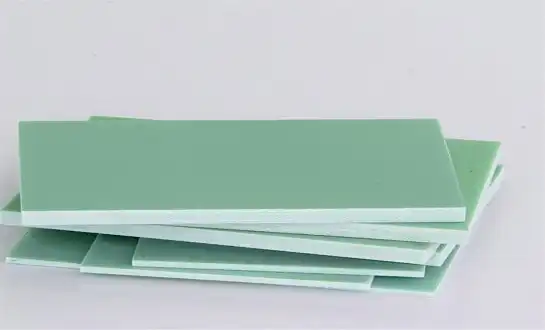
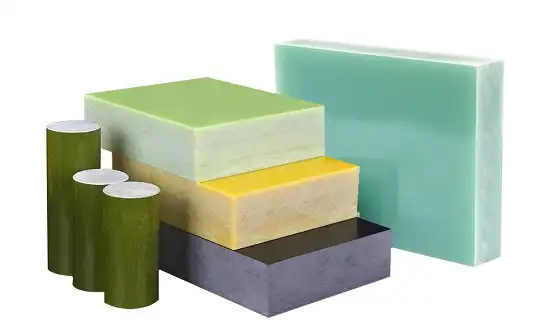
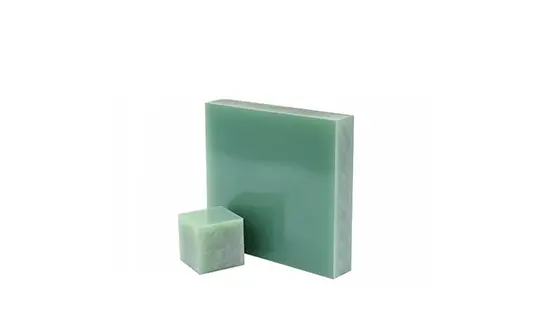
CNC Machining 3026 Phenolic Cloth Laminated Sheets for Insulation Parts
The 3026 Phenolic Cloth Laminated Sheet is always at the top of the list when engineers and procurement teams are looking for a material that can handle mechanical stress, electrical insulation, and thermal exposure all at the same time. The layers of this canvas-weave phenolic laminate are made of coarse cotton cloth that has been soaked with phenolic resin and then pressed together at high temperatures and pressures to make a hard board that can handle being hit. It comes from JingHong in widths from 0.5mm to 100mm and a typical sheet size of 1020mm x 2020mm. This gives engineers a lot of options without losing sturdiness. This material gives consistent, measurable performance and is certified by ISO 9001, ASTM D578, and UL 94. It can be used to make insulation parts for switchgear, transformer supports, or precision-machined gears.

Understanding 3026 Phenolic Cloth Laminated Sheets
What Sets the 3026 Grade Apart?
A type of laminate with the number "3026" is made with a thicker canvas weave than the 3025 grade, which is made with a thinner cloth. The rougher substrate can directly take in more impact energy and handle shock loads better. These are important qualities for a part that needs to be able to handle vibration, temperature changes, or being touched quickly by a machine.
Core Material Composition
A phenolic resin is used to glue several layers of twisted cotton cloth together. High pressure and heat are used to join the plies together during the lamination process. This makes a smooth board with no holes. A lot of the time, it weighs between 1.35 and 1.45 g/cm³ and is at least 100 MPa strong. It can hold weight and keep frames warm.
Certifications and Quality Standards
These boards are made by JingHong with ISO 9001 quality control in mind. ASTM D578 says that the boards are safe for glass textile products, and UL 94 says that they are safe for fires. Before it is sent out, each batch is checked to see how strong it is and how well it keeps heat in. Every year, JingHong can make 13,000 tonnes of goods. The company has been around for more than 20 years. They can make sure the process stays the same, which is important for professional buying teams.
Applications and Benefits of 3026 Phenolic Cloth Laminated Sheets in Insulation Parts
People in the power, electrical, and mechanical fields use this stuff for jobs that need a strong structure and good dielectric separation. Because it doesn't change shape when it's in oil, chemicals, or heat up to 120°C (Class E insulation), a lot of OEM sourcing managers keep coming back to it.
You can use this stuff and measure it most in these places:
- Electrical switchgear and terminal boards: The material is good for supporting terminal boards and arc-barrier spacers inside low-voltage distribution panels because it has a moderate dielectric strength and a high compressive rigidity. It doesn't let fastener loads creep, and it doesn't soak up water at a rate that would lower surface resistance.
- High-speed machines with silent gears and pinions: phenolic cloth gears make up to 15 dB less noise than metal gears in textile and printing equipment. Because the material naturally has a low friction coefficient and can hold on to oils, it means that maintenance stops are less frequent and service times are longer.
- Bearing bushings and wear strips: Stern tube bearings, rolling mill bushings, and suspension plates made from this laminate work better than metal versions when there isn't enough oil because the woven cotton base holds on to oil and doesn't seize up.
Costs go down over the lifecycle of 3026 Phenolic Cloth Laminated Sheet skills. Costs more per kilogram, but less downtime makes up for it. A gear set or bearing bushing that goes more quietly, needs less oil, and can handle chemical attack pays for itself.
Comparing 3026 Phenolic Cloth Laminated Sheets with Other Laminates
Performance Against Fiberglass and Epoxy Laminates
Bases for PCBs should be made of fiberglass-reinforced resin boards, such as FR4. These boards are better at stopping electrical flow. However, the cotton-woven phenolic material is better at absorbing impact energy and has less tool wear when heavy-duty gears, thick structural spacers, or parts that need to be turned and cut quickly and roughly are used.
Comparison with Paper-Based Phenolic Boards
Paper-based phenolic laminates are lighter, less expensive per sheet, and good for light-duty insulation panels. These don't bend as well when they get wet, and they don't hold up against shock loads as the 3026 cloth weave does. This grade is better to use when there are moving parts or when it will be touched by cutting fluids and oils.
When Mica or Melamine Products Are More Appropriate?
When mica-based laminates need to be used constantly above 180°C or come into direct contact with flames, they do a great job. This is higher than the Class E temperature limit of phenolic cloth boards. Melamine-based boards have a smoother surface that can be used to touch food or for decoration. If those things aren't true, the phenolic cloth laminate is generally a better choice in terms of cost and technical performance.
Procuring 3026 Phenolic Cloth Laminated Sheets for Your Business Needs
Specifications and Available Formats
Right now, JingHong has 2,500 tons of the normal 1020mm x 2020mm size in stock. The sizes range from 0.5 mm to 100 mm. Custom forms and widths can be made if asked for, but you have to order at least 500 kg. Packing that can be used for sea, land, or air freight keeps the sheets safe while they are shipped in boxes.
Sampling and Verification Before Bulk Orders
When buying something from another business, you often ask for a sample first before placing a full order. This step is okay with JingHong. Before placing an order, engineering teams can check their technical models against the real flexural strength, surface finish, and quality of the machined edges. You can also check the margins in this step, which is important for making sure that CNC-machined parts fit together well.
Logistics and Payment Terms
Because JingHong runs its own logistics infrastructure for 3026 Phenolic Cloth Laminated Sheet, it doesn't need to hire outside freight brokers to plan shipments by air, sea, and land. The money is sent through a T/T payment. Lead times change based on how many orders there are, how customized they are, and how they are shipped. Procurement specialists can make more accurate project schedules when they work with the sales team from the start.
CNC Machining Advantages for 3026 Phenolic Cloth Laminated Sheets in Insulation Parts
Why Does This Material Machine Well?
Because the board is made of scratchy cotton, its stiffness is the same all the way through. This means that the resistance for a CNC router or lathe stays the same during the whole cut. When you use sharp carbide tools, you can get clean edges that don't tear at the board face. The material doesn't need to be filled with water as metals do, so it takes less time to clean after the process.
Tolerances and Design Flexibility
With CNC cutting, engineers can make sure that the holes they drill, the slots they cut, and the shapes they turn are all very close in size. What this level of detail does to how well insulation parts fit together and how far apart they are electrically is shown below. Board supports, gear flats, and bearing seals are all examples of these types of parts. Parts that have been machined stay within the specs while they are being stored and put together because the material doesn't change size after it has been cut.
Production Efficiency in Industrial Volumes
Setting up CNC machines quickly and easily saves time. They also make it possible to make the same parts more than once, which is helpful for OEM sourcing managers who need to get them for more than one production run. With a capacity of 13,000 tons per year, JingHong guarantees a steady supply of raw sheets, so machinists can plan their work without having to wait for restocks.
Conclusion
The 3026 Phenolic Cloth Laminated Sheet is used for tough industrial and insulation jobs because it is resistant to oil, has Class E thermal stability, and is easy to cut with a CNC machine. This is because it fixes real production issues without making the answer too complicated. This material can be reliably turned from a raw sheet into a finished insulation part by people who work in the power sector, make electrical equipment, or sell car parts. For procurement teams, JingHong's certified production, wide range of thicknesses, and combined operations make sure they have the supplies they need to keep projects on schedule.
FAQ
What is the maximum continuous service temperature for this laminate?
The 3026 phenolic cloth board is rated at Class E insulation, which corresponds to a maximum continuous service temperature of 120°C. It maintains structural and electrical performance within this range. Applications requiring sustained exposure above 180°C should consider mica-based or silicone-impregnated laminates instead.
Can the sheets be cut to non-standard sizes?
Yes. JingHong accepts custom size requests beyond the standard 1020mm×2020mm format. Custom orders are subject to the 500 kg minimum order quantity, and lead times vary based on thickness and total volume. Contact the sales team early in your project timeline to confirm feasibility.
Does the material comply with RoHS or UL requirements?
The product is manufactured under ISO 9001 and meets UL 94 flammability requirements. Buyers requiring specific RoHS documentation or additional certifications for their end-product compliance should request the relevant test reports directly from JingHong before placing an order.
What tooling is recommended for CNC machining?
Sharp carbide-tipped tools produce the cleanest results. High-speed steel tooling dulls faster against the abrasive cotton-phenolic matrix. Keeping spindle speeds moderate and feed rates consistent prevents surface delamination and heat buildup at cut edges.
Get a Quote on 3026 Phenolic Cloth Laminated Sheet — Contact J&Q Today
J&Q is a dependable 3026 Phenolic Cloth Laminated Sheet maker that works with electrical, industrial, and automobile customers in the US and around the world. They have been in business for over 20 years and make 13,000 tons of product every year. We take care of everything, from getting samples to sending out large amounts. We have certified quality systems, and our thicknesses range from 0.5 mm to 100 mm. Integrated logistics also lets you ship by land, sea, and air. To start your search right away, go to blog.jhd-material.com or email info@jhd-material.com with your requirements.
References
1. ASTM International. ASTM D578: Standard Specification for Glass Fiber Yarn. ASTM International, 2023.
2. Underwriters Laboratories. UL 94: Standard for Tests for Flammability of Plastic Materials for Parts in Devices and Appliances. UL Standards, 2021.
3. International Organization for Standardization. ISO 9001: Quality Management Systems — Requirements. ISO, 2015.
4. Harper, C. A. Handbook of Plastics Technologies. McGraw-Hill, 2006.
5. Mazumdar, S. K. Composites Manufacturing: Materials, Product, and Process Engineering. CRC Press, 2002.
6. IEC. IEC 60085: Electrical Insulation — Thermal Evaluation and Designation. International Electrotechnical Commission, 2007.
Get a complete product list and quotation
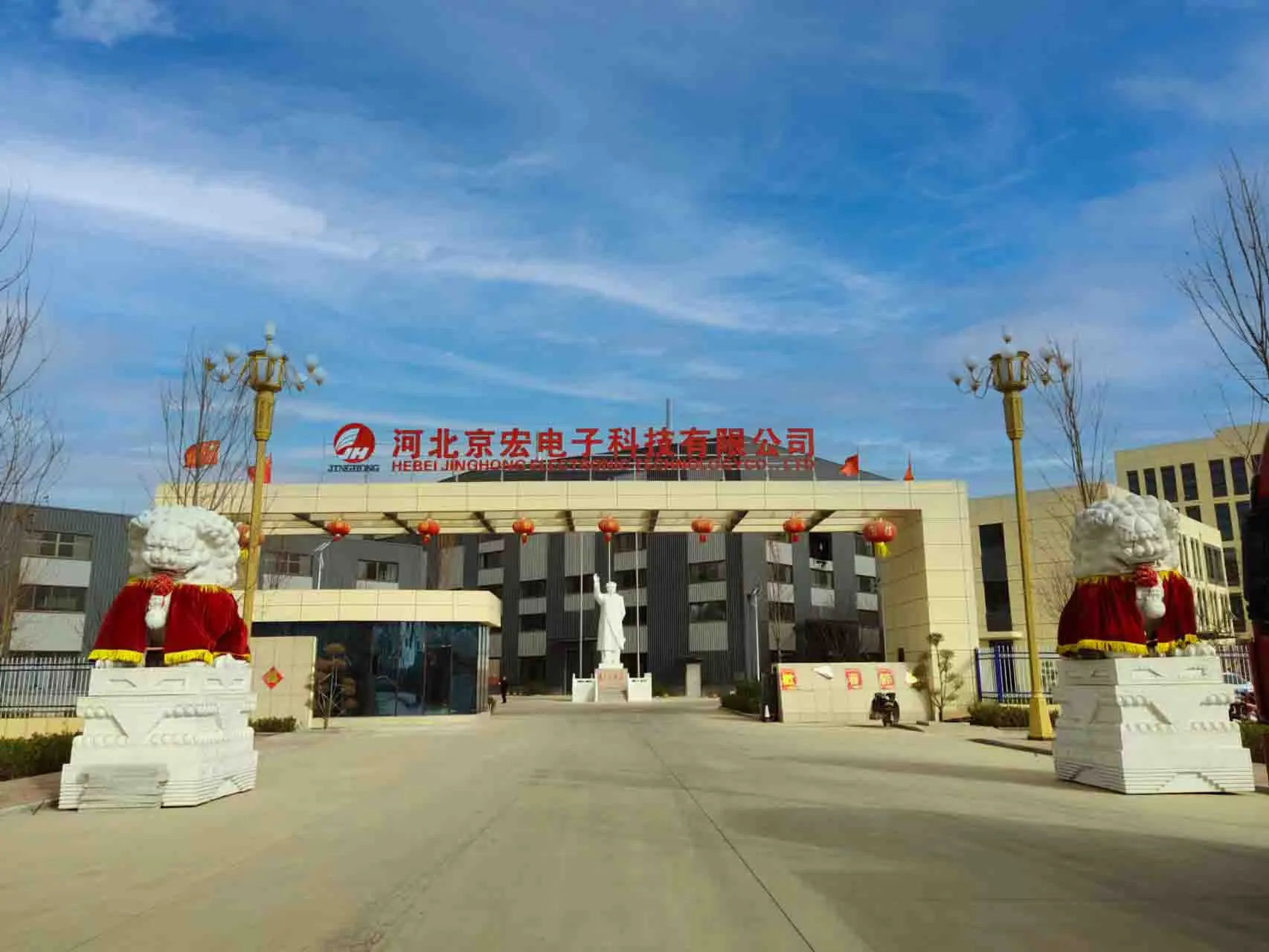
J&Q New Composite Materials Company