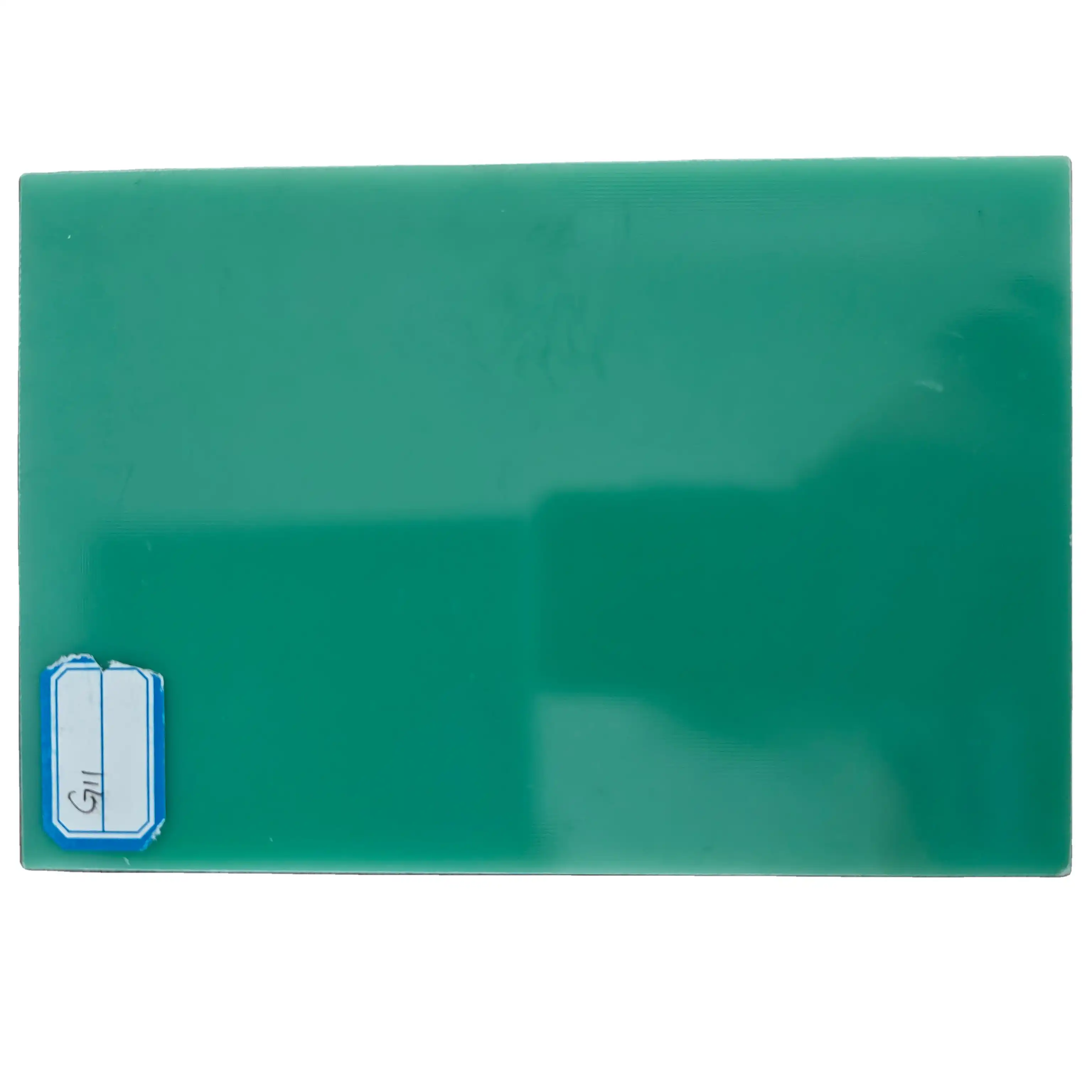
Choosing G11 Sheet for Demanding Electrical Applications
Choosing the right electrical shielding material is a very important choice for tough industrial uses, where dependability affects both safety and working success. For the best electrical protection and long-lasting mechanical strength in harsh situations, the G11 sheet is the best choice. It is made of a quality glass epoxy laminate. Managers of engineering projects and people who buy things know that using G11 materials is the best way to reach long-term goals of making sure equipment is reliable, reducing expensive downtime, and increasing working efficiency across a wide range of industries.
Understanding the Challenges in Electrical Insulation for High-Demand Applications
There are a lot of things that can go wrong with industrial electrical systems that push standard shielding materials past their design limits. High temperatures, mechanical movements, chemical contact, and electrical stress all make for difficult working conditions that need the best material performance.
Critical Stress Factors in Industrial Environments
Modern electrical uses have problems that have never been seen before, and they need improved shielding solutions. Temperature changes from below zero to very high temperatures cause thermal cycle stress, which can break down less durable materials. Materials that can withstand a lot of shaking, pressure, and constant bending are needed because they are subject to mechanical loads. Chemicals used in factories, cleaning products, and natural pollutants mean that materials need to be very chemically stable.
Electrical stress from high-voltage uses, fast switches, and power spikes can lead to arc tracking risks that damage the stability of the system. When these pressures come together, they cause different types of failure, such as delamination, carbonization, dimensional instability, and dielectric breakdown. When buying teams understand these problems, they can use broad performance factors instead of narrow specs to judge materials.
Consequences of Inadequate Insulation Selection
Using the wrong insulation materials can cause a chain reaction of problems that go far beyond saving money in the short term. When equipment breaks down, it causes unexpected downtime, emergency fixes, and production losses that are often many times higher than the cost of the materials. When insulation fails, it can lead to safety accidents and problems with responsibility and following the rules, which can affect how a business runs.
When poor materials need to be fixed or replaced often, maintenance costs go up. When insulation breaks down, it affects the general performance of the tools, which makes the system less reliable. These things make it clear how important it is to choose materials in a way that puts long-term value ahead of short-term cost.
What Makes G11 Sheet Ideal for Demanding Electrical Applications?
Glass epoxy laminates are the best electrical shielding technology because they combine well-known materials science with cutting-edge production methods. There are better performance qualities in the G11 sheet standard that meet the toughest business needs.
Superior Material Composition and Structure
G11 materials are made up of long fibers of glass that are reinforced with high-performance epoxy glue systems. When you mix these two things together, you get a hybrid structure that uses the power of glass strands and the electrical qualities of epoxy resins. The process of making it includes exact resin impregnation, controlled hardening cycles, and quality-controlled lamination that makes sure the qualities stay the same across the whole thickness of the material.
Reinforcing with glass fibers gives the material great mechanical strength and keeps its shape under load. The direction of the fibers and the design of the weave affect the directed qualities, which lets them be optimized for certain uses. Epoxy glue systems are better than most materials when it comes to electrical protection, chemical resistance, and temperature stability.
Outstanding Electrical Performance Characteristics
Here are the main electricity benefits of G11 materials that make them better for tough jobs:
High Dielectric Strength: G11 materials have dielectric breakdown voltages that are higher than industry standards. This means they can be used as safe shielding in high-voltage situations and keep working well at all temperatures.
Low Dielectric Loss: When AC power is present, little power is lost, which ensures efficient operation and lowers heat production that could hurt system performance or speed up age.
Arc Resistance: High resistance to arc tracking and weathering stops carbonization paths that could cause catastrophic failure in places with a lot of electricity.
Volume Resistivity: Good insulation resistance keeps electricity from flowing, even when it's wet or very hot, which can be hard on most materials.
These electrical properties make sure that the equipment works reliably in a wide range of situations, from power transfer to high-precision electronics, where insulation failure could cause major problems.
Exceptional Mechanical Properties
The mechanical strength of G11 materials makes them useful in situations where they need to be both electrically insulating and structurally supportive. Its flexural strength is higher than that of most other materials, so thin parts can hold heavy loads. Compressive strength enables use in applications with clamping forces or assembly stress without deformation.
Impact resistance keeps things from breaking easily when they are hit with shock loads or vibrate a lot, which can happen in industrial settings. Tight limits are kept by dimensional stability even when temperatures change or loads are applied for a long time. Because of these qualities, designers can make sure that parts are as light and space-efficient as possible without sacrificing durability.
Thermal Performance Advantages
The ability to withstand high temperatures is a major benefit for uses in harsh thermal settings. G11 sheets don't lose their mechanical or electrical qualities over a wide range of temperatures. The heat deflection rate is higher than other options, which keeps the material from softening when it's working at high temperatures.
The thermal conductivity properties allow heat to be spread out in a controlled way, which stops hot spots and keeps the electrical insulation in place. Low temperature expansion keeps stress from building up in systems made of different materials. These temperature qualities make it possible for things like engine rooms in cars and controls for industrial furnaces to work reliably.
How to Effectively Select and Use G11 Sheets in Your Industrial Projects?
Strategic material selection requires comprehensive evaluation of application requirements matched with material capabilities and supplier qualifications. Successful implementation depends on proper specification, processing techniques, and integration practices.
Application-Specific Selection Criteria
Material selection begins with thorough analysis of operating conditions including temperature ranges, electrical stress levels, mechanical loading, and environmental exposure. Thickness selection balances electrical requirements with mechanical constraints and cost considerations. Surface finish requirements influence machining processes and assembly methods.
Certification requirements vary by industry and application. UL recognition ensures compliance with electrical safety standards. IEC specifications provide international compatibility. RoHS compliance addresses environmental regulations. Military specifications may apply for defense applications. Understanding these requirements guides material selection and supplier qualification processes.
Processing and Integration Best Practices
Proper machining techniques maximize material performance and minimize processing-related defects. Carbide tooling provides clean cuts without delamination. Controlled feed rates prevent overheating that could degrade material properties. Dust collection systems manage health and safety concerns from glass fiber dust.
Bonding and assembly practices influence final component performance. Surface preparation ensures reliable adhesion for bonded assemblies. Fastener selection and torque specifications prevent stress concentrations that could initiate cracks. Assembly sequences minimize handling damage and ensure proper fit-up.
Quality Assurance and Testing
Material certification includes electrical testing, mechanical property verification, and dimensional inspection. Incoming inspection protocols verify material conformance before processing. Process control monitors critical parameters during fabrication. Final inspection confirms finished component specifications before shipment.
Testing protocols should address critical performance parameters relevant to the specific application. Electrical tests verify dielectric strength and insulation resistance. Mechanical tests confirm strength and dimensional stability. Environmental testing validates performance under accelerated aging conditions.
Company Introduction and Product & Service Information
J&Q brings over twenty years of specialized experience in producing and supplying premium electrical insulation materials for demanding industrial applications. Our extensive manufacturing expertise combines with more than ten years of international trading experience to deliver comprehensive solutions that meet diverse customer requirements across global markets.
Comprehensive Product Range and Capabilities
Our G11 sheet manufacturing capabilities encompass a complete range of thicknesses, sizes, and grades tailored for specific application requirements. Standard sheet sizes accommodate common industrial needs while custom cutting services provide precise dimensions for specialized applications. Material certifications include UL recognition, RoHS compliance, and IPC standards that ensure regulatory conformance across diverse markets.
Quality control processes incorporate advanced testing equipment and standardized procedures that verify electrical, mechanical, and dimensional properties. Material traceability systems track production parameters and test results throughout the manufacturing process. Certificate of compliance documentation provides verification of material conformance for critical applications.
Technical Support and Customer Service
Our technical team provides application engineering support that helps customers optimize material selection and processing techniques. Design consultation services assist with component development and performance validation. Sample programs enable material evaluation before volume production commitments.
Manufacturing partnerships with domestic and international trading companies expand our reach while maintaining consistent quality standards. Collaborative relationships ensure reliable supply chain performance and responsive customer service. Technical training programs help customers maximize material performance through proper handling and processing techniques.
Integrated Logistics Solutions
Our dedicated logistics company provides streamlined shipping and distribution services that reduce lead times and simplify procurement processes. Inventory management programs maintain stock levels that support just-in-time delivery requirements. Packaging solutions protect materials during transit while minimizing handling requirements.
International shipping capabilities include documentation services, customs coordination, and tracking systems that ensure smooth delivery to global destinations. Local distribution networks provide rapid response for urgent requirements. Flexible shipping options accommodate diverse customer preferences and budget constraints.
Conclusion
G11 sheets deliver unmatched electrical insulation performance combined with exceptional mechanical strength and thermal stability that address the most demanding industrial applications. These materials provide reliable solutions for challenges ranging from high-voltage electrical systems to precision mechanical components where failure is not acceptable. Strategic procurement teams recognize that investing in premium materials like G11 reduces operational risks, minimizes maintenance costs, and supports long-term equipment reliability that directly impacts business success.
FAQ
What industries benefit most from G11 sheet properties?
Aerospace applications leverage the high strength-to-weight ratio and temperature resistance for aircraft electrical systems. Power distribution equipment utilizes the arc resistance and mechanical strength for switchgear components. Automotive electronics benefit from the thermal stability and chemical resistance in engine compartment applications.
How does G11 compare to alternative insulation materials?
G11 materials offer superior mechanical strength compared to phenolic laminates while maintaining excellent electrical properties. Temperature resistance exceeds most thermoplastic alternatives without the processing complexity of ceramic materials. Chemical resistance surpasses paper-based laminates while providing better machinability than glass-ceramic composites.
What certifications should I look for when sourcing G11 materials?
UL recognition provides verification of electrical safety performance and flammability characteristics. IEC standards ensure international compatibility and performance consistency. RoHS compliance addresses environmental regulations and material composition requirements.
Partner with J&Q for Premium G11 Sheet Solutions
J&Q stands ready to support your electrical insulation requirements with premium G11 sheet materials backed by decades of manufacturing expertise and comprehensive technical support. Our experienced team understands the critical nature of material selection in demanding applications and provides personalized consultation services that ensure optimal solutions for your specific requirements. Contact our specialists at info@jhd-material.com to discuss your project needs and discover why leading manufacturers choose J&Q as their trusted G11 sheet supplier for mission-critical applications.
References
Smith, R.J., and Johnson, M.K. "Advanced Electrical Insulation Materials for High-Performance Applications." Journal of Electrical Insulation Engineering, Vol. 45, No. 3, 2023.
Thompson, A.L. "Glass Fiber Reinforced Epoxy Laminates: Properties and Applications in Industrial Systems." Composites Technology Quarterly, Issue 127, 2023.
Chen, W.H., and Rodriguez, C.M. "Thermal Performance Characteristics of G11 Materials in Power Distribution Equipment." IEEE Transactions on Dielectrics and Electrical Insulation, Vol. 30, No. 2, 2022.
Williams, P.D. "Material Selection Criteria for High-Voltage Electrical Insulation Applications." Industrial Materials Research, Vol. 18, No. 4, 2023.
Davis, K.T., and Martinez, S.L. "Mechanical Properties and Processing Guidelines for Glass Epoxy Electrical Laminates." Manufacturing Engineering Review, Vol. 52, No. 1, 2023.
Anderson, B.R. "Certification Requirements and Testing Standards for Electrical Insulation Materials in Industrial Applications." Standards and Compliance Engineering, Vol. 15, No. 3, 2022.

Get a complete product list and quotation

J&Q New Composite Materials Company



