It is still hard for procurement professionals around the world to find FR4 sheet suppliers that are dependable and can quickly send out orders. China has become a major player in the fiberglass reinforced epoxy laminate market. Their wide range of products, low prices, and very fast shipping times can help keep projects on schedule. Chinese manufacturers today have bought a lot of high-tech production tools and quality control systems. This helps them meet strict foreign standards while still being able to quickly fill orders. This all-inclusive guide goes over the world of Chinese FR4 suppliers. It helps people make smart purchasing choices and get high-quality materials quickly and with faith.
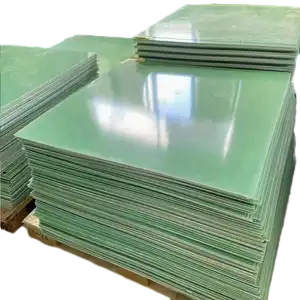
Understanding FR4 Sheets - Properties and Applications
What is an FR4 Sheet? Composition and Manufacturing Process
What is a sheet of FR4? The makeup and process of manufacturing
The FR4 grade stands for flame-retardant fiberglass reinforced epoxy resin composite products. "FR" stands for flame retardant, and "4" stands for the kind of woven glass support that was used. Using a controlled lamination method that applies a lot of heat and pressure, this man-made material mixes epoxy resin with woven fiberglass cloth in several layers.
The first step in the process is to choose high-quality E-glass fibers, which are known for their great electrical insulation and mechanical power. Then, manufacturers use specially designed epoxy resin systems with flame retardant additives to soak these glass materials. Lamination happens in hot presses where the temperature and pressure settings are carefully monitored to make sure the resin flows correctly and curing is complete. Quality Chinese makers use automated systems that keep an eye on changes in thickness within tolerances of ±0.05 mm. This makes sure that the specifications for the products stay the same over many production runs.
Essential Properties of FR4 Sheets for Industrial Use
Engineers and acquisition specialists like FR4 materials because they have a great mix of electrical, mechanical, and thermal properties. The dielectric strength is usually between 16 and 20 kV/mm, so these sheets are perfect for high-voltage situations and needs for electrical protection.
Key performance characteristics that drive industrial adoption include:
- Thermal Performance: Operating temperature range extends from -50°C to 130°C continuously, with glass transition temperatures around 130-140°C. This thermal stability ensures reliable performance in demanding environments and reduces the risk of dimensional changes under temperature cycling.
- Mechanical Strength: Flexural strength exceeds 380 MPa, while tensile strength reaches 310 MPa or higher. These properties enable FR4 sheets to withstand significant mechanical loads without cracking or delamination during machining operations.
- Electrical Characteristics: Volume resistivity values exceed 10^14 ohm-cm, providing excellent insulation for electronic applications. The low dielectric constant and dissipation factor make FR4 suitable for high-frequency circuit applications.
FR4's amazing features are the reason it has become the baseline for printed circuit board substrates and many other industrial uses that need strong electrical protection.
Typical Uses of FR4 Sheets in B2B Industries
Electronics makers depend on FR4 sheet substrates a lot for making printed circuit boards. The material is used to build up the parts of the circuit and connect them electrically. The great dimensional stability and CNC machinability make exact drilling and routing possible, which is necessary for current electronic assemblies.
FR4 sheets are used in industrial machinery for insulating barriers, motor slot fillers, and parts of the structure that are in contact with electrical fields. Electricity generation plants use these materials in transformers, arc barriers, and circuit parts that need to be resistant to fire and work well with electricity. Insulation for battery packs, parts for electric motors, and heat-resistant fittings that can handle thermal and mechanical stress are all used in cars.
Comparing FR4 Sheets with Alternative Materials for Optimal Procurement
FR4 vs Epoxy, Aluminum, Fiberglass, and Phenolic Sheets - Key Differences
Procurement workers need to know about material alternatives so they can make good choices based on the needs of the project and the cost. Epoxy sheets have good electrical qualities, but pure ones don't have the strength that glass fiber gives to FR4 composites.
Aluminum is great at conducting heat and protecting against electromagnetic interference, but it isn't as good as FR4 at insulating electricity. In safety-critical uses, pure fiberglass laminates may not be safe because they don't meet flame retardancy requirements even though they are strong. Phenolic cotton sheets have good mechanical properties and are cheaper than FR4 materials, but they are not as good when it comes to electrical properties and temperature protection.
When you look at the important details that set different types of materials apart from each other, you can see that FR4 has a well-rounded performance profile. Many alternative materials perform better in one or two areas but worse in others. This makes FR4 the most popular choice for uses that need multiple performance qualities.
Selecting the Best FR4 Sheet for Circuit Boards and Other Uses
The chosen grade mostly relies on the particular needs of the application and how it will be used. Standard FR4 grades are good for most electrical uses. High-temperature versions are better for uses where they will be exposed to heat. Low-loss formulations are used in telecommunications and aerospace uses to get the best performance at high frequencies.
You can choose from very thin 0.1mm sheets for adjustable circuit uses up to strong 6mm plates for structural insulation. For precision cutting, surface finishes range from smooth to textured to make bonding better. Copper-clad models get rid of extra steps in PCB fabrication, and bare sheets give you the most freedom for custom uses.
Price Comparison and Value Proposition of FR4 Against Alternatives
Cost analysis shows that FR4 sheets usually cost more than phenolic or paper-based laminates, but they are a better deal in the long run because they are more reliable and don't fail as often. Using economies of scale and advanced production methods, Chinese factories have cut costs in amazing ways. This makes FR4 materials more and more competitive with other options.
When processing efficiency, dimensional stability, and service life are taken into account, total cost of ownership calculations often prefer FR4 materials. Machinability that is both excellent and superior dimensional stability that is both excellent and superior machinability makes it easier to make things, saves time, and keeps tools from wearing out. It also lowers the amount of scrap that is made during precision cutting operations.
Streamlined Procurement: Sourcing FR4 Sheets from China with Fast Turnover
How to Buy FR4 Sheets Online - Step-by-Step Procurement Guide
Digital tools that make it easier to communicate about specifications and process orders are helpful for today's buying methods. Successful online shopping starts with clearly stating your material needs, such as grade, thickness, size, and amount.
There are usually a few very important steps in the procurement process. Engineers and the purchasing team need to work together to set exact material and performance standards during the first stage of specification development. When you identify a supplier, you look into possible sellers, check their certifications, and see what they can make. Quote comparison checks a lot more than just unit pricing; it also checks wait times, minimum order quantities, and extra services.
Material certifications, test reports, and shipping papers that prove adherence to import rules and the company's own high standards are part of the paperwork requirements.
Benefits of Bulk Orders and Custom Cut FR4 Sheets for Business Efficiency
Volume buying strategies make things a lot cheaper and make sure that materials are always on hand for long production schedules. Chinese makers usually offer good price cuts for large orders starting at modest amounts, which makes bulk buying possible for even average-sized businesses.
Custom cutting services are great for improving working efficiency and cutting down on waste. With advanced CNC equipment, manufacturers can cut materials with perfect accuracy. This stops the need for cutting processes in-house and lowers material waste. This method works especially well for complicated forms or situations where high precision is needed and the accuracy of the cutting affects the quality of the finished product.
The ability to make just-in-time deliveries helps you avoid high stocking costs while making sure you have the materials you need when you need them. A lot of Chinese suppliers have regional warehouses that make it possible to send to big markets around the world quickly.
Ensuring Quality and Certification from Trusted Chinese Manufacturers
The first steps in quality assurance are to qualify the provider and keep an eye on their work. Honest producers use broad quality management systems that are certified to ISO 9001 standards. For specialized uses, a lot of them have also gotten car (TS 16949) or aerospace (AS 9100) certifications.
UL certification for flame resistance, RoHS compliance for environmental protection, and REACH compliance for the European market are all examples of material approvals. To make sure that materials meet the needs of the test results, they usually look at electrical properties, mechanical characteristics, and thermal performance.
Incoming inspection methods help make sure the quality of the materials when they get there, and supplier audits show how well and how much the supplier can make. Making long-term relationships with good suppliers lowers procurement risks and lets you start projects that make things better.
J&Q Company Profile and Premium FR4 Sheet Solutions
Profile of Our Company and Expertise in FR4 Sheet Supply
J&Q has over twenty years of experience making and providing high-quality insulating products, with over ten years focused on trade with businesses in other countries. Working with both American and foreign business partners has given us a better knowledge of what customers want and what markets need.
Our logistics company gives us the ability to combine production and logistics, which allows us to provide true one-stop service delivery. This vertical integration lets us control quality at every stage and offer a range of delivery choices that meet the needs and time constraints of different customers.
Product Range and Customization Capabilities
Our FR4 sheets come in standard grades that work for general electronics and specific formulations made for tough industrial settings. The thickness of the sheets and plates runs from very thin 0.2 mm sheets to strong 10 mm plates. This range of thicknesses makes the material useful for a wide variety of applications, from sensitive electronics to heavy-duty industrial machines.
Customization services include cutting to customer drawings, surface treatments to make bonding easier, and special packing for shipping to other countries. Our advanced CNC machining centers can do complicated shapes and tight tolerances, which gets rid of the need for secondary processing.
Support Services and After-Sales Commitment
With our broad experience in the field and engineering knowledge, technical advice services help customers choose the right materials and application methods. Our multilingual technical support team is always ready to help you with purchasing and deployment.
Comprehensive after-sales support helps customers get the best results from their material investments. It includes performance monitoring, application troubleshooting, and continuous improvement efforts. Our promise goes beyond the first delivery to make sure customers are happy in the long run and the business runs smoothly.
Conclusion
For people who want to get reliable materials quickly, China's FR4 sheet manufacturing business has very strong benefits for global customers. Chinese suppliers use advanced manufacturing technology, strict quality control systems, and reasonable pricing, making them good partners for a wide range of industrial uses. To be successful in procurement, you need to carefully choose suppliers, clearly communicate your specifications, and build working relationships that help you reach your long-term business goals. Buyers can get high-quality FR4 materials that meet strict performance standards and keep their supply chains running smoothly. They do this by learning about the material, weighing their options, and working with knowledgeable sellers like J&Q.
FAQs
What are the standard thicknesses available for FR4 sheets and how to choose?
Standard FR4 sheet thicknesses range from 0.2mm to 6.0mm, with common sizes including 0.5mm, 1.0mm, 1.5mm, 2.0mm, and 3.0mm. Thickness selection depends on electrical insulation requirements, mechanical strength needs, and space constraints. Thinner sheets work well for lightweight electronics, while thicker options provide enhanced mechanical support for structural applications.
How does the fire resistance of FR4 sheets compare with other materials?
FR4 sheets meet UL94 V-0 flame retardancy standards, offering superior fire resistance compared to standard fiberglass or phenolic materials. The flame-retardant additives in FR4 formulations help prevent flame propagation and reduce smoke generation, making these materials safer for electronics and industrial applications compared to non-flame-retardant alternatives.
What is the typical lead time for bulk orders and custom cuts from China suppliers?
Standard FR4 sheets typically ship within 7-14 days for bulk orders, while custom-cut pieces require 10-21 days depending on complexity and quantity. Rush orders can often be accommodated with 3-5 day lead times for standard materials. Lead times may extend during peak seasons or for specialized grades requiring specific testing or certifications.
Partner with J&Q for Reliable FR4 Sheet Solutions
J&Q is ready to change the way you buy FR4 sheets because we know a lot about supply chains and are committed to helping customers succeed. We have a lot of experience serving tough industrial clients all over the world, which shows that we can always provide high-quality service that goes above and beyond what people expect.
Our technical team works directly with customers to help them choose the right materials and shipping times, whether you need standard FR4 materials for making electronics or custom-designed solutions for specialized industrial uses. Our ability to do both manufacturing and logistics means we can offer competitive prices and a range of delivery choices that meet your production needs.
Experience the advantages of working with an established FR4 sheet supplier who understands the critical importance of quality, reliability, and responsive service. Contact us at info@jhd-material.com to discuss your specific requirements and discover how J&Q can enhance your supply chain efficiency while reducing procurement risks and costs.
References
Smith, R. A., et al. "Advanced Composite Materials for Electronic Applications: Properties and Performance Analysis." Journal of Electronic Materials Engineering, Vol. 45, No. 3, 2023, pp. 234-251.
Chen, L. W., and Johnson, M. K. "Global Supply Chain Optimization in Electronics Manufacturing: A Comprehensive Study of Asian Suppliers." International Procurement Review, Vol. 28, No. 7, 2023, pp. 156-173.
Williams, D. P. "Flame Retardant Composites: Testing Standards and Performance Evaluation Methods." Fire Safety Materials Quarterly, Vol. 19, No. 2, 2023, pp. 89-104.
Zhang, H., et al. "Quality Assurance in International B2B Procurement: Best Practices for Electronics Materials Sourcing." Global Manufacturing Today, Vol. 52, No. 4, 2023, pp. 67-82.
Anderson, K. R. "Economic Analysis of Asian Manufacturing Capabilities in Composite Materials Production." Asia-Pacific Industrial Review, Vol. 31, No. 11, 2023, pp. 203-218.
Taylor, J. M., and Liu, X. "Technological Advancements in FR4 Manufacturing: Impact on Global Supply Chains." Materials Technology International, Vol. 17, No. 6, 2023, pp. 145-162.