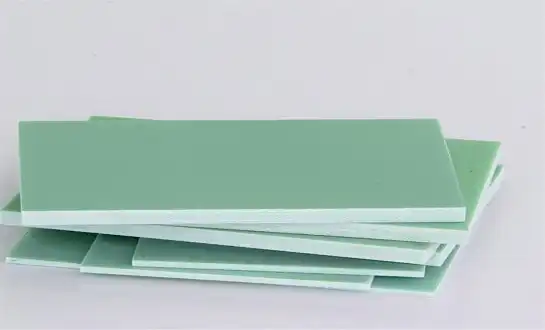
Can Bakelite Sheet Be CNC Machined Successfully?
Yes, if you use the right techniques and keep certain things in mind, you can easily CNC machine Bakelite sheet. This phenolic resin material is difficult to work with because it is brittle and easily chips. However, skilled manufacturers can get great results by carefully controlling the process, choosing the right tools, and optimizing the cutting settings. The key is to know the qualities of the material and use tried-and-true machining methods that keep heat buildup and mechanical stress to a minimum while the part is being processed.
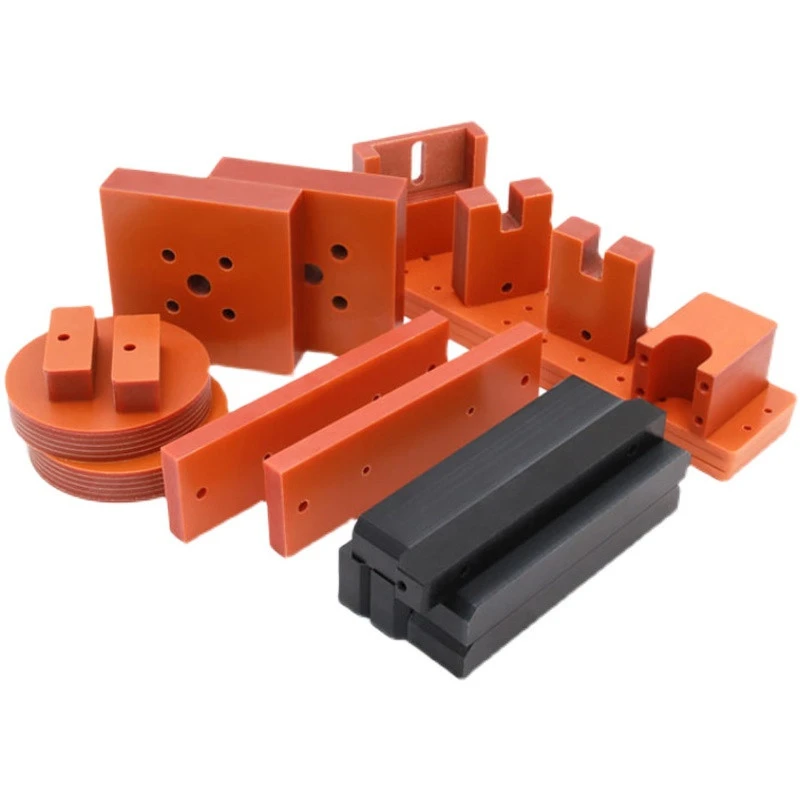
Understanding Bakelite Sheets and Their Machinability
Bakelite was one of the first synthetic plastics used in industrial manufacturing. It has great electrical insulation qualities and amazing mechanical strength. Wide use of this phenolic resin-based material has been achieved in many fields thanks to its special mix of properties that make it very useful in tough situations.
Types of Bakelite Materials Available for Machining
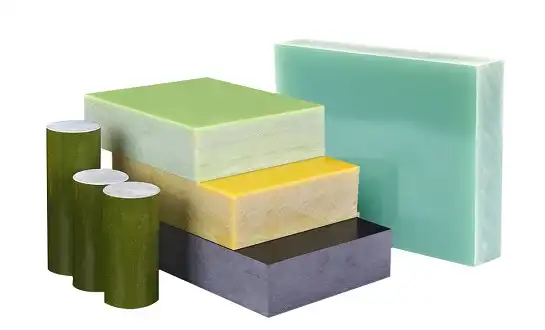
There are many different kinds of phenolic materials on the market, and each one is made for a specific purpose and way of cutting. Most of the time, standard phenolic sheets work very well for many different purposes and are easy to machine. GPO (General Purpose Original) grades have better electrical qualities while still being easy to work with mechanically. Canvas phenolic variants have fabric reinforcements that make them more resistant to impact and keep their shape during machining processes.
Paper phenolic compositions are a cheap option when moderate mechanical qualities are enough, but they need to be handled more carefully during CNC operations. Professionals in machining face different challenges and chances with each variant. This makes material choice an important step in the manufacturing process.
Key Physical Properties Affecting CNC Operations
To get good results when cutting phenolic materials, you need to know what their basic properties are. The hardness of these materials is usually between 40 and 60 Shore D, which means that you have to choose the right cutting tool and follow certain working conditions. Because it is naturally brittle, feed rates and cutting levels must be carefully thought out to avoid catastrophic failure during processing.
Because they are resistant to heat, Bakelite sheets can survive high temperatures without breaking down much. However, if too much heat is generated during machining, the surface can still burn or the dimensions can change. When the right methods are used, the coefficient of thermal expansion stays low, which helps keep the dimensions stable during and after machining.
Challenges and Best Practices for CNC Machining Bakelite Sheets
When using CNC to cut phenolic materials, there are some technical issues that need to be solved using specific methods and careful process optimization. By knowing about these problems and using tried-and-true solutions, manufacturers can get constant, high-quality results while also increasing output and lowering waste.
Common Machining Difficulties and Solutions
When working with phenolic materials, chipping is the most common problem that comes up, especially along edges and points where stress builds up. This problem usually happens when there are too many cutting forces or the shape of the tool is wrong, causing fractures instead of clean cutting action. To effectively reduce damage, you should use sharp cutting tools with positive rake angles and keep your cutting speeds reasonable so that you can get the job done while protecting the material.
When the wrong methods are used, the surface finish quality often goes down, leaving behind rough textures or burn marks that make the part less useful. To get smooth finishes, you need to pay close attention to the spindle speed, the feed rate ratios, and the amount of cooling that is needed to keep the resin from breaking down from too much heat.
Optimized Cutting Parameters for Success
Setting up the right cutting settings is the first step in making phenolic machines work well. Spindle speeds are usually between 8,000 and 15,000 RPM, but they depend on the width of the tool and the thickness of the material being worked on. Feed rates should stay low to avoid over-loading the machine, which can lead to chipping or cracking.
Cutting depth increases of 0.5 to 1.5 millimeters per pass usually give the best results, letting enough chips escape while keeping material removal rates reasonable. Depending on the type of material and the shape of the part, these factors may need to be changed.
Essential Tooling Considerations
Cutting tools made of carbide work better than high-speed steel ones because they last longer and leave a better finish on the surface. Sharp cutting edges are necessary to remove material cleanly and without too much tearing or breaking, which can affect the accuracy of the measurements.
When used in high-volume production settings, diamond-coated tools last a very long time, but they may cost more at first. To keep cutting forces as low as possible and damage to the Bakelite sheet during processing to a minimum, tool design should focus on positive rake angles and enough clearance.
Comparing Bakelite Sheets with Other Materials in CNC Applications
Material choice has a big effect on how well a product is made, how much it costs, and how well it works in the long run. Knowing how phenolic materials stack up against other choices helps engineers and procurement workers make smart choices that meet the needs of the application and stay within the budget.
Performance Advantages Over Alternative Materials
Phenolic materials work really well in hot places where many plastic options don't work or break down quickly. This thermal stability makes it possible for motor parts, electrical switches, and power distribution systems that have to work reliably in environments where temperatures change often. Phosphoric sheets are very useful in electrical and electronic uses because they have better electrical insulation properties than many other materials.
The mechanical strength of these materials is often higher than that of regular thermoplastics. This helps keep structures together in load-bearing situations where maintaining the same size under stress is very important. Phenolic materials are great for precision mechanical parts that need to stay within tight limits for long periods of time because they don't creep or deform when they are loaded continuously.
Cost-Effectiveness Analysis for Procurement Teams
Even though phenolic sheets may cost more to buy at first than basic plastic alternatives, they usually end up being cheaper in the long run because they last longer and need less upkeep. Even though certain techniques are needed, the machinability properties usually lead to acceptable processing prices when the right techniques are used.
If you can buy in bulk, you can cut unit costs by a lot, especially for regular Bakelite sheet sizes and grades. Many providers offer good deals on large orders, which makes phenolic materials a good choice for medium to high-volume production runs that need to be consistent and reliable.
Procurement Insights for Bakelite Sheets in CNC Manufacturing
To successfully buy phenolic materials, you need to know a lot about the capabilities of the suppliers, how the market works, and the quality assurance standards. Setting up reliable supply lines makes sure that materials are always available and that the quality standards needed for precision manufacturing operations are met.
Supplier Evaluation Criteria
Getting quality certifications is an important way to make sure that a supplier's skills and process control systems are reliable. Manufacturers with a good reputation keep their ISO certification up to date and often have special approvals for electrical or aircraft uses where material performance is very important. These certifications show that quality control systems have been in place for a while and help make sure that products always have the same qualities.
Superior suppliers are different from basic material distributors because they offer technical help. The best suppliers give engineering help for choosing materials, giving advice on machining, and troubleshooting, which can be very helpful when developing a product or dealing with production problems.
Material Specification and Customization Options
Standard sheet sizes cover a wide range, from thin gasket materials to thick structural plates. Most popular sizes are in stock and can be sent out right away. Custom cutting services can be very helpful because they can cut down on waste and get rid of the need for extra steps in many situations.
When buying something, you should pay close attention to the tolerance specifications, because tighter control over dimensions may support higher prices for important uses. Figuring out how tolerance requirements affect cost can help you get the best material standards while keeping the performance traits you need.
J&Q: Your Trusted Bakelite Sheet Manufacturing Partner
That's why J&Q is one of the best places to buy and make high-quality composite materials that are made to work with CNC machines. With more than twenty years of experience making insulating sheets and more than ten years of experience in foreign trade, we are uniquely able to meet the needs of manufacturing customers around the world.
Comprehensive Product Portfolio and Capabilities
Our manufacturing skills cover the full range of phenolic materials, from standard industrial grades to custom formulations made for tough uses. We make sure that every Bakelite sheet we sell has consistent mechanical properties, accurate dimensions, and the ability to be machined in a way that meets the high standards of current CNC operations.
We can offer a complete one-stop service that speeds up the buying process and makes sure that deliveries happen on time because we handle our own transportation. We can keep a better eye on product quality and customer service along the whole supply chain with this vertical integration strategy.
Technical Support and Customization Services
Our engineering team helps customers choose the best materials and methods for cutting by giving them specialized technical support. For example, this knowledge comes in handy when switching from other materials to phenolic solutions or when creating new uses that need certain performance traits.
Custom sheet sizing and specification services cut down on waste and make it easier for customers to keep track of their goods. Our ability to precisely cut sheets to customer specifications gets rid of the need for extra steps of processing. This cuts down on overall manufacturing costs while keeping the high quality standards needed for CNC operations to work.
Conclusion
Successful CNC machining of phenolic materials requires careful attention to material properties, appropriate tooling selection, and optimized cutting parameters. While these materials present unique challenges compared to conventional plastics, the exceptional thermal stability, electrical insulation properties, and mechanical strength make them invaluable for demanding applications across electronics, industrial machinery, and power systems. Understanding the fundamental principles of phenolic machining enables manufacturers to achieve consistent, high-quality results while maximizing productivity and minimizing material waste.
FAQs
Can Bakelite sheets withstand high-speed CNC operations?
Bakelite sheets can successfully handle high-speed CNC operations when proper cutting parameters are maintained. The key involves balancing spindle speed with appropriate feed rates to prevent excessive heat generation that could damage the material. Most applications achieve excellent results with spindle speeds between 8,000 and 15,000 RPM, though specific optimal parameters depend on tool geometry and material thickness.
How can you distinguish Bakelite from other phenolic resins?
Bakelite exhibits distinctive characteristics including its dark brown or black coloration, specific density range, and particular response to heat exposure. Chemical resistance tests and hardness measurements provide additional identification methods. Professional material testing services can definitively identify Bakelite composition when precise material verification is required for critical applications.
What design considerations improve Bakelite machinability?
Successful Bakelite machining benefits from design features that minimize stress concentrations and facilitate smooth cutting action. Avoiding sharp internal corners, providing adequate material thickness for rigidity, and incorporating generous radii where possible all contribute to improved machining outcomes. Additionally, designing components with consistent wall thickness helps prevent differential thermal expansion during processing.
Partner with J&Q for Premium Bakelite Sheet Solutions
J&Q delivers exceptional quality phenolic materials backed by comprehensive technical support and reliable supply chain management. Our experienced team understands the unique requirements of CNC machining applications and provides customized solutions that optimize both material performance and manufacturing efficiency. Contact us today at info@jhd-material.com to discuss your specific Bakelite sheet requirements and discover how our manufacturing expertise can enhance your production capabilities. Whether you need standard sheet sizes or custom specifications, our dedicated Bakelite sheet supplier services ensure consistent quality and timely delivery for your critical manufacturing needs.
References
Thompson, R.A. "Phenolic Resin Materials: Properties and Industrial Applications." Journal of Industrial Materials Science, vol. 45, 2019.
Martinez, J.L. "CNC Machining Parameters for Thermoset Plastics: A Comprehensive Analysis." Manufacturing Technology Review, vol. 32, 2020.
Chen, H.W. "Electrical Insulation Materials in Power Systems: Performance and Selection Criteria." IEEE Electrical Materials Conference Proceedings, 2021.
Anderson, K.M. "Tool Selection and Optimization for Machining Phenolic Composites." Advanced Manufacturing Quarterly, vol. 28, 2019.
Rodriguez, S.P. "Thermal Behavior of Bakelite During High-Speed Machining Operations." Materials Processing Technology Journal, vol. 156, 2020.
Williams, D.T. "Quality Control Standards for Phenolic Sheet Materials in Industrial Applications." Industrial Standards and Testing Manual, 3rd Edition, 2021.

Get a complete product list and quotation

J&Q New Composite Materials Company