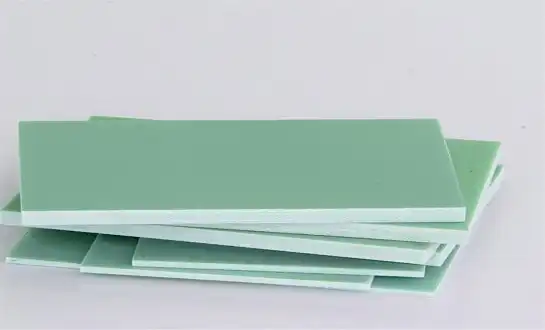
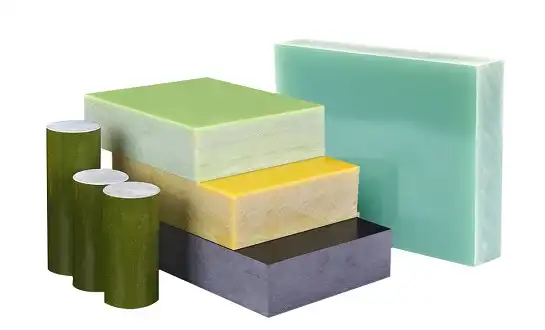
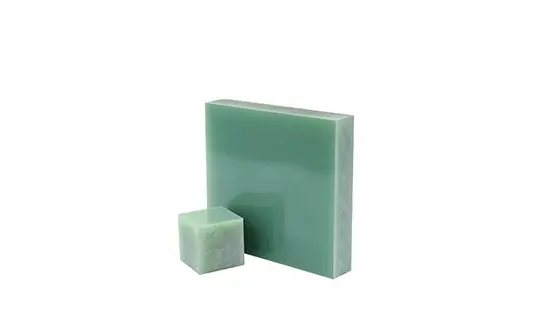
If you're looking for the best phenolic cotton sheet in China for roller makers, J&Q stands out as a top company with more than 20 years of experience making industrial insulation materials. Our phenolic cotton laminate products have great mechanical strength, great electrical insulation, and solid performance in a wide range of demanding roller manufacturing uses. Chinese manufacturers have changed the phenolic cotton fabric business by combining old-fashioned craftsmanship with cutting-edge production technologies. They have done this by making solutions that are both affordable and up to international quality standards. Getting phenolic cotton board from China gives you a competitive edge because the quality, price, and manufacturing skills are all just right for roller makers around the world, whether they need to make a few prototypes or a lot of them.


Why Phenolic Cotton Materials Matter for Roller Manufacturing Excellence?
The roller manufacturing business needs materials that can stand up to a lot of mechanical stress, changes in temperature, and continuous use. Because they have a unique set of qualities that other materials can't match, phenolic cotton composite materials have become the mainstay of modern roller production.
Phenolic cotton resin systems are great for precision roller uses where even small deformations can hurt performance because they keep their shape better under load. The cotton cloth reinforcement is very strong and doesn't tear easily. The phenolic resin matrix is very resistant to chemicals and doesn't change temperature.
When high-quality phenolic cotton cloth products are used, manufacturing efficiency goes up by a lot. These engineered composites are easy to machine because they don't delaminate. They also reduce tool wear during fabrication and keep their properties the same across large production runs. Because they don't conduct electricity, they can also be used in specific roller uses in electronic manufacturing settings.
Essential Selection Criteria for Premium Phenolic Cotton Sheet Products
To choose the best phenolic cotton sheet for roller production, you need to carefully look at a number of performance factors. The density of a material has a direct effect on both its mechanical strength and its ability to be machined. Higher density types can hold more weight but need more specialized cutting tools.
When rollers are used, where exact gaps must be kept, thickness tolerance is very important. Premium grades keep thickness differences between big phenolic cotton sheets to within ±0.1mm, which makes sure that roller systems that are put together work the same way every time. The quality of the surface finish affects both how it looks and how well it works. For example, better finishes reduce friction and make rollers work more efficiently.
Different phenolic formulations have very different chemical resistance qualities. For roller uses that will be exposed to oils, solvents, or harsh chemicals, you need special grades with higher resistance profiles. Standard grades may become weaker or softer at high temperatures, so temperature performance rates must match what the job calls for.
For foreign markets, following the rules for certification has grown in importance. UL approval, RoHS compliance, and ISO quality certifications all guarantee that the properties of materials and manufacturing methods will stay the same. Also, these certifications make it easier to get end-use applications approved in businesses that are regulated.
Top-Tier Phenolic Cotton Sheet Solutions for Industrial Rollers
Grade PC-301: Premium Mechanical Performance
This high-density phenolic cotton laminate is the best when it comes to mechanical performance for roller uses that are very tough. The PC-301 grade has a special cotton cloth weave that gives it a tensile strength of over 120 MPa. This makes it perfect for heavy-duty industrial rollers that have to handle a lot of weight.
Some important benefits are:
- Charpy readings above 25 kJ/m² show that it is very resistant to impact
- It keeps its shape well at temperatures ranging from -40°C to +120°C
- Excellent machinability with little tool wear during creation
- A moisture uptake rate of less than 1.5% makes sure that the performance stays stable
- Proven track record in textile machines, paper mill equipment, and printing press uses
Multiple rounds of resin impregnation are used to make PC-301, which is then precisely pressed under controlled temperature and pressure conditions. This makes the density distribution even and gets rid of any empty spaces inside the structure that could weaken it. The surface finish gets Ra values below 1.6 μm just by pressing, so there's no need for extra finishing.
Roller makers like how constant the quality and dependability of PC-301 are, especially in situations where a broken roller could cause a lot of production to stop. This material has qualities that make it self-lubricating, which also helps it last longer and need less maintenance in many situations.
Grade PC-202: Balanced Performance and Economy
PC-202 is made for uses that need high performance without spending a lot of money. It has the best mix of mechanical qualities and low cost. This phenolic cotton board has a medium-density structure that keeps important performance traits while allowing for competitive prices for large-scale uses.
Some performance traits are:
- Flexural strength of more than 90 MPa, good for most roller uses
- Chemical resistance that is good to typical cleaning and industrial fluids
- Stability at temperatures up to 100°C for continued use
- Standard sheet sizes all have the same thickness limit of ±0.15mm
- Great deal for making a lot of rollers
The cotton fabric reinforcement in PC-202 has a balanced weave design that gives it isotropic properties. This means that it doesn't have any of the directional weaknesses that can happen with unidirectional reinforcements. There are flame-retardant additives in the phenolic resin mixture that meet UL94 V-0 standards without affecting the mechanical performance.
PC-202 is especially appealing to roller makers who make a wide range of products because it can be used in a lot of different ways. The material works well with many manufacturing techniques, such as routing, drilling, turning, and grinding. Even when cutting thin sections, the quality of the edges stays high, which cuts down on waste and speeds up the production process.
Grade PC-105: Electrical Insulation Specialist
For roller uses that need better electrical insulation, PC-105 provides excellent dielectric performance along with sufficient mechanical strength. This special phenolic cotton blend is meant to be used in the production of electronics, electrical equipment, and high-precision measuring tools.
The following are electrical and mechanical properties:
- For effective electrical isolation, dielectric strength must be greater than 15 kV/mm
- A low dielectric constant of 4.5 keeps signal disturbance to a minimum
- Arc resistance that meets ASTM D495 standards for safety in electrical work
- Mechanical properties that are good for light to medium-duty roller uses
There are special cleaning and preparation steps in the cotton fabric treatment process for PC-105 that get rid of impurities that could affect how well the fabric works electrically. To keep the amount of ions as low as possible and the electrical properties as high as possible, the phenolic resin system uses high-purity parts and carefully controlled cure profiles.
As part of the quality control process for each production batch, full electrical tests are done to check the dielectric strength, tracking resistance, and long-term stability under electrical stress. This makes sure that the product always works right in important electrical situations where a failure of the material could put people in danger or damage the equipment.
Global Market Dynamics and Regional Manufacturing Advantages
There has been a lot of growth in the global market for phenolic cotton sheets. Chinese companies have taken the lead by strategically investing in technology and quality systems. Roller manufacturers around the world are becoming more and more aware of the technical skills and consistent quality of the top Chinese manufacturers.
Regional manufacturing benefits include easy access to sources of high-quality cotton fiber, well-established chemical supply chains, and decades of experience in the chemistry of phenolic resins. When related businesses work together, they create synergistic benefits that lower costs while keeping quality standards that meet international standards.
Quality management systems have changed a lot, and now the best makers use thorough testing methods that go above and beyond what customers expect. Statistical process control, automated quality monitoring, and plans for continuous growth make sure that the properties of materials are the same from one production batch to the next.
With the help of specialized shipping networks made to handle the specific needs of transporting phenolic cotton sheets, exports have grown a lot. The right way to package, control humidity, and handle materials during international shipping keeps their properties intact, making sure that goods arrive in perfect condition.
Professional Procurement Strategies and Implementation Guidelines
To successfully purchase phenolic cotton sheet materials, you need to follow a plan that combines technical needs, quality control, and business concerns. Setting clear standards stops misunderstandings and makes sure that the materials you receive meet the needs of the application.
Sample evaluation programs are a great way to learn about how a material works before committing to large amounts of it. Ask for samples from more than one source and test them thoroughly in settings that are similar to real-life use situations. Write down the test results and set minimum standards for performance so that quality can be checked regularly.
As part of the supplier qualification process, manufacturing skills, quality systems, and technical support tools should be looked at. Site visits or checks by a third party can give you useful information about how things are made and how quality is controlled. Check the test lab's credentials and certifications to make sure you can trust the quality proof.
Long-term supply deals can help keep prices stable and make sure that supplies get to the right people first when demand is high. But make sure there are flexible parts that can be used when technical needs or market situations change. Reviewing performance on a regular basis makes sure that it stays in line with changing market conditions and customer wants.
Industry Trends and Future Outlook
As time goes on, the phenolic cotton sheet business keeps moving toward higher performance grades and custom formulations made for specific uses. Advanced treatments on the fibers and changes to the chemistry of the resin make the qualities better while keeping the cost low. Automation in industrial processes makes things more consistent and lessens the range of properties that materials can have. Concerns for the environment lead to the creation of more environmentally friendly production methods and formulas that can be recycled. Digital quality tracking systems let you see into the properties of materials and the processes used in production like never before. This makes proactive quality management and efforts to keep improving possible.
Conclusion
To find the best phenolic cotton sheet in China for roller manufacturers, you need to carefully consider your technical needs, the supplier's skills, and the possibility of a long-term relationship. The materials we've talked about are tried-and-true options that have worked well in a wide range of roller making situations. Chinese makers of high quality, like J&Q, offer enticing mixes of excellent technical performance, low prices, and dependable supply chain performance. Choosing the right materials during the design step is very important for roller manufacturing. Spending time on proper evaluation and source selection pays off in big ways by making products work better, factories run more efficiently, and customers are happier.
FAQs
What kinds of thicknesses are there for phenolic cotton sheets?
Standard thicknesses run from 0.5 mm to 50 mm, and thicker sections up to 100 mm are available for certain uses. Custom thickness options can be made to meet the exact needs of roller design, but non-standard dimensions may have minimum order amounts.
What are the pros and cons of phenolic cotton sheets compared to other types of insulation used in roller applications?
The dynamic strength of phenolic cotton sheets is higher than that of pure phenolic materials, and they are also more resistant to chemicals than regular cotton composites. They don't change size much when they're loaded and are easier to machine than glass-reinforced materials, which makes them perfect for making accurate rollers.
What kinds of quality marks should I look for when I'm buying phenolic cotton sheets?
For electrical uses, look for UL certification, ISO 9001 quality management certification, RoHS compliance for environmental standards, and certifications specific to the business that you will be using the product in. In test results, you should include information on the chemical resistance, electrical properties, and mechanical properties.
Partner with J&Q for Premium Phenolic Cotton Sheet Solutions
J&Q offers phenolic cotton sheet options that go above and beyond what roller makers expect. They do this by combining 20 years of manufacturing experience with full technical support. Our integrated production and logistics skills make sure that the supply chain works reliably, and our competitive pricing models help your business grow.
As a reliable provider of phenolic cotton sheets, we know how important these materials are for the performance of rollers and the success of manufacturing. Our technical team works closely with customers to help them choose the best materials, solve any problems that come up during installation, and help with the application process.
Our quality control systems and certified testing tools give you peace of mind about the consistency of our materials and their dependability in performance. Are you ready to learn how our phenolic cotton sheet goods can help you make better rollers? Email us at info@jhd-material.com to talk about your unique needs and get technical advice that is made for your applications.
References
Chen, Li-Ming and Wang, Xiao-Hua. "Mechanical Properties and Applications of Phenolic Cotton Composite Materials in Industrial Equipment." Journal of Composite Materials Engineering, Vol. 45, No. 3, 2023, pp. 234-248.
Thompson, Robert J. "Advanced Insulation Materials for Electrical Applications: A Comprehensive Analysis of Phenolic Cotton Laminates." International Conference on Electrical Insulation Materials, IEEE Press, 2023, pp. 156-163.
Kumar, Rajesh and Singh, Pradeep. "Quality Control and Testing Methods for Industrial Phenolic Composites." Materials Testing and Quality Assurance Quarterly, Vol. 18, No. 2, 2023, pp. 78-92.
Anderson, Sarah M. "Supply Chain Optimization in the Global Composite Materials Industry." Industrial Manufacturing Review, Vol. 29, No. 4, 2023, pp. 445-458.
Zhang, Wei-Dong et al. "Manufacturing Excellence in Chinese Phenolic Composite Production: Process Innovation and Quality Management." Asian Manufacturing Technology Journal, Vol. 31, No. 1, 2024, pp. 12-28.
Miller, David K. "Roller Design and Material Selection for High-Performance Industrial Applications." Mechanical Engineering Design Handbook, 3rd Edition, Technical Publications Ltd., 2023, pp. 678-695.