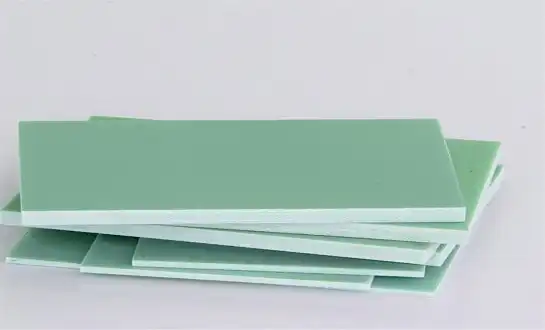
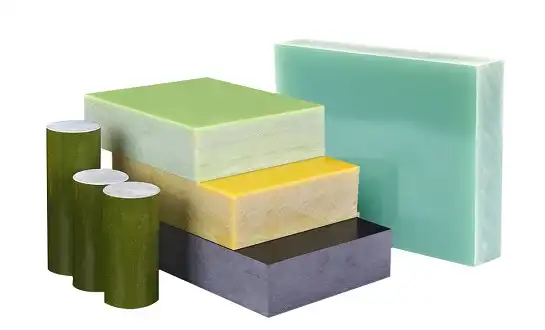
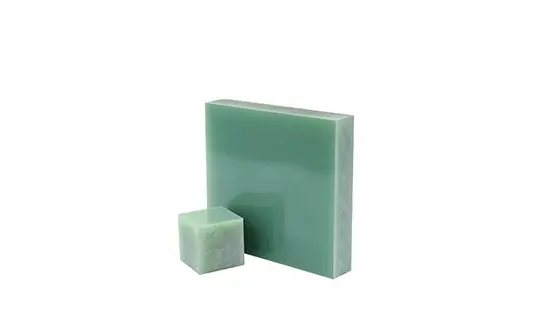
Chinese companies are very good at making high-quality phenolic cotton sheet solutions that are designed to work in harsh marine settings. These composite materials are made up of phenolic resin systems and cotton fabric reinforcement. They have great mechanical strength and moisture protection, which are important for nautical uses. The best laminated sheets from China's industry sector meet strict international marine standards and are priced competitively, which is good for procurement teams around the world.
Why Marine-Grade Phenolic Cotton Sheets Matter for Your Operations?
Normal insulation materials can't handle the unique problems that come up in marine settings. When exposed to salt water, changing temperatures, and steady humidity, materials that aren't made well can fail very badly. The durability you need for marine uses is provided by phenolic resin-bonded cotton fabric.
The structure made of composite materials is more stable in terms of size than standard options. Resin impregnation makes a barrier against moisture while keeping the material's great electrical insulation qualities. Because of this, phenolic laminate is perfect for shipboard electrical systems, engine room barriers, and structural parts that need to be strong and resistant to the elements.
More and more, maritime laws say that materials used to build ships must be flame retardant. These safety standards are met by high-quality cotton phenolic sheets, which also offer long-term performance reliability that lowers repair costs and downtime.
Essential Selection Criteria for Marine Applications
To pick the right phenolic cotton sheet, you need to carefully consider a number of performance factors. Tolerances in material width have a direct effect on how well it is installed and how reliable it will be in the long run. To make sure the parts fit properly and the seal stays strong, marine uses usually need tolerances within ±0.05mm.
In engine rooms and electrical areas, where heat cycles constantly stress materials, temperature stability is very important. Premium grades don't delaminate or warp when the temperature goes from -40°C to +150°C; they keep their mechanical qualities.
In humid marine settings, service life is based on how quickly something can absorb moisture. After being immersed in water for 24 hours, good cotton phenolic materials absorb less than 2% of the water that is added. This resistance stops changes in dimensions that could weaken the structure.
Specifications for electrical grade insulation make sure that it works well. For important electrical uses, dielectric strength values should be higher than 15 kV/mm. When the surface resistivity is above 10^12 ohms, naval power systems are safe from electrical problems.
Premium Grade Marine Phenolic Cotton Sheets
High-Density Cotton Phenolic Boards
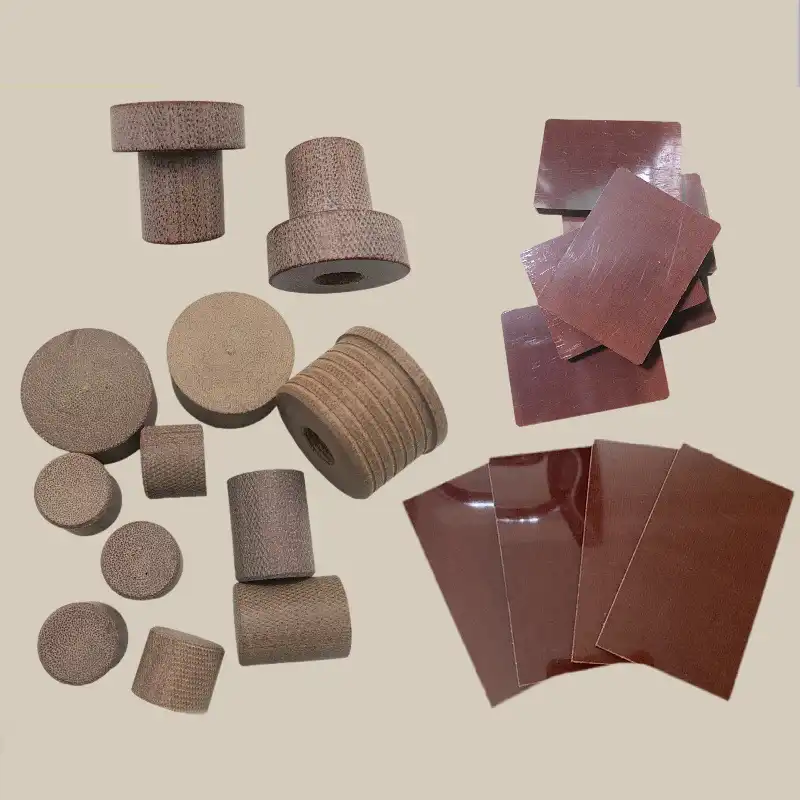
These rigid phenolic cotton sheet materials are made of fine-weave cotton cloth and phenolic resin systems that are specifically designed for use in marine environments. Several rounds of resin impregnation are used in the manufacturing process, which ends with controlled temperature high-pressure lamination. This makes the density the same all the way through the object.
Some important benefits are:
- Excellent ability to be machined for custom naval parts
- Superior edge sealing features that keep moisture out
- Mechanical properties that stay the same across big sheet sizes
- Chemical protection to fuels and lubricants used in boats
- Low smoke production that meets safety standards for the sea
These materials are used for many things, like bulkhead insulation panels, electrical switches backing plates, and structural brackets that need to be strong and insulating. The material can be machined cleanly without fibers coming out, which makes it possible to make complicated marine parts with great accuracy.
Thermal stability lets things keep working even when they're at high temperatures, which are common in engine rooms. Its structure is kept together by the phenolic core, and the cotton reinforcement protects it from mechanical shocks.
Marine-Certified Electrical Grade Laminates
Specific mixtures are made to meet strict marine electricity standards, such as IEC 60893 and ASTM D709 requirements. For the cotton fabric reinforcement, the fibers have been treated in a way that makes them resistant to salt water corrosion and the growth of fungi that is common in coastal settings.
Some performance traits are:
- Better flame-retardant qualities than UL94 V-0 ratings
- Better tracking resistance keeps electrical problems from happening
- Advanced resin science has made it less sensitive to moisture
- Better steadiness in terms of dimensions when thermal cycling
- Longer working life in places with a lot of humidity
These materials are great for mounting motors, building naval electrical panels, and insulating transformers. The improved glue system sticks to metal parts better while keeping its ability to keep electricity from flowing through it.
Controlling the quality of the manufacturing process makes sure that all output batches have the same electrical properties. This dependability is very important for naval electrical systems, where a broken part could put the safety of the ship at risk.
Ultra-High Strength Pressure Laminates
Using advanced manufacturing methods, phenolic cotton sheets are made that have great mechanical properties and can be used for structural marine uses. Several layers of cotton cloth are soaked in a controlled amount of resin before being pressed together under high pressure at high temperatures.
The following are structural advantages:
- For load-bearing uses, flexural strength greater than 200 MPa
- Impact strength better than regular marine plastics
- Fatigue resistance when loaded and unloaded many times
- Very strong bolt holes for mechanical fixing
- Compared to metal options, lighter
These materials are used by marine designers for ship stiffeners, deck plates, and structural brackets where reducing weight makes the boat run better. Standard machining processes work well with this material, and the edges stay straight.
Testing over a long period of time shows that it is very resistant to UV rays and salt spray. Even after long-term use at sea, the surface doesn't change much, so it keeps its structural and aesthetic qualities.
Global Marine Market Characteristics and Regulations
Material choices are based on international marine rules in all shipbuilding markets around the world. The International Maritime Organization (IMO) sets fire safety rules that affect the requirements for phenolic materials. The SOLAS (Safety of Life at Sea) standards say that all materials used to build passenger ships must be flame retardant.
Since most of the world's ships are made in Asia, there is a need for consistent material quality and reliable supply lines. Chinese companies have put a lot of money into making sure their quality processes meet international standards for the marine industry. With certified materials, this infrastructure helps both local and international markets.
Environmental compliance is a big deal in European markets, along with performance standards. REACH rules change the choice of resin chemistry, choosing formulations that are better for the environment. Because of these needs, new phenolic resin systems are being made.
The marine markets in North America put a high value on performance reliability and long-term cost efficiency. Material requirements for commercial ships that operate in U.S. waters are affected by Coast Guard rules. For naval uses, military specifications add more performance requirements.
Purchasing Recommendations and Key Considerations
To make a good purchase, you need to carefully evaluate suppliers in more ways than just comparing prices. When evaluating a manufacturing capability, it is important to look at things like quality system certifications, testing center accreditations, and production capacity checks.
Request material certificates documenting compliance with applicable marine standards. Check the testing lab's approval with well-known groups like ILAC or A2LA. Testing by a third party that is not involved in the project gives more confidence in the claims of material performance.
Check to see if the seller offers technical support, such as help with application engineering and making custom materials. Marine uses often need special grades that aren't offered as standard items. For complicated jobs, it's helpful when suppliers can adapt to meet specific needs.
Think about the total cost of ownership, which includes the costs of shipping, handling, and keeping a collection on hand. Costly project delays are usual in marine construction, but they can be avoided with reliable delivery schedules. Set up ties with backup suppliers to make sure that materials are available during times of high demand.
Before buying a lot of something, testing a sample in real-life service situations makes sure the material is suitable. Accelerated aging tests show how long-term exposure to water in the ocean can change the qualities of a material. Investing in testing keeps expensive mistakes from happening in the field.
Industry Trends and Market Summary
Composite materials are being used more and more in the marine business as designers try to make boats lighter and better at what they do. Phenolic cotton sheets have been shown to be reliable in tough situations and are also in line with changing environmental rules. Chinese producers have made a name for themselves as dependable sources of high-quality materials for marine use. The market for high-performance phenolic laminates in maritime applications is growing around the world, thanks to better manufacturing methods and quality control systems.
Conclusion
To choose the best phenolic cotton sheet for marine uses, you need to carefully look at your performance needs and the supplier's abilities. Global procurement teams can get competitive solutions from Chinese makers that meet international marine standards and save them money at the same time. Leading suppliers in this specialized market can be told apart by their quality systems and expert support. Long-term project success in harsh marine settings depends on spending money on choosing the right materials and building relationships with suppliers.
FAQs
How does phenolic cotton sheet stack up against fiberglass options for marine use?
When compared to fiberglass materials, cotton phenolic is easier to work with and keeps its shape better. The cotton reinforcement makes it more resistant to contact, and the phenolic resin makes it very resistant to chemicals found in marine fluids. Machining makes clean edges that don't expose fibers, which makes sealing better in marine settings.
What thickness limits should I give for building structures in the ocean?
Depending on how important the application is, marine structural parts usually need thickness limits of ±0.05mm to ±0.1mm. Tighter tolerances make sure that buildings fit together correctly and that loads are spread out evenly. Talk to your supplier about specific tolerance needs during the quotation process to make sure they can make the product.
Is it okay to use phenolic cotton sheets that are right next to salt water?
When properly sealed, high-quality marine-grade phenolic cotton products can handle being exposed to salt water. Edge sealing stops wetness from getting in, which could lead to delamination. Regular maintenance and inspections guarantee long-term performance in harsh marine environments.
Partner with J&Q for Superior Phenolic Cotton Sheet Solutions
J&Q has been making insulation materials for more than twenty years and can help you with your naval projects. Our wide range of phenolic cotton sheets includes marine-approved grades that meet safety and efficiency standards set by the international community. We know what the needs of global marine markets are because we've been dealing internationally for more than 10 years.
Our integrated logistics skills make sure that deliveries happen on time, which is very important for marine building projects. Internationally recognized quality systems help make sure that the features of materials are the same from one production batch to the next. Throughout the course of your project, technical support teams help you choose the right materials and figure out how to use them.
Our phenolic cotton sheet manufacturer can give you options that meet your performance needs, whether you need standard marine grades or custom formulations for specific uses. Email us at info@jhd-material.com to talk about your marine material needs and find out how J&Q can help you with your next job.