Cost and performance needs must be balanced in order to find the greatest deal on 3240 epoxy sheet materials. I've found that the best option for electrical and industrial applications isn't solely determined by pricing after examining several sources and testing different grades. High-quality 3240 epoxy sheets are worth the cost because of their remarkable mechanical endurance, heat resistance, and dielectric strength. Finding suppliers who regularly provide dependable performance at low cost and figuring out which parameters are most important for your particular application are crucial.
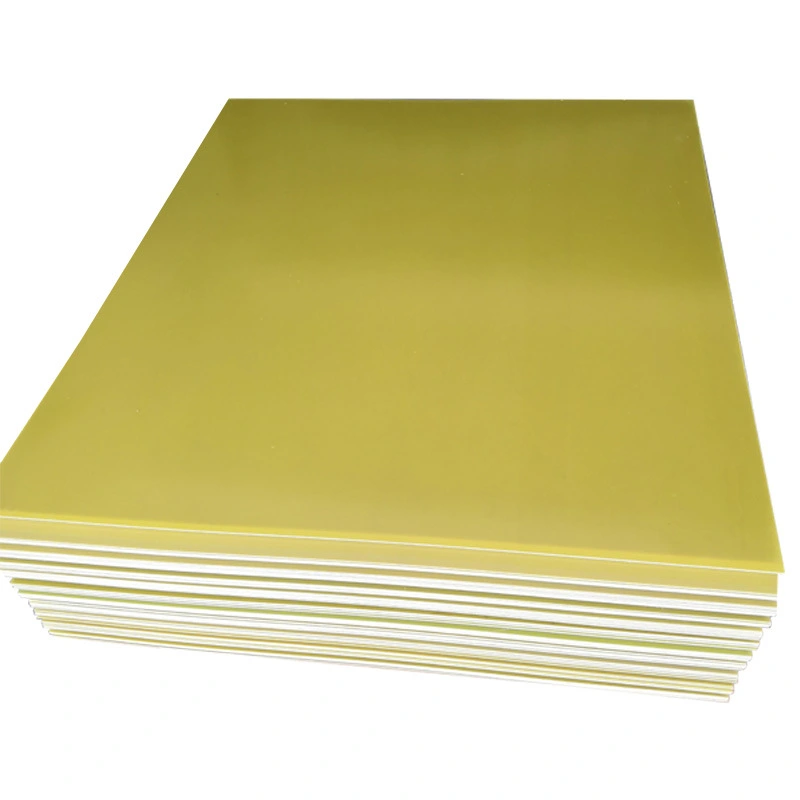
Why Focus on 3240 Epoxy Sheet Materials?
New materials and production techniques are continuously changing the electrical insulation market. Nonetheless, for applications needing dependable performance in challenging circumstances, 3240 grade epoxy sheets continue to be the industry standard. These materials produce remarkable dimensional stability and heat resistance by combining glass cloth reinforcement with premium epoxy resin systems.
More power densities and temperatures are required for modern electronic gadgets to function than in the past. Under these circumstances, traditional insulation materials find it difficult to retain their qualities, which can result in early failures and safety issues. These issues are resolved by high-quality epoxy laminate sheets, which also offer superior machinability for precision parts.
As automated assembly processes require tighter tolerances, manufacturing consistency has become more and more important. The top suppliers of insulating epoxy sheets make investments in cutting-edge quality control systems to guarantee consistency from batch to batch. In a variety of industries, this dependability lowers waste, minimizes rework, and supports lean manufacturing goals.
Selection Criteria for Optimal Value Assessment
The six main components of my evaluation technique have a direct bearing on total cost of ownership. In real-world applications, performance parameters define actual value delivery, whereas price per square meter serves as the baseline comparison.
Coefficient of thermal expansion tests, short-term thermal shock resistance, and continuous operating temperature ratings are all included in thermal performance testing. In high-temperature settings, these factors have a direct impact on component longevity and system dependability.
Evaluation of mechanical qualities includes impact resistance, flexural strength, and compressive strength in a range of thicknesses. These qualities are crucial for minimizing early failures since epoxy resin 3240 epoxy sheets are frequently subjected to high mechanical stress in industrial applications.
The evaluation of electrical qualities looks at dissipation factor performance, volume resistivity, and dielectric strength. These requirements impact total system safety margins and establish appropriateness for high-voltage applications.
Dimensional stability under environmental stress, surface finish homogeneity, and thickness tolerance consistency are examples of manufacturing quality indicators. Better manufacturing control guarantees consistent processing results and minimizes machining waste.
Verification of certification compliance addresses RoHS compliance, UL recognition, and pertinent international standards. Appropriate certificates guarantee regulatory compliance in international markets and expedite clearance procedures.
Top 5 High-Performance 3240 Epoxy Sheet Solutions
Premium Grade G10/FR4 Composite Epoxy Sheet
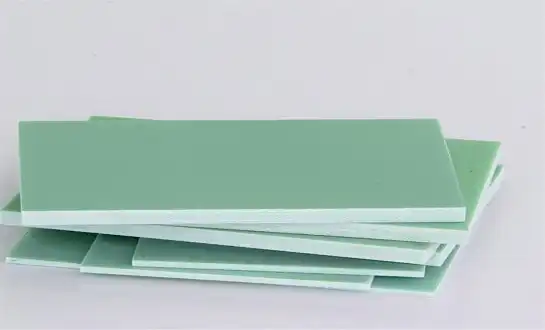
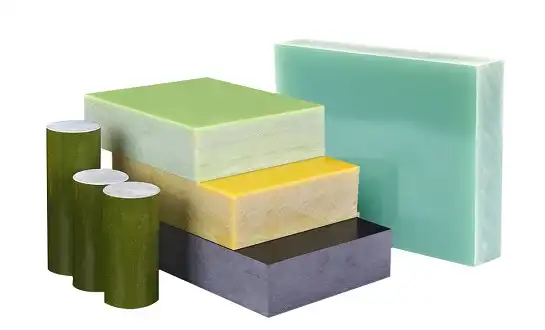
This high-end product, which combines sophisticated epoxy resin compositions with woven glass fabric, is the epitome of epoxy laminate sheet technology. Controlled-atmosphere curing systems are used in the manufacturing process to remove voids and guarantee uniform density in every sheet.
Continuous working temperatures of up to 180°C and short-term capabilities of up to 220°C are examples of thermal performance qualities. For precise electronic assemblies, the low coefficient of thermal expansion reduces dimensional changes during thermal cycling.
Excellent mechanical qualities include superior impact resistance and a flexural strength of over 450 MPa. The material offers excellent machinability for intricate shapes while retaining structural integrity under severe stress.
Electrical requirements include volume resistivity surpassing 10^14 ohm-cm and dielectric strength exceeding 20 kV/mm. Because of these characteristics, it is perfect for transformer and high-voltage switchgear applications.
For typical grades, quality control procedures guarantee thickness tolerances of ±0.05mm. Consistency in surface finish facilitates precise coating and bonding operations without the need for extra preparation.
Premium quality is reflected in price positioning, which is usually 15–25% higher than average grades. For crucial applications, however, better performance traits and processing dependability frequently make the expenditure worthwhile.
UL 94 V-0 flame rating and thorough RoHS compliance paperwork are part of the certification. Global sourcing and regulatory compliance are made easier with international approvals.
Applications include high-reliability industrial control systems where performance cannot be sacrificed, medical device insulation, and aircraft electronics.
Standard Industrial Grade Thermal Resistant Epoxy
This workhorse material strikes a mix between affordability and performance for common industrial uses. Excellent mechanical strength and strong electrical qualities are provided by the glass cloth reinforcement.
Thermal properties allow for intermittent operation up to 180°C and continuous operation at 155°C. In power electronic applications, heat dissipation characteristics aid in controlling thermal accumulation.
Flexural strength of about 380 MPa and strong fatigue resistance are examples of mechanical strength characteristics. Standard machining techniques may easily process the material without the need for specialized tools.
With steady characteristics throughout temperature ranges, electrical insulation performance offers a minimum dielectric strength of 16 kV/mm. In humid conditions, low moisture absorption preserves electrical properties.
For the majority of applications, manufacturing consistency yields thickness tolerances of ±0.1mm. Direct mounting without lengthy finishing operations is supported by surface quality.
This grade's cost location makes it appealing for bulk applications with flexible specifications and moderate performance requirements. Usually, price points are 10–15% lower than premium grades.
UL recognition and standard environmental compliance documents are examples of quality certifications. Quality system needs are supported by manufacturing traceability.
Common uses include general-purpose electrical insulation, motor insulation, and switchgear components when dependable performance at a reasonable cost is needed, especially for 3240 epoxy sheet.
High-Density Fiberglass Epoxy Sheet
For applications that demand the highest strength-to-weight ratios, this specialty grade maximizes density and mechanical qualities. Improved chemical resistance and thermal stability are provided by advanced resin chemistry.
Excellent thermal shock resistance and continuous operation up to 170°C are made possible by thermal performance. Effective heat isolation in electronic assemblies is made possible by low thermal conductivity.
Mechanical properties include remarkable compressive strength of over 400 MPa and little creep under long-term stress. Impact resistance is far higher than conventional grades.
Electrical characteristics keep the dielectric strength over 18 kV/mm constant in a range of environmental circumstances. Arc resistance is higher than what is often needed for high-voltage applications.
Tight thickness control within ±0.07mm is achieved by manufacturing precision. Uniformity in surface finish enables automated assembly procedures without the need for human interaction.
Specialized production needs are reflected in pricing, which is around 20% more than conventional industrial grades. For demanding applications, performance gains frequently outweigh costs.
Comprehensive material property data and flame resistance ratings are part of the certification offering. Consistent performance attributes are guaranteed by batch testing.
Automotive electronics, power distribution devices, and industrial machines needing the highest level of dependability in harsh environments are among the target applications.
Economy Grade Electrical Insulation Sheet
For applications with modest performance requirements and financial constraints, this cost-optimized solution offers crucial insulating qualities. Costs are decreased while essential functionality is preserved through streamlined manufacturing procedures.
Thermal capabilities allow for continuous operation at temperatures up to 140°C with tolerable short-term overload capacity. Standard electronic applications are well-suited to basic heat management principles.
For structural insulation applications, mechanical qualities provide sufficient strength. For the majority of mounting and spacing applications, a flexural strength of about 320 MPa is adequate.
Electrical features include steady performance under typical working settings and a minimum dielectric strength of 14 kV/mm. Common insulating requirements are met by standard electrical properties.
Reasonable thickness control within ±0.15mm is maintained by manufacturing standards. The majority of bonding and mounting applications are supported by surface quality with little preparation.
This grade is appealing for price-sensitive applications where performance criteria permit specification relaxation due to cost advantages. Usually, prices are 25–30% less than those of high grades.
Documentation of environmental compliance and standard electrical safety approvals are examples of basic certifications. Essential material qualities are covered by quality assurance.
Appliance insulation, simple electronic assemblies, and general industrial insulation—where cost minimization is more important than optimum performance—are examples of suitable applications.
Custom-Formulated Application-Specific Epoxy
This niche market uses customized resin chemistry and reinforcing choices to meet specific application needs. Custom formulations preserve the general integrity of the material while optimizing certain features.
Thermal characteristics can be changed for better thermal conductivity or improved for applications requiring high temperatures. A variety of heat management needs are addressed by formulation flexibility.
Depending on the needs of the application, mechanical properties may prioritize flexural strength, impact resistance, or dimensional stability. Strength distribution patterns are optimized through the selection of reinforcement.
For high-frequency applications, ultra-high voltage needs, or specific environmental conditions, electrical qualities are optimized. Performance criteria are validated through custom testing.
Using specific processing controls, manufacturing precision usually surpasses standard grades. Consistent replication of customized specifications is guaranteed by quality systems.
Development expenses and specific production needs are reflected in pricing. Although custom grades offer optimal performance, they usually charge 30–50% more than conventional materials.
The methods used for certification differ according to the needs of the application and may involve specific testing procedures. Processes for customer approval are supported by documentation packages.
Applications include aircraft systems, medical implanted devices, military electronics, and other demanding settings where ordinary materials are insufficient.
Global Market Analysis and Regional Considerations
There are unique geographical features in the global 3240 epoxy sheet market that affect price policies and performance standards. With economies of scale and linked supply chains, Asian manufacturing hubs offer competitive prices and control the majority of production output.
Environmental compliance and superior performance features are prioritized in European markets. Decisions on material selection are influenced by RoHS and REACH laws, which frequently favor premium grades with extensive certification packages.
Rapid delivery capabilities and UL recognition are often given priority in North American applications. Beyond just material costs, supplier selection is influenced by local warehousing and technical support services.
As industrialization picks up speed, emerging countries demonstrate an increasing need for dependable insulation materials. Price sensitivity is still strong, but as technology advances, so do the demands for quality.
The importance of supply chain resilience has grown in the wake of recent global shocks. Diversified sourcing tactics strike a balance between supply security and cost minimization.
Purchasing Recommendations and Key Considerations
The first step in a successful epoxy sheet procurement process is a comprehensive application analysis to determine the actual performance requirements. While under-specification increases the danger of operational failures and safety issues, over-specification wastes budgetary resources.
In addition to initial pricing considerations, technical competence, quality systems, and service support should be included in the evaluation of suppliers. Compared to merely transactional interactions, long-term collaborations frequently yield greater value.
Important performance validation is provided by sample testing conducted under real-world operational settings. Not all real-world factors influencing material performance may be captured by laboratory testing.
Carrying costs and availability requirements should be balanced in inventory management strategies. Higher inventory levels may be justified for critical applications in order to guarantee supply continuity.
Quality agreements include recourse procedures for subpar materials and clearly define performance standards. Over time, quality standards are maintained by routine supplier audits.
Industry Trends and Summary
Higher performance materials that can withstand rising power densities and operating temperatures are the focus of the electrical insulation industry's ongoing evolution. Improvements in thermal management and nanotechnology are included into advanced epoxy compositions. The development of recyclable materials and industrial techniques with less of an impact on the environment are driven by sustainability concerns. Better supply chain traceability and quality control are made possible by digitization. These patterns imply that industrial epoxy sheet materials will continue to increase in value while retaining competitive pricing through increases in manufacturing efficiency.
Conclusion
By carefully examining application objectives and supplier capabilities, the best 3240 epoxy sheet option strikes a compromise between performance requirements and cost restrictions. Value goes beyond initial pricing to include quality consistency, technical support, and long-term reliability, as the five material grades under investigation show. Economy grades efficiently meet moderate needs, whereas premium materials justify greater costs for important applications. Instead of over-specifying needlessly, success depends on matching material qualities to real operating situations. In the end, your company will get the best value by working with seasoned suppliers who comprehend your industry's needs and offer thorough technical assistance.
FAQs
How can I choose the ideal thickness for my application of 3240 epoxy sheets?
Your needs for mechanical load, electrical isolation, and available space will all influence the thickness you choose. After determining the necessary creepage distances for your voltage levels, take mechanical stress loads into account. Standard thicknesses between 0.5 and 25 mm are used in the majority of applications. To confirm thickness appropriateness for particular operating conditions and safety margins, speak with the technical staff of your supplier.
When purchasing epoxy laminate sheets from overseas, what certifications should I look for?
Important certifications include ISO 9001 production quality systems, RoHS compliance for environmental requirements, and UL recognition for electrical safety. Flame rating categories, REACH compliance for European markets, and particular industry standards like IPC-4101 for electronics applications are examples of further certifications. Prior to ordering orders, request comprehensive certification packages.
How can I assess the quality of suppliers before making big purchases?
For testing under your real working conditions, request material samples. Make direct contact with the certifying bodies to confirm the veracity of the certification. When feasible, audit supplier facilities. Examine testing equipment capabilities and quality control protocols. Verify the volume needs and references from related applications. Before expanding up, start with smaller trial orders to verify service levels and performance.
Partner with J&Q for Superior 3240 Epoxy Sheet Solutions
The success of your project and your long-term operating expenses are greatly impacted by your choice of epoxy laminate sheet supplier. J&Q provides to every customer relationship more than 20 years of manufacturing knowledge and 10 years of international trading experience. Our extensive material testing skills guarantee constant quality that satisfies your particular requirements.
From material selection to final delivery, our integrated logistics organization offers smooth one-stop service. Lead times are shortened by this efficient method, which also preserves full supply chain traceability. Your engineering personnel and technical support teams collaborate closely to improve processing parameters and material selection.
Incoming material inspection, in-process monitoring, and final product validation are all included in quality management systems. Complete certification packages and material test reports are included with every shipment. Regardless of your location or volume needs, our worldwide distribution network guarantees dependable availability.
Being a well-known producer of 3240 epoxy sheets, we have large stock levels of conventional grades and can create unique formulations for specific uses. Our direct supplier ties and effective manufacturing procedures are reflected in our competitive pricing.
Discover the impact that dependable service and competent knowledge have on the selection of insulation materials. Get in touch with us at info@jhd-material.com to talk about your particular needs and obtain thorough technical suggestions for your applications.