If you're looking for the best FR4 epoxy sheet in China for small PCB shops, you'll find that good flame resistant materials can have a big effect on how quickly and reliably you can make things. Chinese companies have become the biggest providers of high-performance FR4 epoxy sheets. These sheets have the great dielectric strength, thermal stability, and low cost that small PCB shops need to stay competitive in today's electronics market.
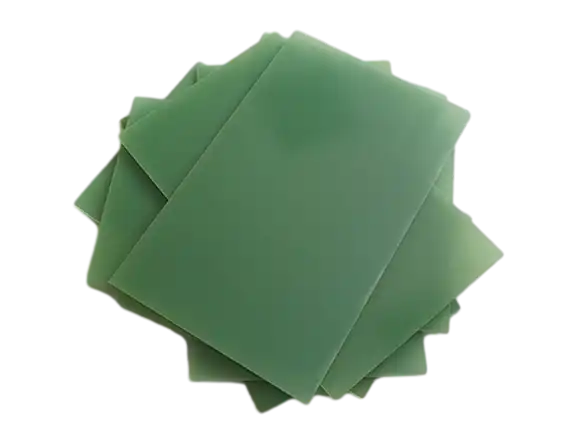
Why FR4 Epoxy Sheets Matter for Small PCB Operations?
There are problems that small PCB shops have that bigger makers don't have to deal with. It's hard to buy things when budgets are tight, order volumes change, and quality standards are strict. FR4 epoxy sheets are the most important part of making printed circuit boards because they provide the necessary electrical insulation and mechanical support that determines how well your end product works.
These composite materials are made of glass fiber reinforcement and epoxy glue. They are layered to make a sheet that is better at withstanding heat and moisture. The flame retardant qualities make sure that safety rules are followed, and the dielectric constant values stay high, which is important for electronic uses.
Finding good board substrate materials is especially helpful for small shops because uniformity has a direct effect on yield rates. When your business has small profit margins, each refused PCB means you lose money and resources.
Essential Selection Criteria for Premium FR4 Materials
To choose the right FR4 epoxy sheet, you need to know about certain technical factors that affect how you make things. To make sure that electrical insulation works reliably in a wide range of environmental conditions, measures of dielectric strength should always be higher than 15 KV/mm.
When thinking about automated assembly methods, thermal stability is very important. Good materials keep their mechanical qualities even when heated up to 130°C, so they don't warp when the solder mask is being applied or when the components are being mounted.
Copper clad adhesive and etching accuracy are directly related to the quality of the surface finish. Premium FR4 epoxy sheets have thickness tolerances that are all within ±0.05mm, which means that your PCB material collection will always have the same impedance control.
Certifications for industrial use, such as the UL94 V-0 flame rating, show that you follow international safety standards. When working with clients in the automotive or aerospace industries who require strict quality documentation, these certifications become even more useful.
Top FR4 Epoxy Sheet Options for Small PCB Manufacturers
Standard Grade FR4 Sheets (1.6mm Thickness)
Standard grade materials are the most popular choice among small PCB shops because they offer good performance at a reasonable price. At 1MHz, these sheets usually have a dielectric constant of 4.5, which means they can be used in most consumer electronics projects.
The glass fiber construction gives it great mechanical qualities while still being easy to work with when drilling and routing. Moisture resistance levels meet IPC-4101 standards, which means they will work reliably for a long time in humid manufacturing settings.
The thermal expansion coefficients stay the same from -55°C to +125°C, which means that fixed components are under the least amount of stress during thermal cycling. Because copper clad is compatible, normal PCB fabrication methods can be used without having to change any special equipment.
Standard grade materials are good for making prototypes and medium-sized batches of products because they are cheaper.
Standard grade inventory is good for small shops because it is always available and has short wait times. Most sellers keep enough stock on hand to be able to ship right away for projects that need to be done quickly.
High-Performance FR4 Composite Materials
For demanding uses that need better signal integrity, high-performance variants have better electrical properties. These materials have lower dielectric loss factors, usually less than 0.02, which lets you make high-frequency circuits that work at up to several GHz.
The epoxy resin formula has advanced additives that make it more resistant to heat than is required by standard specs. Temperatures of up to 150°C can be used constantly without affecting the strength or stability of the dimensions.
Better flame retardant features get UL94 V-0 ratings while halogen content is kept to a minimum, meeting environmental rules in Asian and European markets. It is now necessary for power technology and industrial control systems to have better fire safety features.
Surface smoothness requirements are higher than those for normal materials, and Ra values below 1.5 micrometers ensure that copper foil sticks well. This trait is especially useful when making fine-pitch circuits or plans for high-density interconnects.
Prices are usually 30–50% higher than normal grades, but the better performance makes the extra money worth it for certain uses. These materials are necessary for small shops that work with the medical device or telecommunications markets to meet strict performance standards.
Thin Profile FR4 Sheets (0.8mm and Below)
Thin profile materials meet the growing need for small electronic designs, which force PCB thickness reductions because of limited room. These special sheets keep all of the electrical qualities while lowering the overall height of the assembly.
At lower thickness levels, manufacturing accuracy becomes very important, and more advanced production methods are needed to keep quality uniform. The best glass fiber weave designs keep the fibers from getting exposed while drilling.
Even though the material is thinner, its flexural strength properties stay strong, so automated assembly methods can be used without worrying about the substrate cracking. The laminated FR4 epoxy sheet construction successfully spreads mechanical stress across the cross-section of the material.
Isolation of electrical conductivity keeps industry standards high and guarantees stable circuit performance in multi-layer stack-ups. In some circuit designs, the lower dielectric thickness makes the high-frequency characteristics better.
These materials give small PCB shops a lot of design freedom, which lets them come up with new products that set their products apart in a crowded market. The higher price represents how hard it is to make, but it gives people access to high-value applications.
Understanding Global Market Dynamics and Regulations
Different sets of rules affect the foreign PCB material market, which in turn affects how materials are chosen and where they come from. RoHS rules get rid of materials that contain lead and limit some halogenated chemicals that are commonly used in flame retardant products.
In European markets, REACH rules require full chemical disclosure paperwork, which means that suppliers have to give thorough information about what materials they use. Before buying supplies, small shops that do business with clients from other countries must check that their safety paperwork is correct.
Different parts of the world have very different needs for quality management systems. For most uses, ISO 9001 certification is the bare minimum. IATF 16949 compliance is needed in the automotive business, while AS9100 certification is needed in aerospace applications.
Things to think about in the supply chain include how trade policies affect the prices and quantity of materials. Recent changes in the way countries deal with each other have made it easier to find goods at low prices, but they have also increased the risk of supply disruptions.
Long-term contracts are affected by changes in currency, which makes flexible buying arrangements appealing for small businesses that don't have a lot of money. Many shops that do well build ties with more than one supplier to make sure they have materials when the market is down.
Smart Purchasing Recommendations for Small Operations
Strategies for managing inventory should take into account how much the materials cost, how much space they take up, and how long they last. When stored in a controlled humidity setting below 60% RH, FR4 epoxy sheets keep their performance properties for 12 to 24 months.
Volume buying deals can save you a lot of money, but small shops need to carefully think about how they will affect their cash flow. When you work together with other shops in your area to buy things, you can get better prices and keep your own product costs to a minimum.
Along with material quality and price, technical help should be a big part of how suppliers are judged. Having access to application engineering help is helpful when making new goods or fixing problems with the way things are done.
Quality control steps help make sure that new materials meet the requirements before they are used in production. Simple dielectric testing tools can find materials that aren't up to par before they slow down production or lower the quality of the final product.
When you have a long-term relationship with a seller, you get stability and special treatment when there are supply shortages. People who have a history of making payments on time and buying things regularly are often given priority during times of high demand.
Current Industry Trends and Market Summary
The PCB material business keeps moving toward formulations that are better for the environment while still meeting performance standards. As environmental rules get stricter around the world, halogen-free flame retardant devices are becoming more popular. For next-generation electronics, advanced resin systems offer better thermal performance. Small PCB shops that keep up with these changes are better prepared for future market opportunities and can better meet the needs of their present customers.
Conclusion
Choosing the right FR4 epoxy sheet supplier has a big effect on the success of a small PCB shop because of the quality of the materials, the reliability of delivery, and the availability of technical assistance. Chinese manufacturers have consistently shown that they can make high-performance materials that meet foreign standards and are priced competitively.
To be successful, you have to find a balance between the needs for material performance and the limitations of your budget, all while keeping quality standards that make buyers happy. When you buy high-quality board substrate materials, you usually get better return rates and lower rework costs back.
Building strong relationships with your suppliers gives you long-term stability and access to specialized knowledge that makes you more competitive in the electronics market, which is always changing.
FAQs
What kinds of thicknesses work best for small PCB shops?
Most small PCB shops agree that 1.6 mm diameter is the best combination of strength and cost-effectiveness. This standard thickness works with normal drilling and routing tools and can be used for both single-layer and multi-layer designs.
Find out how to check the quality of FR4 epoxy sheet before using it in production.
A visual review should make sure that the color is consistent, the surface is smooth, and there are no delaminations. A megohmmeter can be used for simple electrical tests to check the dielectric strength, and thickness measurements make sure that the same readings are used for all of the materials in the batch.
What kinds of storage settings keep the performance properties of FR4 material?
Keep things in places that are kept at temperatures between 15°C and 25°C and have a relative humidity of 45 to 60%. Stay out of direct sunlight and make sure there is enough air flow to keep wetness from building up and affecting the electrical properties.