Chinese producers stand out as world leaders in phenolic resin technology while looking for the best Bakelite sheet in China for renewable energy components. These thermosetting plastic materials have outstanding electrical insulating qualities that are necessary for energy storage systems, wind turbine parts, and solar inverters. Chinese suppliers are perfect partners for renewable energy projects around the world because they offer low prices and excellent production skills. These materials' exceptional chemical stability and heat resistance guarantee dependable operation under harsh environmental circumstances.
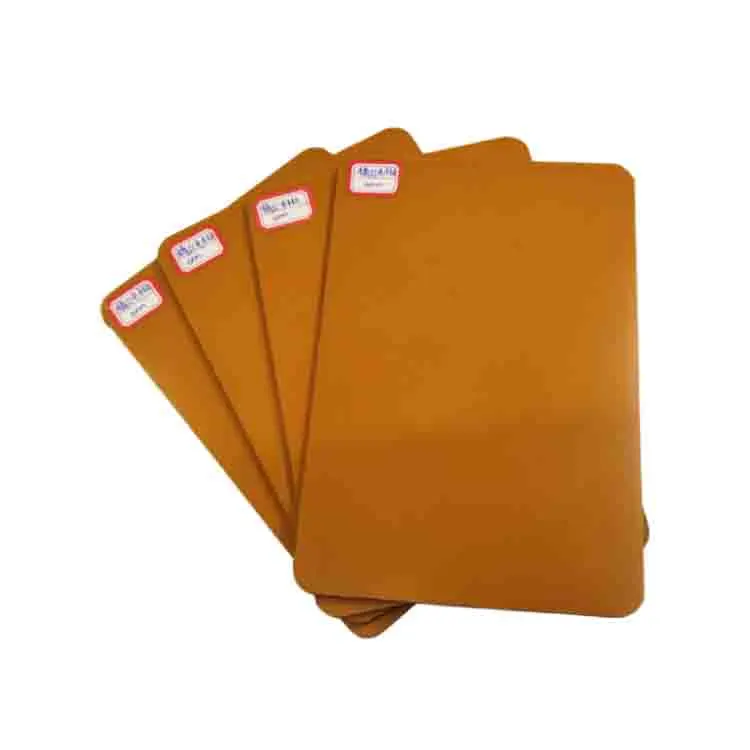
Why Chinese Bakelite Sheets Lead Renewable Energy Manufacturing?
Materials that can endure harsh environments without losing their electrical integrity are needed in the renewable energy industry. Chinese producers have made significant investments in the technology of phenolic resin, producing composite materials that surpass global norms. These expenditures result in high-quality wind turbine, solar panel, and battery management system products.
The key to China's dominance in this sector is its superior manufacturing. Modern manufacturing facilities use pressure molding and exact temperature control. Large manufacturing runs yield consistent material qualities as a result. Quality control procedures guarantee that every laminate satisfies strict requirements for mechanical strength and electrical insulation.
Chinese vendors are appealing to international consumers since they are economical without sacrificing quality. Capabilities for large-scale production greatly lower costs per unit. This financial benefit is essential for renewable energy projects that need high-performance materials yet have limited funding.
Essential Selection Criteria for Renewable Energy Applications
A thorough assessment of particular performance attributes is necessary when choosing the appropriate phenolic material. Since components of renewable energy are subject to temperature variations, thermal stability is the most important factor. Between -40°C and 200°C, materials must retain their structural integrity without degrading.
In high-voltage applications, component reliability is determined by electrical characteristics. For solar inverter applications, the dielectric strength needs to be greater than 15 kV/mm. For the duration of the material's service life, volume resistivity shall stay constant above 10^12 ohm-cm. Critical energy systems operate safely thanks to these specifications.
Components are shielded from environmental exposure by chemical resistance. Materials used in marine wind farms are subjected to humidity and salt spray. Components of desert solar arrays are exposed to sand abrasion and UV radiation. High-quality materials withstand these difficulties while upholding performance requirements.
Long-term durability under operational stress is influenced by mechanical characteristics. During thermal cycling, structural stability is ensured by flexural strength greater than 100 MPa. Component failure during installation and maintenance is avoided by impact resistance.
Premium Grade Phenolic Sheets for Wind Energy Systems
Applications for wind turbines require extraordinary weather resistance and mechanical strength. Superior quality phenolic cotton laminates function exceptionally well in generator components and nacelle insulation systems. These materials have improved glass transition temperatures that are higher than 180°C, guaranteeing stability under high operating circumstances.
High-pressure consolidation comes after several cycles of resin impregnation in the manufacturing process. This produces structures that are dense, free of voids, and have excellent mechanical qualities. For complicated shapes, reinforcement layers preserve great machinability while offering directional strength.
IEC 61400 compliance for wind energy applications is one example of a quality certification. Performance under conditions of accelerated aging is confirmed by independent testing. Long-term durability in the maritime conditions where offshore wind farms operate is demonstrated by salt spray resistance testing.
Options for customization meet certain design specifications. In essential applications, thickness tolerances keep precision within ±0.05mm. Systems that use color coding make it easier to identify components during assembly. Adhesion for bonding applications is improved by specific surface treatments.
Project deadline compliance for Bakelite sheet is ensured by supply chain dependability. With scalable production capabilities, the monthly manufacturing capacity surpasses 500 tons. Traceability from source materials to final inspection is maintained by quality management systems. Technical support teams offer troubleshooting help and application instruction.
Solar-Grade Insulation Panels with Enhanced UV Stability
Materials for solar energy systems must be designed to withstand decades of exposure to the elements. UV stabilizers and antioxidants are incorporated into solar-grade phenolic panels to avoid deterioration under strong sunlight. During the normal 25-year service guarantees for solar installations, these compositions retain their electrical characteristics.
Superior resilience to heat cycling is provided by advanced resin chemistry. Mounting systems experience expansion strains due to daily temperature fluctuations from dawn to midday. These unique materials are able to withstand heat stress without forming tiny cracks that could jeopardize electrical insulation. Aluminum frame systems' thermal expansion coefficients reduce contact pressures.
In certain situations, surface treatments improve performance. Heat accumulation in enclosed areas is decreased by anti-reflective coatings. Conductive versions offer regulated pathways for static discharge, safeguarding delicate devices. For rooftop installations, flame-retardant grades satisfy building codes.
Consistent electrical characteristics throughout production batches are guaranteed via precision manufacturing. Fiber-to-resin ratio fluctuation is eliminated via automated resin application systems. Crosslink density is optimized for optimal performance through computer-controlled curing cycles. Throughout production, statistical process control keeps an eye on important factors.
Long-term performance forecasts are validated by environmental testing. In controlled laboratory settings, accelerated aging techniques replicate 25 years of outside exposure. Dimensional stability, electrical breakdown voltage, and maintained flexural strength are examples of performance metrics. Test findings give assurance for insurance needs and warranty programs.
High-Temperature Resistant Materials for Energy Storage
Specialized phenolic formulations are needed for battery energy storage systems because of their particular problems. High-temperature resistant materials offer electrical isolation between cells while preserving structural integrity during thermal runaway occurrences. Materials approved for temperatures above 250°C with minimum smoke emission are required for these applications.
In battery applications where material selection is governed by safety standards, flame retardancy becomes crucial. Without halogenated chemicals, self-extinguishing compositions are rated UL 94 V-0. Measurements of smoke density attest to the low production of harmful gases in emergency situations. Both persons and equipment are safeguarded by these safety elements.
During thermal cycling, dimensional stability keeps battery connections from experiencing mechanical stress. Movement during charge-discharge cycles is reduced when linear expansion coefficients are less than 40 ppm/°C. Lower than 0.3% moisture absorption rates avoid swelling that might harm electrical connections or battery casings.
Long-term stability is ensured by chemical compatibility with battery electrolytes. Lithium-ion electrolyte compatibility testing verifies that there are no negative responses during prolonged exposure times. Battery performance degradation is prevented by ionic contamination levels staying below detection thresholds.
The complicated geometries needed for battery pack designs are supported by manufacturing capabilities. Tight tolerances for thermal management channels and cell spacing are achieved by CNC machining. Clean edges without thermal damage are produced by water jet cutting. Integrated cooling channels and mounting features are made possible by custom molding capabilities.
Global Market Characteristics and Regional Preferences
Different demand patterns for phenolic materials are caused by regional variations in the growth of renewable energy. Environmental compliance with REACH standards and RoHS directives is given top priority in European markets. Lifecycle impact studies and comprehensive material composition data are prerequisites for certification.
Independent testing labs are used to validate performance in North American markets. For installations at the utility scale, UL recognition becomes crucial. Programs for project funding and insurance are supported by material traceability standards. For engineering computations, technical data Bakelite sheets must contain extensive property databases.
Asian markets prioritize cost reduction while upholding standards of quality. Demand for standard product lines with track records is driven by high-volume applications. Supplier selection selections are influenced by local technical support capabilities. Aggressive project durations that are typical in developing markets are supported by quick delivery dates.
Opportunities for streamlined product lines that satisfy fundamental performance standards are presented by emerging markets. In price-sensitive applications, lower beginning costs frequently outweigh more sophisticated functionality. The ability to assemble locally lowers import taxes and logistics expenses. Training initiatives foster the development of local skills and the transfer of technology.
Professional Purchasing Recommendations
A comprehensive assessment of supplier capabilities beyond product specifications is necessary for successful procurement. Manufacturing certifications that demonstrate systematic quality management include ISO 14001 and ISO 9001. Existing customer audit reports offer valuable information about real performance and service quality.
The success of a project is greatly impacted by technical support capabilities. Teams of engineers should have experience using renewable energy. Capabilities to solve problems during the design stages avoid expensive delays. Performance optimization advice and troubleshooting help are included in post-delivery support.
Supply chain resilience guards against potential disruptions. During maintenance shutdowns, backup capacity is provided by several production facilities. Purchasing raw materials from a variety of vendors lowers the danger of a single point of failure. Systems for managing inventories keep sufficient supply levels for vital applications.
Factors other than the initial purchase price are included in the total cost of ownership. Delivery schedules and volume have a big impact on transportation expenses. The way materials are packaged has an impact on their condition when they arrive. Overall project economics are influenced by terms of payment and currency stability.
Incoming inspection protocols should be a part of quality assurance initiatives. Before being used in production, sample testing verifies important characteristics. Traceability requirements are supported by certificate of compliance paperwork. During initial applications, performance monitoring verifies adherence to specifications.
Industry Trends and Future Outlook
Phenolic material technology is constantly evolving due to the growth of renewable energy. Modern fiber reinforcement techniques lighten weight while enhancing mechanical qualities. Additives from nanotechnology improve thermal and electrical characteristics without compromising processability. End-of-life concerns are addressed by recycling programs in support of sustainable development objectives. Intelligent manufacturing methods maximize output while upholding standards of quality. Chinese firms are positioned as technological leaders in this growing sector thanks to these tendencies.
Conclusion
Chinese producers of Bakelite sheets dominate international markets thanks to their cutting-edge technology, affordable prices, and extensive quality control systems. For applications involving renewable energy, these phenolic materials offer crucial mechanical and electrical insulating qualities. Project success is ensured by choosing suppliers carefully, taking into account their technical prowess, quality certifications, and support services. The sustained expansion of the renewable energy industry propels continuous advancements in production techniques and material technology. Access to innovative solutions and dependable technical assistance is made possible by collaborating with seasoned vendors like J&Q.
FAQs
Why are Chinese Bakelite sheets appropriate for applications involving renewable energy?
Phenolic materials with remarkable chemical resistance, electrical insulation, and thermal stability are produced by Chinese producers. They are perfect for large-scale renewable energy projects because of their affordable pricing and advanced manufacturing techniques, which guarantee consistent quality. International safety and performance standards are met by quality certifications.
How can the quality of phenolic sheets for important applications be confirmed?
Obtain certified test results for mechanical, electrical, and thermal characteristics. Manufacturer claims are verified by independent laboratory testing. Performance is confirmed by evaluating the sample under real-world operational settings. Supplier audits evaluate quality systems and production capabilities.
How long does it take to get custom phenolic materials?
After orders are confirmed, standard products usually ship in two to three weeks. The development and testing of custom formulas takes four to six weeks. During times of high demand, delivery timetables may be prolonged by large orders. Project delays are avoided via early supplier engagement.
Partner with J&Q for Premium Bakelite Sheet Solutions
J&Q combines cutting-edge phenolic resin technology with more than 20 years of experience in the production of insulating sheets. In terms of electrical performance and thermal stability, our renewable energy-grade materials surpass industry norms. All production batches are guaranteed to have consistent product quality thanks to thorough quality management procedures.
Throughout the design and execution phases, our committed engineering staff offers technical assistance. Custom formulations preserve cost-effectiveness while meeting the needs of particular applications. Product development cycles are accelerated by rapid prototyping capabilities. Reliable delivery schedules are guaranteed by global logistical capabilities.
Being a top producer of Bakelite sheets, we are aware of how crucial material dependability is to applications involving renewable energy. To verify performance in harsh environmental conditions, our materials go through a rigorous testing process. Your engineering calculations and regulatory compliance needs are supported by technical documentation.
Are you prepared to use excellent phenolic materials to improve your renewable energy projects? Our technical experts are available to talk about your unique needs and suggest the best solutions. Get in touch with us at info@jhd-material.com to start working with J&Q right now.