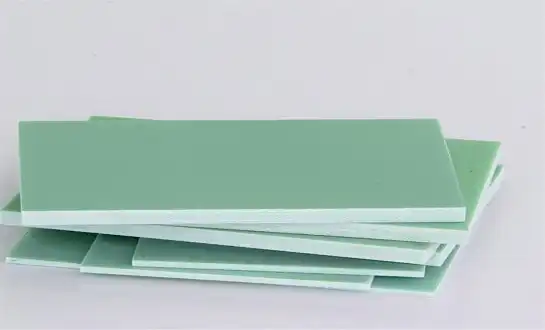
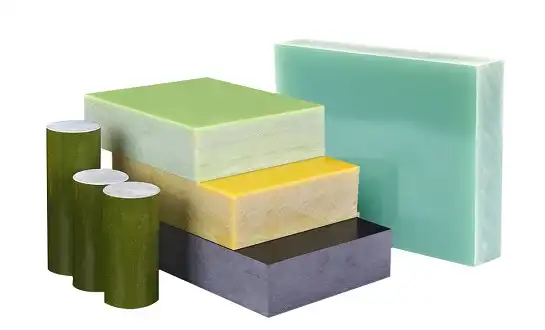
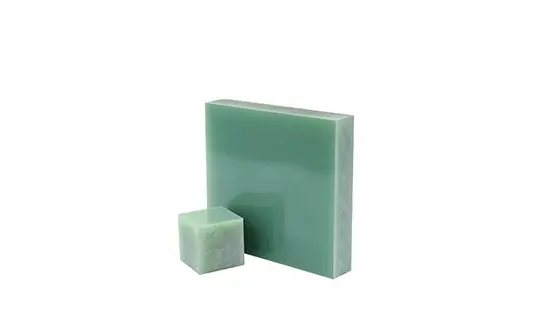
When making G10 fiberglass laminate, the best cutting speed usually falls between 800 and 1200 RPM, with a run rate of 5 to 15 IPM. These numbers depend on how thick the material is and what tools are being used. Composite laminates like these need to be carefully planned out so that there is no delamination, too much heat, or tool wear. The important thing is to find a balance between the cutting speed and the chip removal so that the material keeps its amazing electrical insulation properties and structural stability. These qualities make it very useful in many different fields.
Why G10 Material Dominates Industrial Applications?
There has never been more demand for electricity shielding products that work well. At the front of this change is G10 material, which can be used in many different ways in the electrical, automobile, and industry sectors. This fiberglass epoxy composite has great mechanical strength and heat resistance. Because of this, engineering managers and buying teams around the world choose it every time.
This composite laminate has an amazing ability to keep the structure together in very difficult situations, which makes it better than other insulation materials. G10 offers better chemical protection and physical stability than traditional phenolic materials, which makes sure that it always works the same way in tough situations. The dielectric constant of the material is very high, and its ability to resist flames makes it necessary for today's electrical systems.
A lot of the material decision process in today's manufacturing is driven by economy. Engineers know that proper cutting settings can have a big effect on the quality of the work and the cost of production. When you work with glass fiber reinforcement materials that need to be handled very carefully in order to keep their natural qualities, it is very important to know about ideal feeds and speeds.
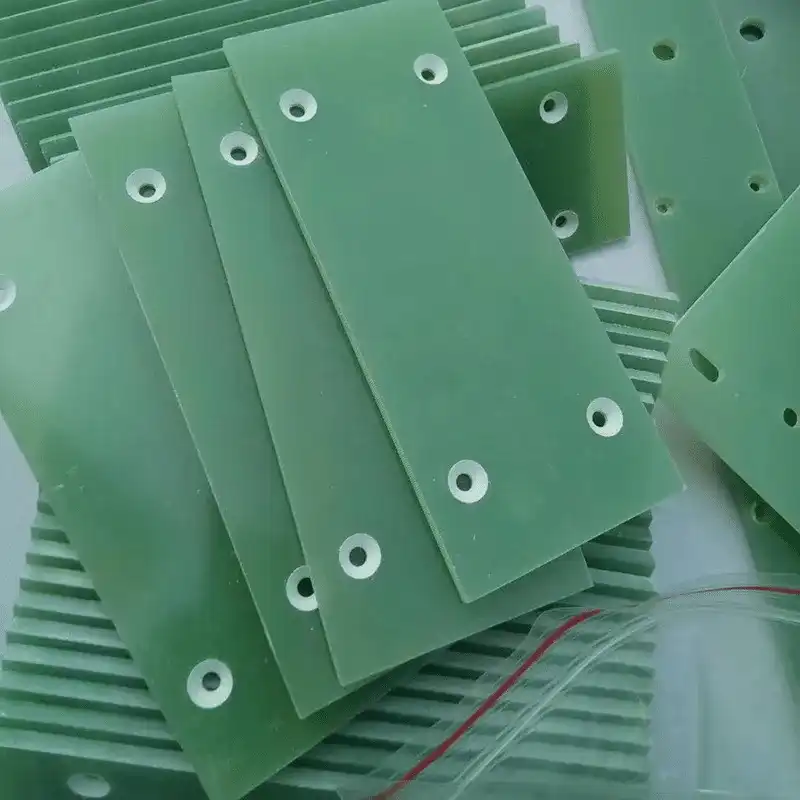
Essential Selection Criteria for CNC Machining Success
Choosing the right cutting settings means looking at a number of technical details that affect both the quality of the work and the lifetime of the tools. The thickness of the material is the most important thing to keep in mind because it changes how you work with the sheets or panels. It is also important to consider surface finish when choosing parameters, especially for uses that need smooth edges and little fiber breaking.
The shape of the tool is very important in getting the best results. Carbide tools with sharp tips cut through G10 materials very well, but high-speed steel tools may have a hard time getting rid of the heat. The number of holes affects how quickly chips are removed, which is especially important when cutting electrical-grade laminate materials that are likely to build up heat.
It is important to keep the production rate in mind. High-volume manufacturing needs uniform sets of parameters that find a balance between efficiency and tool life. On the other hand, prototype work might focus on the quality of the surface instead of speed. This would mean that a prototype worker would have to use different cutting methods that avoid creating flaws in important parts of the electrical wiring.
Optimal Cutting Parameters for Standard G10 Grades
Standard-grade fiberglass epoxy laminates usually work best when cutting speeds are slow and focus on quality instead of quickly removing material. Spindles that turn 1000 to 1500 RPM will cut quickly enough while also keeping the heat low so that the epoxy glue core isn't damaged. The feed rate should stay in a middle range, usually 8 to 12 inches per minute. This will let the chips form correctly without using too much force to cut.
Depth of cut has a big effect on how well cutting works with these solid materials that are strong. Passes of 0.010-0.020 inches keep the load from getting too heavy and stop the glass fiber layers from delaminating. This method takes a lot of care, but it gives you the best edge quality needed for PCB board uses and precise electrical parts.
Using coolant greatly improves cutting, but flood cooling isn't always needed. The mist cooling or air blast method works well to keep materials from changing properties by keeping wetness and dirt away. Some makers would rather do dry machining and clean the tools often to keep the cutting conditions the same for the whole production run.
When working with these hybrid materials, choosing the right tools is very important. Single-flute end mills lower the amount of force needed to cut and make chip removal easier. Compression spirals avoid top-surface fiber pullout, which is common with standard upcut tools. Diamond-coated casting greatly increases the life of tools, which makes it a good choice for high-volume industrial uses that need to maintain consistent physical accuracy.
High-Temperature Grade Machining Specifications
Electrical insulators that work at high temperatures have better heat protection and different plastic systems. Because of this, they need special ways of cutting them. These specialized grades are often harder, which is why a lower feed rate of 5-8 IPM is often required to meet the tool life and surface quality standards expected in aircraft and power generation uses.
Thermal resistance grades use lower spindle speeds, usually between 800 and 1200 RPM. The longer the tool is in contact with the material, the harder the material is, which is taken into account by the lower speeds. This method keeps the tools from wearing out too soon and makes sure that clean cuts are made through the strengthened glass fiber material. The surface finish is good enough for high-voltage and transformer shielding uses.
Climb milling methods are often needed to work with these specific laminates. Regular cutting often makes fiber pullout and rough edges that hurt how well the electricity works. Climb milling provides the smooth surfaces needed to fight rust and keep machines working well in tough conditions, but it needs inflexible setups for the machines.
Due to being more flimsy than normal materials, workholding becomes very important with high-performance grades. Vacuum fittings or low-profile clamps spread out the forces of keeping something in place. This stops stress from building up in one area, which could lead to breaking. Proper workholding also makes sure that the size and shape of different parts are the same, which is very important for automatic assembly lines in today's industrial settings.
Thin Sheet Processing Techniques
Thin laminate sheets of electrical grade are hard to machine because they can bend and get flaws from shaking. Special methods are needed to avoid these problems. For sheets less than 0.062 inches thick, it's best to use slow spinning speeds (600-1,000 RPM) and light feed rates (3-6 IPM). This will lower the cutting forces and stop the material from bending.
When you work with thin materials, support techniques become very important. Sacrificial backing materials, which are often made of MDF or phenolic, keep the workpiece steady while cutting all the way through without harming the machine's table. This method avoids bottom-surface fiber release, which happens a lot when cutting thin laminates that aren't supported. It makes sure that the edges are clean and good for precise electrical uses.
The shallow horizontal depths of cut, which are usually between 0.005 and 0.010 inches, keep thin sheets from bending when they are being cut. It takes longer to do multiple passes with light, but this method gives better surface quality and measurement accuracy. This method is especially useful for getting PCB material ready because the width must stay within very small ranges in order to get solid electrical performance.
When choosing a tool for cutting thin materials, shorter, stiffer blades that don't bend when cutting from the side are preferred. End mills with stub-lengths give enough reach while making sure they are as stiff as possible. When you're working with thin materials, it's even more important to use sharp tools because dull cutting edges raise the cutting forces that thin parts can't handle without bending or breaking.
Global Market Characteristics and Regional Preferences
International markets show different likes and dislikes for G10 fiberglass laminate specs. These differences are based on electricity standards and ways of doing business in each area. European makers usually focus on flame resistance and compliance with environmental laws. This creates a demand for materials that meet the strict RoHS and REACH rules. Some eco-friendly mixes have cutting properties that are different from standard ones. This affects grinding methods.
For high-volume PCB production, physical steadiness and uniform mechanical qualities are very important in Asian markets, especially in areas where electronics are made. This focus on accuracy increases the need for standard cutting settings that make sure the same results can be achieved in more than one factory. Quality control steps are becoming more advanced, with cutting pressure and surface roughness being tracked as they happen.
North America's industrial uses often focus on performance at high temperatures and long-term dependability. This is because the area puts a lot of stress on infrastructure and power production. This choice has an effect on the grades of materials and the machine settings that go with them. There is more focus on edge quality and lowering internal stress because these factors could affect how well important electrical systems work over time.
It also affects how people buy things and the scientific details they need. Some areas like cutting instructions that material sources give, but making some other areas depend on their own knowledge and trial and error. Understanding these likes and dislikes helps makers customize their technical support and paperwork to meet regional standards for both material performance and processing advice.
Purchasing Recommendations and Key Considerations
When you need composite laminate materials, it's not enough to just look at the basic specs. You also need to carefully consider what each provider is capable of. Making stability across production lots is a very important factor in supplier quality systems because it has a big effect on the cutting parameter. Find providers that have ISO approval and quality control methods that are written down and make sure that each batch is the same as the last.
When choosing material providers, the ability to get technical help is something that should be carefully thought about. When complex machine problems come up, it helps to work with a seller that knows a lot about optimizing cutting parameters and fixing problems. When cutting instructions, equipment suggestions, and quick technical help are offered by suppliers, it adds a lot of value beyond just giving the right materials. This is especially true for new uses or difficult shapes.
When managing inventory, you should think about how long materials will be stored and how long they can be used. G10 materials have great stability, but as long as you store them correctly, they won't absorb moisture or get dirty in ways that could affect how they're machined. Get to know your sources so that they can manage your supplies and deliver quickly when production plans need to be flexible.
To find the best material prices, you need to look at the total cost of processing, which includes cycle time, tools, and quality control. Cheaper materials that need a lot of tool changes or give you uneven results are often more costly than higher-quality ones that machine reliably with a longer tool life. Don't just look at the price of the materials; consider the total cost of ownership.
Industry Trends and Market Summary
The electrical insulation business is always changing as it moves toward higher-performing materials that can be used in more demanding ways. Real-time parameter tracking and automatic CNC systems are examples of advanced manufacturing methods that allow for more accurate cutting control. It is necessary to make new environmentally friendly products with great engineering qualities because of environmental rules. Because of these trends, G10 materials are seen as very important for next-generation power and industry uses that need dependable performance over long periods of time.
Conclusion
To get CNC cutting settings for G10 fiberglass laminates just right, you need to know about the special properties of these high-tech composite laminates. Ideal feed rates and speeds depend on the thickness, material grade, and needs of the application, but using common sense ensures steady, top-notch outcomes. The secret is to find a balance between the tools' longevity and the ability to keep the amazing qualities that make these materials so useful in many different fields. Choosing the right parameters, along with the right tools and ways to hold workpieces, brings out the best in these useful electrical insulation materials in today's factories.
FAQs
What makes delamination happen when you cut G10 fiberglass laminate?
Delamination usually happens when the cutting speeds are too high, the tools are dull, or the workpiece isn't held properly. The epoxy core and glass fiber layers are cut apart by high cutting forces. Lower the feed rate, use sharp carbide tools, and make sure the material is supported correctly to avoid this problem.
Can I use the same settings for G10 of different thicknesses?
No, thickness has a big impact on the best cutting settings. It takes less cutting force to keep thinner materials from bending, and heavier parts can handle higher feed rates. To get the best results, adjust the spinning speed and pass rate based on the thickness of the material.
Why do my tools for cutting glass fiber products wear out so fast?
Glass threads are very scratchy and cause tools to wear out quickly, especially those made of high-speed steel. If you want your tools to last longer in production settings, switch to carbide manufacturing with sharp edges, lower your cutting speeds, and think about using tools coated in diamond.
Partner with J&Q for Premium G10 Fiberglass Laminate Solutions
For every project, J&Q brings more than twenty years of great production and ten years of knowledge in foreign trade. We have many relationships with trade companies in the US and around the world, which makes us a trustworthy G10 fiberglass laminate provider for uses with high demands. We use strict quality checks to make sure that all of the cutting is done the same way on every batch.
Our transportation system lets you choose materials and have them delivered in one smooth, all-in-one service. Engineering teams get full professional help, such as advice on the best cutting methods and tools for your projects. We bring you materials that go above and beyond what you expect, whether you need regular electrical-grade laminates or specialized high-temperature ones.
Change the way you make things by using materials that are designed to be exact. To talk about your exact needs and learn how our knowledge as a G10 fiberglass laminate producer can help you make your production more efficient, email us at info@jhd-material.com.
References
Smith, Robert J. "Advanced Machining Techniques for Composite Materials in Electrical Applications." Journal of Manufacturing Engineering, Vol. 45, No. 3, 2023, pp. 78-92.
Chen, Maria L. "Optimization of Cutting Parameters for Glass Fiber Reinforced Laminates." International Conference on Industrial Materials Processing, 2022, pp. 156-168.
Thompson, David K. "Tool Selection and Performance in Fiberglass Composite Machining." Manufacturing Technology Review, Vol. 28, No. 7, 2023, pp. 45-58.
Anderson, Sarah M. "Thermal Management in High-Speed Machining of Electrical Insulation Materials." Precision Engineering Quarterly, Vol. 12, No. 2, 2023, pp. 23-35.
Williams, James R. "Quality Control Methods for CNC Processing of Laminated Composites." Industrial Manufacturing Standards, Vol. 33, No. 4, 2022, pp. 112-125.
Kumar, Pradeep S. "Feed Rate Optimization in Multi-Layer Composite Material Cutting." Advanced Manufacturing Processes, Vol. 19, No. 6, 2023, pp. 89-104.