Automated Fabrication Solutions for Phenolic Cotton Laminates
Materials used in modern industrial making need to be reliable and work well in harsh situations. From power distribution to car engineering, phenolic cotton laminate is essential because it combines mechanical strength and electrical insulation. Traditional methods of making things by hand are becoming less consistent and less efficient as production rates rise and precision standards rise. Automated fabrication solutions take these problems head-on and change the way manufacturers work with these composite materials. They also meet the exacting needs of electrical engineers, procurement specialists, and OEM sourcing managers who depend on repeatability and accuracy in measurements from batch to batch.
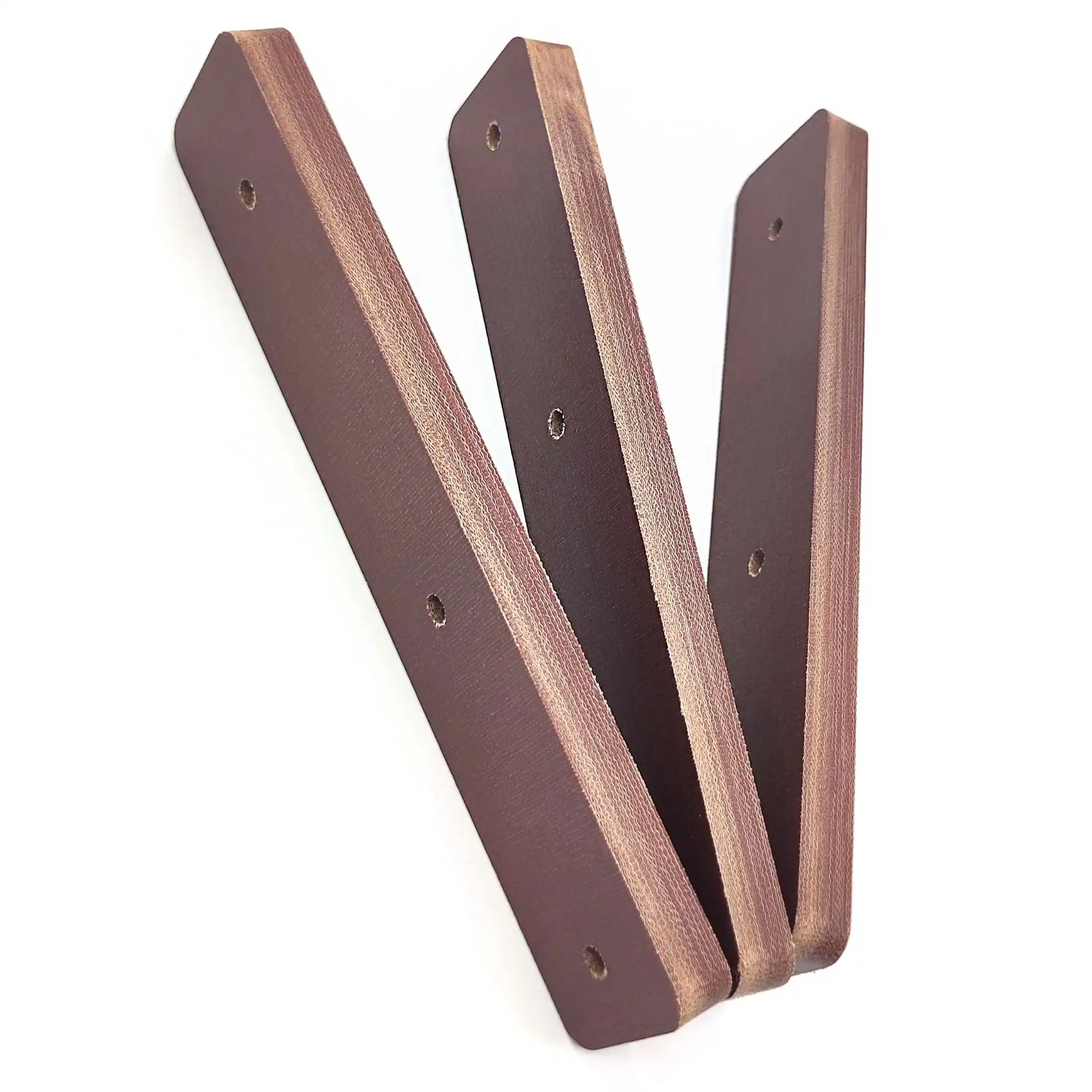
Understanding Phenolic Cotton Laminates and Their Fabrication Needs
These high-performance composites are made up of layers of knitted cotton cloth that are saturated with thermosetting phenolic resin binders. They are heated and pressed at high pressures to make materials that meet NEMA grades C, CE, L, LE, or IEC 60893 PF CC standards. As a result, phenolic cotton laminate sheets meet the needs for both electrical protection and heavy-duty mechanical uses, providing options that other materials can't match.
What Makes These Laminates Essential for Industrial Applications?
It talks about real problems that manufacturing experts have every day. In gear transfer systems, metal-to-metal contact makes too much noise, which stops work from getting done and is against safety rules at work. Phenolic cotton laminate sheets have sound dampening qualities that greatly lower working noise levels while keeping load-bearing capacity. When parts are exposed to rough environments, they break down early, which costs a lot in downtime and repair rounds. These laminates have a much longer working life than regular materials because they are much more resistant to wear and can work with either water or oil lubrication.
Critical Performance Characteristics That Matter
When engineering managers look at insulation materials for electrical uses, they put a lot of weight on a few key qualities. These laminates are very stable mechanically and thermally, and can withstand temperatures up to 120°C without breaking down. The low rate of friction means that moving parts use less energy and make less heat. High creep resistance makes sure that the dimensions stay the same under long-term loads, which is very important for precise mechanical systems. Vibration absorption abilities keep sensitive equipment from getting damaged by oscillations. This is especially useful for automotive and industrial gear. The qualities of the electroinsulation meet the UL and ROHS compliance standards that electrical component makers need for use in motors and switchgear.
Fabrication Challenges in Traditional Processing Methods
There are some problems with manual manufacturing processes that make it hard to make good products and keep costs down. When workers use standard cutting tools, thickness tolerances change, which leads to errors that need to be fixed or rejected later on. When people measure and machine things, they make mistakes that cause differences in sizes that get worse when they are put together. When manufacturers can't find the best cutting patterns across all sheet sizes, they waste more material. When order numbers go over manual capacity, production scalability hits a wall. This causes wait times to grow, which throws off supply chain planning. Without automated tracking systems, quality paperwork is still missing parts, which makes certification audits and traceability standards more difficult.
Automated Fabrication Solutions: Revolutionizing Production
New technologies in manufacturing are changing how these composite materials are processed. This leads to measured changes in output quality, cost efficiency, and production throughput, which directly help engineering and buying departments. Phenolic cotton laminate fabrication via automation ensures higher consistency across all production cycles.
CNC Machining Precision for Complex Geometries
Computer numerical control systems make it possible to be accurate over and over again, which is not possible with human work. Multi-axis CNC cutters can work with laminate sheets that have tolerances of just a few thousandths of an inch. This is very precise, just what PCB support structures and transformer arc shields need. Automated tool changes can switch between drilling, routing, and profiling tasks without any help from a human. This cuts down on cycle times while keeping the quality of the edges the same. Programming that is flexible can handle both large production runs and small special orders. This lets OEM sourcing managers adapt to changing design needs without having to wait for retooling to happen.
Robotic Material Handling Systems
Automatic loading and lifting systems get rid of the need to move things by hand, which can damage things and be bad for your health. Robotic arms with vacuum grippers can handle thin laminate sheets without damaging the surface, keeping the finish quality for uses where both performance and looks are important. Integrated conveyors make the best use of the room on the production floor by timing the flow of materials between the cutting, drilling, and finishing stations. Automated stacking and packing systems protect finished parts during shipping with interleaving, which lowers the risk of damage during transport that leads to warranty claims and unhappy customers.
Advanced Cutting Technologies for Clean Edges
Waterjet cutting systems can cut through phenolic laminates without creating heat-affected zones that change the qualities of the material near the cut edges. When you cold-cut a sheet, the measurements stay the same across the whole length, which is very important for uses that need tight assembly fits. Laser cutting is an alternative way to process smaller sizes, and it produces high-quality edges that require fewer secondary finishing steps. Programmable cutting paths increase material output by nesting multiple part shapes within a single sheet. This lowers the amount of scrap, which has a direct effect on the cost of the parts.
Real-Time Quality Monitoring and Process Control
Integrated sensor systems keep an eye on important factors during the whole manufacturing process and find any changes that need to be made before they result in damaged parts. Vision inspection systems check the dimensions of pieces right after they are cut, marking any that don't meet the standards as needing more work before they can go into the assembly process. Statistical process control software looks at production data to find problems that happen more often. This lets repair workers know when to fix things before they break down during busy times. Digital documentation systems make certificates of compliance and material test reports automatically. Long-term procurement experts need these for supplier qualification checks.
Comparing Material Options: Insights for Smarter Procurement Decisions
When sourcing managers look at insulation materials, they need to know how the different choices compare in terms of performance so they can fit the needs of the application with the available budget and make sure the supply chain is reliable. Phenolic cotton laminate remains a primary choice for balanced mechanical and electrical needs.
Phenolic Cotton Versus Paper-Based Laminates
While paper-reinforced phenolic composites are cheaper to make, they are weaker and can't withstand water. Because cotton cloth reinforcement has better tension and flexural qualities, it is better for structural uses like mechanical spacers and gear parts that have to carry heavy loads. Different types of materials absorb water at very different rates. In wet places, cotton laminates keep their shape, while paper grades grow and lose their mechanical integrity. In CNC processes, cotton laminates make cleaner holes and sides with less tool wear than paper-based materials that are rough. This is because they are easier to machine.
Epoxy Versus Phenolic Resin Systems
Epoxy laminates are better for high-frequency electrical uses and places where moisture is always present because they have higher dielectric strength and lower water absorption. Phenolic systems work against this because they are more stable at high temperatures and don't catch fire easily. These are qualities that transformer makers and power distribution companies value for coil insulation and arc barriers. Because they are cheaper, phenolic materials are often preferred, especially in high-volume production where material costs have a big effect on the economics of each unit. The ways they can be processed are also different. For example, phenolic laminates are usually easier to machine and have more suppliers in North American markets.
Evaluating Supplier Capabilities Beyond Material Specifications
Technical data sheets only show a small part of the buying process. How well providers can adjust production to changing demand depends on their manufacturing capacity. If they can't, they may have to extend lead times, which can mess up production plans. When an application needs non-standard thicknesses, custom sheet measurements, or machining services that add value, customization freedom is important. Getting certified in quality management gives you trust in the controls over the process and the consistency of the output across order cycles. Freight prices and delivery reliability are affected by how close two locations are to each other. This is especially true for jobs that need to be done quickly and where faster shipping doesn't save money on materials.
Procuring Phenolic Cotton Laminates: Best Practices for B2B Buyers
To do strategic sourcing, you need to find ways to evaluate things in a way that balances technical needs with total cost of ownership and reduces supply chain risks that could stop production. Phenolic cotton laminate procurement requires careful attention to material certification and supplier reliability.
Supplier Qualification and Performance Metrics
Facility inspections that look at the state of tools, process documentation, and quality control methods should be used as part of auditing to make sure that a company can make things. The certification review makes sure that the company follows the rules for quality management set by ISO 9001 as well as rules relevant to its business, like UL recognition for electrical uses. Checking references with current customers shows how well a seller has done in areas that specs can't, such as how quickly they respond to technical questions, how willing they are to help with design optimization efforts, and how flexible they are with rush orders. Before making big purchases, engineering teams can use sample evaluation tools to make sure that the material's qualities and how it cuts are correct.
Understanding Pricing Structures and Total Cost Analysis
When bulk discounts, customization fees, and shipping costs are taken into account, published prices rarely match the real costs of buying something. Buyers may have to keep extra inventory on hand because of minimum order quantities, which can tie up operating capital and warehouse room. With scheduled releases and blanket buy agreements, you can get big discounts while still having the freedom to choose when to receive the goods in a way that works with your production plans. Customization costs vary a lot from one supplier to the next, based on how well they can make things and whether the services you want are normal or need special setups.
Logistics Planning for International Procurement
When buying from sellers in different parts of the world, managing lead times becomes very important. Ocean freight is a cheap way to ship large amounts of goods, but you need to plan ahead to account for port jams and delays in clearing customs. For pressing needs, air freight cuts down on travel time, but it also raises landed costs that may be higher than planned. The choice of Incoterms affects who is responsible for freight plans, insurance coverage, and customs taxes, all of which have an effect on the total cost of delivery. Material safety data sheets, certificates of origin, and compliance declarations are some of the documents that are needed for customs processing and internal receiving processes.
Future Trends in Automated Fabrication Technology
New innovations promise that the way manufacturers work with composite materials will continue to change. This means that early adopters of improved skills can gain a competitive edge in processing phenolic cotton laminate components.
Artificial Intelligence in Process Optimization
Machine learning systems look at production data to find the best cutting speeds, feed rates, and tool paths that get the most work done with the fewest mistakes. Predictive quality models can find small changes in parameters that happen before quality problems happen. This lets problems be fixed before parts that don't meet standards are made. Adaptive control systems change process factors automatically in reaction to changes in the material. This keeps the quality of the product constant even though the properties of the raw materials are different. Digital twin models test changes to the process almost before they are put into action. This cuts down on trial-and-error testing, which wastes time, money, and resources.
IoT-Enabled Production Monitoring
Connected sensors in all of the manufacturing equipment show how the machines are being used, how long cycles take, and what repair needs to be done in real time. Cloud-based dashboards let operations managers and procurement teams see reports on the state of production from anywhere. This makes it easier for buyers and sellers to work together. Automated alerts let stakeholders know when an order's milestones are met, shipments leave, and deliveries are confirmed. This cuts down on communication costs while making the supply chain more clear. Data analytics find inefficiencies and bottlenecks that lower productivity. This helps capital investment choices go toward upgrades to tools that give a clear return on investment (ROI).
Sustainability and Material Recycling Initiatives
Environmental laws have a bigger impact on what materials are used for and how they are thrown away. Closed-loop recycling systems get phenolic resin from production waste and end-of-life parts. This cuts down on the amount of raw materials needed and the cost of getting rid of waste. Bio-based phenolic resins made from green materials have smaller carbon footprints without lowering their effectiveness. Using processing equipment that uses less energy lowers running costs and lowers pollution from manufacturing. When procurement professionals use sustainable criteria to evaluate suppliers, they make sure that buying choices are in line with the company's environmental goals and that they can predict how regulatory trends will change future compliance requirements.
Conclusion
Automated manufacturing technology changes the way phenolic cotton laminates are processed by making them more precise, consistent, and efficient than human methods. When engineering managers and procurement experts work together with sellers who invest in advanced manufacturing, they gain a competitive edge. When choosing a material, it's important to carefully weigh the needs of the product against the costs and the supplier's abilities. Supply chain resilience is ensured by strategic buying practices that focus on quality systems, customization flexibility, and transportation dependability. New technologies promise to keep making things more efficient and long-lasting, which smart companies can use to make their manufacturing processes more valuable in the long run.
FAQ
What thickness tolerances can automated fabrication achieve with phenolic cotton laminates?
When working with normal sheet sizes, CNC machines usually keep the thickness within ±0.005 inches and the length and width within ±0.010 inches. Robotic handling gets rid of the mistakes that happen when measuring by hand, which cause part lengths to vary. Automated inspection systems check for conformance right after cutting, making sure that every part meets the requirements before it is sent to the customer.
How does automation reduce lead times compared to manual processing?
Automatic systems work nonstop and require very little setup time between production runs. This gets rid of the delays that come from having to change tools and take breaks for operators. CNC programming lets you switch between part shapes instantly, without having to retool. Integrated material handling moves parts between processing stations much faster than moving them by hand, which cuts cycle times by a large amount.
Can automated systems handle custom laminate thicknesses and sheet sizes?
Modern machines for making things can work with materials that are as thin as sheets or as thick as plates without having to be reconfigured in a big way. Programmable settings change the cutting depth, feed rate, and tool choice based on the information entered about the material. Robotic handling systems have grippers that can be adjusted to fit different sheet sizes. This gives them the ability to handle both standard and unique orders.
Partner with J&Q for Advanced Phenolic Cotton Laminate Manufacturing
J&Q has been making high-quality insulation materials for over 20 years and has also been involved in foreign trade for ten years. This makes sure that electrical makers, machinery builders, and clients in the power sector all over the United States have a smooth buying experience. Our automated manufacturing skills give engineering managers the precise machining and batch stability they need. This is backed up by a range of quality certifications, such as UL and ROHS compliance. We run our own logistics network and offer streamlined shipping options that cut down on planning issues and arrival times. If you need a phenolic cotton laminate supplier you can trust who knows your technical needs and delivery deadlines, email our team at info@jhd-material.com to talk about your specific application needs and find out how our automation-driven processes give you the best value for your procurement budget.
References
National Electrical Manufacturers Association. "Industrial Laminating Thermosetting Products Standards Publication." NEMA Standards Publication LI 1-2019, 2019.
International Electrotechnical Commission. "Specifications for Industrial Rigid Laminated Sheets Based on Thermosetting Resins for Electrical Purposes." IEC 60893 Series Standards, 2021.
Thompson, R. and Martinez, J. "Advances in Automated Composite Material Processing for Industrial Applications." Journal of Manufacturing Technology and Engineering, Volume 45, Issue 3, 2022, pp. 287-304.
Chen, L. "CNC Machining Optimization for Phenolic Composite Materials: Process Parameters and Tool Wear Analysis." International Journal of Advanced Manufacturing Technology, Volume 118, 2023, pp. 1456-1472.
Williams, S. "Strategic Procurement of Industrial Insulation Materials: A Guide for Engineering Managers." Industrial Materials Procurement Quarterly, Volume 12, Issue 2, 2023, pp. 34-51.
Anderson, K. and Patel, M. "Future Trends in Smart Manufacturing and IoT Integration for Composite Material Fabrication." Advanced Manufacturing Systems Review, Volume 29, 2024, pp. 112-129.

Get a complete product list and quotation

J&Q New Composite Materials Company



